P R O L E A R N


DESIGN SCIENCE
Design Science Research (DSR) is a research paradigm that focuses on developing and validating prescriptive knowledge, particularly in information science and engineering. It aims to create innovative artifacts to solve real-world problems and contribute to theoretical knowledge.
Key Characteristics
Goal-Oriented: Focuses on creating artifacts to attain specific goals and solve practical problems.
Iterative Process: Involves a build-and-evaluate loop, refining solutions through multiple iterations.
Rigorous Methodology: Combines scientific methods with creative design processes.
Benefits
Practical Relevance: Addresses real-world problems, bridging the gap between theory and practice.
Innovation Driver: Encourages the creation of novel solutions and artifacts.
Knowledge Contribution: Generates both practical knowledge and theoretical insights.
Innovative Applications
Information Systems: Developing new software, methods, and models for business processes.
Engineering: Creating innovative products and solutions to complex technical problems.
Architecture: Designing novel structures and urban planning solutions.
Challenges and Considerations
Balancing Rigour and Relevance: Ensuring scientific rigour while maintaining practical applicability.
Evaluation Complexity: Developing appropriate methods to evaluate the effectiveness of designed artifacts.
Generalizability: Translating specific design solutions into broader, applicable knowledge.
Future Outlook
As technology advances, Design Science is likely to play an increasingly important role in addressing complex, interdisciplinary challenges. Integration with emerging technologies like AI and IoT may lead to more sophisticated and impactful design solutions.
Call to Action:
Consider incorporating Design Science methodologies in your research or problem-solving processes. Evaluate how this approach could enhance the practical relevance and innovative potential of your projects.
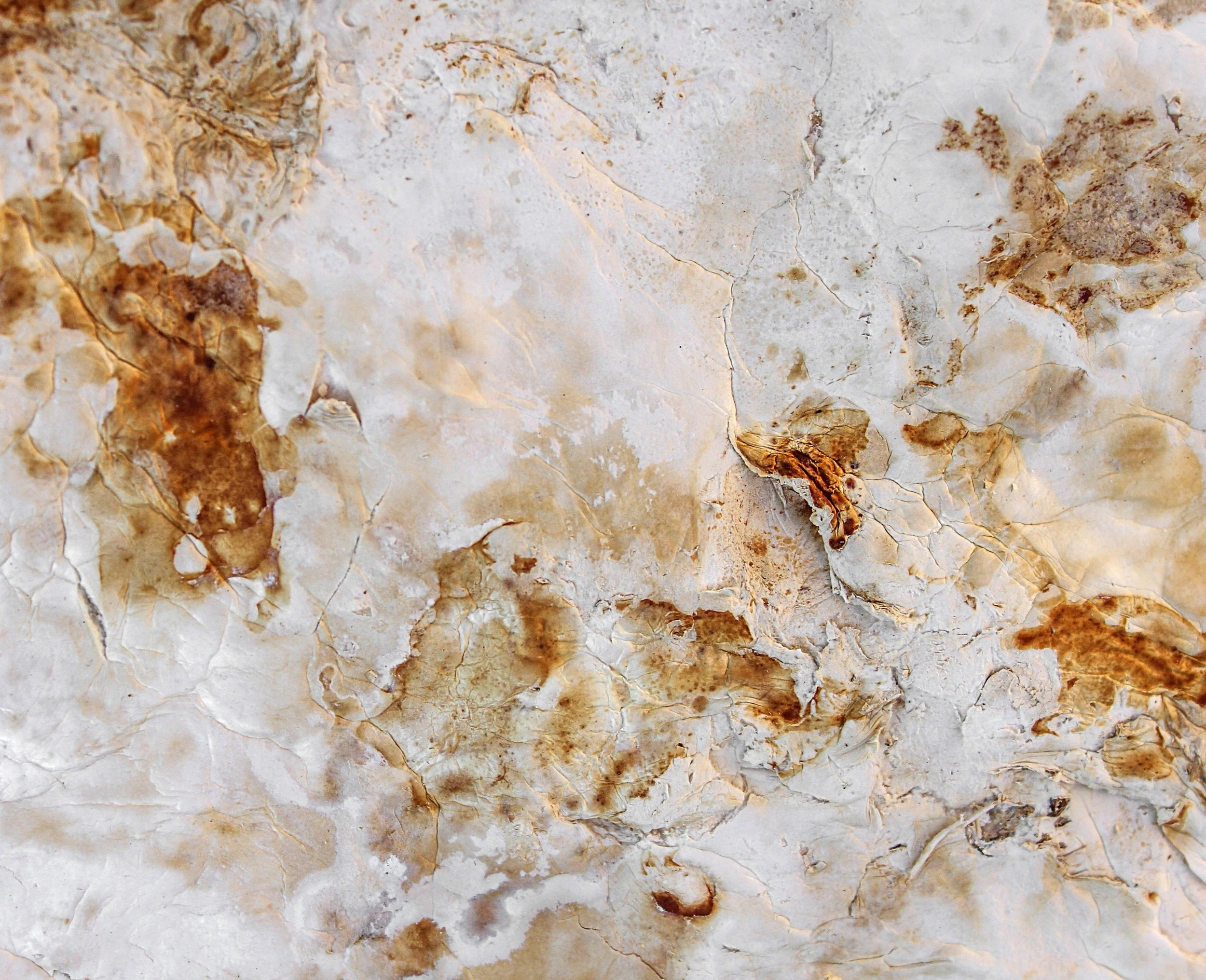
Biohm is a pioneering research and development company founded by Dr. Ehab Sayed. The company's mission is to revolutionize the construction industry by allowing nature to lead innovation, creating regenerative, high-performance materials and products for the built environment. Biohm's core values revolve around biomimicry, circular economy principles, and human-centered design. The company aims to drive a paradigm shift in building technologies, materials, and manufacturing methods, leading the entire sector towards a circular future inspired by nature.
Location
Headquarters: London, United Kingdom.
Primary manufacturing/operations locations: Watchet, West Somerset (first manufacturing facility in collaboration with Onion Collective CIC).
Note: Strategic locations to optimize local sourcing, distribution, and collaboration with industry partners.
The Circular Vision
Core circular economy principles: Designing out waste, using bio-based and recycled materials, closed-loop manufacturing processes.
Key innovations: Mycelium insulation, Orb (Organic Refuse Biocompound), Triagomy (interlocking construction system), bio-manufacturing techniques.
Prioritization of local sourcing and closed-loop supply chains is a key focus.
Pioneering Solutions
Flagship products: Mycelium insulation, Orb (plant-based alternative to concrete), Triagomy construction system.
Unique value propositions: Carbon-negative buildings, agile infrastructure, drastic reductions in environmental impact, build times, and costs.
The Regenerative Future
R&D focus areas: Advancing biomimetic biotechnologies, sustainable material lifecycles, circular business models.
Ambitious goals: Revolutionizing the construction industry, creating a healthier and regenerative built environment.
Fact Sheet
Commercial Availability: Products and services available through partnerships and collaborations.
Environmental Product Declaration (EPD): Information not available.
Circularity Rating: 5/5 (Designed for full circularity).
Key Certifications: Information not available.
Cost Rating: Information not available.
Material Passport: Extensive use of bio-based and recycled materials, detailed material traceability.
Designed for Disassembly: Yes, Triagomy system designed for deconstruction and reuse.
Carbon Performance: Focus on carbon-negative buildings and reducing environmental impact.
Key Takeaway
Biohm is a pioneering force in sustainable construction, harnessing biomimetic principles and circular economy strategies to create regenerative building solutions that prioritize human, environmental, and economic needs, setting a new benchmark for the industry.
Explore Further
Biohm website: https://www.biohm.co.uk
Sustainability overview: https://www.biohm.co.uk/about

Made of Air is a climate-focused materials company founded in 2016 by Allison Dring and Daniel Schwaag. The company's founding mission was to transform waste biomass into high-value, carbon-negative materials for industrial use, providing a sustainable alternative to fossil-based materials. Made of Air's current mission is to drive the transition to a net-zero economy by decarbonizing supply chains across various industries, including mobility, consumer goods, and the built environment. The core values of Made of Air revolve around innovation, sustainability, and responsibility, with a purpose to reverse climate change through carbon removal and circular material solutions.
Location
Headquarters: Berlin, Germany.
Primary manufacturing/operations locations: Berlin region, with plans for expansion.
Note: Strategic location in Berlin to foster innovation and collaboration with industry partners.
The Circular Vision
Core circular economy principles: Designing out waste, using waste biomass, and creating fully recyclable materials.
Key innovations: Development of carbon-negative materials from biochar and bioplastics, promoting circular design.
Prioritization of local sourcing and closed-loop supply chains: Emphasis on local materials and production to reduce environmental impact.
Pioneering Solutions
Flagship products: Carbon-negative materials used in various applications, including facade panels for Audi and sunglasses for H&M.
Unique value propositions: High-performance, sustainable materials that remove carbon from the atmosphere and support a circular economy.
The Regenerative Future
R&D focus areas: Advancing recycling technologies, developing new sustainable materials, and optimizing circular design processes.
Ambitious goals: To lead the industry in sustainable practices, create zero-waste products, and inspire a shift towards more responsible consumption.
Fact Sheet
Commercial Availability: Materials available for use by various industries through partnerships and collaborations.
Environmental Product Declaration (EPD): Information not available.
Circularity Rating: 5/5 (Designed for full circularity).
Key Certifications: Information not available.
Cost Rating: Information not available.
Material Passport: Detailed material traceability and use of waste biomass and sustainable materials.
Designed for Disassembly: Yes, products are designed for easy disassembly and recycling.
Carbon Performance: Focus on carbon-negative materials, removing CO2 from the atmosphere.
Key Takeaway
Made of Air is a pioneering company that transforms waste biomass into high-performance, carbon-negative materials, driving significant advancements in circularity and sustainability across various industries.
Explore Further
Made of Air website: https://www.madeofair.com
Putting carbon to work: https://www.madeofair.com/our-process
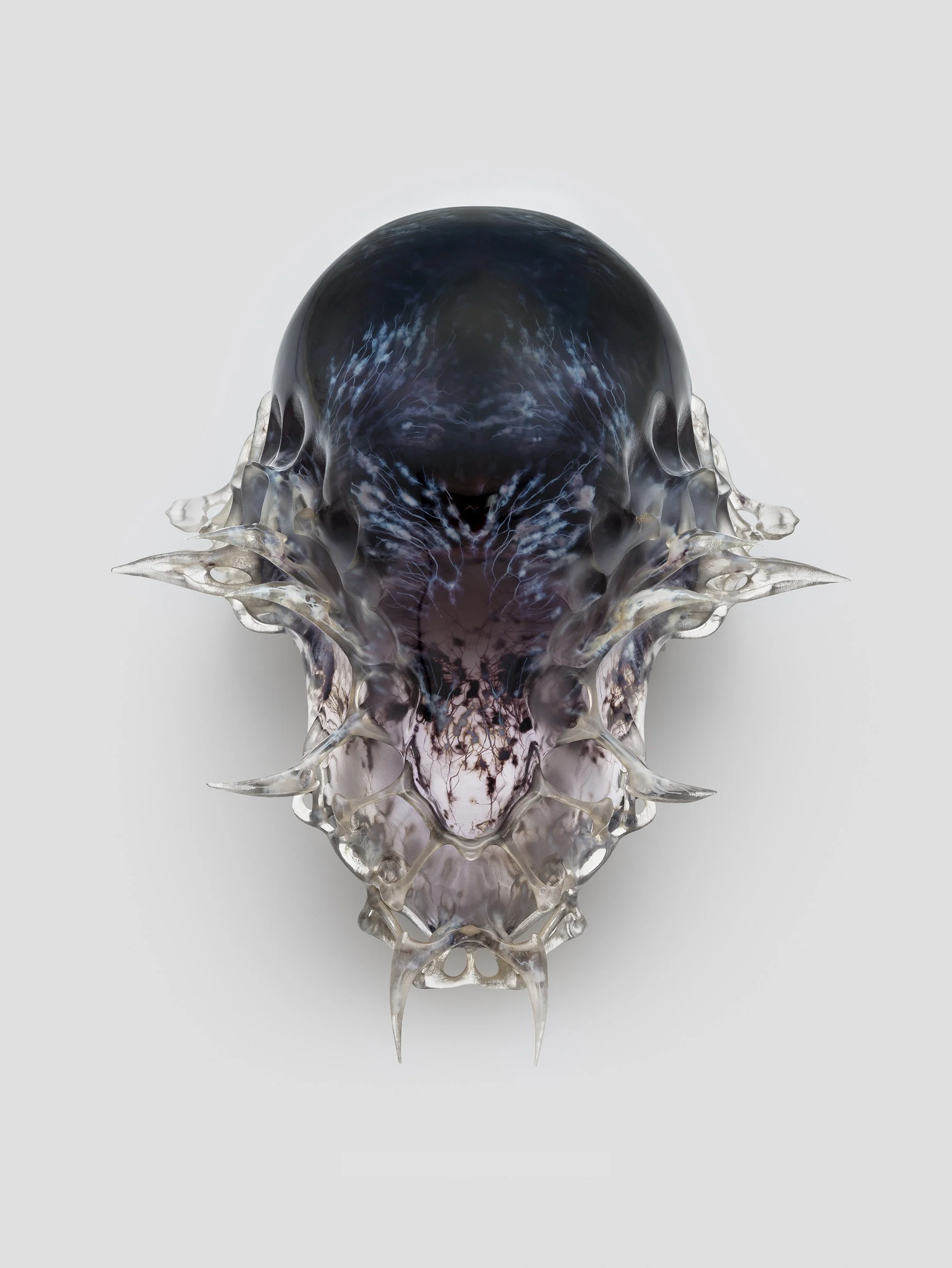
OXMAN is a design and technology company founded by Neri Oxman, an Israeli-American architect, designer, and professor known for her work at the intersection of design, biology, computing, and materials engineering. The company was established with the mission to create a future of complete synergy between nature and humanity by fusing design, technology, and biology. OXMAN's current mission focuses on accelerating systems-level change through innovative design and sustainable practices. Core values include innovation, sustainability, and interdisciplinary collaboration, with a purpose to redefine the relationship between design, materials, and the environment.
Location
Headquarters: New York, USA.
Primary manufacturing/operations locations: Various global locations for projects and collaborations.
The Circular Vision
Core circular economy principles: Designing out waste, using sustainable and biodegradable materials, and creating products and environments that promote environmental awareness and sustainable practices.
Key innovations: Development of projects like the Aguahoja Pavilion, which uses biocomposite materials derived from natural sources such as shrimp shells and fallen leaves, and the Silk Pavilion, which integrates biological organisms like silkworms into the fabrication process.
Prioritization of local sourcing and closed-loop supply chains: Emphasis on using locally sourced, sustainable materials and production methods to minimize environmental impact and support local economies.
Pioneering Solutions
Flagship projects: Aguahoja Pavilion (biocomposite structure), Silk Pavilion (biological fabrication with silkworms), and Man-Nahāta (urban design project envisioning a nature-centric future for Manhattan).
Unique value propositions: High-quality, innovative design solutions that prioritize circularity, material reuse, and environmental responsibility. OXMAN's work is known for its ability to create immersive, thought-provoking environments that connect with diverse audiences while promoting sustainability.
The Regenerative Future
R&D focus areas: Advancing sustainable design techniques, exploring new applications for biodegradable and bio-based materials, and developing solutions that further reduce waste and energy consumption in design and production processes.
Ambitious goals: To lead the design industry in sustainable practices, create zero-waste products and installations, and inspire a shift towards a regenerative approach to design and environmental stewardship.
Fact Sheet
Commercial Availability: Design services and products available through collaborations, exhibitions, and partnerships with cultural institutions and businesses.
Circularity Rating: 5/5 (Strong focus on integrating circular economy principles in design and production).
Key Certifications: Information not available.
Cost Rating: 4/5 (Competitive with high-end design services, with significant value in sustainability and innovation).
Material Passport: Detailed material traceability and use of biodegradable and sustainable materials in many projects.
Designed for Disassembly: Yes, many projects are designed with consideration for future adaptability and material reuse.
Carbon Performance: Focus on reducing carbon footprint through the use of sustainable materials and local production. Committed to minimizing environmental impact through efficient design and manufacturing processes.
Key Takeaway
OXMAN transforms the design industry through innovative, sustainable solutions that prioritize circular economy principles, setting a benchmark for environmental responsibility and material innovation in contemporary design.
Explore Further

Faber Futures is a biodesign lab founded by Natsai Audrey Chieza, based in London, UK. Established with the mission to fuse design thinking with living biological systems, Faber Futures aims to generate scalable models for sustainable futures. The studio's current approach focuses on exploring and enabling compelling biodesign futures at the intersection of nature, technology, and society. Core values include innovation, sustainability, and interdisciplinary collaboration, with a purpose to redefine the relationship between design, biotechnology, and the environment.
Location
Headquarters: London, United Kingdom.
Primary manufacturing/operations locations: Various global locations for projects and collaborations with biotech labs.
The Circular Vision
Core circular economy principles: Designing out waste, using living systems for material production, and creating products that promote environmental awareness and sustainable practices.
Key innovations: Development of bacterial dyeing techniques that use 500 times less water than traditional dyeing methods. Exploration of biofabrication possibilities using organisms such as bacteria, fungi, and algae.
Prioritization of local sourcing and closed-loop supply chains: Emphasis on using living organisms and sustainable production methods to minimize environmental impact and create circular material flows.
Pioneering Solutions
Flagship projects: Faber Futures' portfolio includes innovative projects such as Assemblage 002 (a reversible silk jacket dyed using pigment-producing bacteria), collaborations with Ginkgo Bioworks to embed pigment production processes into bacterial DNA, and various explorations of biodesign applications across industries.
The Regenerative Future
R&D focus areas: Advancing biodesign techniques, exploring new applications for living organisms in material production, and developing solutions that further reduce waste and energy consumption in design and production processes.
Ambitious goals: To lead the design industry in sustainable practices, create zero-waste products using living systems, and inspire a shift towards a regenerative approach to design and material usage.
Fact Sheet
Commercial Availability: Design services and research available through collaborations, exhibitions, and partnerships with institutions and businesses.
Circularity Rating: 5/5 (Strong focus on integrating circular economy principles and biodesign in material production).
Key Certifications: Pigment vials purchased by the Forbes Pigment Collection at Harvard Art Museums.
Material Passport: Detailed use of living organisms and biofabricated materials in projects.
Designed for Disassembly: Information not explicitly provided, but use of biodegradable materials suggests potential for circular lifecycle.
Carbon Performance: Focus on reducing water usage and eliminating the need for chemical fixers in dyeing processes. Specific carbon metrics not provided.
Key Takeaway
Faber Futures transforms the design and biotechnology industries through innovative, sustainable solutions that prioritize circular economy principles, setting a benchmark for environmental responsibility and material innovation in biodesign.
Explore Further
Faber Futures website: https://faberfutures.com

Blast Studio is a sustainability-focused design and maker studio based in North West London. Founded by Paola Garnousset, Martin Detoeuf, and Pierre de Pingon, the studio was established with the mission to transform urban waste into valuable design objects and architectural elements. Blast Studio's current approach focuses on integrating circular economy principles into their design processes, particularly using recycled coffee cups and mycelium. Core values include sustainability, innovation, and biomimicry, with a purpose to redefine the relationship between design, materials, and the environment.
Location
Headquarters: North West London, United Kingdom.
Primary manufacturing/operations locations: Various locations in London, particularly focusing on local waste collection and production.
The Circular Vision
Core circular economy principles: Designing out waste, using recycled materials, and creating products that promote environmental awareness and sustainable practices.
Key innovations: Development of a technique to transform discarded coffee cups into a biomaterial that can be 3D printed and combined with mycelium to create furniture and architectural elements.
Prioritization of local sourcing and closed-loop supply chains: Strong emphasis on collecting waste locally (e.g., coffee cups from West London cafés) and transforming it into new products within the same urban ecosystem.
Pioneering Solutions
Flagship projects: Blast Studio's portfolio includes innovative projects such as the Tree Column (a 2-meter high structural column made from recycled coffee cups and mycelium), the Tree Pavilion (an ambitious architectural project using their waste-based biomaterial), and various furniture pieces and objects made from urban waste.
The Regenerative Future
R&D focus areas: Advancing techniques for transforming urban waste into viable construction materials, exploring new applications for mycelium-based materials, and developing solutions that further reduce waste and energy consumption in design and production processes.
Ambitious goals: To lead the design industry in sustainable practices, create zero-waste products and buildings, and inspire a shift towards a regenerative approach to urban design and material usage.
Fact Sheet
Commercial Availability: Design pieces and services available through collaborations, exhibitions, and direct sales from their website.
Circularity Rating: 5/5 (Strong focus on integrating circular economy principles and waste reduction in design).
Key Certifications: Finalist for the Loewe Foundation Craft Prize 2022.
Material Passport: Detailed use of recycled materials in projects, with emphasis on their environmental and ethical significance.
Designed for Disassembly: Yes, many projects focus on biodegradability and material reuse.
Carbon Performance: Focus on reducing carbon footprint through the use of recycled materials and local production. Specific carbon metrics not provided.
Key Takeaway
Blast Studio transforms the design and architecture industry through innovative use of urban waste materials, setting a benchmark for environmental responsibility and material innovation in contemporary design.
Explore Further
Blast Studio website: https://blast-studio.com
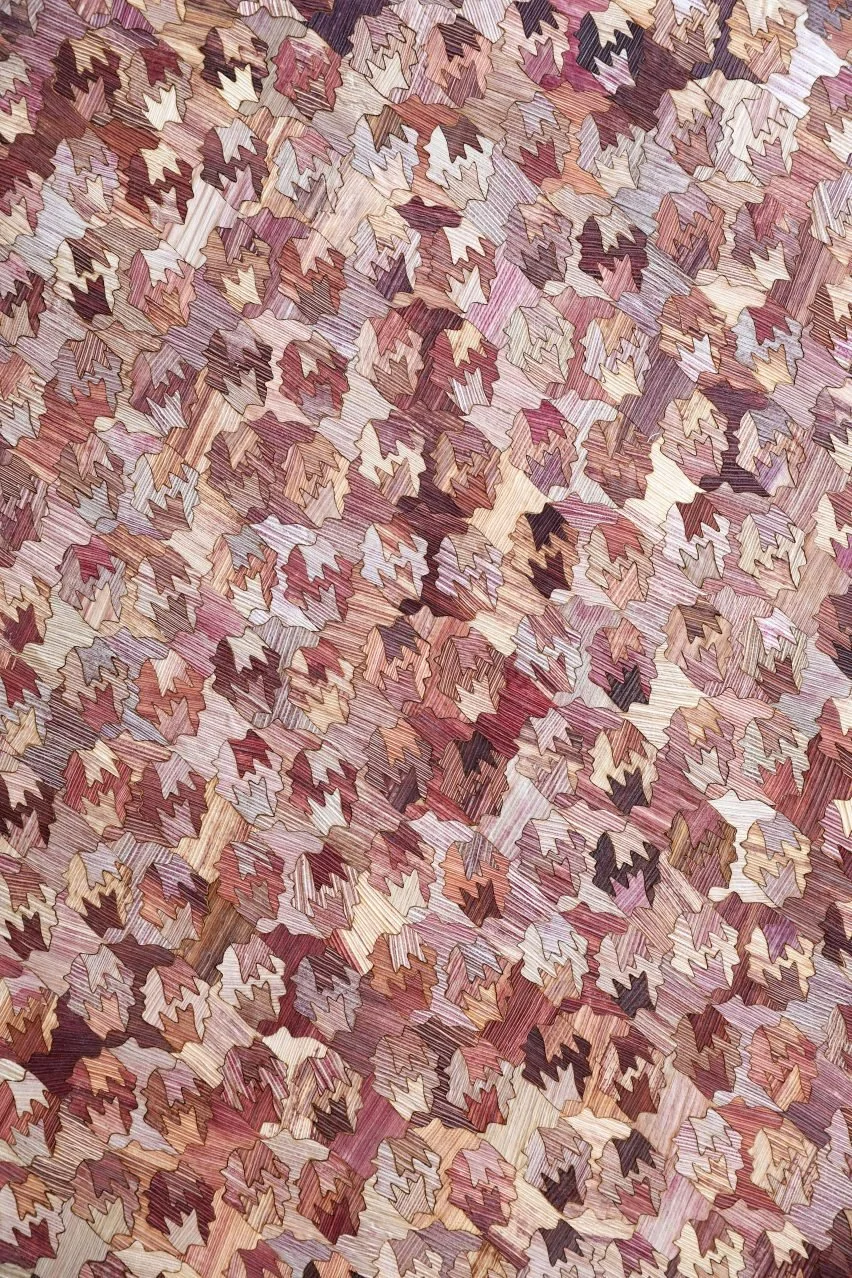
Fernando Laposse is a Mexican designer with a degree in product design from Central Saint Martins. He established his practice with the mission to transform humble natural materials into refined design pieces, focusing on overlooked plant fibers such as sisal, loofah, and corn leaves. Laposse's current approach emphasizes creating "endemic design" that highlights the historical and cultural ties of materials to specific locations and communities. Core values include sustainability, biodiversity preservation, and social responsibility, with a purpose to redefine the relationship between design, materials, and local communities.
Location
Headquarters: Mexico City, Mexico.
Primary manufacturing/operations locations: Various locations in Mexico, working with indigenous communities.
The Circular Vision
Core circular economy principles: Using overlooked natural materials, promoting biodiversity, and creating products that support local communities and sustainable practices.
Key innovations: Development of techniques to transform plant fibers like corn husks into design materials, creating new economic opportunities for indigenous farmers.
Prioritization of local sourcing and closed-loop supply chains: Strong emphasis on working with indigenous communities in Mexico to source materials locally and sustainably.
Pioneering Solutions
Flagship projects: Laposse's portfolio includes innovative projects such as Totomoxtle (a veneer material made from heirloom corn husks), Sisal Sanctum (an installation using sisal fibers), and various furniture and design pieces that showcase the potential of natural fibers.
The Regenerative Future
R&D focus areas: Advancing techniques for using lesser-known plant fibers, exploring new applications for natural materials, and developing solutions that support biodiversity and local communities.
Ambitious goals: To lead the design industry in sustainable practices, create products that preserve biodiversity and cultural heritage, and inspire a shift towards more environmentally and socially conscious design.
Fact Sheet
Commercial Availability: Design pieces and installations available through galleries, exhibitions, and collaborations with institutions.
Circularity Rating: 5/5 (Strong focus on using natural, biodegradable materials and supporting local ecosystems).
Key Certifications: Works held in permanent collections of Design Museum Gent, Musée des Arts Décoratifs, San Francisco Museum of Modern Art, and Victoria & Albert Museum.
Cost Rating: High-end pricing for collectible design pieces.
Material Passport: Detailed use of natural, locally-sourced materials in projects, with emphasis on their cultural and ecological significance.
Designed for Disassembly: Information not explicitly provided, but use of natural materials suggests potential for biodegradability.
Carbon Performance: Focus on using local, natural materials, but specific carbon performance metrics are not provided.
Key Takeaway
Fernando Laposse transforms the design industry through innovative use of overlooked natural materials, setting a benchmark for biodiversity preservation, cultural heritage conservation, and social responsibility in contemporary design.
Explore Further
Fernando Laposse website: https://www.fernandolaposse.com
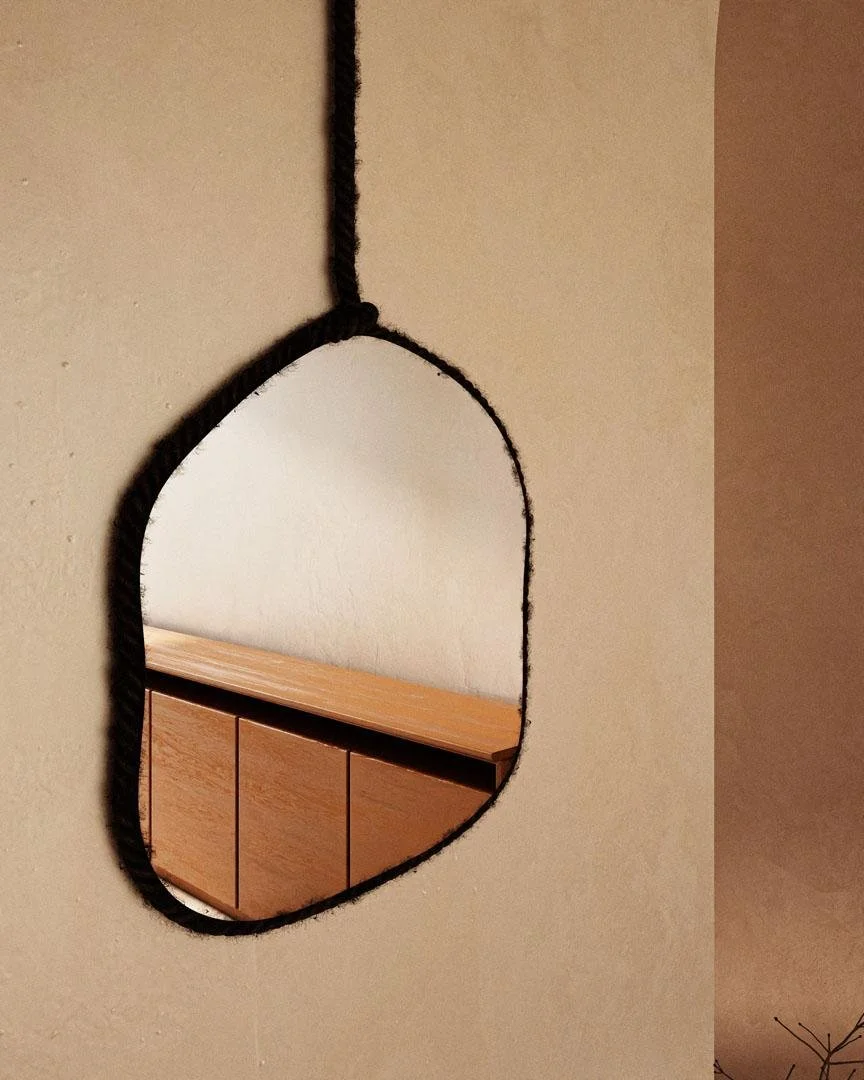
Studio Sanne Visser is a design studio founded by Dutch designer Sanne Visser, based in London, UK. Established in 2016, the studio was founded with the mission to explore material innovation and sustainability through design research. Studio Sanne Visser's current mission focuses on closing the loop of the human hair waste stream through design and research to add value to the circular bio-economy. Core values include innovation, sustainability, and waste reduction, with a purpose to redefine the relationship between design, materials, and the environment.
Location
Headquarters: London, United Kingdom.
Primary manufacturing/operations locations: Various locations based on project requirements and collaborations.
The Circular Vision
Core circular economy principles: Designing out waste, using human hair as a sustainable material resource, and creating closed-loop systems for material production.
Key innovations: Development of techniques to transform human hair waste into yarns, ropes, and other materials for use in various products. Projects like "The New Age of Trichology" showcase innovative uses of human hair in design.
Prioritization of local sourcing and closed-loop supply chains: Emphasis on collecting hair waste from local hairdressers and collaborating with local craftspeople to create sustainable, locally-sourced products.
Pioneering Solutions
Flagship projects: "The New Age of Trichology" (transforming human hair into utilitarian objects), "Extended" (creating mirrors using human hair rope), and ongoing PhD research on integrating human hair into the circular bio-economy.
Unique value propositions: High-quality, innovative design solutions that prioritize circularity, waste reduction, and environmental responsibility. Studio Sanne Visser's work is known for its ability to transform overlooked waste materials into desirable, sustainable alternatives.
The Regenerative Future
R&D focus areas: Advancing material innovation techniques for human hair, exploring new applications for hair-based materials, and developing solutions that further reduce waste and energy consumption in material production processes.
Ambitious goals: To lead the design industry in sustainable practices using human hair, create zero-waste production systems, and inspire a shift towards a regenerative approach to material design and usage.
Fact Sheet
Commercial Availability: Design services, products, and research available through collaborations, exhibitions, and partnerships with industry.
Circularity Rating: 5/5 (Strong focus on circular economy principles and waste reduction).
Key Certifications: Information not available, but nominated for various awards including AFFA Award and New Material Award.
Cost Rating: 4/5 (Competitive with innovative material development services, with significant value in sustainability and innovation).
Material Passport: Detailed material traceability focusing on human hair waste streams.
Designed for Disassembly: Information not explicitly provided, but emphasis on circular systems suggests consideration for end-of-life.
Carbon Performance: Focus on reducing carbon footprint through the use of waste materials and local production. Committed to minimizing environmental impact through efficient design and manufacturing processes.
Key Takeaway
Studio Sanne Visser transforms the design industry through innovative, sustainable solutions that prioritize circular economy principles, setting a benchmark for environmental responsibility and waste reduction by reimagining human hair as a valuable material resource.
Explore Further
Studio Sanne Visser website: https://sannevisser.com
About Sanne Visser: https://sannevisser.com/About

Hannah Elisabeth Jones is a multidisciplinary artist-designer and researcher based in the UK, specializing in biomaterials and organic color. She established her practice with the mission to explore sustainable and innovative material solutions, focusing on circular economy principles. Jones' current mission emphasizes developing bio-based materials and natural dyes, promoting sustainability and environmental awareness in design. Core values include innovation, sustainability, and interdisciplinary collaboration, with a purpose to redefine the relationship between design, materials, and the environment.
Location
Headquarters: Manchester, United Kingdom.
Primary manufacturing/operations locations: Various locations based on project requirements and collaborations.
The Circular Vision
Core circular economy principles: Designing out waste, using biodegradable and locally sourced materials, and creating products that promote environmental awareness and sustainable practices.
Key innovations: Development of BioMarble, a flexible material made from waste paper pulp and biodegradable ingredients. Creation of a comprehensive natural dye database called 'Lliw Lleol' (Local Colour), investigating colors obtained from locally foraged common plants and weeds.
Prioritization of local sourcing and closed-loop supply chains: Strong emphasis on using locally sourced waste materials and sustainable production methods to minimize environmental impact and support local economies.
Pioneering Solutions
Flagship projects: BioMarble (patent pending material made from waste paper), Lliw Lleol (natural dye database), and various bio-based material experiments combining natural dyes with materials like algae, wood, starch, sodium bicarbonate, and beeswax.
The Regenerative Future
R&D focus areas: Advancing sustainable material development techniques, exploring new applications for bio-based materials and natural dyes, and developing solutions that further reduce waste and energy consumption in design and production processes.
Ambitious goals: To lead the design industry in sustainable practices, create zero-waste products, and inspire a shift towards a regenerative approach to material design and usage.
Fact Sheet
Commercial Availability: Design services and products available through collaborations, exhibitions, and partnerships with brands and institutions.
Circularity Rating: 5/5 (Strong focus on integrating circular economy principles and waste reduction in design).
Key Certifications: Various awards including the Burberry Design Scholarship, Robin and Lucienne Day Foundation Prize, and Textile Society Student Award.
Material Passport: Detailed material traceability and use of biodegradable and locally sourced materials in projects.
Designed for Disassembly: Yes, many projects focus on biodegradable materials that can be safely returned to the environment.
Carbon Performance: Focus on reducing carbon footprint through the use of waste materials and local production. Committed to minimizing environmental impact through efficient design and manufacturing processes.
Key Takeaway
Hannah Elisabeth Jones transforms the design industry through innovative, sustainable solutions that prioritize circular economy principles, setting a benchmark for environmental responsibility and material innovation in contemporary design.
Explore Further
Hannah Elisabeth Jones website: https://www.hannahelisabethjones.co.uk
High Society Studio is a sustainable design practice founded by Johannes Kiniger and Giulia Farencena Casaro in 2015, based in South-Tyrol, Italy. The studio was established with the mission to create plant-based lighting and furniture using waste materials from the agricultural and food industries. High Society Studio's current mission is to transform organic waste into high-quality, sustainable design products, promoting a circular economy. The core values of the company include sustainability, innovation, and responsibility, with a purpose to reduce waste and environmental impact through creative design solutions.
Location
Headquarters: South-Tyrol, Italy.
Primary manufacturing/operations locations: South-Tyrol, Italy.
Note: Strategic location in South-Tyrol to optimize local sourcing and production.
The Circular Vision
Core circular economy principles: Designing out waste, using plant-based and recycled materials, and creating products that are fully recyclable.
Key innovations: Development of lighting and furniture from organic waste materials such as hemp, tobacco, and wine production residues.
Prioritization of local sourcing and closed-loop supply chains: Emphasis on using local agricultural waste and production to minimize environmental impact.
Pioneering Solutions
Flagship products: Plant-based lighting and furniture collections, including the DENUO series.
Unique value propositions: High-quality, sustainable design products made from organic waste materials, innovative use of materials, and a strong focus on circularity.
The Regenerative Future
R&D focus areas: Advancing the use of organic waste materials, developing new sustainable design processes, and optimizing circular design principles.
Ambitious goals: To lead the design industry in sustainable practices, create zero-waste products, and inspire a shift towards more responsible consumption.
Fact Sheet
Commercial Availability: Products available through the High Society Studio website and select retailers.
Environmental Product Declaration (EPD): Information not available.
Circularity Rating: 5/5 (Designed for full circularity).
Key Certifications: Information not available.
Cost Rating: 4/5 (Competitive with conventional alternatives, with significant cost savings in sustainable materials).
Material Passport: Detailed material traceability and use of plant-based and recycled materials.
Designed for Disassembly: Yes, products are designed for easy disassembly and recycling.
Carbon Performance: Focus on reducing carbon footprint through sustainable materials and local production.
Key Takeaway
High Society Studio transforms organic waste into high-quality, sustainable design products, setting a benchmark for circularity and innovation in the design industry.
Explore Further
High Society Studio website: https://highsocietystudio.com
Sustainability overview: https://highsocietystudio.com/ABOUT
Example product: DENUO series - https://highsocietystudio.com/denuo