
P R O L E A R N


GIG ECONOMY
The Gig Economy refers to a labour market characterised by short-term contracts, freelance work, and temporary positions, as opposed to permanent jobs. It's driven by digital platforms that connect workers with clients or customers.
Key Characteristics
Flexibility: Workers can choose when, where, and how much they work.
Technology-Driven: Digital platforms facilitate connections between workers and clients.
Diverse Work Types: Ranges from ride-sharing to professional services like design and consulting.
Benefits
Worker Autonomy: 64 million Americans (38% of the workforce) engaged in freelance work in 2023, valuing flexibility and independence.
Cost Savings for Businesses: Companies can save up to 30% on labour costs by hiring gig workers instead of full-time employees.
Economic Impact: Independent contractors contributed $1.27 trillion to the U.S. economy in 2023.
Challenges and Considerations
Job Security: Gig workers often lack benefits like health insurance and paid time off.
Income Volatility: Earnings can be unpredictable, leading to financial insecurity.
Work-Life Balance: The flexibility of gig work can blur boundaries between work and personal life.
Innovative Applications
Skill-Specific Platforms: Emergence of niche platforms catering to specific industries or skill sets.
AI-Powered Matching: Using artificial intelligence to efficiently connect workers with suitable gigs.
Blockchain for Payments: Implementing cryptocurrency solutions for faster, borderless payments to gig workers.
Future Outlook
As technology advances, we can expect more sophisticated platforms integrating AI and data analytics to optimise gig work experiences. There's likely to be increased focus on providing better protections and benefits for gig workers, potentially through new legislative frameworks.
Call to Action:
Evaluate how the gig economy might benefit your business or career. For businesses, consider how gig workers could supplement your workforce. For individuals, explore gig platforms that align with your skills and interests to potentially diversify your income streams.
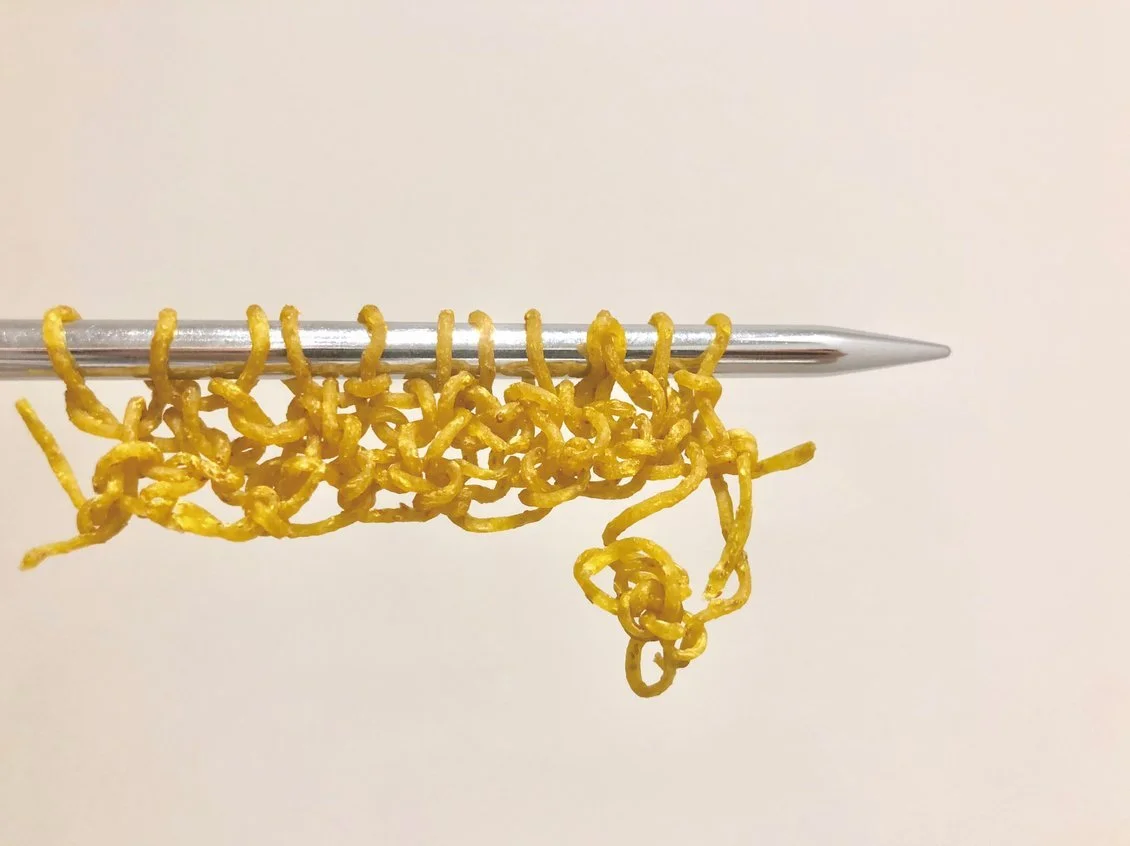
Youyang Song is a textile and material researcher and designer based in Berlin, Germany. She founded her studio with the mission to innovate in the field of sustainable materials and design. Her work focuses on developing biodegradable materials, innovating material production techniques, and designing eco-friendly products. Youyang Song's current mission is to establish a viable and complete ecosystem of products produced from biodegradable materials, creating an eco-friendly, sustainable business model based on zero-waste and zero-pollution guidelines. Core values include sustainability, innovation, and environmental responsibility, with a purpose to revolutionize the material and fashion-related industries.
Location
Headquarters: Berlin, Germany.
Note: Strategic location in Berlin to leverage local expertise in design and technology and foster international collaborations.
The Circular Vision
Core circular economy principles: Designing out waste, using biodegradable and recycled materials, and creating products that are fully recyclable and compostable.
Key innovations: Development of PEELSPHERE, a 100% biodegradable and circular material made from fruit waste and algae. This material exemplifies the integration of waste materials into new, valuable products.
Prioritization of local sourcing and closed-loop supply chains: Emphasis on using locally sourced biowaste and sustainable production methods to minimize environmental impact and support local economies.
Pioneering Solutions
Flagship products: PEELSPHERE, a biodegradable material used in various applications such as handbags and other fashion items. This material showcases the innovative use of biowaste and algae to create sustainable products.
Unique value propositions: High-quality, sustainable design solutions that prioritize circularity, material reuse, and environmental responsibility. Youyang Song's designs are known for their innovative use of biodegradable materials and focus on creating zero-waste products.
The Regenerative Future
R&D focus areas: Advancing the development of biodegradable materials, optimizing production processes for sustainability, and exploring new applications for circular economy principles in design.
Ambitious goals: To lead the material and fashion-related industries in sustainable practices, create zero-waste products, and inspire a shift towards a regenerative approach to material design and usage.
Fact Sheet
Commercial Availability: Products available through direct sales and collaborations with design fairs and exhibitions.
Circularity Rating: 5/5 (Strong focus on circular economy principles).
Cost Rating: 4/5 (Competitive with high-end design products, with significant value in sustainability and innovation).
Material Passport: Detailed material traceability and use of biodegradable and recycled materials.
Designed for Disassembly: Yes, products are designed for easy disassembly and composting.
Carbon Performance: Focus on reducing carbon footprint through the use of biodegradable materials and local production. Committed to minimizing environmental impact through efficient design and manufacturing processes.
Key Takeaway
Youyang Song transforms the material and fashion-related industries through innovative, sustainable solutions that prioritize circular economy principles, setting a benchmark for environmental responsibility and material reuse in modern design.
Explore Further
Youyang Song website: https://www.youyangsong.com
Example project: PEELSPHERE
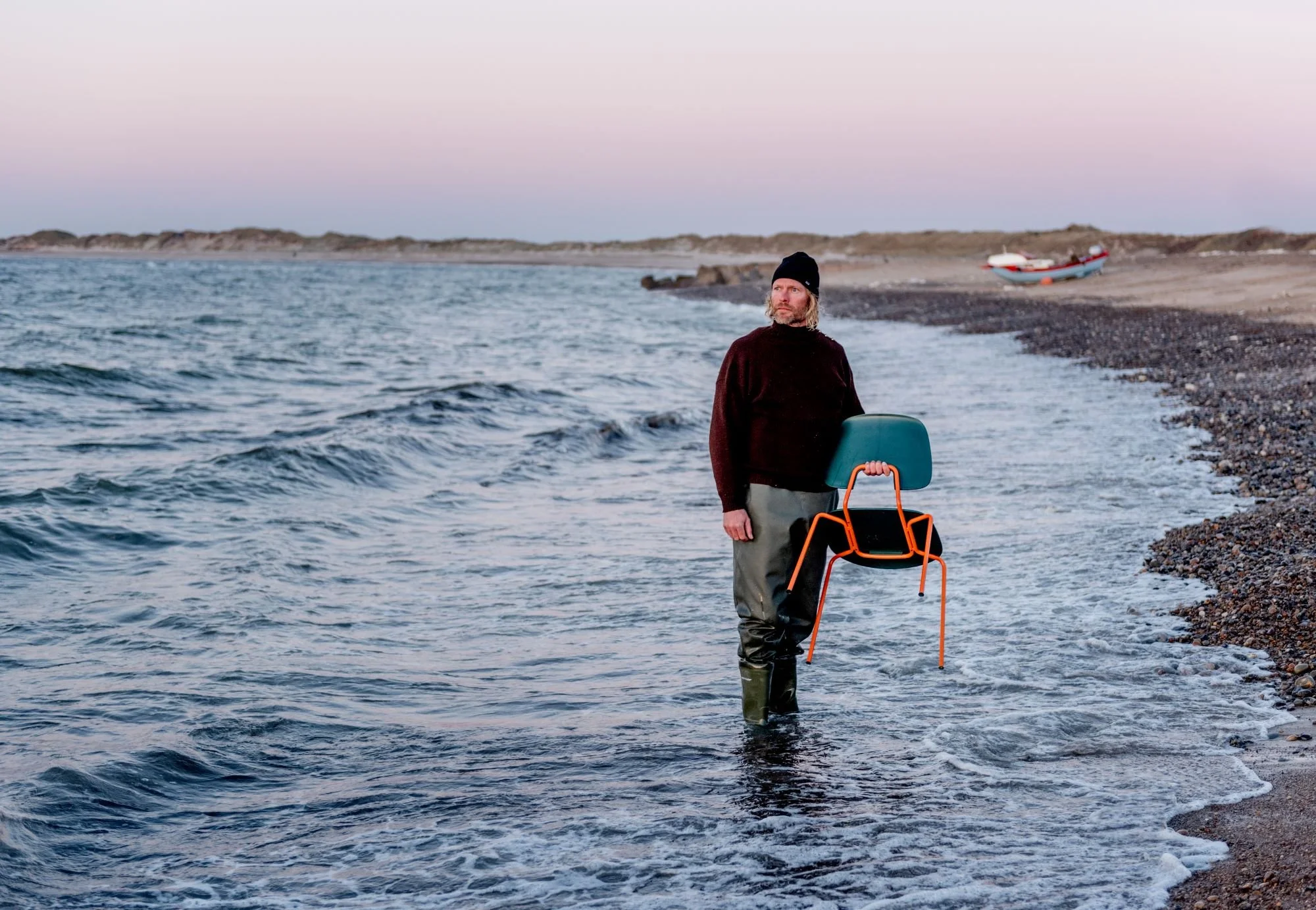
Wehlers is a Danish furniture company founded in 2014 by Henrik Holm and Maria Fryd Wehler. The company was established with the mission to create beautiful, functional furniture using recycled materials, thereby promoting sustainability and reducing environmental impact. Wehlers' current mission focuses on combining award-winning Danish design with eco-friendly practices to offer a range of furniture products that are both stylish and sustainable. Core values include sustainability, innovation, and quality, with a purpose to lead the furniture industry in sustainable practices and innovative design.
Location
Headquarters: Copenhagen, Denmark.
Primary manufacturing/operations locations: Various locations across Denmark.
Note: Strategic location in Denmark to leverage local expertise in design and sustainable practices.
The Circular Vision
Core circular economy principles: Designing out waste, using recycled materials, and creating products that are fully recyclable.
Key innovations: Development of furniture made from 100% recycled materials, including marine plastics, old fishing nets, e-waste, and plastic waste from the sea and electronics. The R.U.M. (Re-Used Materials) series exemplifies this approach, featuring chairs made from these recycled materials.
Prioritization of local sourcing and closed-loop supply chains: Emphasis on using locally sourced recycled materials and sustainable production methods to minimize environmental impact and support local economies.
Pioneering Solutions
Flagship products: R.U.M. Original Fishing Nets, R.U.M. Outdoor Carlsberg, and R.U.M. Original E-waste Politiken Plus chairs.
Unique value propositions: High-quality, sustainable furniture solutions that prioritize circularity, material reuse, and environmental responsibility. Wehlers' products are known for their innovative design, durability, and use of recycled materials, making them ideal for modern, eco-conscious consumers.
The Regenerative Future
R&D focus areas: Advancing sustainable materials, optimizing production processes, and developing new applications for recycled materials in furniture design.
Ambitious goals: To lead the furniture industry in sustainable practices, create zero-waste products, and inspire a shift towards a regenerative approach to material design.
Fact Sheet
Commercial Availability: Products available globally through direct sales on the Wehlers website and partnerships with distributors.
Environmental Product Declaration (EPD): Information not available.
Circularity Rating: 5/5 (Strong focus on circular economy principles).
Key Certifications: B-Corporation certification.
Cost Rating: 4/5 (Competitive with conventional alternatives, with significant cost savings in sustainable materials).
Material Passport: Detailed material traceability and use of recycled marine plastics, fishing nets, e-waste, and other recycled materials.
Designed for Disassembly: Yes, products are designed for easy disassembly and recycling.
Carbon Performance: Focus on reducing carbon footprint through sustainable materials and local production. Committed to using the highest percentage of recycled content without compromising on quality and safety.
Key Takeaway
Wehlers transforms the furniture industry through innovative, sustainable solutions, setting a benchmark for circularity and environmental responsibility in modern furniture design.
Explore Further
Wehlers website: https://www.wehlers.com
Responsibility overview: https://www.wehlers.com/pages/responsibility
Example product: R.U.M. Original

Vanessa Barragão is a Portuguese textile artist and designer known for her intricate and sustainable textile art pieces. The company was established with the mission to create beautiful, eco-friendly textile art that raises awareness about environmental issues, particularly the degradation of marine ecosystems. Vanessa Barragão's current mission focuses on combining traditional textile techniques with sustainable practices to produce unique, handcrafted art pieces. Core values include sustainability, craftsmanship, and environmental awareness, with a purpose to inspire a deeper connection to nature through art.
Location
Headquarters: Albufeira, Algarve, Portugal.
Primary manufacturing/operations locations: Albufeira, Algarve, Portugal.
Note: Strategic location in Albufeira to leverage local textile traditions and optimize production processes.
The Circular Vision
Core circular economy principles: Designing out waste, using recycled and natural materials, and creating products that are fully recyclable and biodegradable.
Key innovations: Development of textile art pieces using traditional techniques such as crochet, latch hook, weaving, and felt, combined with sustainable materials like recycled yarns and natural fibers. Vanessa Barragão's work often features marine-inspired themes, highlighting the beauty and fragility of ocean ecosystems.
Prioritization of local sourcing and closed-loop supply chains: Emphasis on using locally sourced materials and sustainable production methods to minimize environmental impact and support local economies.
Pioneering Solutions
Flagship products: Coral Garden, Botanical Tapestry, and Ocean Tapestry collections.
Unique value propositions: High-quality, sustainable textile art that prioritizes circularity, material reuse, and environmental responsibility. Vanessa Barragão's products are known for their intricate designs, vibrant colors, and ability to raise awareness about environmental issues.
The Regenerative Future
R&D focus areas: Advancing sustainable textile techniques, optimizing production processes, and developing new applications for recycled and natural materials in textile art.
Ambitious goals: To lead the textile art industry in sustainable practices, create zero-waste products, and inspire a shift towards a regenerative approach to material design.
Fact Sheet
Commercial Availability: Products available globally through direct sales on the Vanessa Barragão website and partnerships with galleries and retailers.
Environmental Product Declaration (EPD): Information not available.
Circularity Rating: 5/5 (Strong focus on circular economy principles).
Key Certifications: Information not available.
Cost Rating: 4/5 (Premium pricing with a focus on long-term value and sustainability).
Material Passport: Detailed material traceability and use of recycled and natural materials.
Designed for Disassembly: Yes, products are designed for easy disassembly and recycling.
Carbon Performance: Focus on reducing carbon footprint through sustainable materials and local production. Committed to using the highest percentage of recycled content without compromising on quality and safety.
Key Takeaway
Vanessa Barragão transforms the textile art industry through innovative, sustainable solutions, setting a benchmark for circularity and environmental responsibility in modern textile design.
Explore Further
Vanessa Barragão website: https://vanessabarragao.com
Sustainability overview: https://vanessabarragao.com/studio
Example product: Coral Garden - https://vanessabarragao.com/collections
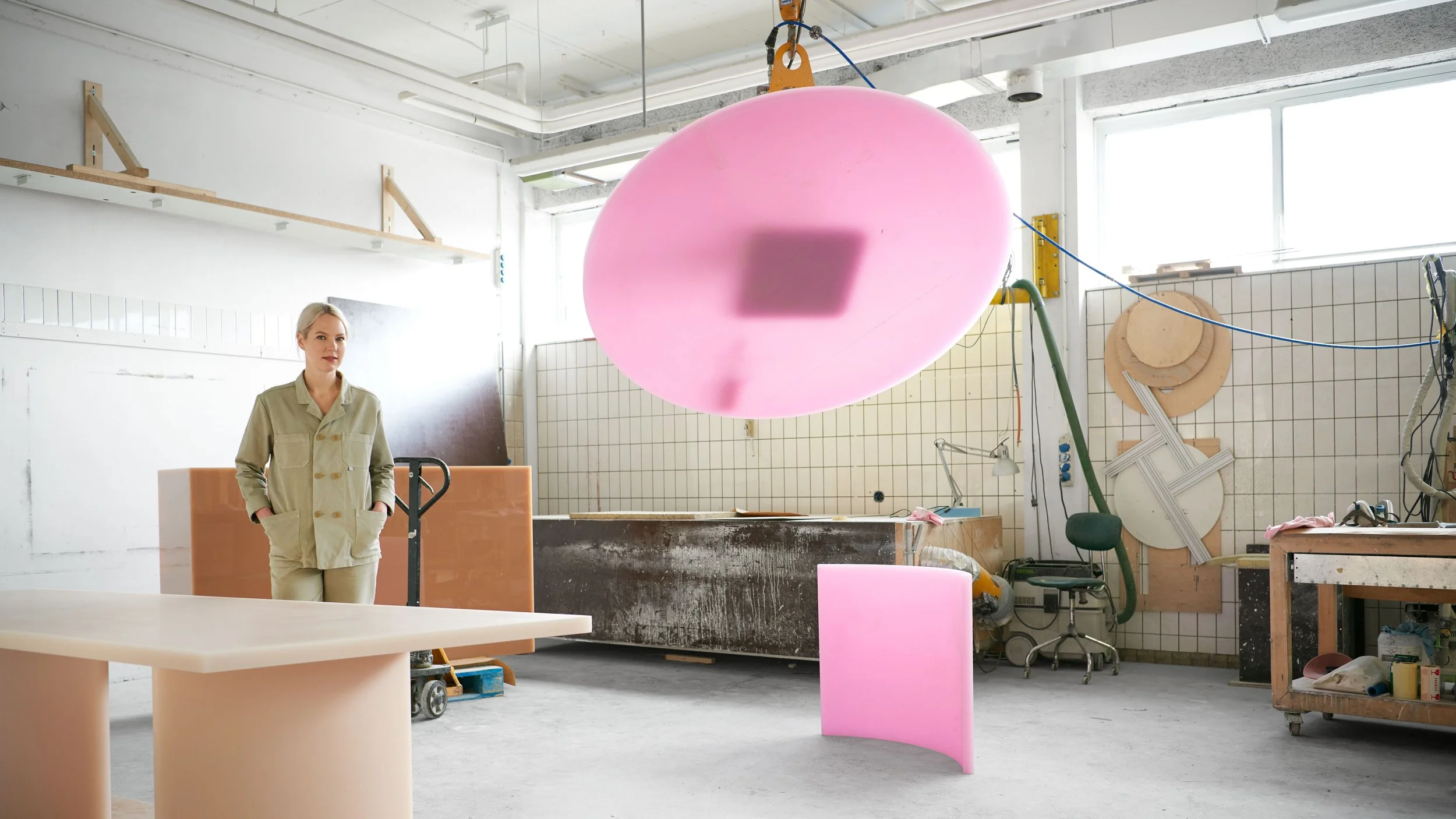
S.T.R.S. Studio is a renowned creative production studio based in Rotterdam, Netherlands. The company was established with the mission to create custom-made objects for artists and designers, specializing in hand-cast resin production. S.T.R.S. Studio's current mission focuses on combining meticulous craftsmanship with innovative material exploration to produce unique, high-quality objects. Core values include sustainability, innovation, and collaboration, with a purpose to push the boundaries of material use and production techniques.
Location
Headquarters: Rotterdam, Netherlands.
Primary manufacturing/operations locations: Rotterdam, Netherlands.
Note: Strategic location in Rotterdam to leverage local expertise in design and production processes.
The Circular Vision
Core circular economy principles: Designing out waste, using sustainable and innovative materials, and creating products that are fully recyclable.
Key innovations: Expertise in hand-cast resin production, allowing for the creation of unique and intricate objects. The studio continuously experiments with both existing and new materials to elevate the quality and aesthetic of their custom-made objects.
Prioritization of local sourcing and closed-loop supply chains: Emphasis on using locally sourced materials and sustainable production methods to minimize environmental impact and support local economies.
Pioneering Solutions
Flagship products: Custom-made objects for artists and designers, including one-off pieces, large editions, small objects, and major installations.
Unique value propositions: High-quality, sustainable production solutions that prioritize circularity, material reuse, and environmental responsibility. S.T.R.S. Studio's products are known for their intricate details, innovative design, and ability to capture the artistic vision of their clients.
The Regenerative Future
R&D focus areas: Advancing material exploration and experimentation, optimizing production processes, and developing new applications for hand-cast resin and other materials.
Ambitious goals: To lead the creative production industry in sustainable practices, create zero-waste products, and inspire a shift towards a regenerative approach to material design.
Fact Sheet
Commercial Availability: Products available globally through direct collaborations with artists, designers, and galleries.
Environmental Product Declaration (EPD): Information not available.
Circularity Rating: 5/5 (Strong focus on circular economy principles).
Key Certifications: Information not available.
Cost Rating: 4/5 (Competitive with conventional alternatives, with significant cost savings in sustainable materials).
Material Passport: Detailed material traceability and use of sustainable and innovative materials.
Designed for Disassembly: Yes, products are designed for easy disassembly and recycling.
Carbon Performance: Focus on reducing carbon footprint through sustainable materials and local production. Committed to using the highest percentage of recycled content without compromising on quality and safety.
Key Takeaway
S.T.R.S. Studio transforms the creative production industry through innovative, sustainable solutions, setting a benchmark for circularity and environmental responsibility in modern design and craftsmanship.
Explore Further
S.T.R.S. Studio website: https://www.strs.nl
Overview: https://www.strs.nl/About

Yinka Ilori Studio, founded by British-Nigerian artist and designer Yinka Ilori in 2017, is a multidisciplinary design practice based in London. The studio was established with the mission to create bold, colorful designs that draw on Ilori's dual heritage and convey new narratives through contemporary design. Yinka Ilori Studio's current mission focuses on creating accessible art and design that brings communities together and has a positive impact on society. Core values include sustainability, cultural storytelling, and social responsibility, with a purpose to redefine the relationship between design, community, and the environment.
Location
Headquarters: London, United Kingdom.
Primary manufacturing/operations locations: Various locations based on project requirements.
The Circular Vision
Core circular economy principles: Upcycling discarded materials, designing for longevity, and creating products that tell stories and foster emotional connections.
Key innovations: Development of furniture pieces and installations that repurpose discarded materials, such as the "If Chairs Could Talk" collection, which transforms abandoned chairs into sculptural pieces with cultural narratives.
Prioritization of local sourcing and closed-loop supply chains: Emphasis on using locally sourced, discarded materials and sustainable production methods to minimize environmental impact and support local communities.
Pioneering Solutions
Flagship projects: "If Chairs Could Talk" furniture collection, large-scale public installations, and architectural projects that incorporate upcycled materials and sustainable design principles.
Unique value propositions: High-quality, vibrant design solutions that prioritize circularity, cultural storytelling, and community engagement. Yinka Ilori Studio's work is known for its ability to transform discarded objects into meaningful, joyful pieces that connect with diverse audiences.
The Regenerative Future
R&D focus areas: Advancing upcycling techniques, exploring new applications for discarded materials in public spaces and architecture, and developing design solutions that further promote community engagement and cultural exchange.
Ambitious goals: To lead the design industry in sustainable practices, create zero-waste public installations, and inspire a shift towards a regenerative approach to urban design and community spaces.
Fact Sheet
Commercial Availability: Design services and products available through direct collaborations, exhibitions, and select retailers.
Circularity Rating: 4/5 (Strong focus on upcycling and sustainable design principles).
Key Certifications: Information not available.
Cost Rating: 4/5 (Competitive with high-end design services, with significant value in sustainability and cultural impact).
Material Passport: Detailed information on material origins, often incorporating upcycled and locally sourced materials.
Designed for Disassembly: Information not explicitly provided, but emphasis on upcycling suggests potential for future material reuse.
Carbon Performance: Focus on reducing carbon footprint through the use of discarded materials and local production. Committed to minimizing environmental impact through creative reuse of existing resources.
Key Takeaway
Yinka Ilori Studio transforms the design industry through innovative, culturally rich solutions that prioritize circular economy principles, setting a benchmark for upcycling, community engagement, and storytelling in contemporary design.
Explore Further
Yinka Ilori Studio website: https://yinkailori.com
About: https://yinkailori.com/about
Example project: Reflection in Numbers

Xavier Veilhan is a renowned French artist known for his multifaceted work in installation, sculpture, painting, and photography. He founded his studio with the mission to explore human perception through art, often blurring the boundaries between different mediums. Veilhan's current mission focuses on integrating sustainability into his artistic practice, exploring the use of renewable energy and sustainable materials. Core values include innovation, sustainability, and artistic expression, with a purpose to redefine the relationship between art, technology, and the environment.
Location
Headquarters: Paris, France.
Primary manufacturing/operations locations: Various global locations for exhibitions and installations.
The Circular Vision
Core circular economy principles: Designing out waste, using sustainable and renewable materials, and creating art that promotes environmental awareness.
Key innovations: Development of wind-powered exhibitions and sustainable shipping methods, such as using a sailboat for transporting artworks to reduce carbon emissions. Projects like the "Wind-Powered Exhibitions" exemplify the integration of renewable energy into art installations.
Prioritization of local sourcing and closed-loop supply chains: Emphasis on using locally sourced materials and sustainable production methods to minimize environmental impact and support local economies.
Pioneering Solutions
Flagship projects: "Wind-Powered Exhibitions," sustainable shipping experiments using sailboats, and large-scale public installations that incorporate renewable energy sources.
Unique value propositions: High-quality, innovative art solutions that prioritize circularity, environmental responsibility, and artistic expression. Veilhan's work is known for its ability to create immersive, thought-provoking environments that connect with diverse audiences while promoting sustainability.
The Regenerative Future
R&D focus areas: Advancing the use of renewable energy in art installations, exploring new applications for sustainable materials, and developing design solutions that further reduce waste and energy consumption.
Ambitious goals: To lead the art industry in sustainable practices, create zero-waste exhibitions, and inspire a shift towards a regenerative approach to art and environmental stewardship.
Fact Sheet
Commercial Availability: Artworks and installations available through exhibitions, galleries, and collaborations with cultural institutions.
Circularity Rating: 4/5 (Strong focus on integrating renewable energy and sustainable practices).
Cost Rating: 4/5 (Competitive with high-end art installations, with significant value in sustainability and innovation).
Material Passport: Detailed material traceability and use of sustainable materials.
Designed for Disassembly: Yes, installations are designed for easy disassembly and recycling.
Carbon Performance: Focus on reducing carbon footprint through the use of renewable energy sources and sustainable shipping methods. Committed to minimizing environmental impact through efficient design and production processes.
Key Takeaway
Xavier Veilhan transforms the art industry through innovative, sustainable solutions that prioritize circular economy principles, setting a benchmark for environmental responsibility and artistic expression in contemporary art.
Explore Further
Xavier Veilhan website: https://www.veilhan.com
Example project: Wind-Powered Exhibitions
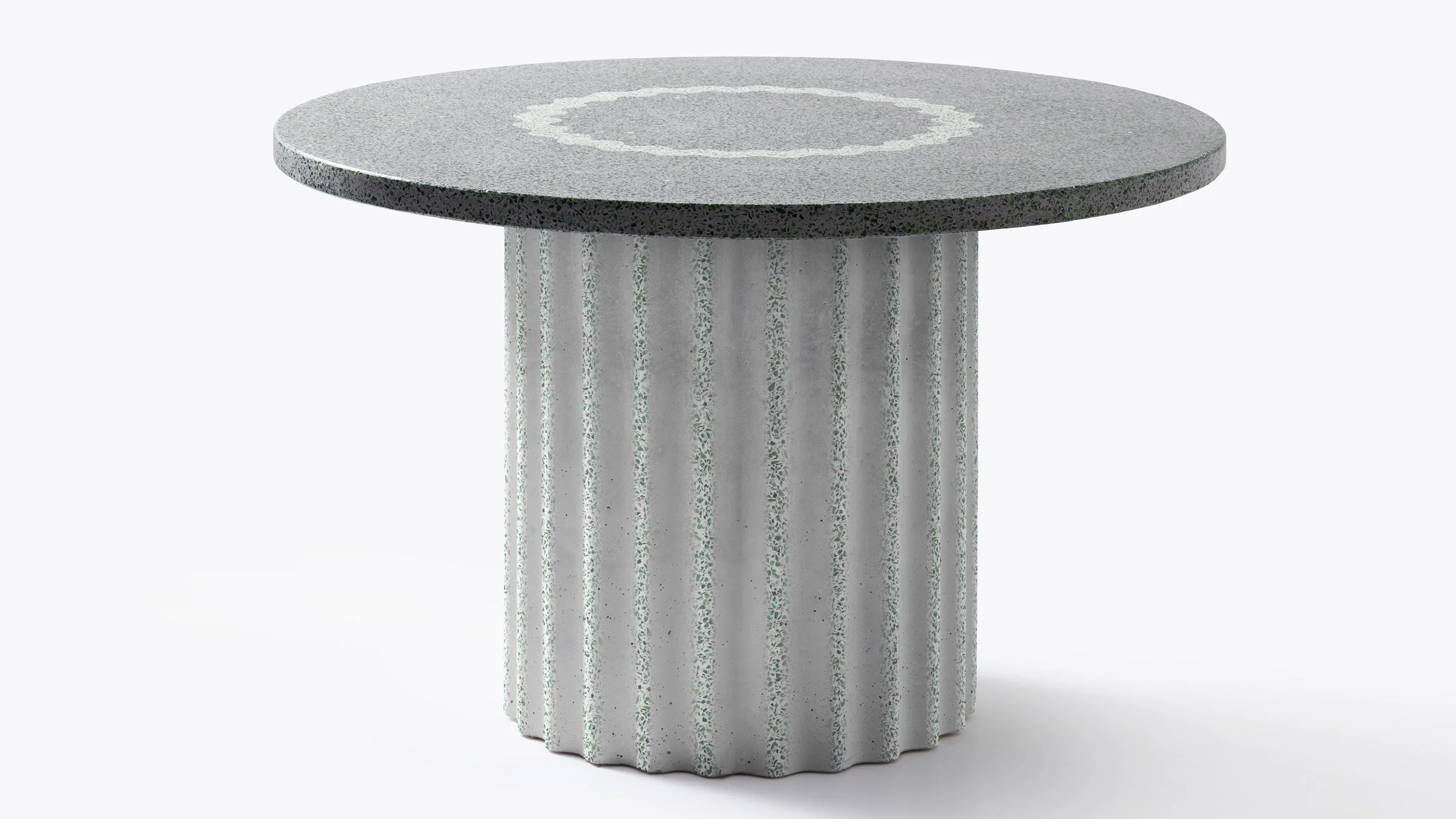
Super Local is a design studio founded by Pim van Baarsen and Luc van Hoeckel in 2012. The studio was established with the mission to create sustainable products and services that improve lives and build stronger communities, particularly for the 90% of the world's population often overlooked by traditional design. Super Local's current mission focuses on co-creating sustainable solutions through a unique blend of local knowledge, resources, and innovative design methods. Core values include sustainability, social equity, and human dignity, with a purpose to redefine the relationship between design, communities, and the environment.
Location
Headquarters: Netherlands.
Primary manufacturing/operations locations: Various global locations based on project requirements, including Nepal, Rwanda, and Zanzibar.
The Circular Vision
Core circular economy principles: Designing out waste, using local and recycled materials, and creating products that promote sustainable practices and community empowerment.
Key innovations: Development of projects like "From the Himalayas," which transforms waste from Mount Everest into valuable products, and the "Care Collection," which creates affordable hospital equipment from locally available materials.
Prioritization of local sourcing and closed-loop supply chains: Strong emphasis on using locally sourced materials and production methods to minimize environmental impact and support local economies.
Pioneering Solutions
Flagship projects: "From the Himalayas" (recycling waste from Mount Everest), "Care Collection" (affordable hospital equipment), and "Bottle Up" (upcycling glass bottles in Zanzibar).
Unique value propositions: High-quality, innovative design solutions that prioritize circularity, material reuse, and social impact. Super Local's work is known for its ability to create sustainable products that address local challenges while promoting community development.
The Regenerative Future
R&D focus areas: Advancing upcycling techniques, exploring new applications for waste materials, and developing solutions that further reduce waste and energy consumption while empowering local communities.
Ambitious goals: To lead the design industry in sustainable and socially responsible practices, create zero-waste products and services, and inspire a shift towards a regenerative approach to design and community development.
Fact Sheet
Commercial Availability: Design services and products available through direct collaborations, exhibitions, and select retailers.
Circularity Rating: 5/5 (Strong focus on circular economy principles and waste reduction).
Key Certifications: Information not available, but recognized with Dutch Design Awards.
Cost Rating: 4/5 (Focus on creating affordable solutions for underserved communities).
Material Passport: Detailed material traceability and use of locally sourced, recycled, and upcycled materials.
Designed for Disassembly: Information not explicitly provided, but emphasis on local production suggests potential for repair and adaptation.
Carbon Performance: Focus on reducing carbon footprint through the use of local materials and production. Committed to minimizing environmental impact through efficient design and manufacturing processes.
Key Takeaway
Super Local transforms the design industry through innovative, sustainable solutions that prioritize circular economy principles and social impact, setting a benchmark for environmental responsibility and community empowerment in contemporary design.
Explore Further
Super Local website: https://www.super-local.com
Example project: From the Himalayas
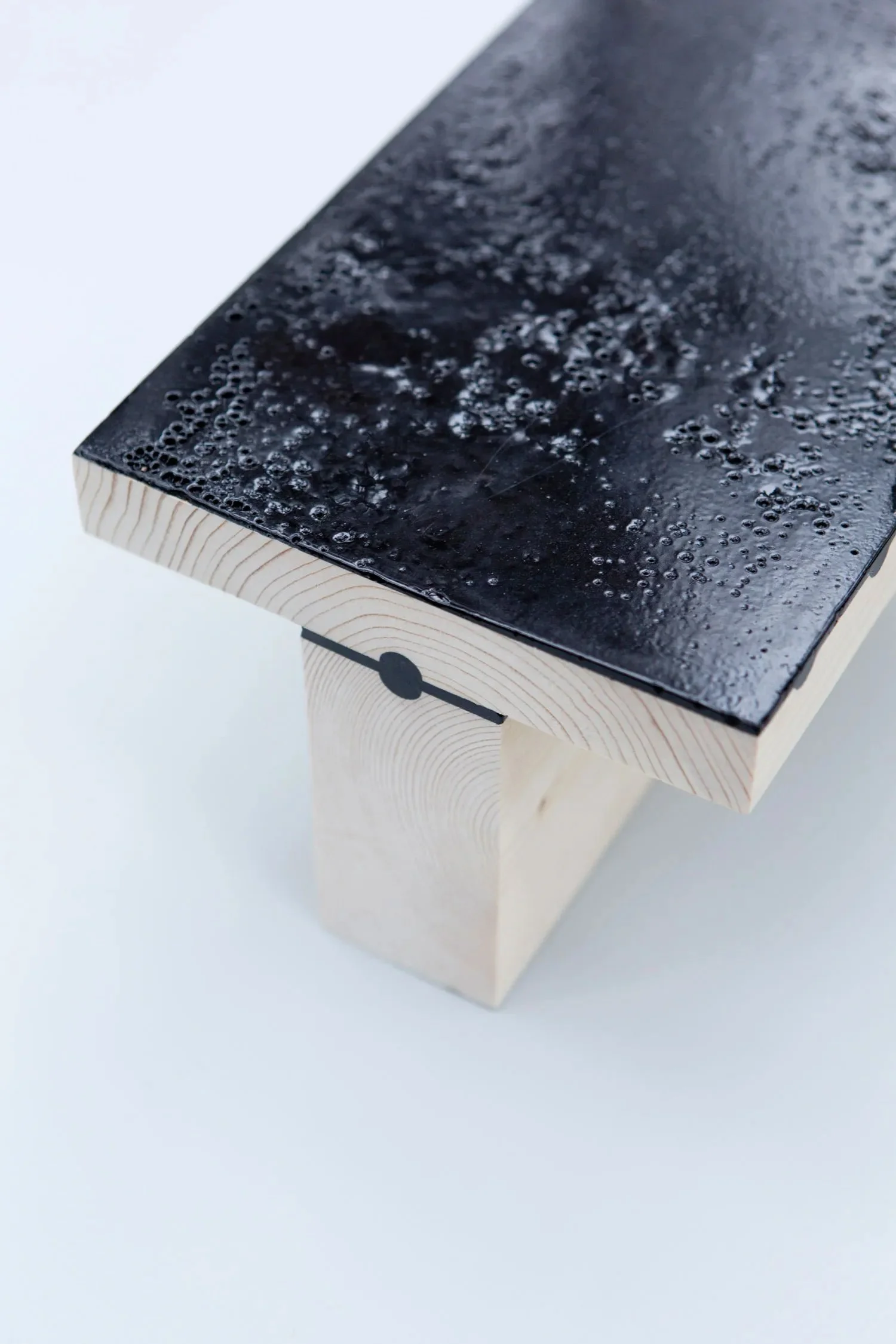
Studio Thomas Vailly is a design studio founded in Eindhoven, Netherlands. Established with the mission to explore and develop innovative bio-based materials, the studio focuses on creating sustainable alternatives to conventional materials. Studio Thomas Vailly's current mission emphasises the transformation of agricultural waste and by-products into valuable resources for design and industry. Core values include sustainability, innovation, and circular economy principles, with a purpose to redefine the relationship between design, materials, and the environment.
Location
Headquarters: Eindhoven, Netherlands.
Primary manufacturing/operations locations: Various locations based on project requirements and collaborations.
The Circular Vision
Core circular economy principles: Designing out waste, using agricultural by-products, and creating materials that are biodegradable and compostable.
Key innovations: Development of projects like "The Sunflower Enterprise," which transforms sunflower crop waste into bio-materials for various applications, and "Farm Universe," which explores closed-loop systems in dairy farming.
Prioritization of local sourcing and closed-loop supply chains: Strong emphasis on using locally sourced agricultural waste and developing circular production methods to minimize environmental impact and support local economies.
Pioneering Solutions
Flagship projects: "The Sunflower Enterprise" (creating materials from sunflower waste), "Reconfiguration of a Tree" (developing bio-based materials from tree components), and "Farm Universe" (exploring circular systems in dairy farming).
Unique value propositions: High-quality, innovative bio-material solutions that prioritize circularity, waste reduction, and environmental responsibility. Studio Thomas Vailly's work is known for its ability to transform agricultural waste into valuable, sustainable materials for various applications.
The Regenerative Future
R&D focus areas: Advancing bio-material development techniques, exploring new applications for agricultural waste, and developing solutions that further reduce waste and energy consumption in material production processes.
Ambitious goals: To lead the design industry in sustainable practices, create zero-waste production systems, and inspire a shift towards a regenerative approach to material design and usage.
Fact Sheet
Commercial Availability: Bio-material development services and prototypes available through collaborations, exhibitions, and partnerships with industry.
Circularity Rating: 5/5 (Strong focus on circular economy principles and waste reduction).
Key Certifications: Information not available.
Cost Rating: 4/5 (Competitive with innovative material development services, with significant value in sustainability and innovation).
Material Passport: Detailed material traceability and use of agricultural by-products and waste.
Designed for Disassembly: Yes, materials are often designed to be biodegradable or compostable.
Carbon Performance: Focus on reducing carbon footprint through the use of agricultural waste and local production. Committed to minimizing environmental impact through efficient design and manufacturing processes.
Key Takeaway
Studio Thomas Vailly transforms the material design industry through innovative, sustainable solutions that prioritize circular economy principles, setting a benchmark for environmental responsibility and waste reduction in bio-material development.
Explore Further
Studio Thomas Vailly website: http://studiothomasvailly.com
Project: Reconfiguration of a tree
Yodomo is a UK-based company founded by Sophie Rochester. The company was established with the mission to promote creative reuse of waste materials through workshops, kits, and courses. Yodomo's current mission focuses on fostering a culture of sustainability and creativity by providing resources and inspiration for upcycling and repurposing waste. Core values include sustainability, creativity, and community, with a purpose to reduce waste and promote circular economy practices through hands-on learning and creative projects.
Location
Headquarters: London, United Kingdom.
Primary manufacturing/operations locations: London, UK.
Note: Strategic location in London to optimize local sourcing, distribution, and collaboration with industry partners and creative communities.
The Circular Vision
Core circular economy principles: Designing out waste, using recycled and repurposed materials, and creating products that are fully recyclable.
Key innovations: Development of workshops, kits, and courses that teach individuals and communities how to creatively reuse waste materials. Yodomo collaborates with artists, makers, and designers to create unique upcycling projects that transform waste into valuable resources.
Prioritization of local sourcing and closed-loop supply chains: Emphasis on using locally sourced waste materials and promoting sustainable practices within local communities.
Pioneering Solutions
Flagship products: Upcycling workshops, DIY kits, and online courses that focus on creative reuse of waste materials.
Unique value propositions: High-quality, sustainable creative solutions that prioritize circularity, material reuse, and environmental responsibility. Yodomo's offerings are known for their innovative approach to upcycling, engaging content, and ability to inspire creativity and sustainability.
The Regenerative Future
R&D focus areas: Advancing upcycling techniques, optimizing workshop and kit offerings, and developing new creative projects for waste materials.
Ambitious goals: To lead the creative industry in sustainable practices, create zero-waste products, and inspire a shift towards a regenerative approach to material use and creativity.
Fact Sheet
Commercial Availability: Products and services available globally through direct sales on the Yodomo website and partnerships with retailers and organizations.
Environmental Product Declaration (EPD): Information not available.
Circularity Rating: 5/5 (Strong focus on circular economy principles).
Key Certifications: Information not available.
Cost Rating: 4/5 (Competitive with conventional alternatives, with significant cost savings in sustainable materials).
Material Passport: Detailed material traceability and use of recycled and repurposed materials.
Designed for Disassembly: Yes, products and kits are designed for easy disassembly and recycling.
Carbon Performance: Focus on reducing carbon footprint through sustainable materials and local production. Committed to promoting low-impact creative practices.
Key Takeaway
Yodomo transforms waste into valuable resources through creative upcycling workshops, kits, and courses, setting a benchmark for circularity and environmental responsibility in the creative industry.
Explore Further
Yodomo website: https://www.yodomo.co
Events overview: https://yodomo.co/pages/events
Example projects: https://yodomo.co/blogs/projects