
P R O L E A R N

NON-FUNGIBLE TOKENS
Non-Fungible Tokens (NFTs) are unique digital identifiers recorded on a blockchain, used to certify ownership and authenticity of a specific digital or physical asset. Unlike cryptocurrencies, NFTs are not interchangeable, making each token distinct and traceable.
Key Characteristics
Uniqueness: Each NFT has a distinct identifier, ensuring it cannot be replicated or substituted.
Blockchain-Based: Utilises blockchain technology for secure, transparent record-keeping.
Digital Representation: Can represent ownership of digital or physical assets, including art, music, and collectibles.
Benefits
Digital Scarcity: Introduces rarity to digital assets, potentially increasing their value.
Provenance: Provides a clear, immutable record of ownership history.
Creator Empowerment: Allows artists and creators to monetize digital works directly.
Challenges and Considerations
Copyright Complexities: Purchasing an NFT doesn't automatically transfer copyright of the underlying work.
Environmental Concerns: Some blockchain networks used for NFTs have high energy consumption.
Market Volatility: The NFT market has experienced significant fluctuations in value and demand.
Innovative Applications
Digital Art: Artists selling unique digital artworks, like Beeple's $69 million NFT sale.
Music Industry: Musicians tokenizing albums and experiences for fans.
Gaming: In-game items and virtual real estate represented as NFTs.
Future Outlook
As the technology matures, we can expect more sophisticated applications of NFTs, potentially in areas like identity verification, real estate, and intellectual property management. The legal framework around NFTs is likely to evolve to address current ambiguities in ownership and rights.
Call to Action:
Explore the potential of NFTs in your industry. Consider how tokenising assets or creating unique digital experiences could add value to your business or creative endeavours.
Six N. Five is a digital art studio founded by Ezequiel Pini, a designer and digital artist known for his innovative use of 3D technologies. The studio was established with the mission to create surreal, dreamlike worlds and poetic compositions that transcend traditional boundaries. Six N. Five's current mission focuses on exploring imaginary realities and pushing the limits of digital art. Core values include innovation, creativity, and the fusion of nature with technology, with a purpose to redefine the relationship between digital spaces and natural elements.
Location
Primary operations locations: Barcelona, Spain.
Note: Strategic location in Barcelona to leverage local artistic talent and foster international collaborations.
The Digital Biophilia Vision
Core principles: Creating digital experiences that foster a connection with nature, using technology to enhance our understanding and appreciation of natural forms and spaces.
Key innovations: Development of 3D artworks and installations that incorporate natural elements, organic forms, and biophilic design principles. Projects like "Among the Sky" exemplify the integration of natural phenomena into digital art, creating immersive, nature-inspired experiences.
Prioritization of nature-inspired design: Emphasis on creating digital artworks that mimic natural patterns, textures, and aesthetics to promote a sense of connection with the natural world.
Pioneering Solutions
Flagship projects: "Among the Sky," "What is Real?," and "The Revolt" - digital artworks and installations that blend natural elements with surreal, imaginary spaces.
Unique value propositions: High-quality, innovative digital art solutions that prioritize digital biophilia, viewer engagement, and the exploration of the boundaries between real and digital worlds. Six N. Five's artworks are known for their ability to create dreamlike, nature-inspired digital environments that evoke emotional responses.
The Regenerative Future
R&D focus areas: Advancing 3D modeling and rendering technologies, exploring new ways to integrate natural elements into digital art, and developing applications that challenge perceptions of reality and nature.
Ambitious goals: To lead the digital art industry in creating experiences that foster digital biophilia, inspire a deeper appreciation for nature through technology, and promote environmental awareness through immersive digital experiences.
Fact Sheet
Commercial Availability: Artworks and installations available through exhibitions, galleries, and collaborations with brands and institutions.
Biophilia Rating: 4/5 (Strong focus on incorporating natural elements and biophilic design principles in digital art).
Key Recognitions: AD100 Designer of the year, Architectural Digest Spain (2019).
Innovation Rating: 5/5 (Cutting-edge use of 3D technologies to create nature-inspired digital experiences).
User Engagement: High level of visual impact and emotional resonance, designed to create meaningful connections between viewers, technology, and nature.
Environmental Awareness Performance: Strong focus on using digital art to raise awareness about the beauty and importance of natural elements and spaces.
Key Takeaway
Six N. Five transforms the digital art industry through innovative, biophilic digital experiences, setting a benchmark for connecting humans with nature through technology and challenging perceptions of reality and the natural world.
Explore Further
Six N. Five website: https://sixnfive.com
Example project: Species

MIR is a visualisation studio based in Bergen, Norway, founded by Trond Greve Andersen and Mats Andersen. The studio was established with the mission to create iconic images in architecture that emphasize the natural context and atmosphere of the projects they visualize. MIR's current mission focuses on blending digital technology with natural elements to create immersive and evocative architectural visualisations. Core values include innovation, creativity, and the seamless integration of nature and architecture, with a purpose to redefine the relationship between digital visualisation and the natural environment.
Location
Headquarters: Bergen, Norway.
Primary operations locations: Various global locations for project installations.
The Digital Biophilia Vision
Core principles: Creating digital visualizations that foster a connection with nature, using technology to enhance our understanding and appreciation of natural forms and settings.
Key innovations: Development of the "MIR style," characterized by rich atmospheres and evocative natural settings that make architectural visualizations look and feel like photographs captured by astute observers of architecture.
Prioritization of nature-inspired design: Emphasis on creating visualizations that highlight the natural context and inherent qualities of architectural projects, promoting a sense of connection with the natural world.
Pioneering Solutions
Flagship projects: Visualizations for high-profile architectural projects such as the Icefjord Center by Dorte Mandrup, The Whale by Dorte Mandrup, and various projects by Snøhetta and BIG.
Unique value propositions: High-quality, innovative architectural visualizations that prioritize digital biophilia, viewer engagement, and the exploration of the boundaries between architecture and nature. MIR's work is known for its ability to create immersive, nature-inspired digital environments that evoke emotional responses.
The Regenerative Future
R&D focus areas: Advancing visualization technologies, exploring new ways to integrate natural elements into digital visualizations, and developing applications that challenge perceptions of architecture and nature.
Ambitious goals: To lead the architectural visualization industry in creating experiences that foster digital biophilia, inspire a deeper appreciation for natural settings through technology, and promote environmental awareness through immersive visual experiences.
Fact Sheet
Commercial Availability: Visualization services available for architects, developers, and institutions globally.
Biophilia Rating: 5/5 (Strong focus on incorporating natural elements and biophilic design principles in visualizations).
Key Recognitions: Known for the "MIR style" and recognized for their impact on the architectural visualization industry.
Innovation Rating: 5/5 (Cutting-edge use of visualization technologies to create nature-inspired digital experiences).
User Engagement: High level of visual impact and emotional resonance, designed to create meaningful connections between viewers, architecture, and natural settings.
Environmental Awareness Performance: Strong focus on using digital visualizations to raise awareness about the beauty and importance of natural settings in architecture.
Key Takeaway
MIR transforms the architectural visualization industry through innovative, biophilic digital experiences, setting a benchmark for connecting humans with nature through technology and challenging perceptions of architecture and the natural world.
Explore Further
MIR website: https://www.mir.no
About: https://www.mir.no/info
Example project: Icefjord Center
Jose Sanchez is an Architect, Game Designer, and Theorist based in Detroit, Michigan. He is the director of the Plethora Project, a research studio investing in the future of propagating architectural design knowledge. The project was established with the mission to accelerate computational literacy in Architecture and Design. Plethora Project's current mission focuses on creating digital platforms and video games that aid in authoring architectural and ecological thinking for non-expert audiences.
Location
Primary operations locations: Global, with a focus on digital platforms and video games.
Note: Strategic location in Detroit to leverage local expertise in design and technology.
The Digital Biophilia Vision
Core principles: While not explicitly focused on biophilia, the project incorporates principles of ecological thinking and the relationship between humans and their environment through digital platforms.
Pioneering Solutions
Flagship projects: Block'hood (video game exploring urban ecosystems), Common'hood (video game focusing on community building and resource management), Bloom (interactive installation for the 2012 Olympics).
Unique value propositions: High-quality, innovative digital platforms that prioritize user engagement, ecological thinking, and the exploration of architectural concepts through gamification.
The Regenerative Future
R&D focus areas: Advancing computational design tools, exploring new ways to integrate ecological thinking into digital platforms, and developing applications that challenge perceptions of architecture and urban environments.
Ambitious goals: To lead the architectural education and game design industries in creating experiences that foster digital biophilia, inspire a deeper appreciation for ecological systems through technology, and promote environmental awareness through immersive digital experiences.
Fact Sheet
Commercial Availability: Video games available through digital platforms, research outcomes through academic publications and open-source initiatives.
Biophilia Rating: 4/5 (Strong focus on incorporating ecological principles and human-environment relationships in digital platforms).
Key Recognitions: Winner of the Wonder Series for Bloom installation (2012 Olympics).
Innovation Rating: 5/5 (Cutting-edge use of game design and computational tools to create architecture-focused digital experiences).
User Engagement: High level of interactivity and educational value, designed to create meaningful connections between users, technology, and environmental systems.
Key Takeaway
Jose Sanchez and the Plethora Project transform architectural education and game design through innovative, ecologically-minded digital experiences, setting a benchmark for connecting humans with their environment through technology and challenging perceptions of urban ecosystems.
Explore Further
Plethora Project website: https://www.plethora-project.com
Example project: Block'hood - https://www.plethora-project.com/blockhood

Zhestkov Studio, founded by Russian media artist and director Maxim Zhestkov, is a creative studio specialising in digital art and animation. The studio was established with the mission to explore the intersection of art, physics, and digital technology. Zhestkov Studio's current mission focuses on creating immersive digital experiences that blend natural phenomena with abstract digital forms. Core values include innovation, creativity, and the fusion of nature and technology, with a purpose to redefine the relationship between digital art and the natural world.
Location
Headquarters: London, United Kingdom.
Primary operations locations: Global, with a focus on digital platforms and collaborations.
The Digital Biophilia Vision
Core principles: Creating digital experiences that foster a connection with nature, using technology to enhance our understanding and appreciation of natural forms and phenomena.
Key innovations: Development of art films and VR experiences that incorporate natural elements, organic movements, and biophilic design principles. Projects like "Volumes" and "Modules" exemplify the integration of nature-inspired patterns and behaviors into digital art.
Prioritization of nature-inspired design: Emphasis on creating digital experiences that mimic natural patterns, textures, and movements to promote a sense of connection with the natural world through technology.
Pioneering Solutions
Flagship projects: "Volumes," "Modules," "Waves," and "Artificial Organisms" - digital artworks and VR experiences that blend natural elements with abstract digital forms.
Unique value propositions: High-quality, innovative digital art solutions that prioritize digital biophilia, viewer engagement, and the exploration of the boundaries between technology and nature. Zhestkov Studio's work is known for its ability to create mesmerizing, nature-inspired digital environments that evoke emotional responses.
The Regenerative Future
R&D focus areas: Advancing 3D modeling and rendering technologies, exploring new ways to integrate natural elements into digital art, and developing applications that challenge perceptions of reality and nature.
Ambitious goals: To lead the digital art industry in creating experiences that foster digital biophilia, inspire a deeper appreciation for natural phenomena through technology, and promote environmental awareness through immersive digital experiences.
Fact Sheet
Commercial Availability: Digital artworks and VR experiences available through exhibitions, galleries, and collaborations with brands.
Biophilia Rating: 3/5 (Strong focus on incorporating natural elements and biophilic design principles in digital art).
Key Recognitions: Collaborations with brands like Adidas, Google, Adobe, and Samsung.
Innovation Rating: 5/5 (Cutting-edge use of digital technologies to create nature-inspired experiences).
User Engagement: High level of visual impact and emotional resonance, designed to create meaningful connections between viewers, technology, and nature.
Key Takeaway
Zhestkov Studio transforms the digital art industry through innovative, biophilic digital experiences, setting a benchmark for connecting humans with nature through technology and challenging perceptions of reality and the natural world.
Explore Further
Zhestkov Studio website: https://zhestkov.studio
Example project: Artificial Organisms
Zach Lieberman is an artist, researcher, and educator based in New York City. He was established with the mission to create artwork with code, focusing on building experimental drawing and animation tools. Lieberman's current mission emphasises creating interactive environments that invite participants to become performers, exploring how computation can be used as a medium for poetry. Core values include innovation, education, and open-source collaboration, with a purpose to redefine the relationship between technology, art, and human interaction.
Location
Primary operations locations: New York City and global collaborations.
Note: Strategic location in New York to leverage local artistic talent and foster international collaborations.
The Digital Biophilia Vision
Core principles: While not explicitly focused on biophilia, Lieberman's work often creates interactive environments that connect people with their surroundings, potentially fostering a sense of connection with both digital and natural elements.
Key innovations: Development of interactive installations that blend physical and digital realms, such as the Eyewriter project and interactive sound installations. These projects often incorporate organic movements and natural interactions.
Prioritization of nature-inspired design: Emphasis on creating seamless integrations of technology with human gestures and movements, potentially enhancing users' awareness and connection to their environment.
Pioneering Solutions
Flagship projects: Eyewriter (eye-tracking tool for paralyzed artists), openFrameworks (open-source C++ toolkit for creative coding), School for Poetic Computation (alternative education program).
Unique value propositions: High-quality, innovative digital art solutions that prioritize human interaction, open-source collaboration, and the exploration of boundaries between physical and digital realms.
The Regenerative Future
R&D focus areas: Advancing interactive technologies, exploring new ways to integrate digital elements with human gestures, and developing applications that enhance human experiences and connections with their environment. Lieberman has also expressed interest in the potential of AI technologies in art and design.
Ambitious goals: To lead the digital art industry in creating experiences that foster connections between people and technology, inspiring a deeper appreciation for both digital and natural environments through innovative artistic interventions. Lieberman emphasizes the importance of artists and designers exploring "uncomfortable territories" like AI, viewing them as crucial spaces for creativity and experimentation.
Fact Sheet
Commercial Availability: Custom installations, educational programs, and open-source tools available globally.
Biophilia Rating: 3/5 (Indirect incorporation of biophilic principles through interactive environmental experiences).
Key Recognitions: Fast Company's Most Creative People, Golden Nica from Ars Electronica, Interactive Design of the Year from Design Museum London.
Innovation Rating: 5/5 (Cutting-edge use of technology to create interactive, environment-enhancing experiences).
User Engagement: High level of interactivity and immersion, designed to create meaningful connections between users, technology, and their surroundings.
Key Takeaway
Zach Lieberman transforms the digital art industry through innovative, interactive experiences that blend technology with human gestures, setting a benchmark for connecting people with their environment through creative coding and open-source collaboration.
Explore Further
Zach Lieberman website: http://zach.li
openFrameworks: https://openframeworks.cc
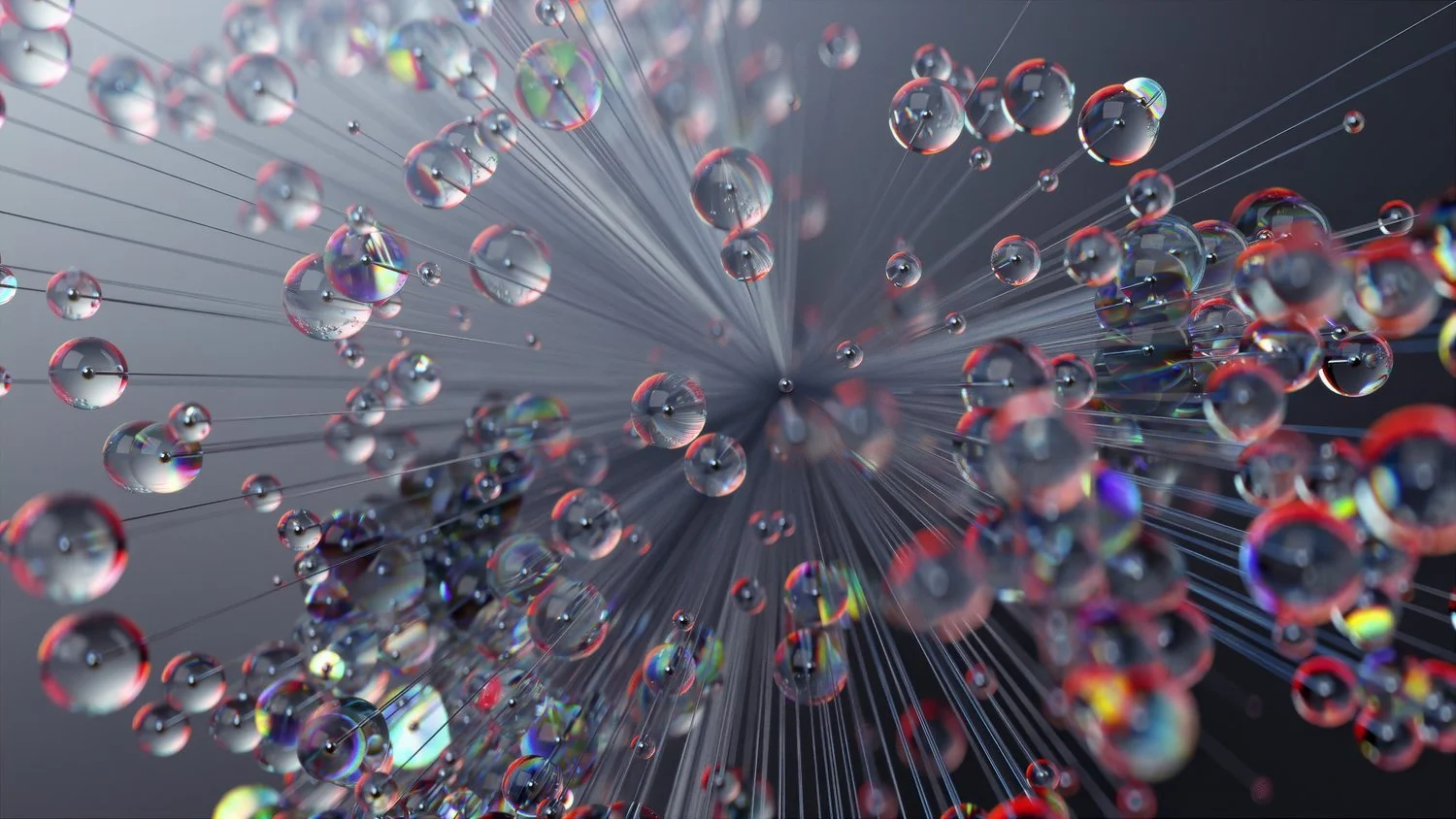
Vladislav Solovjov is a multidisciplinary Creative Director based in London, UK. He specialises in art direction, motion design, and CGI, offering full production of computer graphics from concept to final image. While not explicitly focused on digital biophilia, Solovjov's work often incorporates organic forms, fluid movements, and nature-inspired elements in his digital creations. His mission focuses on pushing the boundaries of digital art and design, creating visually stunning and immersive experiences. Core values include creativity, innovation, and technical excellence, with a purpose to redefine the relationship between digital art and the viewer's perception.
Location
Headquarters: London, United Kingdom.
Primary operations locations: Global, with a focus on digital platforms and collaborations.
The Digital Biophilia Vision
Core principles: Solovjov's work often incorporates organic forms, fluid movements, and nature-inspired elements that can evoke a connection with the natural world.
Key innovations: Development of visually rich digital environments and animations that blend natural elements with surreal, imaginary spaces. Projects like "Particle Universe" and "Digital Creations" exemplify the integration of organic forms and natural-like phenomena into digital art.
Pioneering Solutions
Flagship projects: Particle Universe, Digital Creations art project, LOTUS Emeya Hyper GT aerodynamics animation, and various client works for brands like Audi, LYMA, and L'Oréal.
Unique value propositions: High-quality, innovative digital art and design solutions that prioritize visual impact, viewer engagement, and the exploration of the boundaries between digital and natural worlds. Solovjov's work is known for its ability to create mesmerizing, often nature-inspired digital environments that evoke emotional responses.
The Regenerative Future
R&D focus areas: Advancing 3D modeling and rendering technologies, exploring new ways to integrate natural elements into digital art, and developing applications that challenge perceptions of reality and nature.
Ambitious goals: To lead the digital art and design industry in creating experiences that foster a connection between digital and natural realms, inspire a deeper appreciation for organic forms through technology, and promote environmental awareness through immersive digital experiences.
Fact Sheet
Commercial Availability: Digital artworks and services available through direct collaborations with clients and brands.
Biophilia Rating: 3/5 (Incorporation of organic forms and natural-like elements, but not explicitly focused on biophilia).
Innovation Rating: 5/5 (Cutting-edge use of CGI and motion design technologies to create visually stunning digital experiences).
User Engagement: High level of visual impact and emotional resonance, designed to create meaningful connections between viewers and digital art.
Key Takeaway
Vladislav Solovjov transforms the digital art and design industry through innovative, visually stunning experiences that often incorporate organic forms and natural-like elements, setting a benchmark for creating emotionally resonant digital content.
Explore Further
Vladislav Solovjov website: https://www.solovjovcg.com
Example project: Particle Universe
Digital Creations art project

Valentin Fougeray is a professional photographer based in Paris, France. His work explores the paradoxical relationship between the two-dimensional nature of photography and its subjects, often incorporating elements that challenge perception and reality. Fougeray's current mission focuses on blending digital technology with natural and urban elements to create immersive and thought-provoking visual experiences. Core values include innovation, creativity, and the fusion of digital and physical worlds, with a purpose to redefine the relationship between photography, art, and the natural environment.
Location
Headquarters: Paris, France.
Primary operations locations: Various global locations for exhibitions and collaborations.
The Digital Biophilia Vision
Core principles: Creating digital photographic experiences that foster a connection with nature and urban environments, using technology to enhance our understanding and appreciation of natural and constructed forms.
Key innovations: Development of photographic series like "Balance" and "Urbanism," which use digital manipulation and natural elements to create visually intriguing images that challenge viewers' perceptions. These projects often incorporate organic forms and urban textures, blending them seamlessly with digital techniques.
Pioneering Solutions
Flagship projects: "Balance" (exploring the relationship between objects, space, and perception), "Urbanism" (highlighting the architectural elements of urban environments), and "SIP" (self-initiated project focusing on care and attention to detail).
Unique value propositions: High-quality, innovative photographic solutions that prioritize digital biophilia, viewer engagement, and the exploration of the boundaries between reality and digital manipulation. Fougeray's work is known for its ability to create immersive, nature-inspired digital environments that evoke emotional responses.
The Regenerative Future
R&D focus areas: Advancing photographic and digital manipulation techniques, exploring new ways to integrate natural and urban elements into digital photography, and developing applications that challenge perceptions of reality and nature.
Ambitious goals: To lead the photography industry in creating experiences that foster digital biophilia, inspire a deeper appreciation for natural and urban environments through technology, and promote environmental awareness through immersive visual experiences.
Fact Sheet
Commercial Availability: Photographic artworks and projects available through exhibitions, galleries, and collaborations with brands and institutions.
Environmental Impact: Focus on creating digital photographic experiences that promote environmental and urban awareness and connection with nature.
Biophilia Rating: 4/5 (Strong focus on incorporating natural and urban elements in digital photography).
Key Recognitions: Information not available in the provided sources.
Innovation Rating: 5/5 (Cutting-edge use of digital manipulation and photographic techniques to create nature-inspired and urban-focused experiences)..
User Engagement: High level of visual impact and emotional resonance, designed to create meaningful connections between viewers, technology, and their surroundings.
Key Takeaway
Valentin Fougeray transforms the photography industry through innovative, biophilic digital experiences that blend natural and urban elements with digital manipulation, setting a benchmark for connecting humans with nature and urban environments through technology.
Explore Further
Valentin Fougeray website: https://www.valentin-fougeray.com

Wolfe von Lenkiewicz is a British artist known for his artistic reconfigurations of well-known imageries from art history and visual culture to create ambiguous compositions that question art historical discourses. His work often explores the intersection of classical art and contemporary digital techniques, including AI. Lenkiewicz's current mission focuses on blending historical art with cutting-edge technology to create immersive and thought-provoking visual experiences. Core values include innovation, creativity, and the fusion of digital and traditional art forms, with a purpose to redefine the relationship between art, technology, and the natural world.
Location
Headquarters: London, United Kingdom.
Primary operations locations: Various global locations for exhibitions and installations.
The Digital Biophilia Vision
Core principles: Creating digital experiences that foster a connection with nature and historical art, using technology to enhance our understanding and appreciation of natural and cultural heritage.
Key innovations: Development of artworks that incorporate AI algorithms to generate and manipulate images, blending human creativity with machine learning. Projects like "The Treasury" exemplify the integration of classical art forms with modern digital techniques, creating immersive, nature-inspired experiences.
Prioritization of nature-inspired design: Emphasis on creating digital artworks that mimic natural patterns and historical aesthetics, promoting a sense of connection with both the natural world and cultural heritage through technology.
Pioneering Solutions
Flagship projects: "The Treasury" (a collection of 10,000 digital sculptures), reinterpretations of classical artworks using AI, and large-scale light installations.
Unique value propositions: High-quality, innovative digital art solutions that prioritize digital biophilia, viewer engagement, and the exploration of the boundaries between classical art and modern technology. Lenkiewicz's work is known for its ability to create immersive, nature-inspired digital environments that evoke emotional responses.
The Regenerative Future
R&D focus areas: Advancing AI and digital techniques, exploring new ways to integrate natural elements and historical art into digital creations, and developing applications that challenge perceptions of art, nature, and technology.
Ambitious goals: To lead the digital art industry in creating experiences that foster digital biophilia, inspire a deeper appreciation for natural and cultural heritage through technology, and promote environmental and cultural awareness through immersive digital experiences.
Fact Sheet
Commercial Availability: Digital artworks and installations available through exhibitions, galleries, and collaborations with brands and institutions.
Biophilia Rating: 4/5 (Strong focus on incorporating natural and historical elements in digital art).
Key Recognitions: Exhibitions at Saatchi Gallery, Tate Britain, and other prestigious institutions.
Innovation Rating: 5/5 (Cutting-edge use of AI and digital techniques to create nature-inspired and historically rich experiences).
User Engagement: High level of visual impact and emotional resonance, designed to create meaningful connections between viewers, technology, and their surroundings.
Key Takeaway
Wolfe von Lenkiewicz transforms the digital art industry through innovative, biophilic digital experiences that blend classical art with modern technology, setting a benchmark for connecting humans with nature and cultural heritage through AI and digital techniques.
Explore Further
Wolfe von Lenkiewicz website: https://www.wolfevonlenkiewicz.com
Reisinger Studio is a multidisciplinary design practice founded by Andrés Reisinger, an artist, director, and designer based in Barcelona, Spain. The studio was established with the mission to bridge the imagined and the tangible, creating surreal yet realistic digital artworks and physical products. Reisinger Studio's current mission focuses on exploring the intersection of technology, art, and emotion, while pushing the boundaries of digital design. Core values include innovation, sensibility, and the fusion of digital and physical realms, with a purpose to redefine the relationship between humans, technology, and the natural world.
Location
Primary operations locations: Barcelona and Madrid, Spain.
Note: Strategic locations in Spain to leverage local artistic talent and foster international collaborations.
The Digital Biophilia Vision
Core principles: While not explicitly focused on biophilia, the studio's work often incorporates natural elements, organic forms, and soft color palettes that evoke a connection with nature.
Key innovations: Development of dreamlike digital environments that blend natural elements with surreal, imaginary spaces. Projects like "Winter House" and "Crystal House" exemplify the integration of organic forms and natural textures into digital architecture.
Prioritization of nature-inspired design: Emphasis on creating digital experiences that mimic natural patterns, textures, and aesthetics to promote a sense of connection with the natural world.
Pioneering Solutions
Flagship projects: Hortensia Chair, Winter House, Crystal House, and AI-driven Take Over series.
Unique value propositions: High-quality, innovative digital art and design solutions that prioritize emotional resonance, viewer engagement, and the exploration of the boundaries between digital and physical worlds. Reisinger Studio's work is known for its ability to create dreamlike, nature-inspired digital environments that evoke emotional responses.
The Regenerative Future
R&D focus areas: Advancing 3D modeling and rendering technologies, exploring new ways to integrate natural elements into digital art, and developing applications that challenge perceptions of reality and nature.
Ambitious goals: To lead the digital art and design industry in creating experiences that foster a connection between digital and natural realms, inspire a deeper appreciation for organic forms through technology, and promote environmental awareness through immersive digital experiences.
Fact Sheet
Commercial Availability: Digital artworks available through NFT platforms, physical products through limited editions and collaborations.
Biophilia Rating: 4/5 (Strong incorporation of natural elements and organic forms in digital designs).
Key Recognitions: Forbes 30 Under 30, Young Guns Art Directors Club by The One Club for Creativity New York.
Innovation Rating: 5/5 (Cutting-edge use of 3D technologies to create nature-inspired digital experiences).
User Engagement: High level of visual impact and emotional resonance, designed to create meaningful connections between viewers, technology, and nature.
Environmental Awareness Performance: Strong focus on using digital art to raise awareness about environmental issues, as seen in the Impression, Sunrise installation.
Key Takeaway
Reisinger Studio transforms the digital art and design industry through innovative, emotionally resonant experiences that blend natural elements with surreal imagination, setting a benchmark for connecting humans with nature through technology.
Explore Further
Reisinger Studio website: https://www.reisinger.studio
Example project: Winter House - https://www.reisinger.studio/winter-house