
P R O L E A R N
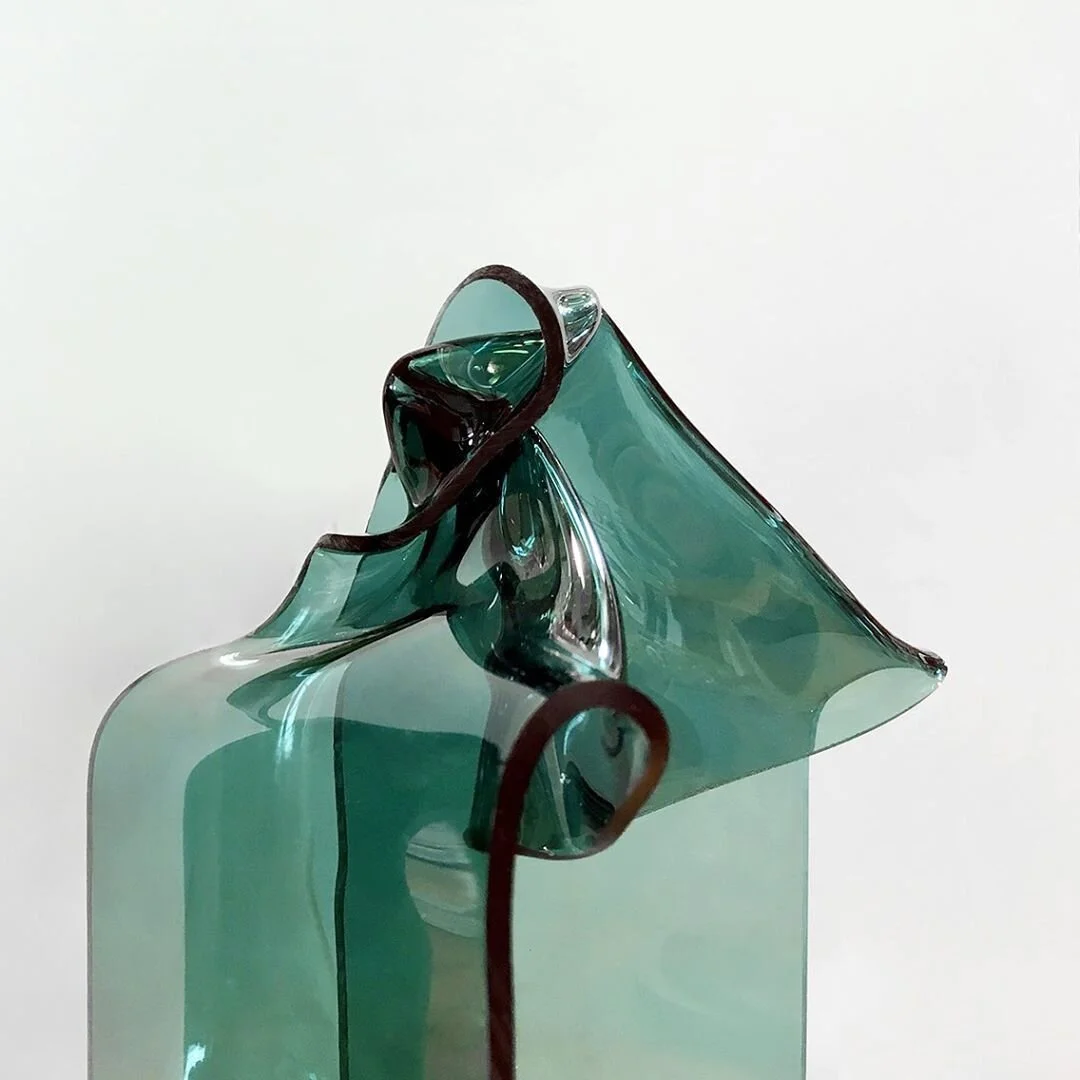

PLASTIC HOPE
Plastic Hope refers to the growing movement and innovations aimed at addressing the global plastic pollution crisis through recycling, reduction, and sustainable alternatives. It encompasses efforts to create a circular economy for plastics and minimise their environmental impact.
Key Characteristics
Circular Economy: Focuses on keeping plastics in use and out of the environment.
Innovation-Driven: Leverages new technologies and processes for more effective recycling.
Multi-Stakeholder Approach: Involves governments, businesses, and consumers in solutions.
Benefits
Environmental Protection: Recycling one ton of plastic saves up to 7.4 cubic yards of landfill space.
Resource Conservation: Plastic recycling can reduce petroleum consumption by around 40%.
Economic Opportunities: The global plastic recycling market is projected to reach $50.36 billion by 2022.
Challenges and Considerations
Contamination: Ensuring proper sorting and cleaning of plastics for effective recycling.
Technological Limitations: Some plastics are still difficult or uneconomical to recycle.
Consumer Behaviour: Encouraging widespread adoption of recycling and reduction practices.
Innovative Applications
Chemical Recycling: Breaking down plastics into their chemical components for reuse.
Ocean Cleanup Technologies: Developing systems to remove plastic waste from marine environments.
Biodegradable Plastics: Creating plastics that can decompose naturally in the environment.
Future Outlook
As awareness grows and technology advances, we can expect to see more sophisticated recycling processes, increased use of recycled plastics in manufacturing, and the development of new, environmentally friendly materials to replace traditional plastics. Taking low value plastic waste and turn it into timeless high value objects makes a lot of sense. Transforming low-value plastic waste into timeless, high-value objects is a powerful example of circular design. This approach not only diverts waste from landfills and oceans but also reimagines it as a resource, creating durable, aesthetically appealing products with lasting value.
Call to Action:
Evaluate your plastic consumption and recycling practices. Consider implementing a plastic reduction strategy in your personal life or business, and support initiatives and policies aimed at creating a circular economy for plastics.
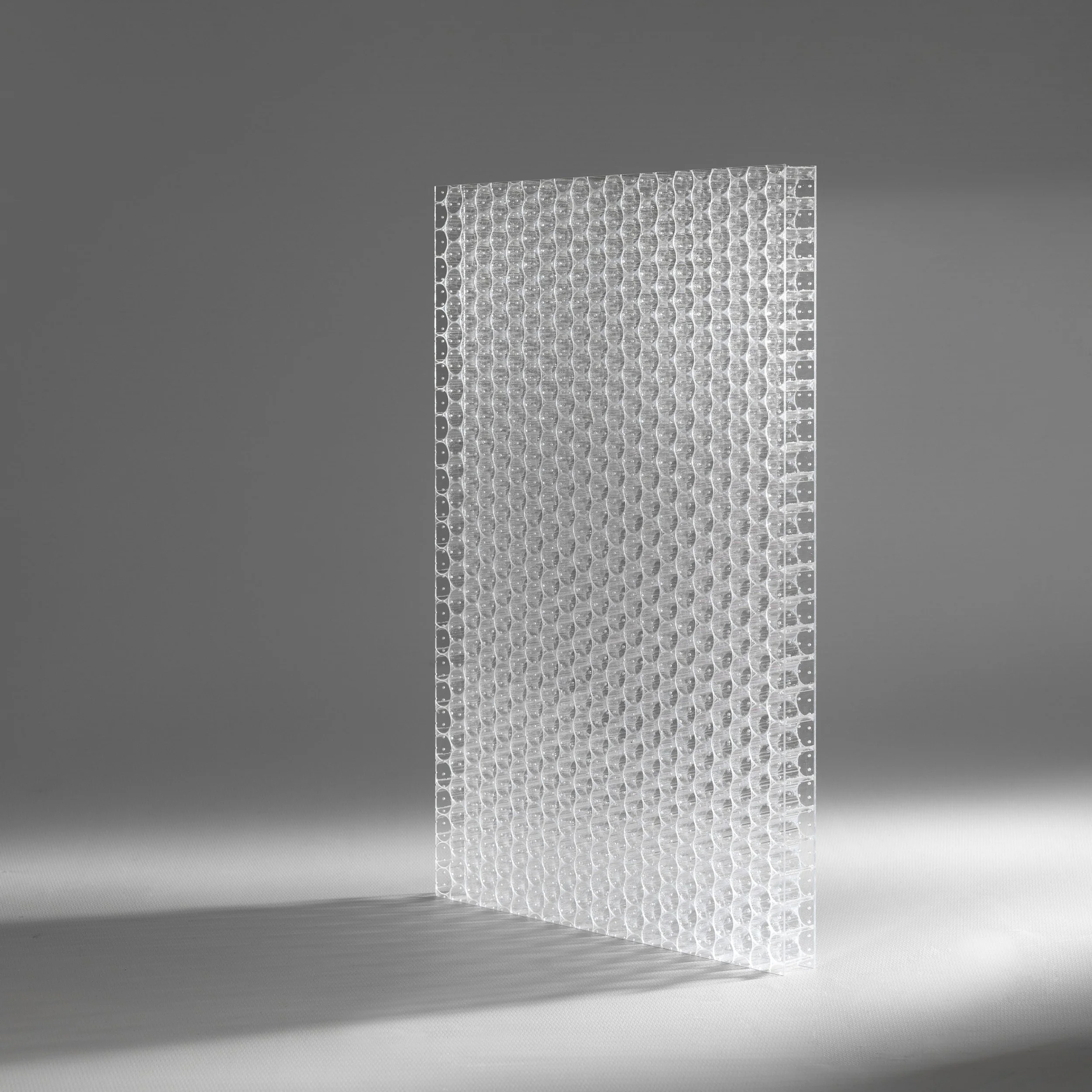
Bencore is an Italian company founded in 1999, specializing in the production of innovative, eco-sustainable composite panels for architecture and interior design. The company was established with the mission to create high-performance, aesthetically pleasing materials that meet the needs of modern design while promoting sustainability. Bencore's current mission focuses on providing architects and designers with versatile, lightweight, and environmentally friendly materials. Core values include sustainability, innovation, and quality, with a purpose to enhance architectural and interior design projects through advanced material solutions.
Location
Headquarters: Carrara, Italy.
Primary manufacturing/operations locations: Carrara, Italy.
Note: Strategic location in Carrara to leverage local expertise in composite materials and optimize production processes.
The Circular Vision
Core circular economy principles: Designing out waste, using recycled and recyclable materials, and creating products that are fully recyclable.
Key innovations: Development of composite panels such as Ecoben, Hexaben, and Lightben, which incorporate recycled materials and are designed for high performance and aesthetic appeal. These panels are used in various applications, including partitions, doors, furniture, and wall cladding.
Prioritization of local sourcing and closed-loop supply chains: Emphasis on using locally sourced materials and sustainable production methods to minimize environmental impact and support local economies.
Pioneering Solutions
Flagship products: Ecoben, Hexaben, Lightben, and Starlight composite panels.
Unique value propositions: High-quality, sustainable composite panels that prioritize circularity, material reuse, and environmental responsibility. Bencore's products are known for their lightweight, durability, and unique visual effects, making them ideal for modern architectural and interior design projects.
The Regenerative Future
R&D focus areas: Advancing sustainable materials, optimizing production processes, and developing new applications for composite panels.
Ambitious goals: To lead the architecture and design industries in sustainable practices, create zero-waste products, and inspire a shift towards a regenerative approach to material design.
Fact Sheet
Commercial Availability: Products available globally through direct sales and partnerships with distributors and architects.
Environmental Product Declaration (EPD): Available for some product lines, providing transparency on environmental impacts.
Circularity Rating: 5/5 (Designed for full circularity).
Key Certifications: European fire certifications for various product lines.
Cost Rating: 4/5 (Competitive with conventional alternatives, with significant cost savings in sustainable materials).
Material Passport: Detailed material traceability and use of recycled and recyclable materials.
Designed for Disassembly: Yes, products are designed for easy disassembly and recycling.
Carbon Performance: Focus on reducing carbon footprint through sustainable materials and local production.
Key Takeaway
Bencore transforms the architecture and interior design industries through innovative, sustainable composite panels, setting a benchmark for circularity and environmental responsibility.
Explore Further
Bencore website: https://www.bencore.co.uk
Sustainability overview: https://www.bencore.co.uk/sustainability/
Example products: https://www.bencore.co.uk/bencore-materials/

Crafting Plastics! Studio is an interdisciplinary design studio founded by Vlasta Kubušová and Miroslav Král in 2016, based in Bratislava, Slovakia, and Berlin, Germany. The studio was established with the mission to explore sustainable and innovative material solutions, particularly focusing on bioplastics. Crafting Plastics! Studio's current approach emphasizes integrating circular economy principles into their design processes, creating products that are both functional and environmentally responsible. Core values include sustainability, innovation, and material research, with a purpose to redefine the relationship between design, materials, and the environment.
Location
Headquarters: Bratislava, Slovakia, and Berlin, Germany.
Primary manufacturing/operations locations: Various locations based on project requirements and collaborations.
The Circular Vision
Core circular economy principles: Designing out waste, using biodegradable and sustainable materials, and creating products that promote environmental awareness and sustainable practices.
Key innovations: Development of NUATAN®, a bioplastic made from 100% renewable raw resources that is biodegradable and compostable. The studio also explores the use of bioplastics in various applications, including eyewear, lighting, and tableware.
Prioritization of local sourcing and closed-loop supply chains: Strong emphasis on using locally sourced plant-based materials and sustainable production methods to minimize environmental impact and support local economies.
Pioneering Solutions
Flagship projects: Crafting Plastics! Studio's portfolio includes innovative projects such as the NUATAN® Sample Box (showcasing the potential of bioplastics), the Circular Gastro System (a series of foodware products for closed-loop events), and the "Beauty of Distortion" series (furniture and sculptural pieces made from bioplastics).
The Regenerative Future
R&D focus areas: Advancing sustainable material development techniques, exploring new applications for bioplastics, and developing solutions that further reduce waste and energy consumption in design and production processes.
Ambitious goals: To lead the design industry in sustainable practices, create zero-waste products, and inspire a shift towards a regenerative approach to material design and usage.
Fact Sheet
Commercial Availability: Design services and products available through collaborations, exhibitions, and direct sales from their website.
Circularity Rating: 5/5 (Strong focus on integrating circular economy principles and waste reduction in design).
Key Certifications: Award for Sustainable Development; shortlisted for Dezeen Awards 2022.
Cost Rating: High-end pricing for innovative and sustainable design pieces.
Material Passport: Detailed use of bioplastics and other sustainable materials in projects, with emphasis on their environmental and ethical significance.
Designed for Disassembly: Yes, many products focus on biodegradability and compostability.
Carbon Performance: Focus on reducing carbon footprint through the use of bioplastics and local production. Specific carbon metrics not provided.
Key Takeaway
Crafting Plastics! Studio transforms the design industry through innovative use of bioplastics, setting a benchmark for environmental responsibility and material innovation in contemporary design.
Explore Further
Crafting Plastics! Studio website: https://www.craftingplastics.com

Aectual is a Dutch company founded by Hedwig Heinsman, Hans Vermeulen, and Martine de Wit. The company was established with the mission to create sustainable, customizable architectural products using 3D printing technology. Aectual's current mission focuses on producing circular furniture and finishes through a global network of XL 3D printers and recycling facilities. Core values include sustainability, innovation, and customization, with a purpose to radically change the way materials are used in the built environment.
Location
Headquarters: Amsterdam, Netherlands.
Primary manufacturing/operations locations: Global network of XL 3D printers and recycling facilities.
Note: Strategic global presence to optimize local sourcing, distribution, and collaboration with industry partners.
The Circular Vision
Core circular economy principles: Designing out waste, using recycled materials, and creating products that are fully recyclable.
Key innovations: Development of a platform for 3D printing architectural and interior products at industrial scale using recycled and renewable materials. Products can be shredded after use and reprinted into new creations, reducing CO2 emissions by over 80% compared to conventional manufacturing techniques.
Prioritization of local sourcing and closed-loop supply chains: Emphasis on using locally sourced recycled materials and sustainable production methods to minimize environmental impact and support local economies.
Pioneering Solutions
Flagship products: 3D printed furniture, flooring, wall paneling, temporary facade paneling, and other interior systems.
Unique value propositions: High-quality, sustainable architectural solutions that prioritize circularity, material reuse, and environmental responsibility. Aectual's products are known for their customizability, innovative design, and ability to be reprinted up to seven times.
The Regenerative Future
R&D focus areas: Advancing 3D printing technologies, optimizing production processes, and developing new applications for recycled and bio-based materials in architecture and interior design.
Ambitious goals: To lead the construction and interior design industries in sustainable practices, create zero-waste products, and inspire a shift towards a regenerative approach to building and design.
Fact Sheet
Commercial Availability: Products available globally through direct sales and partnerships with architects, designers, and companies.
Environmental Product Declaration (EPD): Information not available.
Circularity Rating: 5/5 (Strong focus on circular economy principles).
Key Certifications: Products are VOC-free and Red List free.
Cost Rating: 4/5 (Competitive with conventional alternatives, with significant cost savings in sustainable materials).
Material Passport: Detailed material traceability and use of recycled and bio-based materials.
Designed for Disassembly: Yes, products are designed for easy disassembly and recycling.
Carbon Performance: Focus on reducing carbon footprint through sustainable materials and local production. Products achieve more than 80% CO2 reduction compared to conventional manufacturing techniques.
Key Takeaway
Aectual transforms the architecture and interior design industries through innovative, sustainable 3D printing solutions, setting a benchmark for circularity and environmental responsibility in the built environment.
Explore Further
Aectual website: https://www.aectual.com
Sustainability overview: https://www.aectual.com/about
Product systems: https://www.aectual.com/systems

The New Raw is a research and design studio founded in 2015 by architects Panos Sakkas and Foteini Setaki. Based in Rotterdam, Netherlands, the studio was established with the mission to give new life to discarded materials through design, robots, and craftsmanship. The New Raw's current mission focuses on transforming plastic waste into beautiful and meaningful products that are 100% circular. Core values include innovation, sustainability, and digital craftsmanship, with a purpose to redefine the relationship between waste, design, and environmental responsibility.
Location
Headquarters: Rotterdam, Netherlands.
Primary manufacturing/operations locations: Various locations for projects and collaborations, including Thessaloniki, Greece.
Note: Strategic location in Rotterdam to leverage local expertise in design and technology and foster international collaborations.
The Circular Vision
Core circular economy principles: Designing out waste, using recycled materials, and creating products that are fully recyclable and sustainable.
Key innovations: Development of robotic 3D printing techniques to transform plastic waste into functional and aesthetic products. Projects like "Print Your City" and the "Zero Waste Lab" exemplify the integration of circular design principles and community engagement.
Prioritization of local sourcing and closed-loop supply chains: Emphasis on using locally sourced plastic waste and sustainable production methods to minimize environmental impact and support local economies.
Pioneering Solutions
Flagship projects: "Print Your City" (transforming city plastic waste into urban furniture), "Zero Waste Lab" (a community recycling initiative in Thessaloniki), and "Pots Plus" (3D-printed street furniture with integrated planters).
Unique value propositions: High-quality, innovative design solutions that prioritize circularity, material reuse, and environmental responsibility. The New Raw's work is known for its ability to create immersive, community-focused environments that promote sustainability and circular economy principles.
The Regenerative Future
R&D focus areas: Advancing robotic 3D printing techniques, exploring new applications for recycled plastic materials, and developing solutions that further reduce waste and energy consumption in design and production processes.
Ambitious goals: To lead the design industry in sustainable practices, create zero-waste products and installations, and inspire a shift towards a regenerative approach to design and environmental stewardship.
Fact Sheet
Commercial Availability: Design services and products available through direct collaborations, exhibitions, and select clients.
Environmental Product Declaration (EPD): Information not available.
Circularity Rating: 5/5 (Strong focus on integrating circular economy principles in design and production).
Key Certifications: Information not available.
Cost Rating: 4/5 (Competitive with high-end design services, with significant value in sustainability and innovation).
Material Passport: Detailed material traceability and use of recycled and recyclable materials.
Designed for Disassembly: Yes, products and installations are designed for easy disassembly and recycling.
Carbon Performance: Focus on reducing carbon footprint through the use of recycled materials and local production. Committed to minimizing environmental impact through efficient design and production processes.
Key Takeaway
The New Raw transforms the design industry through innovative, sustainable solutions that prioritize circular economy principles, setting a benchmark for environmental responsibility and material reuse in contemporary design.
Explore Further
The New Raw website: https://www.thenewraw.org
About: https://thenewraw.org/Studio
Example project: Zero Waste Lab
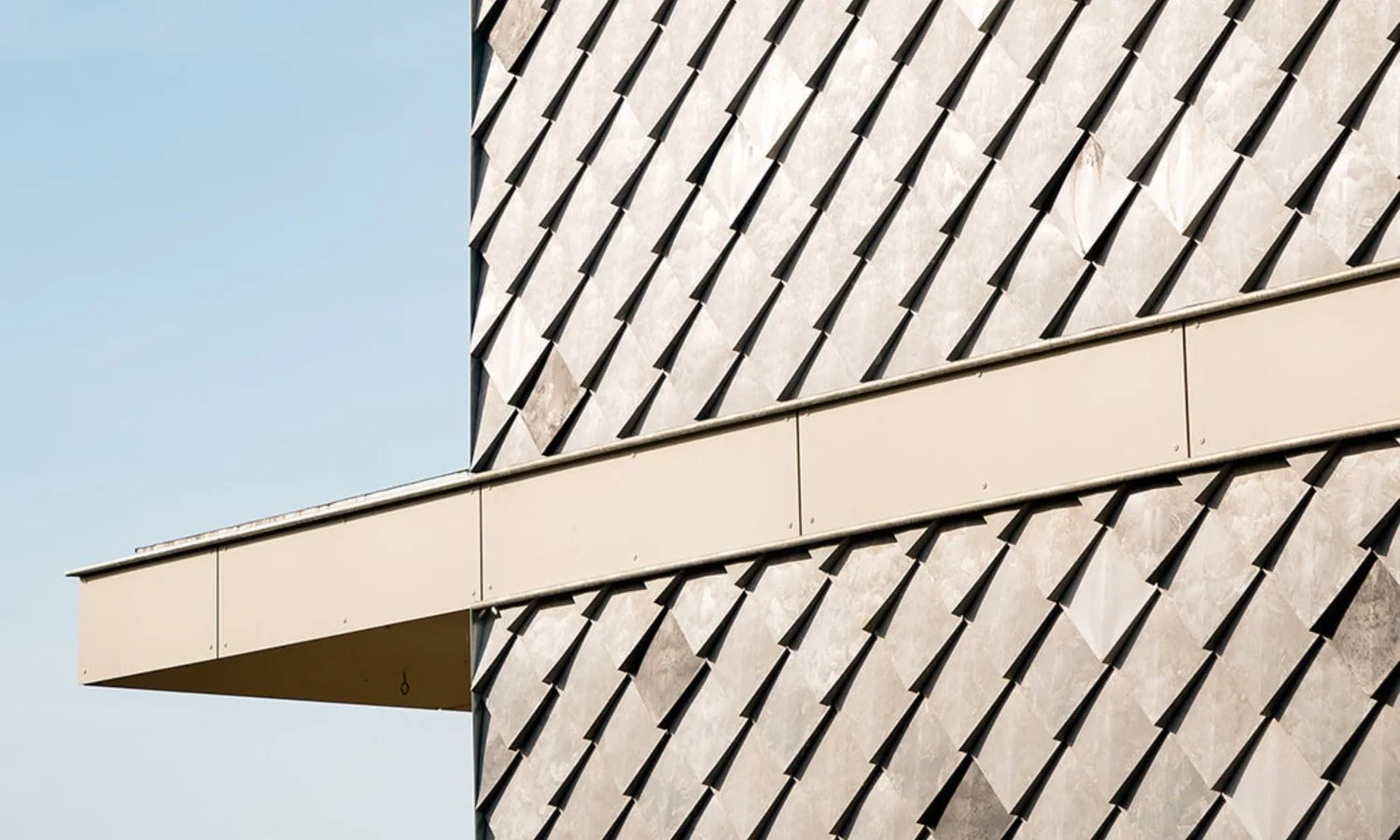
Pretty Plastic is a Dutch company founded by designers Reinder Bakker and Hester van Dijk from Overtreders W and architect Peter van Assche from Bureau SLA. The company was established with the mission to transform waste into valuable building materials, specifically focusing on creating sustainable facade cladding from recycled PVC. Pretty Plastic's current mission is to champion the circular economy by converting construction waste into beautiful, durable, and safe building products. Core values include sustainability, innovation, and responsibility, with a purpose to reduce waste and promote circularity in the construction industry.
Location
Headquarters: Amsterdam, Netherlands.
Primary manufacturing/operations locations: Various locations across the Netherlands.
Note: Strategic location in the Netherlands to optimize local sourcing, distribution, and collaboration with industry partners.
The Circular Vision
Core circular economy principles: Designing out waste, using recycled materials, and creating products that are fully recyclable.
Key innovations: Development of facade tiles made from 100% recycled PVC, innovative manufacturing processes, and the use of recycled aluminum for rear wall constructions.
Prioritization of local sourcing and closed-loop supply chains: Emphasis on using local materials and production to minimize environmental impact and support local economies.
Pioneering Solutions
Flagship products: Pretty Plastic facade tiles, including the First One, Second High, and Basic Third tiles.
Unique value propositions: High-quality, sustainable cladding solutions that prioritize circularity, material reuse, and environmental responsibility. Pretty Plastic's products are known for their unique aesthetics, durability, and ease of installation.
The Regenerative Future
R&D focus areas: Advancing recycling technologies, developing new sustainable materials, and optimizing circular design processes.
Ambitious goals: To lead the construction industry in sustainable practices, create zero-waste products, and inspire a shift towards a regenerative built environment.
Fact Sheet
Commercial Availability: Products available globally through direct sales and partnerships with distributors.
Environmental Product Declaration (EPD): Available for Pretty Plastic tiles, providing transparency on environmental impacts.
Circularity Rating: 5/5 (Designed for full circularity).
Key Certifications: Information not available.
Cost Rating: 4/5 (Competitive with conventional alternatives, with significant cost savings in sustainable materials).
Material Passport: Detailed material traceability and use of recycled PVC.
Designed for Disassembly: Yes, products are designed for easy disassembly and recycling.
Carbon Performance: Focus on reducing carbon footprint through sustainable materials and local production.
Key Takeaway
Pretty Plastic transforms construction waste into high-quality, sustainable facade cladding, setting a benchmark for circularity and environmental responsibility in the building industry.
Explore Further
Pretty Plastic website: https://www.prettyplastic.nl
Sustainability overview: https://www.prettyplastic.nl/about-us
Example product: Pretty Plastic facade tiles - https://www.prettyplastic.nl/products
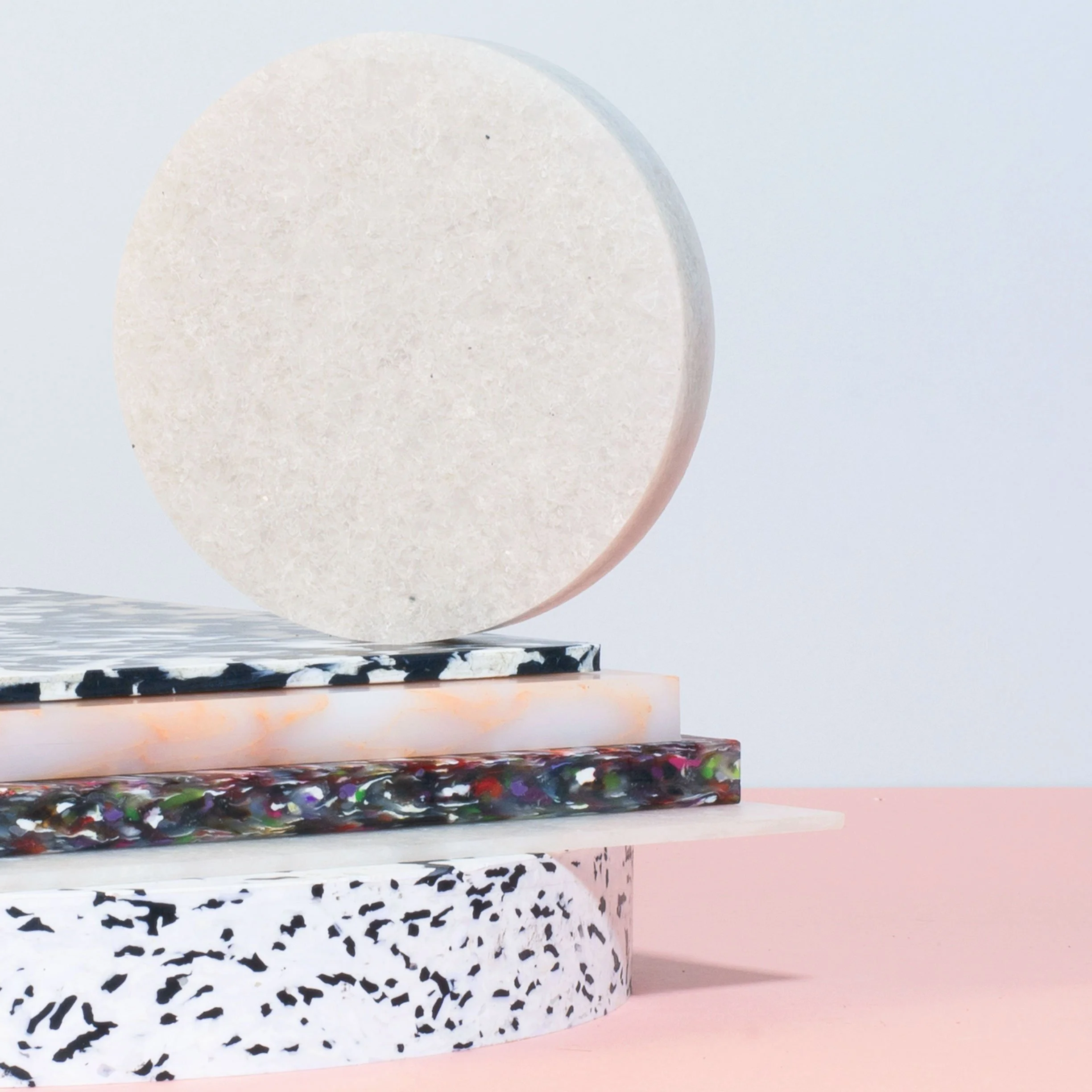
Smile Plastics was first established in the early 1990s by engineer Colin Williamson and designer Jane Atfield, creator of the recycled-plastic RCP2 Chair (now in the V&A's permanent collection). For almost two decades, the company led the way in showcasing the design potential of recycled plastic, until Colin's retirement in 2010. In 2015, the then-dormant brand was revived by Adam Fairweather and Rosalie McMillan, employing new processing techniques and low-energy manufacturing technology that enable rapid, high-volume production via a continuous, 24/7 batch process. Smile Plastics' mission is to rediscover the beauty and functionality hidden in materials traditionally classed as 'waste', working towards the circular economy by designing and making distinctive architectural panels and aesthetic surface products from pre- and post-consumer waste.
Location
Headquarters: Swansea, Wales, United Kingdom.
Primary manufacturing/operations locations: Factory on the southwest coast of Wales.
Note: Strategic location in Wales to maintain local talent, community, and supply chains while optimizing production capacity.
The Circular Vision
Core circular economy principles: Designing out waste, using recycled materials, and creating fully recyclable products.
Key innovations: Proprietary process to transform waste plastics into aesthetic, functional, and recyclable surfaces, selective blending of waste plastics to create distinctive patterns.
Prioritization of local sourcing and closed-loop supply chains: Sourcing waste materials from over 60 local businesses, community groups, and organizations around Swansea and beyond.
Pioneering Solutions
Flagship products: Recycled plastic panels and sheets for various applications like countertops, furniture, signage, and construction.
Unique value propositions: High-quality, sustainable materials made from waste plastics, unique surface patterns reflecting the materials' former lives, easy to work with and maintain.
The Regenerative Future
R&D focus areas: Advancing recycling technologies, developing new sustainable materials, and optimizing circular design processes.
Ambitious goals: To see an end to single-use plastic and the global adoption of a circular ecosystem where all existing plastic can be infinitely recycled.
Fact Sheet
Commercial Availability: Products available globally for architects, designers, and luxury brands.
Environmental Product Declaration (EPD): Available for high impact polystyrene and polyethylene terephthalate materials.
Circularity Rating: 5/5 (Designed for full circularity).
Key Certifications: ISO 14001, REACH compliance.
Cost Rating: 4/5 (Competitive with conventional alternatives, with significant cost savings in sustainable materials).
Material Passport: Detailed material traceability and use of recycled plastics.
Designed for Disassembly: Yes, products are designed for easy disassembly and recycling.
Carbon Performance: Focus on reducing carbon footprint through low-energy manufacturing and local production.
Key Takeaway
Smile Plastics is a pioneering company that transforms waste plastics into high-quality, sustainable surfaces, setting a benchmark for circularity and environmental responsibility in the design and construction industries.
Explore Further
Smile Plastics website: https://www.smile-plastics.com
Sustainability overview: https://smile-plastics.com/sustainability/
Example products: https://smile-plastics.com/materials

ecoBirdy is a Belgian design brand founded by Vanessa Yuan and Joris Vanbriel in 2018. The studio was established with the mission to transform discarded plastic toys into beautiful, sustainable furniture. ecoBirdy's current approach focuses on integrating circular economy principles into their design process, creating high-quality, long-lasting pieces from recycled materials. Core values include sustainability, innovation, and social responsibility, with a purpose to redefine the relationship between design, materials, and the environment.
Location
Headquarters: Antwerp, Belgium.
Primary manufacturing/operations locations: Italy and Belgium.
The Circular Vision
Core circular economy principles: Designing out waste, using recycled materials, and creating products that promote environmental awareness and sustainable practices.
Key innovations: Development of ecothylene®, a recycled and recyclable plastic material made from discarded plastic toys. The studio has also created a patented upcycling process to transform plastic waste into design furniture.
Prioritization of local sourcing and closed-loop supply chains: Emphasis on using locally sourced waste materials and sustainable production methods to minimize environmental impact and support local economies.
Pioneering Solutions
Flagship projects: ecoBirdy's portfolio includes innovative projects such as the Charlie Chair, Luisa Table, Rhino Lamp, and Kiwi Container, all made from recycled plastic toys. The studio also offers an educational program and a children's book, "Journey to a New Life," to introduce youngsters to the circular economy.
The Regenerative Future
R&D focus areas: Advancing sustainable material development techniques, exploring new applications for recycled plastics, and developing solutions that further reduce waste and energy consumption in design and production processes.
Ambitious goals: To lead the design industry in sustainable practices, create zero-waste products, and inspire a shift towards a regenerative approach to design and material usage.
Fact Sheet
Commercial Availability: Design pieces and educational materials available through galleries, exhibitions, and direct sales from their website.
Environmental Product Declaration (EPD): Information not available.
Circularity Rating: 5/5 (Strong focus on integrating circular economy principles and waste reduction in design).
Key Certifications: B Corp certified since 2019; multiple international design awards including the German Design Award and Good Design Award.
Cost Rating: High-end pricing for collectible design pieces.
Material Passport: Detailed use of recycled plastic materials in projects, with emphasis on their environmental and ethical significance.
Designed for Disassembly: Yes, many products focus on recyclability and material reuse.
Carbon Performance: Focus on reducing carbon footprint through the use of recycled materials and local production. Specific carbon metrics not provided.
Key Takeaway
ecoBirdy transforms the design industry through innovative use of recycled plastic toys, setting a benchmark for environmental responsibility and material innovation in contemporary design.
Explore Further
ecoBirdy website: https://www.ecobirdy.com
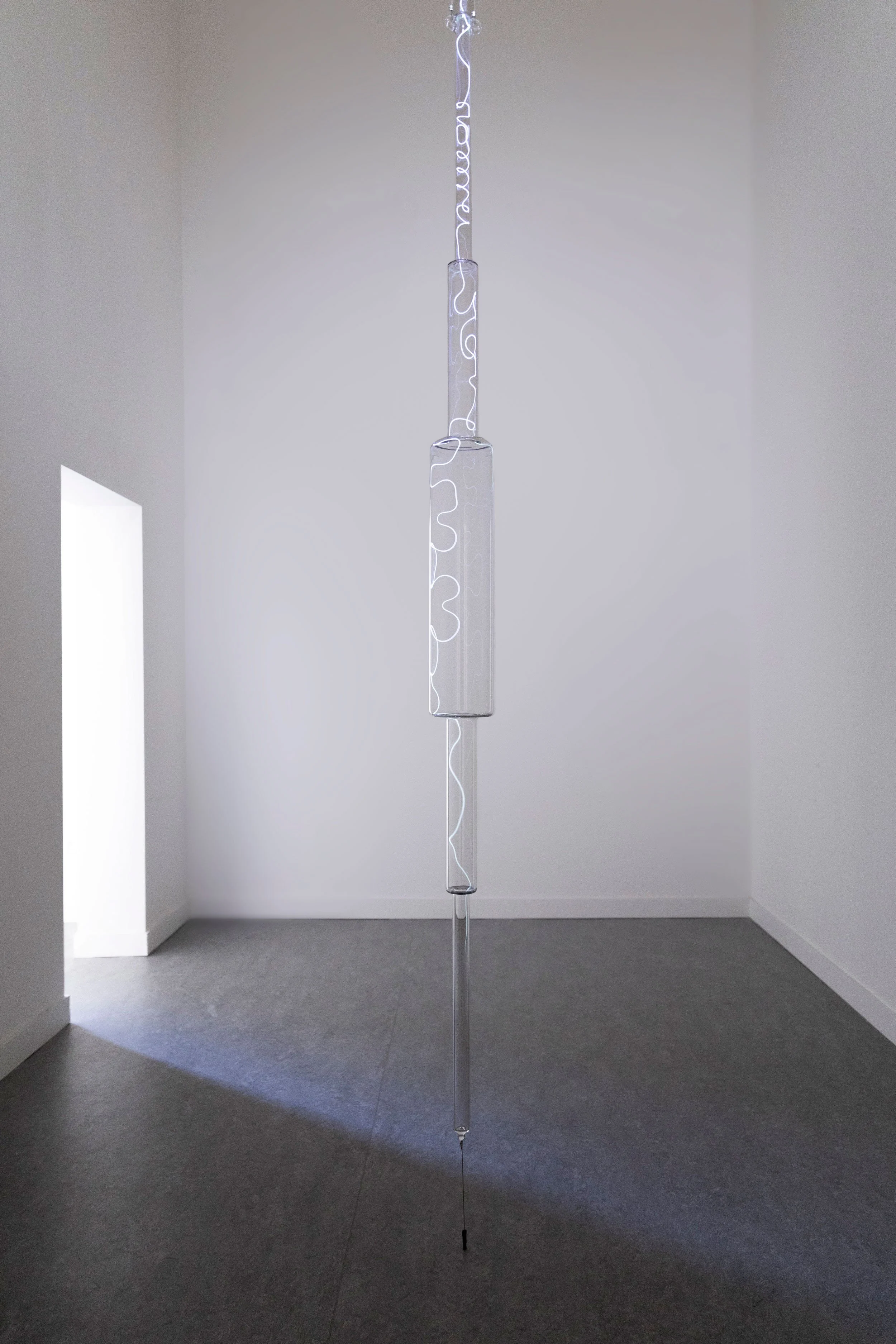
Studio Plastique is a research-based design studio founded by Theresa Bastek and Archibald Godts in 2017. Based in Brussels, Belgium, the studio was established with the mission to design sustainable and empathic processes, materials, products, and environments through interdisciplinary collaborations. Studio Plastique's current mission focuses on addressing significant contemporary issues such as waste and consumption behaviors by transforming waste materials into valuable resources. Core values include sustainability, innovation, and empathy, with a purpose to redefine the relationship between design, materials, and the environment.
Location
Headquarters: Brussels, Belgium.
Primary manufacturing/operations locations: Various global locations for projects and collaborations.
The Circular Vision
Core circular economy principles: Designing out waste, using recycled and sustainable materials, and creating products that promote environmental awareness and sustainable practices.
Key innovations: Development of projects like "Common Sands," which transforms e-waste glass into architectural tiles, and "Linen Lab," which explores innovative applications for flax and linseed byproducts.
Prioritization of local sourcing and closed-loop supply chains: Emphasis on using locally sourced waste materials and sustainable production methods to minimize environmental impact and support local economies.
Pioneering Solutions
Flagship projects: "Common Sands" (transforming e-waste glass into architectural tiles), "Linen Lab" (innovative applications for flax and linseed byproducts), and "+52" (a step stool made from underutilized wood types).
Unique value propositions: High-quality, innovative design solutions that prioritize circularity, material reuse, and environmental responsibility. Studio Plastique's work is known for its ability to transform waste materials into desirable, functional products.
The Regenerative Future
R&D focus areas: Advancing material innovation techniques, exploring new applications for waste materials, and developing solutions that further reduce waste and energy consumption in design and production processes.
Ambitious goals: To lead the design industry in sustainable practices, create zero-waste products and installations, and inspire a shift towards a regenerative approach to design and environmental stewardship.
Fact Sheet
Commercial Availability: Design services and products available through direct collaborations, exhibitions, and partnerships with industry.
Circularity Rating: 5/5 (Strong focus on integrating circular economy principles in design and production).
Key Certifications: Winner of the Dezeen Award for Sustainable Design, Wallpaper Design Award for Best Domestic Design.
Cost Rating: 4/5 (Competitive with high-end design services, with significant value in sustainability and innovation).
Material Passport: Detailed material traceability and use of recycled and sustainable materials.
Designed for Disassembly: Yes, products and installations are designed for easy disassembly and recycling.
Carbon Performance: Focus on reducing carbon footprint through the use of recycled materials and local production. Committed to minimizing environmental impact through efficient design and manufacturing processes.
Key Takeaway
Studio Plastique transforms the design industry through innovative, sustainable solutions that prioritize circular economy principles, setting a benchmark for environmental responsibility and material innovation in contemporary design.
Explore Further
Studio Plastique website: https://www.studioplastique.com
Example project: Common Sands
Dorian Renard is a French designer based in Marseille, France. He established his practice with the mission to explore the potential of materials, particularly plastic, through innovative techniques. Renard's current approach focuses on revaluing plastic by applying traditional glassblowing techniques to create unique furniture and sculptural pieces. Core values include sustainability, material innovation, and craftsmanship, with a purpose to redefine the relationship between design, materials, and the environment.
Location
Headquarters: Marseille, France.
Primary manufacturing/operations locations: Various locations based on project requirements and collaborations.
The Circular Vision
Core circular economy principles: Designing out waste, using recycled and sustainable materials, and creating products that promote environmental awareness and sustainable practices.
Key innovations: Development of techniques to blow plastic like glass, transforming discarded plastic into high-value design objects. This approach reconsiders the value of plastic and promotes its reuse in innovative ways.
Prioritization of local sourcing and closed-loop supply chains: Emphasis on using recycled plastic materials and sustainable production methods to minimize environmental impact and support local economies.
Pioneering Solutions
Flagship projects: Renard's portfolio includes innovative projects such as the "Beauty of Distortion" series, which applies glassblowing techniques to plastic to create furniture and sculptural pieces. This series challenges perceptions of plastic and highlights its potential as a valuable material.
The Regenerative Future
R&D focus areas: Advancing techniques for transforming plastic waste into high-value design objects, exploring new applications for recycled plastics, and developing solutions that further reduce waste and energy consumption in design and production processes.
Ambitious goals: To lead the design industry in sustainable practices, create zero-waste products, and inspire a shift towards a regenerative approach to material design and usage.
Fact Sheet
Commercial Availability: Design pieces and services available through galleries, exhibitions, and direct commissions.
Circularity Rating: 5/5 (Strong focus on integrating circular economy principles and waste reduction in design).
Cost Rating: High-end pricing for collectible design pieces.
Material Passport: Detailed use of recycled plastic materials in projects, with emphasis on their environmental and ethical significance.
Designed for Disassembly: Information not explicitly provided, but the focus on material reuse suggests potential for recyclability.
Carbon Performance: Focus on reducing carbon footprint through the use of recycled materials and innovative production techniques. Specific carbon metrics not provided.
Key Takeaway
Dorian Renard transforms the design industry through innovative use of recycled plastic, setting a benchmark for environmental responsibility and material innovation in contemporary design.
Explore Further
Dorian Renard website: https://dorianrenard.com