
TAKE URGENT
ACTION NOW

UN SUSTAINABLE
DEVELOPMENT GOALS
The Sustainable Development Goals are a collection of 17 interlinked global goals designed to be a "blueprint to achieve a better and more sustainable future for all". The SDGs were set up in 2015 by the United Nations and are intended to be achieved by the year 2030.
SDG01.
NO POVERTY
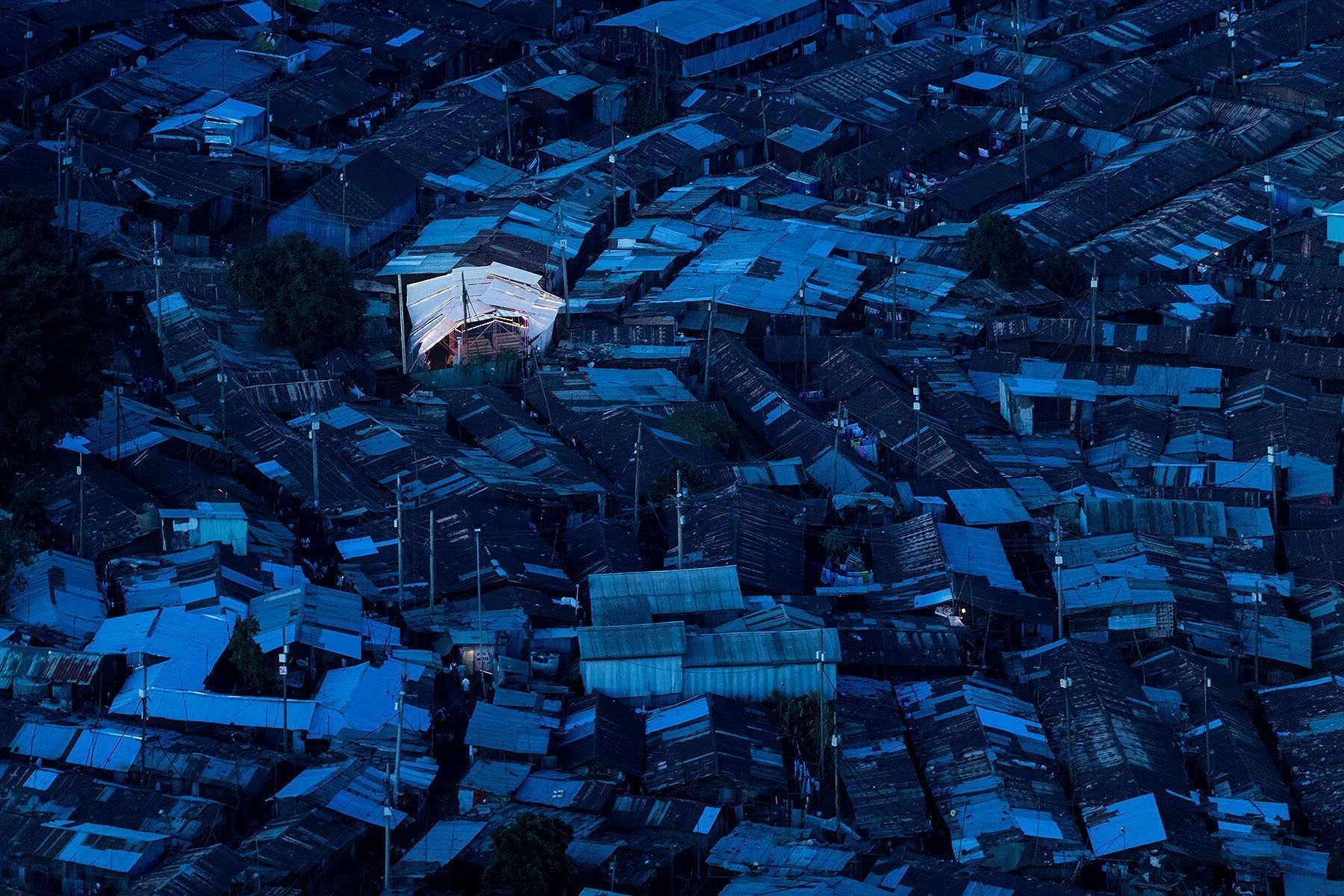
Economic growth must be inclusive to provide sustainable jobs and promote equality - 736 million people still live in extreme poverty.
SDG02.
ZERO HUNGER
The food and agriculture sector offers key solutions for development, and is central for hunger and poverty eradication - 821 million undernourished people reached in 2017.

Ensuring healthy lives and promoting the well-being for all at all ages is essential to sustainable development - at least 400 million people have no basic healthcare, and 40 percent lack social protection.
SDG03.
GOOD HEALTH AND WELL-BEING
SDG04.
QUALITY EDUCATION
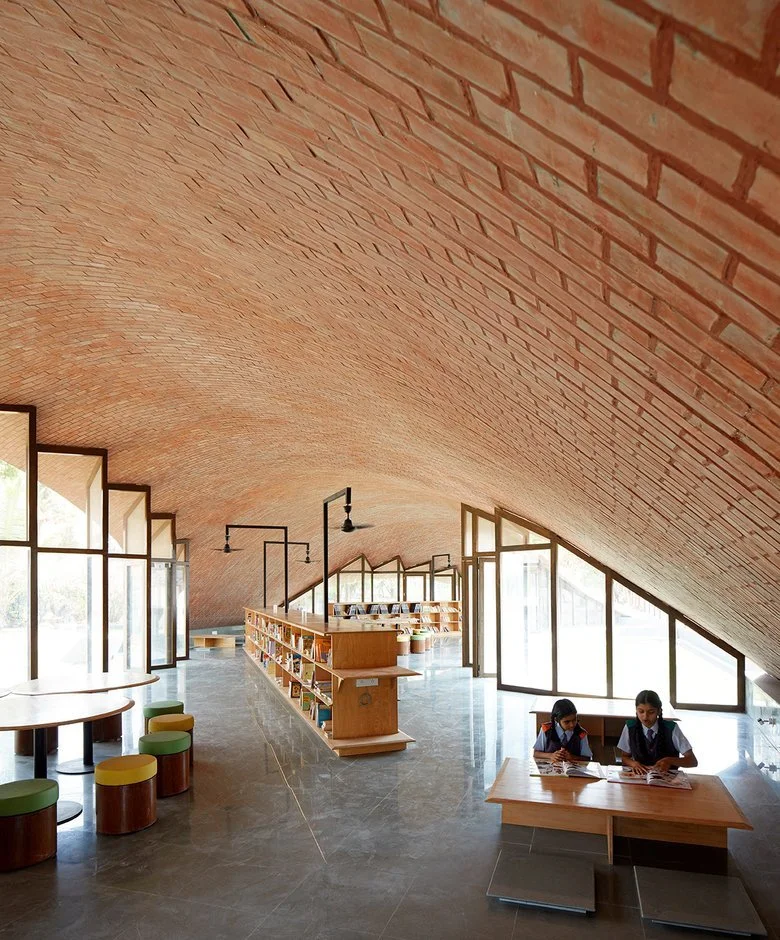
Obtaining a quality education is the foundation to improving people’s lives and sustainable development - 57 million primary aged children remain out of school, more than half of them in sub-Saharan Africa.
SDG05.
GENDER EQUALITY
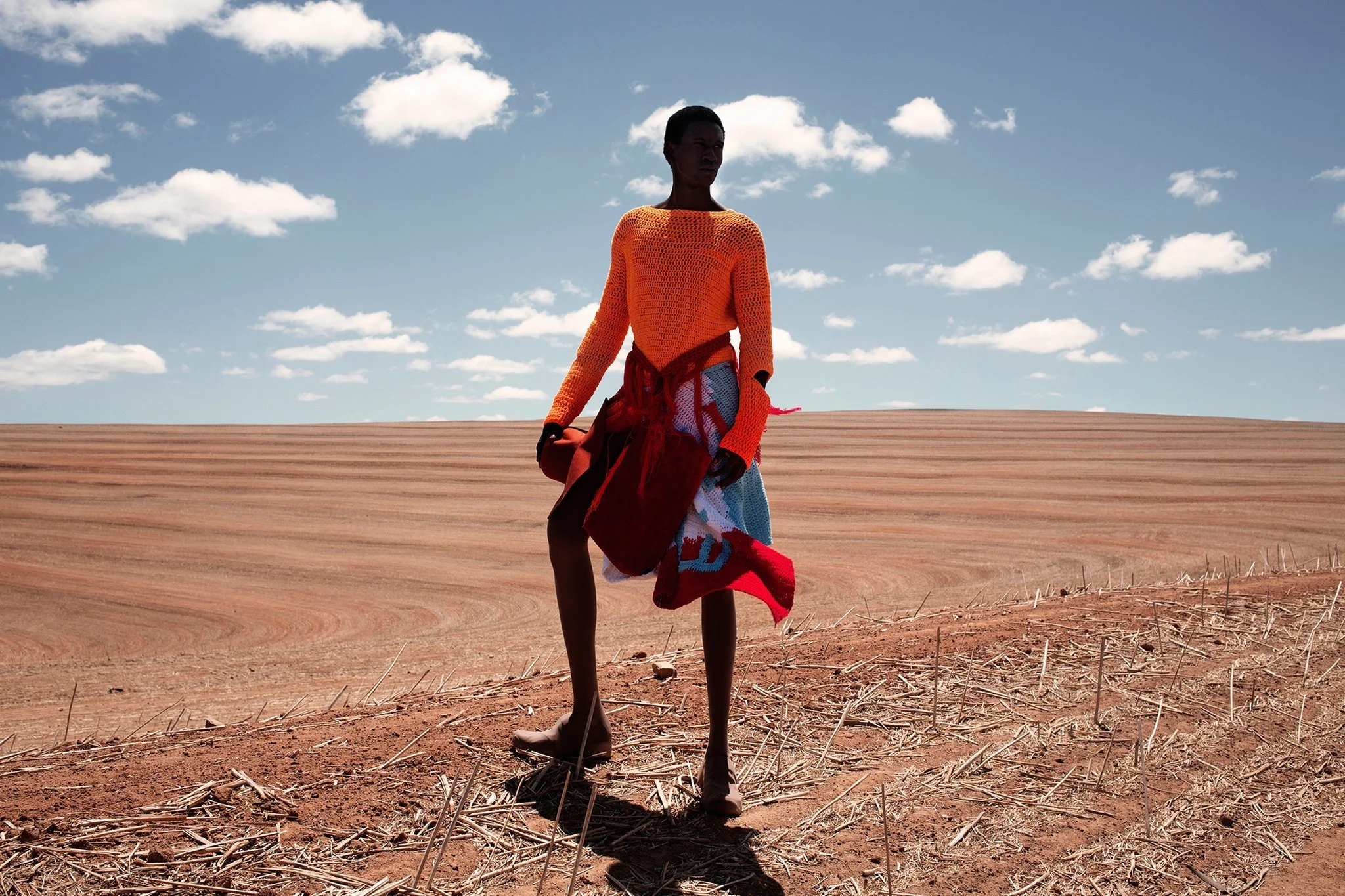
Gender equality is not only a fundamental human right, but a necessary foundation for a peaceful, prosperous and sustainable world - women earn only 77 cents for every dollar that men get for the same work.
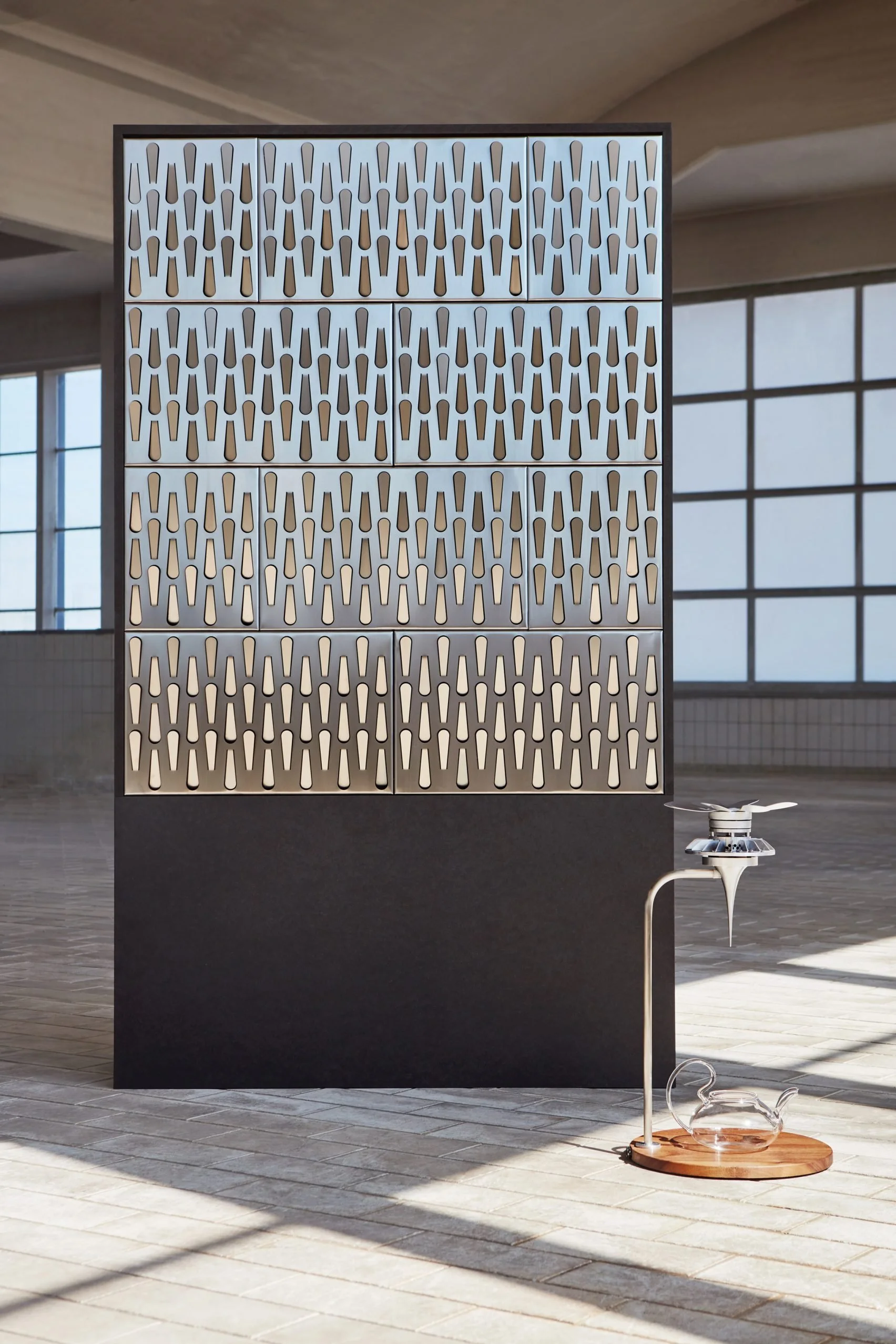
Clean, accessible water for all is an essential part of the world we want to live in - 71 percent of the global population, 5.2 billion people, had safely managed drinking water in 2015, but 844 million people still lacked even basic drinking water.
SDG06.
CLEAN WATER AND SANITATION
SDG07.
AFFORDABLE AND CLEAN ENERGY
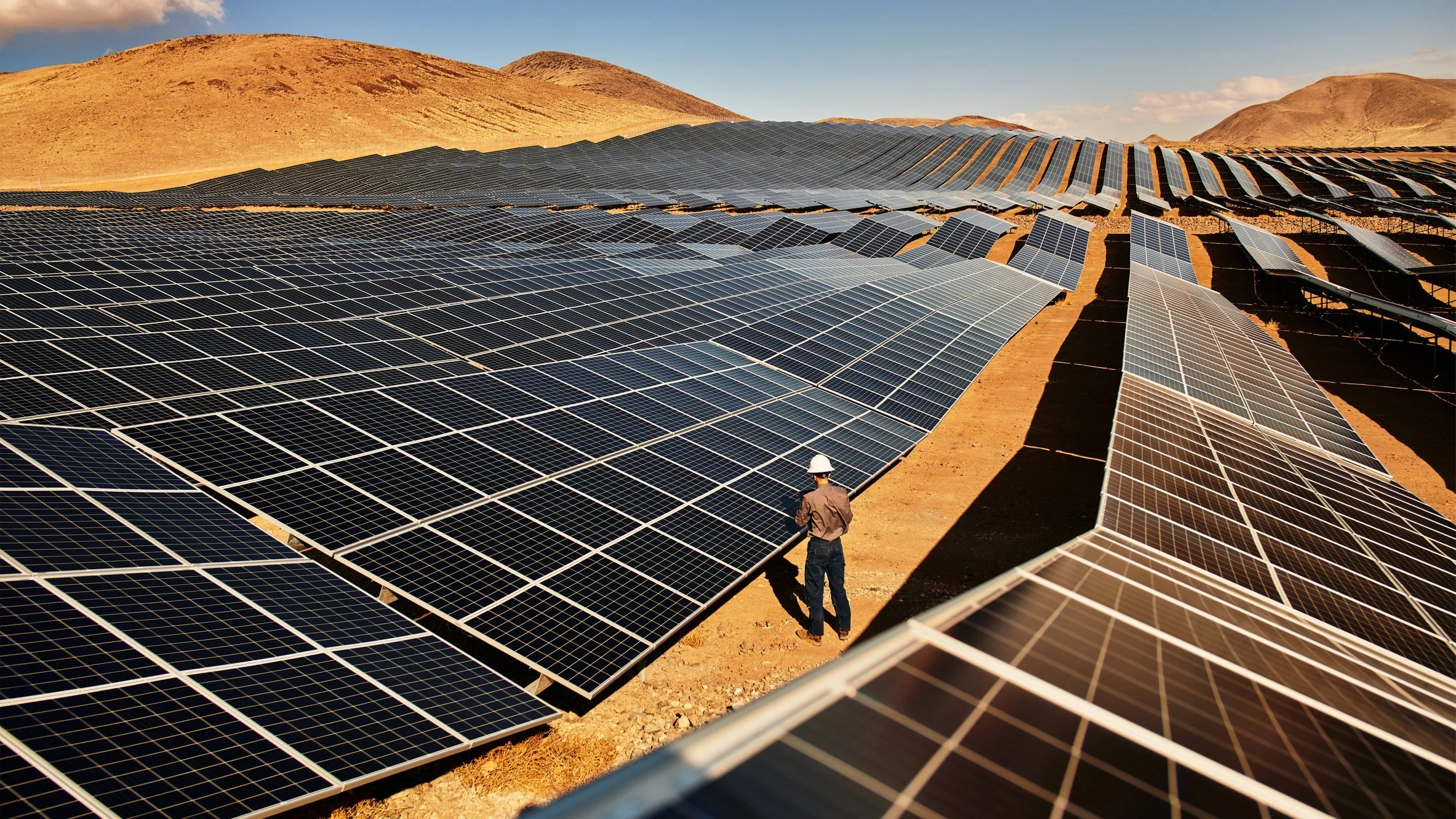
Energy is central to nearly every major challenge and opportunity - one out of 10 people still lacks electricity, and most live in rural areas of the developing world. More than half are in sub-Saharan Africa.

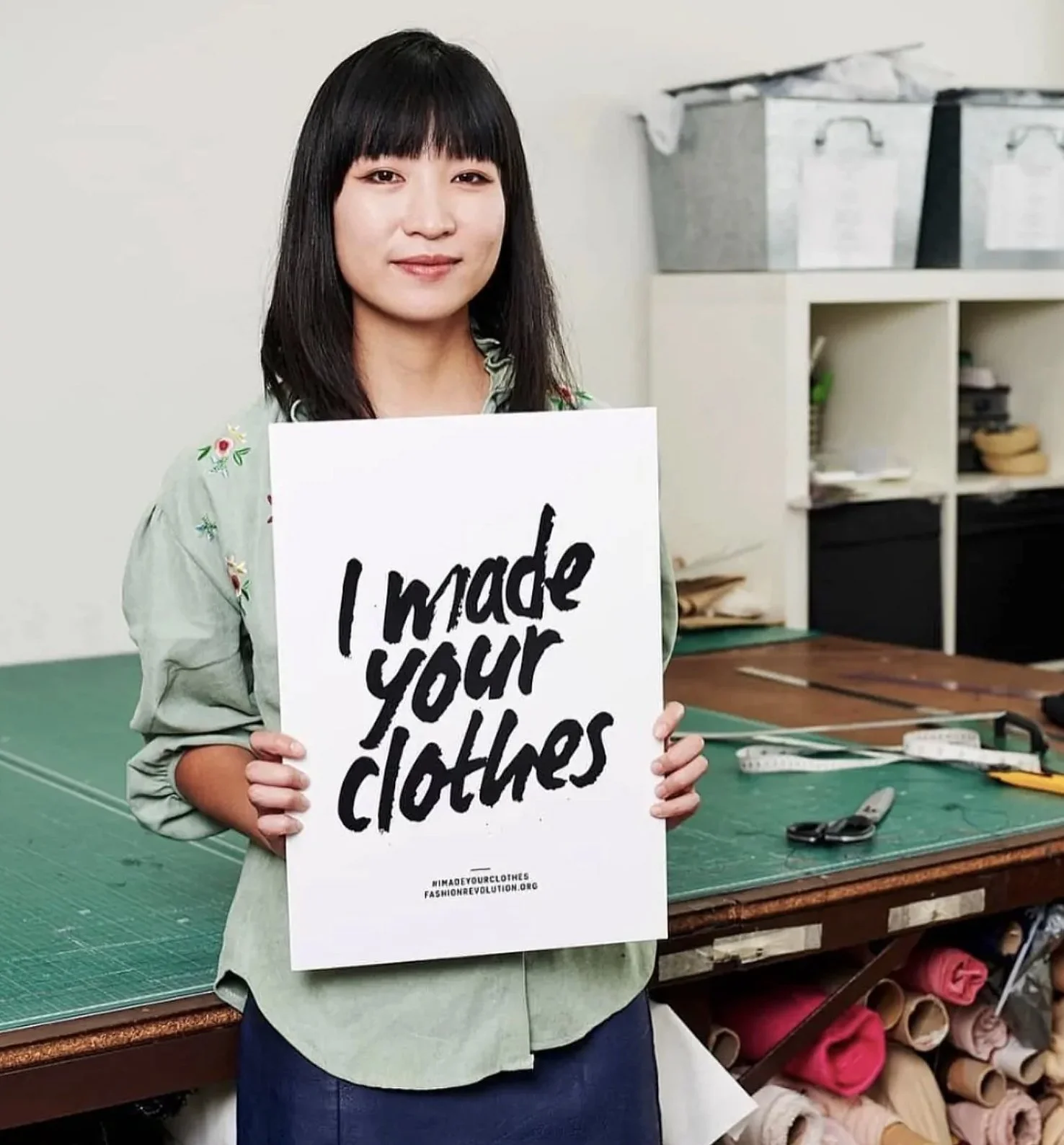
Sustainable economic growth will require societies to create the conditions that allow people to have quality jobs - an estimated 172 million people worldwide were without work in 2018 an unemployment rate of 5 per cent
SDG08.
DECENT WORK AND ECONOMIC GROWTH
SDG09:
INDUSTRY, INNOVATION, AND INFRASTRUCTURE
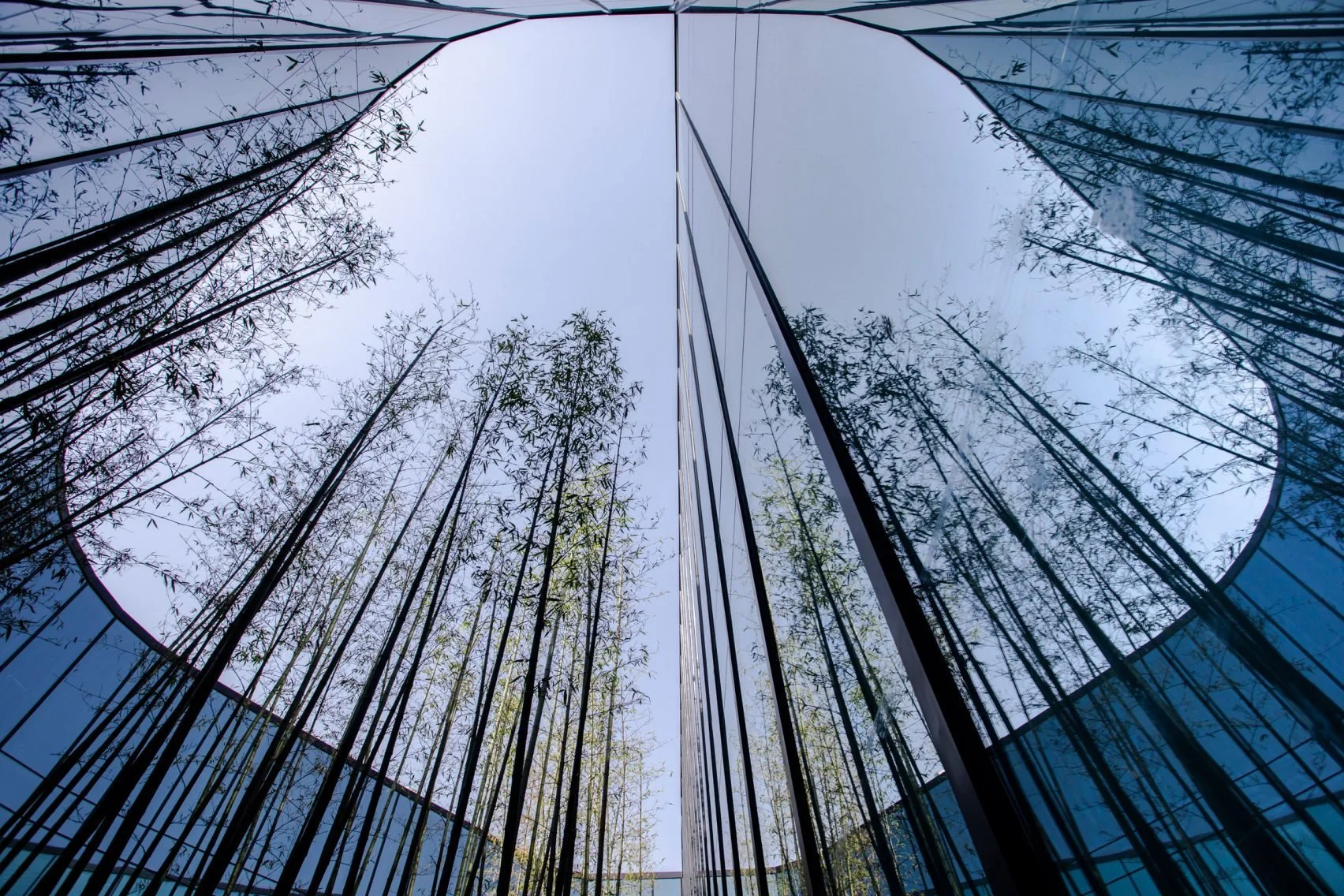
Investments in infrastructure are crucial to achieving sustainable development - worldwide, 2.3 billion people lack access to basic sanitation.
SDG10.
REDUCED INEQUALITIES
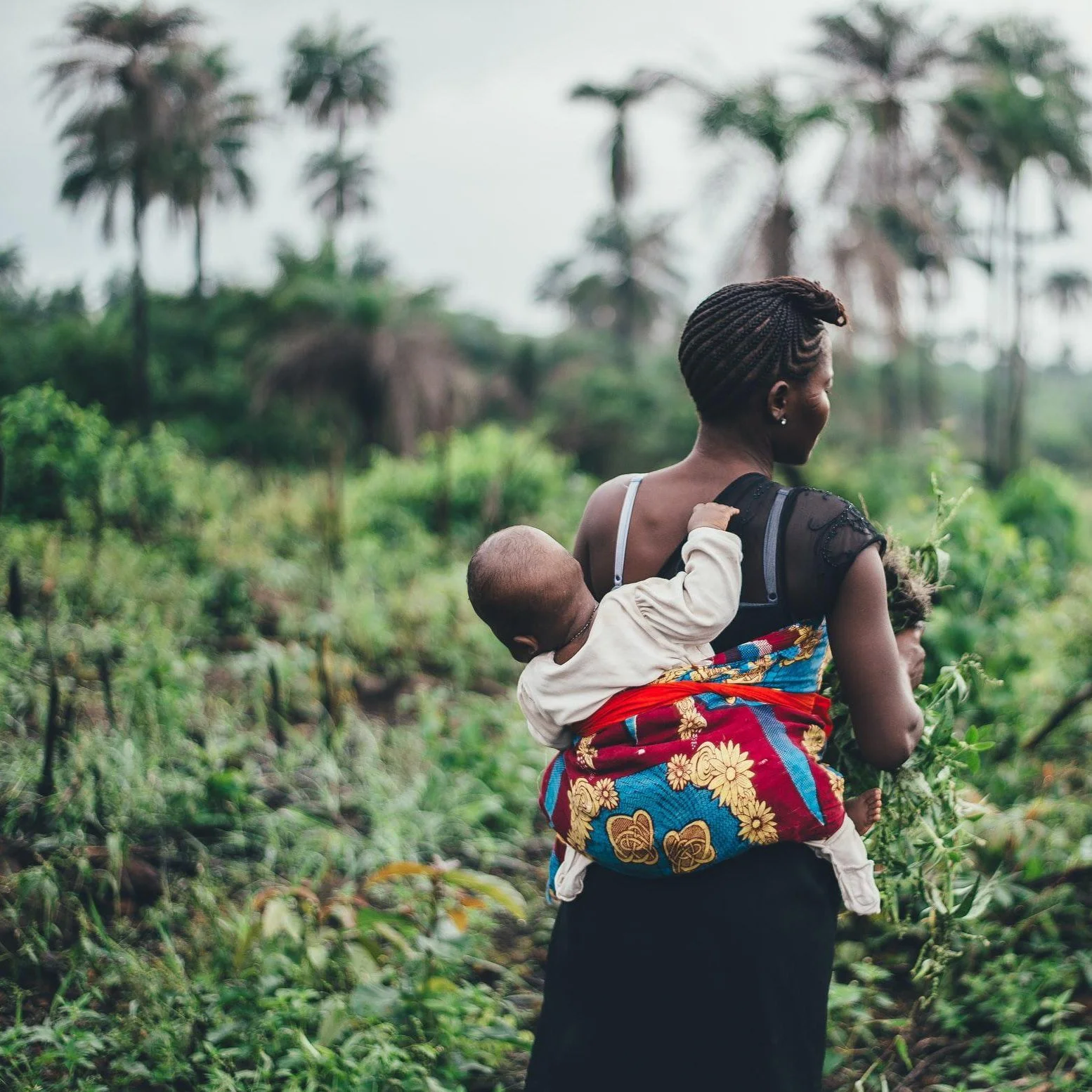
To reduce inequalities, policies should be universal in principle, paying attention to the needs of disadvantaged and marginalized populations - in 2016, 22 percent o global income was received by the top 1 percent compared with 10 percent of income for the bottom 50 percent.
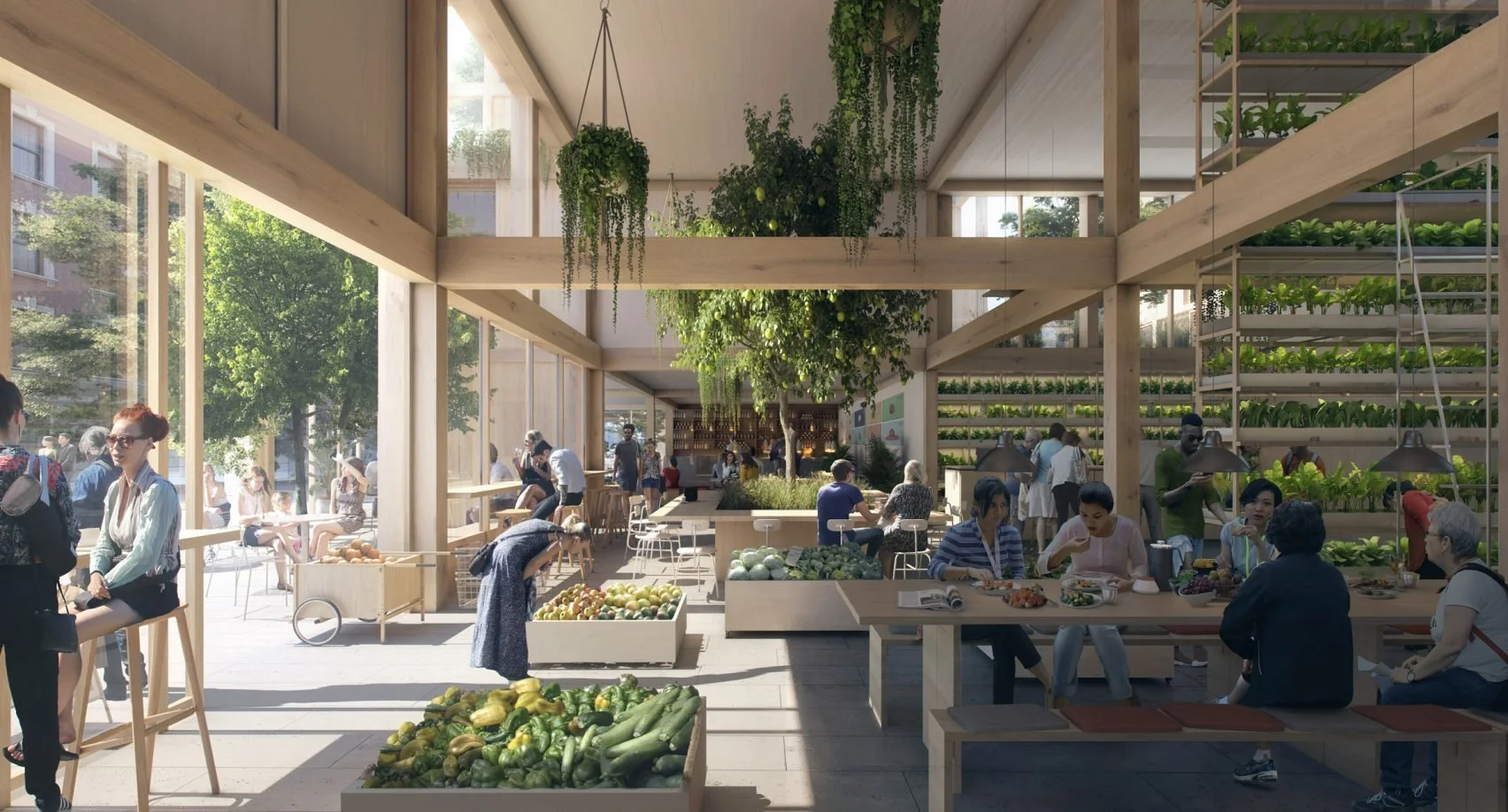
There needs to be a future in which cities provide opportunities for all, with access to basic services, energy, housing, transportation and more - cities occupy just 3 percent of Earth’s land but account for 60 to 80 percent of energy consumption and at least 70 percent of carbon emissions..
SDG11.
SUSTAINABLE CITIES AND COMMUNITIES

SDG12.
RESPONSIBLE CONSUMPTION AND PRODUCTION
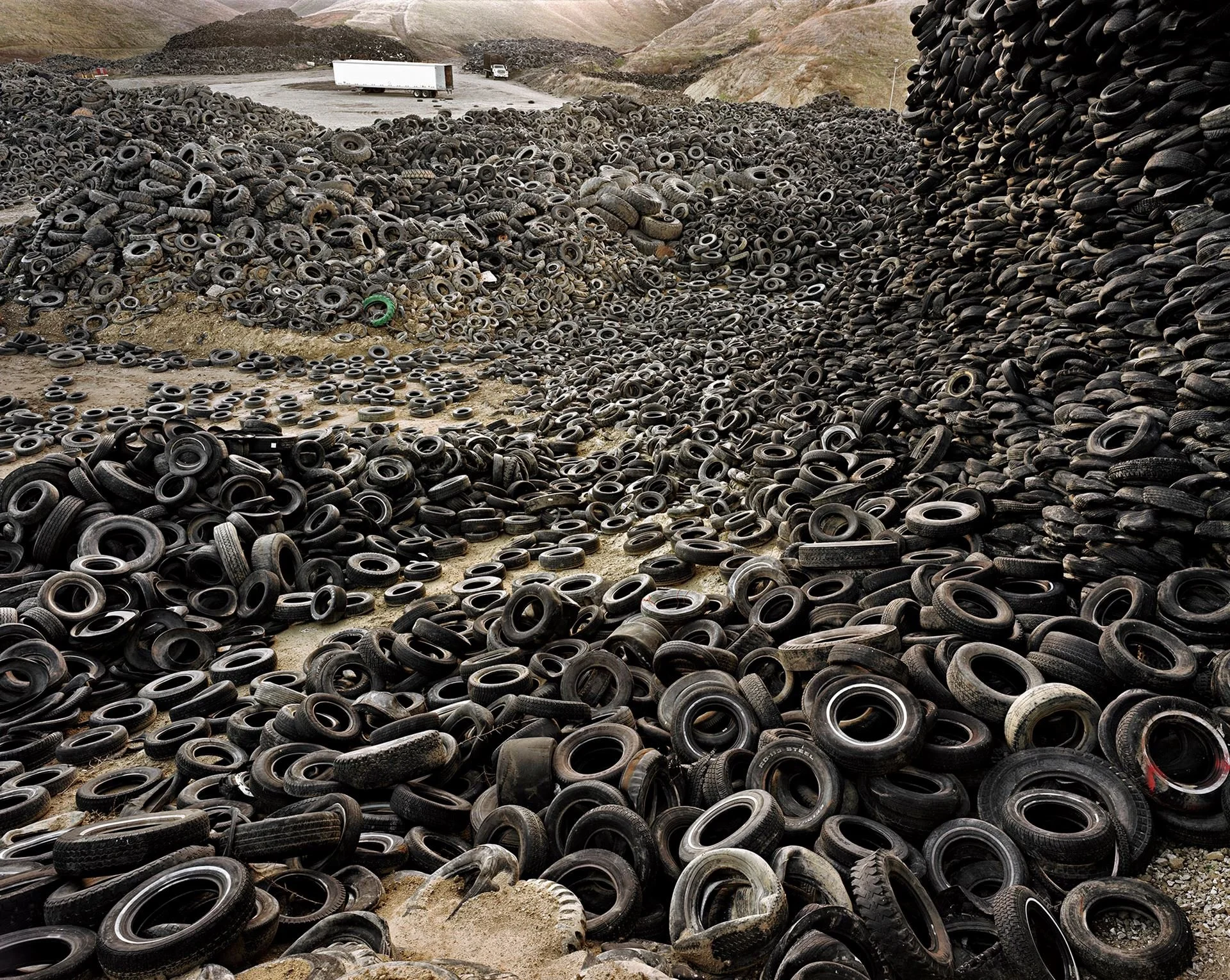
Worldwide consumption and production, a driving force of the global economy, rest on the use of the natural environment and resources in a way that continues to have destructive impacts on the planet - 1.3 billion tonnes of food is wasted every year, while almost 2 billion people go hungry or undernourished.
SDG13.
CLIMATE ACTION
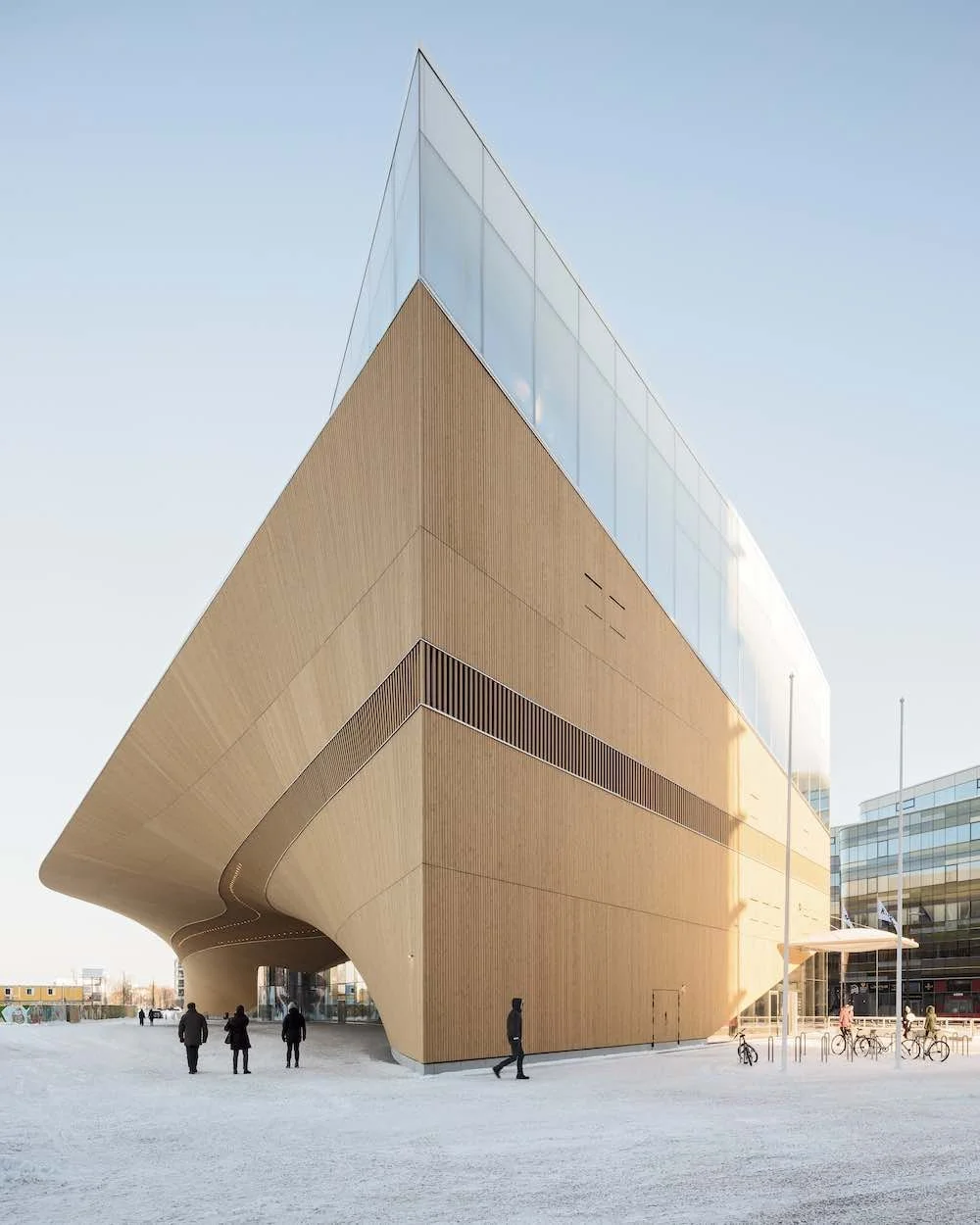
Climate change is a global challenge that affects everyone, everywhere - as of 2017 humans are estimated to have caused approximately 1.0C of global warming above pre industrial levels - to limit warming to 1.5C, global net CO2 emissions must drop by 45% between 2010 and 2030, and reach net zero around 2050.

SDG14.
LIFE BELOW WATER
Careful management of this essential global resource is a key feature of a sustainable future - the ocean covers three quarters of the Earth’s surface and represents 99 percent of the living space on the planet by volume..
SDG15.
LIFE ON LAND
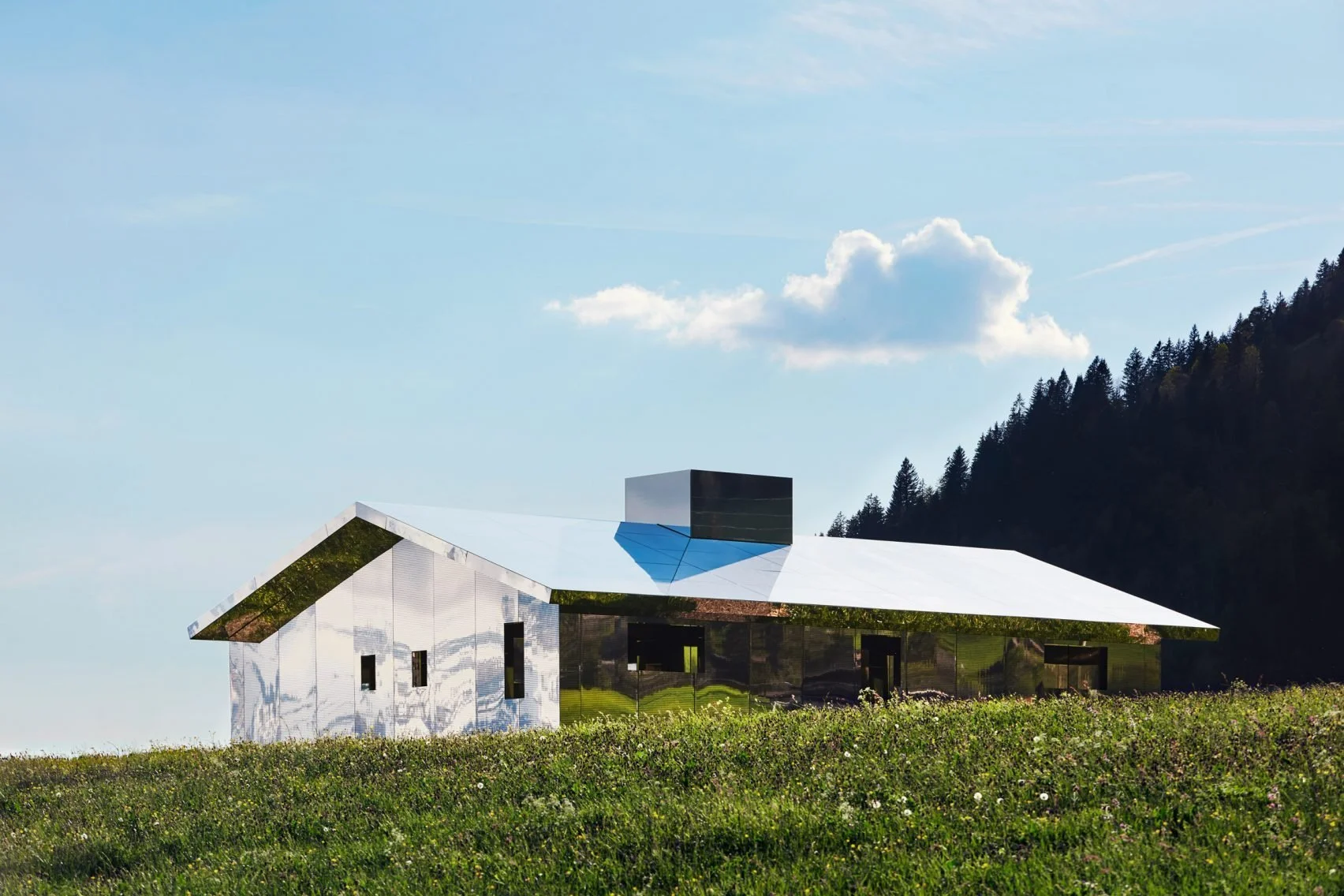
Sustainably manage forests, combat desertification, halt and reverse land degradation, halt biodiversity loss - around 1.6 billion people depend on forests for their livelihoods.
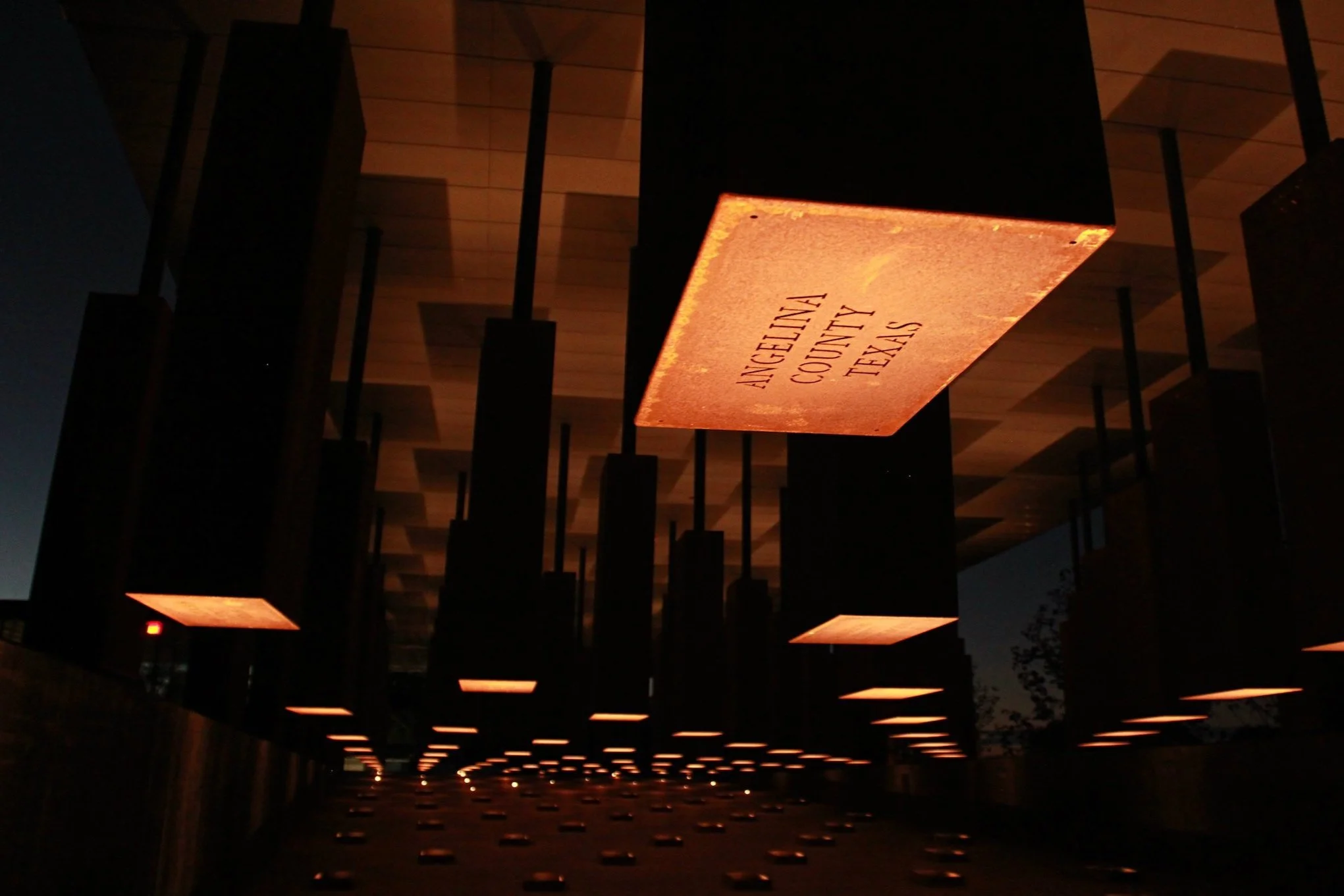
Access to justice for all, and building effective, accountable institutions at all levels - by the end of 2017, 68.5 million people had been forcibly displaced as a result of persecution, conflict, violence or human rights violations.
SDG16. PEACE, JUSTICE AND STRONG INSTITUTIONS

SDG17.
PARTNERSHIPS
Revitalize the global partnership for sustainable development - the UN conference on Trade and Development (UNCTAD) says achieving SDG’s will require US$5 trillion to $7 trillion in annual investment.

Circular design is designing of a cycle in which resources are continuously cycled in various forms, following a reuse and recycle loop. These resources therefore do not go to waste. Waste indeed is waste if you call it that – because someone’s waste might be someone else’s treasure.
CIRCULAR DESIGN

CIRCULAR ECONOMY 9R's
Circular Economy aims to keep products, components, and materials at their highest utility and value, at all times. The way to do this is to focus on the principals of the model, commonly known as the “9 R’s” of circular economy.
Rethink/ Reduce/ Re-use/ Repair/ Refurbish/ Remanufacture/ Repurpose/ Recycle/ Recover

CE01.
RE-THINK
Re-thinking business models and solutions at every level to be mindful of resource use and waste production. The sharing economy is proof that ownership of material is dropping, making for fewer materials used. Businesses like IKEA are already looking into renting business models.
At home: Rethink your consumption and evaluate if you really need that purchase — Refusing to consume what you don’t need to.

CE02.
REDUCE
Reduce consumption of energy and materials by applying lean design principles and producing products that are made to last.
At home: Reduce your consumption of energy by switching to low-consumption appliances, turning off unused appliances, and reducing your consumption to a “need only” basis. Invest in quality clothing, with ethically sourced materials, that will last you longer.

CE03.
RE-USE
Creative reuse, also known as upcycling, is the process of transforming by-products, waste materials, useless, or unwanted products into new materials or products of better quality and environmental value.
At home: Sell the products you no longer use to other users and consider purchasing second-hand instead of brand new. Find new uses for products (old bottles can be used as flower vases!).

CE04.
REPAIR
Repair components and parts so that products can be used longer by the user. With the slow-down of throw-away consumption, consumers will be thinking about purchasing products that last and the “repair” business will get a boost.
At home: Consider repairing small appliances, like toasters, instead of purchasing new ones when the old ones fail. Invest in quality clothing and take pieces to mended if needed.
CE05.
REFURBISH
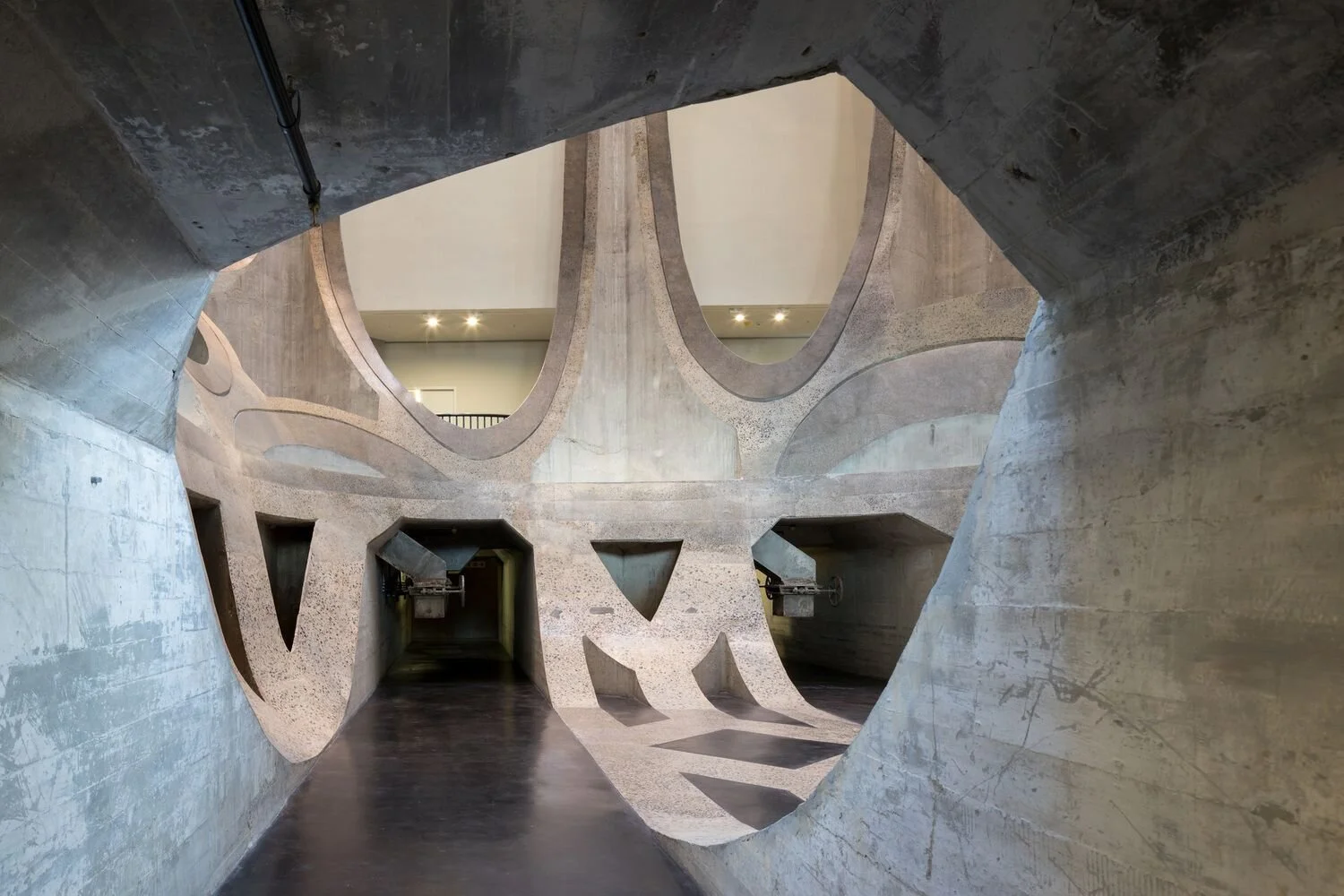
To achieve circular economy, businesses can look into recovering and refurbishing old products/ buildings to be sold/ rented again or transformed into new offers.
At home: Upcycle old products by giving them new life: recover old furniture and give it a new life with new paint, re-use old pieces of clothing by sewing a transforming them into updated models.
CE06.
REMANUFACTURE
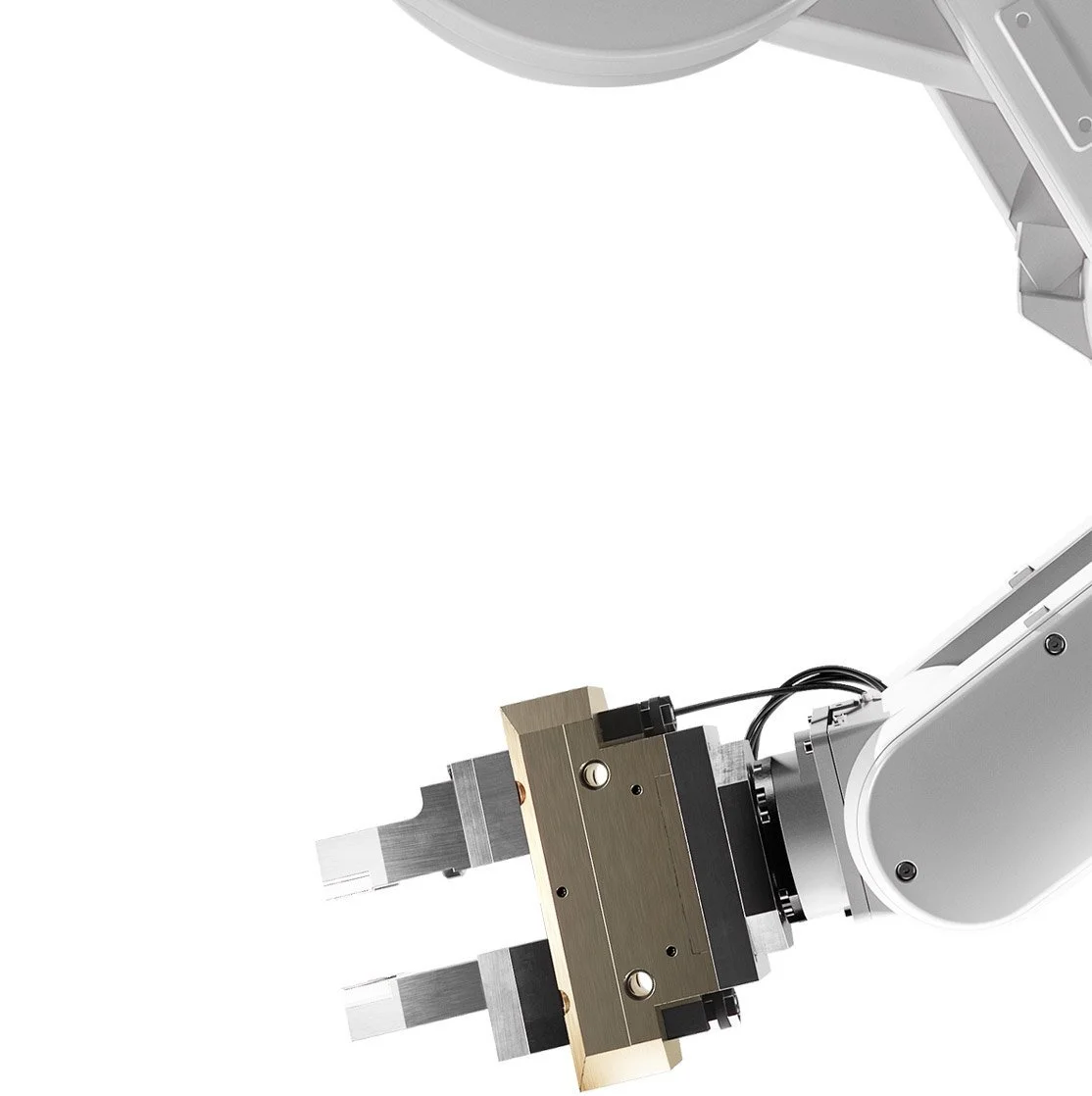
Remanufacturing is the process of recovering, disassembling, repairing and sanitizing components for resale at “new product” performance, quality and specifications. By remanufacturing products, components or parts, a company contributes to the circular economy by extending the lifetime of those elements and creating value.
CE07.
REPURPOSE
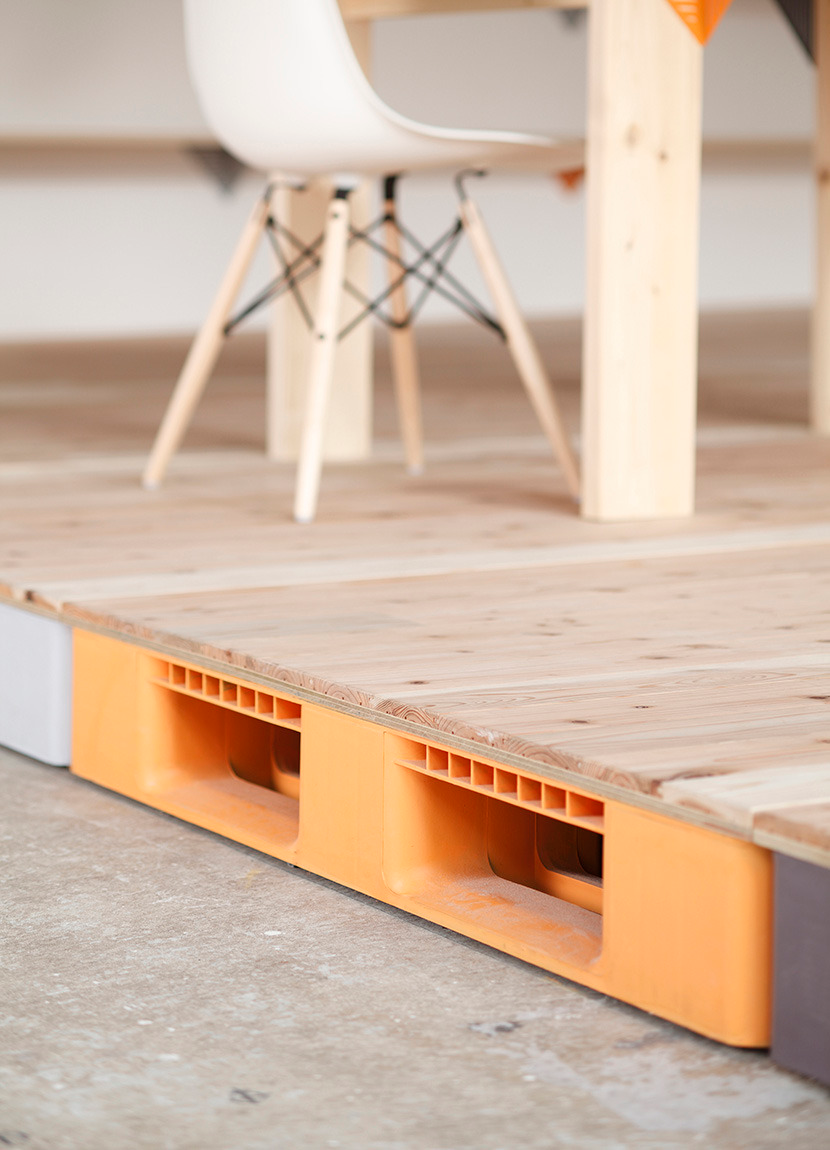
Repurposing is the creative process of adapting existing products, materials or components for a new use beyond their original purpose. By finding alternative functions for these items, a company reduces waste, conserves resources and extends material value. Repurposing encourages innovation and supports the circular economy by giving discarded or surplus assets a renewed life.

CE08.
RECYCLE
Recycle materials or resources by disassembling components and separating parts. Recyclable materials include many kinds of glass, paper, cardboard, metal, plastic, tires, textiles, batteries, and electronics. The composting or other reuse of biodegradable waste such as food or garden waste is also a form of recycling.
At home: Separate and recycle!
CE09.
RECOVER
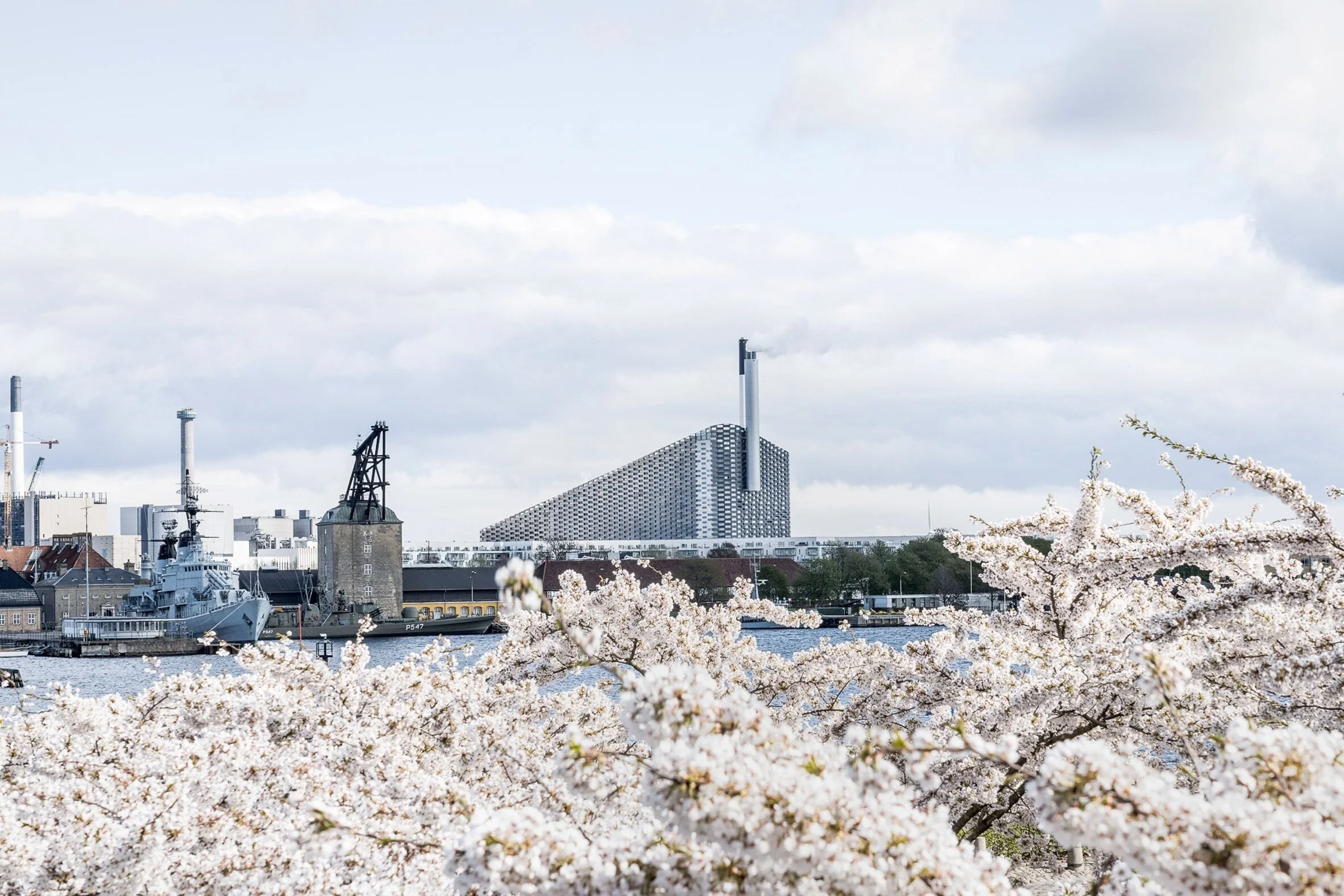
Recover embedded energy from non-recyclable waste material where feasible. Non-recyclable waste may at least be converted into energy through waste-to-energy processes such as combustion and gasification.