P R O L E A R N

PRODUCT INNOVATION
Product Innovation involves developing new or improved products that meet changing consumer needs while addressing environmental and societal impacts. In the context of sustainability, it focuses on creating products that minimise waste and pollution, extend product lifecycles, and support circular economy principles.
Key Characteristics
Sustainability Focus: Emphasises reducing environmental impact through resource efficiency and lifecycle thinking.
Circular Design: Incorporates principles that keep products in use longer and facilitate recycling or reuse.
Technological Integration: Leverages advanced technologies to enhance product performance and sustainability.
Benefits
Environmental Impact Reduction: Sustainable product innovation can reduce a product's environmental impact by up to 40% through efficient design and material selection.
Cost Savings: By minimising waste and optimising resource use, companies can reduce costs associated with raw materials and waste management.
Market Differentiation: Innovative sustainable products can enhance brand reputation and attract environmentally conscious consumers.
Challenges and Considerations
Complex Supply Chains: Designing for sustainability requires collaboration across multiple suppliers and stakeholders.
Economic Viability: Balancing cost with environmental benefits can be challenging, especially when new materials or processes are involved.
Consumer Education: Raising awareness about the benefits of sustainable products is crucial for market adoption.
Innovative Applications
Dematerialization: Reducing material use in products without compromising functionality, such as using lightweight composites in automotive design.
Biomimicry: Drawing inspiration from nature to create efficient designs, such as using mycelium for biodegradable packaging.
Digital Twin Technology: Using virtual models to optimise product design and manufacturing processes before physical production begins.
Future Outlook
As technology advances, we can expect continued innovation in sustainable materials and manufacturing processes. The integration of AI, blockchain, and IoT will further enhance product innovation by providing new ways to optimise resource use and ensure transparency in supply chains.
Call to Action:
Evaluate your current product development processes for opportunities to incorporate sustainable design principles. Consider partnerships with technology providers or sustainability experts to explore innovative solutions that align with circular economy goals.

Opendesk is a London-based company founded by Ian Bennink, Tim Carrigan, James Arthur, Joni Steiner, and Nick Ierodiaconou. Established with the mission to revolutionize the furniture industry, Opendesk connects designers with local manufacturers and customers to produce furniture on-demand, reducing the need for storage facilities, lengthy shipping times, and showrooms. Initially, Opendesk operated under Open Making principles, sharing design files publicly, but has since transitioned to a for-profit model. The company's core values include sustainability, local production, and democratizing design access.
Location
Headquarters: London, United Kingdom.
Primary manufacturing/operations locations: Distributed network of local makers globally.
Note: Strategic locations in various countries to optimize local sourcing and distribution.
The Circular Vision
Core circular economy principles: Designing out waste, using sustainable materials, and promoting local production.
Key innovations: Digital designs for local manufacturing, reducing CO2 emissions by eliminating long-distance shipping, and creating a distributed manufacturing network.
Prioritization of local sourcing and closed-loop supply chains: Emphasis on local materials and production to minimize environmental impact and support local economies.
Pioneering Solutions
Flagship products: Lean Desk, Johann Bench, and other customizable office furniture.
Unique value propositions: High-quality, customizable designs, reduced environmental impact through local production, and support for independent designers and makers.
The Regenerative Future
R&D focus areas: Advancing digital manufacturing technologies, developing new sustainable materials, and optimizing circular design processes.
Ambitious goals: To scale circularity in the furniture industry, significantly reduce global waste and carbon emissions, and make high-quality design accessible to a broader audience.
Fact Sheet
Commercial Availability: Products available through direct purchase on the Opendesk platform.
Environmental Product Declaration (EPD): Information not available.
Circularity Rating: 5/5 (Strong focus on circular economy principles).
Key Certifications: Information not available.
Cost Rating: 4/5 (Competitive with conventional alternatives, with significant cost savings in custom designs).
Material Passport: Detailed material traceability and use of sustainable and recycled materials.
Designed for Disassembly: Yes, products are designed for easy disassembly and recycling.
Carbon Performance: Focus on reducing carbon footprint through local production and sustainable materials.
Key Takeaway
Opendesk is a pioneering company in the circular economy space, driving significant change in the furniture industry through innovative design and sustainable practices. Their approach sets a benchmark for circularity and sustainability, benefiting both creators and clients.
Explore Further
Opendesk website: https://www.opendesk.cc
Sustainability overview: https://www.opendesk.cc/blog/transitioning-towards-a-circular-economy
Example product: Lean Desk - https://www.opendesk.cc/lean/desk/

Ronan and Erwan Bouroullec are French designers known for their innovative and multidisciplinary approach to design. They established their studio in Paris with the mission to create functional, aesthetically pleasing, and sustainable design solutions. The Bouroullec brothers' current approach focuses on integrating circular economy principles into their design processes, creating products that are both functional and environmentally responsible. Core values include sustainability, innovation, and craftsmanship, with a purpose to redefine the relationship between design, materials, and the environment.
Location
Headquarters: Paris, France.
Primary manufacturing/operations locations: Various global locations for projects and collaborations.
The Circular Vision
Core circular economy principles: Designing out waste, using sustainable and recycled materials, and creating products that promote environmental awareness and sustainable practices.
Key innovations: Development of modular and reconfigurable furniture systems like the "Algues" and "Clouds" for Vitra and Kvadrat, which can be easily assembled and disassembled, promoting longevity and adaptability.
Prioritization of local sourcing and closed-loop supply chains: Emphasis on using high-quality, sustainable materials and collaborating with manufacturers who prioritize environmental responsibility.
Pioneering Solutions
Flagship projects: The Bouroullec brothers' portfolio includes innovative projects such as the "Algues" (modular decorative elements for Vitra), "Clouds" (textile wall systems for Kvadrat), "Serif TV" (a television designed for Samsung), and the "Circl" pavilion (a circular economy-based pavilion for ABN AMRO). These projects showcase the potential of integrating circular economy principles into design.
The Regenerative Future
R&D focus areas: Advancing sustainable design techniques, exploring new applications for modular and reconfigurable systems, and developing solutions that further reduce waste and energy consumption in design and production processes.
Ambitious goals: To lead the design industry in sustainable practices, create zero-waste products, and inspire a shift towards a regenerative approach to design and environmental stewardship.
Fact Sheet
Commercial Availability: Design services and products available through collaborations, exhibitions, and partnerships with brands and institutions.
Circularity Rating: 4/5 (Strong focus on integrating circular economy principles and modular design in products).
Key Certifications: Multiple awards and recognitions in the design industry, including the Panerai London Design Medal and the Compasso d'Oro nomination.
Cost Rating: High-end pricing for innovative and sustainable design pieces.
Material Passport: Detailed material exploration and innovation in many projects, often focusing on sustainable and recycled materials.
Designed for Disassembly: Yes, many projects are designed with modularity and potential for disassembly and reconfiguration in mind.
Carbon Performance: Focus on reducing carbon footprint through the use of sustainable materials and design practices. Specific carbon metrics not provided.
Key Takeaway
Ronan & Erwan Bouroullec transform the design industry through innovative, sustainable solutions that prioritize circular economy principles, setting a benchmark for environmental responsibility and material innovation in contemporary design.
Explore Further
Ronan & Erwan Bouroullec website: https://www.bouroullec.com
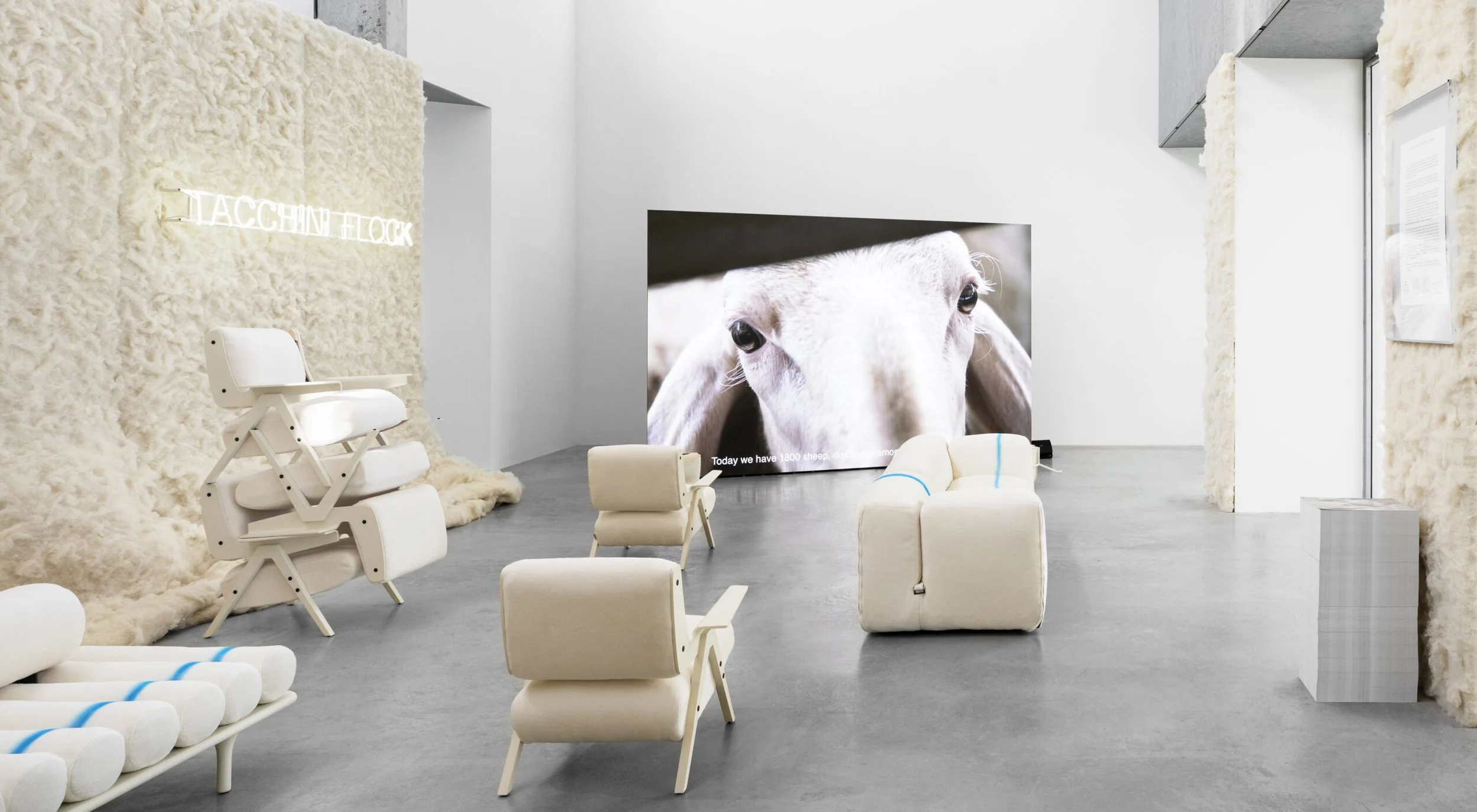
Formafantasma is a research-based design studio founded in 2009 by Italian designers Andrea Trimarchi and Simone Farresin. Originally based in the Netherlands, the studio relocated to Milan in 2021. Formafantasma investigates the ecological, historical, political and social forces shaping design today. Their founding mission was to facilitate a deeper understanding of our natural and built environments through transformative design interventions. Formafantasma's core values center around material research, sustainable production methods, and critical analysis of design's impacts on society and the environment.
Location
Headquarters: Milan, Italy.
Primary studio location: Via Privata Assab 1, Milan.
Previously based in Amsterdam and Rotterdam, Netherlands.
The Circular Vision
Formafantasma embraces circular economy principles by prioritizing renewable, recycled and locally-sourced materials in their designs.
Key innovations enabling circularity include extensive material research, designing for disassembly/reuse, and closed-loop manufacturing processes.
The studio advocates for localized supply chains and production methods attentive to their environmental footprint.
Pioneering Solutions
Flagship projects showcasing circularity: Cambio (timber industry research), Botanica (plant-based polymers), Ore Streams (e-waste recycling).
Unique value propositions: Merging critical research with commercial design, material innovation, transdisciplinary collaborations.
The Regenerative Future
R&D focus areas: Sustainable material lifecycles, design for environment/society, circular business models.
Ambitious goals: Become a leading voice promoting ethical, ecological and socially-responsible design practices.
Fact Sheet
Commercial Availability: Products through brand partners like Flos, Dzek, Artek, Fendi.
Environmental Product Declarations: Information not available.
Circularity Rating: 5/5 (Entire practice centered on circularity).
Key Certifications: Information not available.
Cost Rating: 4/5 (Higher-end positioning but increasing accessibility).
Material Passport: Extensive material research/traceability data.
Designed for Disassembly: Yes, a core tenet of their approach.
Carbon Performance: Aim for low-impact through local sourcing/production.
Key Takeaway
Formafantasma is pioneering a research-driven approach that elevates design as a catalyst for positive environmental and social change, setting new benchmarks for ethical, circular practices in the industry.
Explore Further
Formafantasma website: https://formafantasma.com
Sustainability overview: https://formafantasma.com/about

Layer is a thought-leading design studio founded in 2015 by British designer Benjamin Hubert. The studio embraces circular economy principles by prioritizing sustainable materials, renewable energy usage, and eco-friendly manufacturing processes. Layer's core mission is to create revolutionary product experiences through human-centered design thinking. Their work spans strategy, industrial design, branding, digital design, and spatial design for leading brands. Layer nurtures an innovative culture focused on pushing boundaries to drive positive environmental and social impact.
Location
Headquarters: London, United Kingdom.
Primary studio location: 445 Hackney Road, London.
The Circular Vision
Core circular economy principles: Designing for longevity, adaptability, disassembly, and material circularity.
Key innovations: Extensive material research, designing for easy maintenance/repair/reuse, sustainable manufacturing processes.
Prioritizing localized supply chains and responsible material sourcing.
Pioneering Solutions
Flagship solutions: Reversible Building Design (RBD) protocol, disassembly-focused product design.
Unique value propositions: Human-centered, future-proof design and holistic sustainability integration.
The Regenerative Future
R&D focus: Advancing circular construction methods, biomaterial innovations, digital design tools.
Ambitious goals: Becoming an industry leader in ethical, eco-positive design and business practices.
Fact Sheet
Commercial Availability: Products through brand partners globally.
Environmental Certifications: Cradle to Cradle, LEED, WELL Building Standard.
Circularity Rating: 5/5.
Key Accreditations: ISO Standards for Design for Disassembly/Adaptability.
Cost Rating: 4/5 (Higher premium positioning).
Material Traceability: Extensive data on material sources and lifecycles.
Designed for Disassembly: Yes, a core design principle.
Carbon Performance: Aim for net zero/negative through energy efficiency.
The Human Element
Layer places a strong emphasis on the human element in design, ensuring solutions are inclusive, culturally aware, and facilitate cross-collaboration. The studio adopts strategies like participatory design workshops to bridge cultural gaps and develop user-centric solutions.
Environmental Considerations
Stringent environmental regulations and third-party certifications guide Layer's design approach. The studio prioritizes localized material sourcing, renewable energy usage, waste reduction, and material health evaluations to minimize environmental impact.
Intellectual Property Protection
Layer safeguards its innovative designs through comprehensive IP protection strategies, including patents, trademarks, copyrights, and legal agreements to prevent unauthorized use or replication of proprietary solutions.
Key Takeaway
Layer is pioneering a holistic approach to sustainable design that seamlessly integrates circular principles across its portfolio, positioning the studio as an industry leader in shaping the built environment for a regenerative future.
Explore Further
Layer website: https://layerdesign.com
Sustainability overview: https://layerdesign.com/about

Pentatonic is a design and technology company founded in 2015 by Jamie Hall and Johann Boedecker. The company was established with the mission to build the world's first end-to-end circular economy product and service business. Pentatonic focuses on designing out waste from the creation of advanced consumer products, aiming to revolutionize the consumer goods industry by creating high-quality, sustainable products. The company's core values include sustainability, innovation, and responsibility, with a purpose to enable a more sustainable and responsible way of life.
Location
Headquarters: Berlin, Germany.
Primary manufacturing/operations locations: London, UK.
Note: Pentatonic collaborates with global brands and operates in various strategic locations to optimize local sourcing and distribution.
The Circular Vision
Core circular economy principles: Designing out waste, using recycled materials, and creating products that are fully recyclable.
Key innovations: Development of products from post-consumer waste, advanced recycling technologies, and product-embedded track and trace deposit return schemes.
Prioritization of local sourcing and closed-loop supply chains: Pentatonic emphasizes local sourcing and closed-loop supply chains to minimize environmental impact and enhance sustainability.
Pioneering Solutions
Flagship products: The Pebble (a reusable utensil set) and various collaborations with brands like Starbucks and Burger King to create sustainable products.
Unique value propositions: High-performance products made from recycled materials, innovative design for sustainability, and partnerships with leading global brands to drive circular economy initiatives.
The Regenerative Future
R&D focus areas: Material lifecycle management, AI-powered tools for circularity, and sustainable product design.
Ambitious goals: To scale circularity for the world's leading brands and significantly reduce global waste and carbon emissions.
Fact Sheet
Commercial Availability: Products available through direct sales and collaborations with major brands.
Environmental Product Declaration (EPD): Information not available.
Circularity Rating: 5/5 (Designed for 100% circularity).
Key Certifications: Information not available.
Cost Rating: 4/5 (Higher-end positioning but competitive with conventional alternatives).
Material Passport: Extensive use of recycled materials and detailed material traceability.
Designed for Disassembly: Yes, products are designed for easy disassembly and recycling.
Carbon Performance: Focus on reducing carbon footprint through sustainable materials and processes.
Key Takeaway
Pentatonic is a pioneering company in the circular economy space, driving significant change in the consumer goods industry through innovative design and sustainable practices. Their approach sets a benchmark for circularity and sustainability, benefiting both creators and clients.
Explore Further
Pentatonic website: https://pentatonic.com
Sustainability overview: https://pentatonic.com/about
Example product: The Pebble - https://pentatonic.com/case-studies
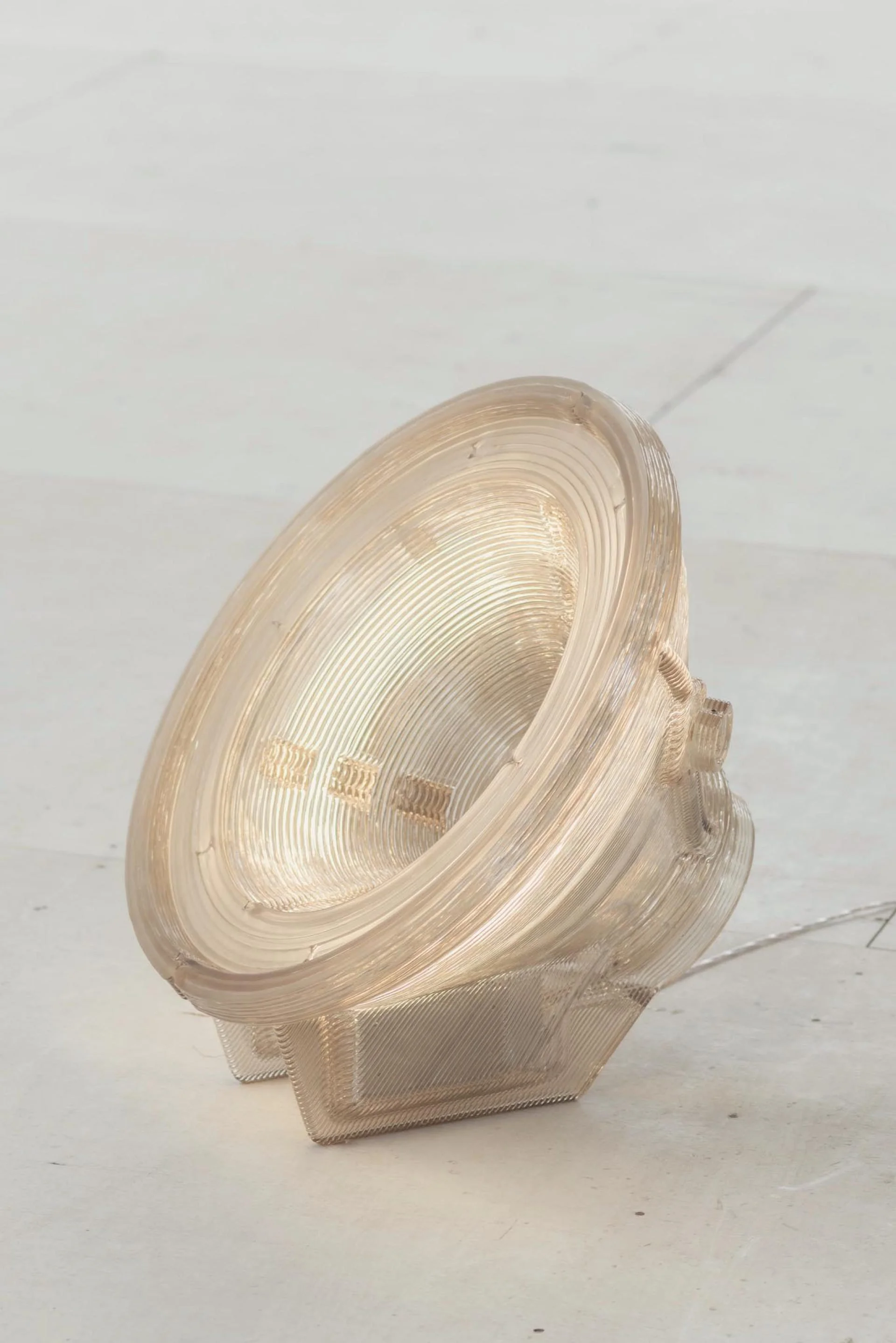
Dirk van der Kooij is a design studio founded in 2009 in the basement of the Design Academy Eindhoven. The studio was established with the mission to explore the potential of plastic as an honest, durable material. The founding inspiration came from the innovative use of six pizza ovens welded together to create the Elephant Skin series, which showcased the unique properties of recycled plastic. The current mission of the studio is to create "forever furniture" that sustains generations of use, guided by the core values of longevity, functionality, and joy. The purpose of Dirk van der Kooij's work is to transform waste materials into valuable, high-quality furniture through a delicate union of machine and craft.
Location
Headquarters: Amsterdam, Netherlands.
Primary manufacturing/operations locations: Amsterdam-based factory.
Note: The studio operates in a 1920’s ex-military warehouse, optimizing local sourcing and production.
The Circular Vision
Core circular economy principles: Designing out waste, using recycled materials, and creating products that are fully recyclable.
Key innovations: Development of furniture from waste plastic, discarded CDs, leather sofas, kitchen appliances, chocolate moulds, and diseased wood. Use of house-developed presses, robots, and extruders.
Prioritization of local sourcing and closed-loop supply chains: Emphasis on local materials and production to minimize environmental impact and support local economies.
Pioneering Solutions
Flagship products: Elephant Skin series, furniture made from recycled plastic and other unconventional materials.
Unique value propositions: High-quality, durable furniture made from waste materials, innovative design processes, and a strong focus on sustainability.
The Regenerative Future
R&D focus areas: Advancing recycling technologies, developing new sustainable materials, and optimizing circular design processes.
Ambitious goals: To scale circularity in the furniture industry, significantly reduce global waste and carbon emissions, and make high-quality design accessible to a broader audience.
Fact Sheet
Commercial Availability: Products available through direct purchase on the Dirk van der Kooij website and select retailers.
Environmental Product Declaration (EPD): Information not available.
Circularity Rating: 5/5 (Designed for full circularity).
Key Certifications: Information not available.
Cost Rating: 4/5 (Premium pricing with a focus on long-term value and sustainability).
Material Passport: Detailed material traceability and use of recycled and sustainable materials.
Designed for Disassembly: Yes, products are designed for easy disassembly and recycling.
Carbon Performance: Focus on reducing carbon footprint through sustainable materials and local production.
Key Takeaway
Dirk van der Kooij transforms waste into high-quality, durable furniture through innovative design and sustainable practices, setting a benchmark for circularity in the furniture industry.
Explore Further
Dirk van der Kooij website: https://www.dirkvanderkooij.com
Sustainability overview: https://www.dirkvanderkooij.com/about
Example product: Elephant Skin series - https://www.dirkvanderkooij.com/elephant-skin

Richard Hutten is a renowned Dutch designer based in Rotterdam, known for his conceptual and playful designs. He founded his design studio in 1991 after graduating from the Design Academy Eindhoven. Hutten's founding mission was to create innovative and optimistic designs that challenge conventional norms and bring joy to everyday life. His current mission focuses on sustainability and circular design, aiming to create products that are not only functional and aesthetically pleasing but also environmentally responsible. Core values of Richard Hutten's work include creativity, sustainability, and optimism, with a purpose to inspire positive change through design.
Location
Headquarters: Rotterdam, Netherlands.
Primary manufacturing/operations locations: Rotterdam, with collaborations and exhibitions globally.
Note: Strategic location in Rotterdam to foster creativity and collaboration with international partners.
The Circular Vision
Core circular economy principles: Designing out waste, using sustainable and recycled materials, and creating products that are fully recyclable.
Key innovations: Development of sustainable furniture and products, integration of circular design principles, and use of eco-friendly materials.
Prioritization of local sourcing and closed-loop supply chains: Emphasis on local materials and production to minimize environmental impact.
Pioneering Solutions
Flagship products: Dombo cup, No Sign of Design furniture collection, and various sustainable furniture pieces.
Unique value propositions: High-quality, playful designs that incorporate sustainability and circularity, innovative use of materials, and a strong focus on environmental responsibility.
The Regenerative Future
R&D focus areas: Advancing sustainable materials, developing new recycling technologies, and optimizing circular design processes.
Ambitious goals: To lead the design industry in sustainable practices, create zero-waste products, and inspire a shift towards more responsible consumption.
Fact Sheet
Commercial Availability: Products available globally through direct purchase on the Richard Hutten website and select retailers.
Environmental Product Declaration (EPD): Information not available.
Circularity Rating: 5/5 (Strong focus on circular economy principles).
Key Certifications: Information not available.
Cost Rating: 4/5 (Premium pricing with a focus on long-term value and sustainability).
Material Passport: Detailed material traceability and use of recycled and sustainable materials.
Designed for Disassembly: Yes, products are designed for easy disassembly and recycling.
Carbon Performance: Focus on reducing carbon footprint through sustainable materials and local production.
Key Takeaway
Richard Hutten is a pioneering designer who combines playful, innovative designs with a strong commitment to sustainability and circularity, setting a benchmark for responsible design in the industry.
Explore Further
Richard Hutten website: https://www.richardhutten.com
Biography: https://www.richardhutten.com/about
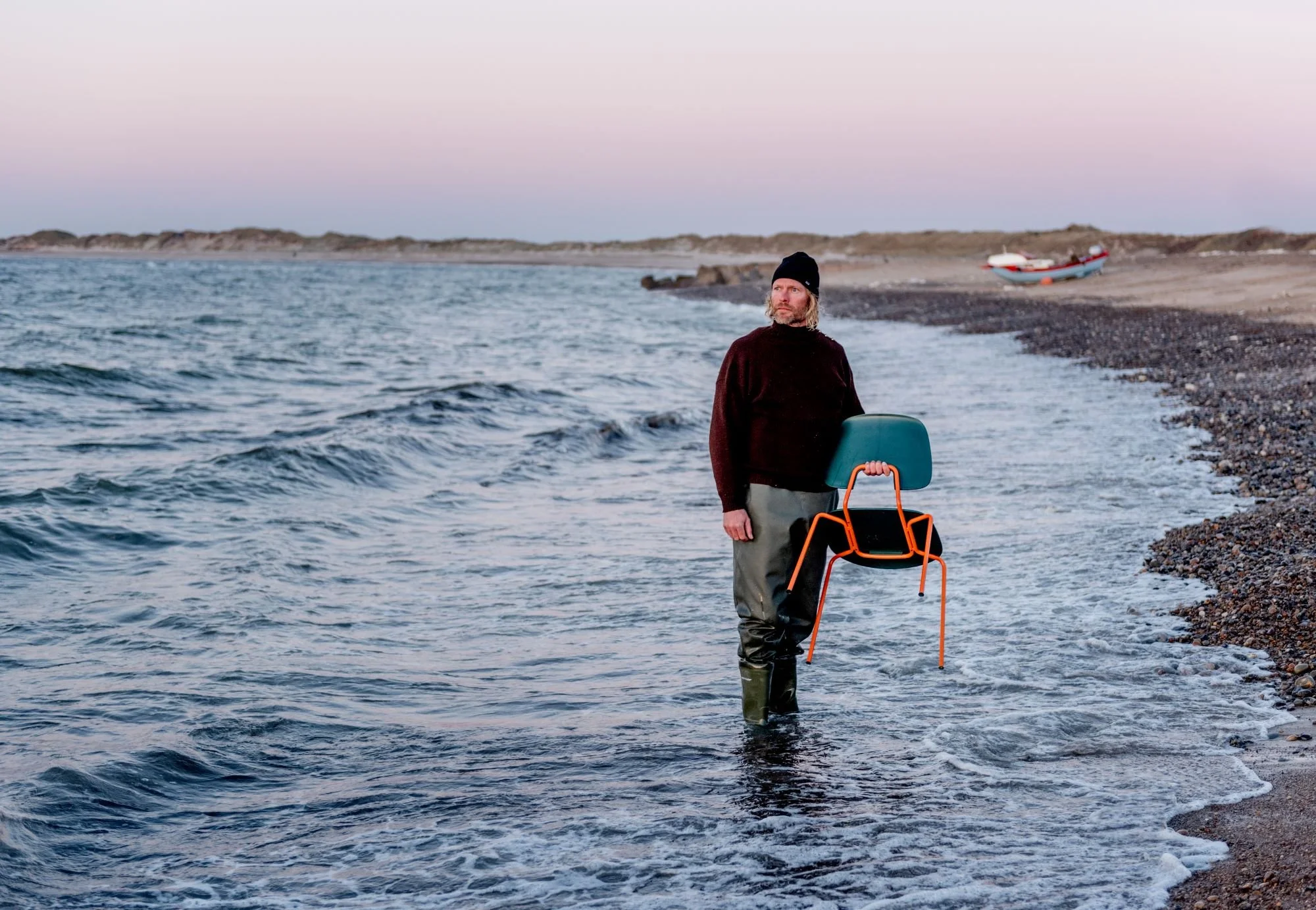
Wehlers is a Danish furniture company founded in 2014 by Henrik Holm and Maria Fryd Wehler. The company was established with the mission to create beautiful, functional furniture using recycled materials, thereby promoting sustainability and reducing environmental impact. Wehlers' current mission focuses on combining award-winning Danish design with eco-friendly practices to offer a range of furniture products that are both stylish and sustainable. Core values include sustainability, innovation, and quality, with a purpose to lead the furniture industry in sustainable practices and innovative design.
Location
Headquarters: Copenhagen, Denmark.
Primary manufacturing/operations locations: Various locations across Denmark.
Note: Strategic location in Denmark to leverage local expertise in design and sustainable practices.
The Circular Vision
Core circular economy principles: Designing out waste, using recycled materials, and creating products that are fully recyclable.
Key innovations: Development of furniture made from 100% recycled materials, including marine plastics, old fishing nets, e-waste, and plastic waste from the sea and electronics. The R.U.M. (Re-Used Materials) series exemplifies this approach, featuring chairs made from these recycled materials.
Prioritization of local sourcing and closed-loop supply chains: Emphasis on using locally sourced recycled materials and sustainable production methods to minimize environmental impact and support local economies.
Pioneering Solutions
Flagship products: R.U.M. Original Fishing Nets, R.U.M. Outdoor Carlsberg, and R.U.M. Original E-waste Politiken Plus chairs.
Unique value propositions: High-quality, sustainable furniture solutions that prioritize circularity, material reuse, and environmental responsibility. Wehlers' products are known for their innovative design, durability, and use of recycled materials, making them ideal for modern, eco-conscious consumers.
The Regenerative Future
R&D focus areas: Advancing sustainable materials, optimizing production processes, and developing new applications for recycled materials in furniture design.
Ambitious goals: To lead the furniture industry in sustainable practices, create zero-waste products, and inspire a shift towards a regenerative approach to material design.
Fact Sheet
Commercial Availability: Products available globally through direct sales on the Wehlers website and partnerships with distributors.
Environmental Product Declaration (EPD): Information not available.
Circularity Rating: 5/5 (Strong focus on circular economy principles).
Key Certifications: B-Corporation certification.
Cost Rating: 4/5 (Competitive with conventional alternatives, with significant cost savings in sustainable materials).
Material Passport: Detailed material traceability and use of recycled marine plastics, fishing nets, e-waste, and other recycled materials.
Designed for Disassembly: Yes, products are designed for easy disassembly and recycling.
Carbon Performance: Focus on reducing carbon footprint through sustainable materials and local production. Committed to using the highest percentage of recycled content without compromising on quality and safety.
Key Takeaway
Wehlers transforms the furniture industry through innovative, sustainable solutions, setting a benchmark for circularity and environmental responsibility in modern furniture design.
Explore Further
Wehlers website: https://www.wehlers.com
Responsibility overview: https://www.wehlers.com/pages/responsibility
Example product: R.U.M. Original
Solidwool is a UK-based company founded in 2013 by Justin and Hannah Floyd. The company was established with the mission to create sustainable design using wool, specifically the coarse wool from Herdwick sheep, which had lost its value. Solidwool's current mission focuses on transforming waste materials into valuable, aesthetically pleasing products. Core values include sustainability, innovation, and craftsmanship, with a purpose to inspire a more sustainable approach to design and production.
Location
Headquarters: The Long Barn, Eastnor, Ledbury, Herefordshire, HR8 1EL, United Kingdom.
Primary manufacturing/operations locations: Devon, United Kingdom.
Note: Strategic location in Devon to foster creativity and collaboration with local partners.
The Circular Vision
Core circular economy principles: Designing out waste, using recycled and bio-based materials, and creating products that are fully recyclable.
Key innovations: Development of composite materials using wool and bio-resin, eliminating the use of reactive solvents, and reducing raw material usage by 65% compared to traditional engineered quartz.
Prioritization of local sourcing and closed-loop supply chains: Emphasis on local materials and production to minimize environmental impact.
Pioneering Solutions
Flagship products: Hembury Chair, side tables, and other furniture made from Solidwool composite material.
Unique value propositions: High-quality, sustainable materials that prioritize circularity, material reuse, and environmental responsibility. Solidwool's products are known for their unique aesthetics and innovative use of waste materials.
The Regenerative Future
R&D focus areas: Advancing sustainable materials, optimizing recycling processes, and developing new circular design principles.
Ambitious goals: To lead the material design industry in sustainable practices, create zero-waste products, and inspire a shift towards a regenerative approach to design.
Fact Sheet
Commercial Availability: Products available through direct sales on the Solidwool website and select retailers.
Environmental Product Declaration (EPD): Information not available.
Circularity Rating: 5/5 (Strong focus on circular economy principles).
Key Certifications: Information not available.
Cost Rating: 4/5 (Competitive with conventional alternatives, with significant cost savings in sustainable materials).
Material Passport: Detailed material traceability and use of recycled and bio-based materials.
Designed for Disassembly: Yes, products are designed for easy disassembly and material reuse.
Carbon Performance: Focus on reducing carbon footprint through sustainable materials and local production.
Key Takeaway
Solidwool is a pioneering company that transforms waste into high-quality, sustainable materials, setting a benchmark for circularity and environmental responsibility in the design industry.
Explore Further
Solidwool website: https://www.solidwool.com/home
Material overview: https://www.solidwool.com/material
Example product: Hembury Chair - https://www.solidwool.com/shop/hembury-chair-colour-hazel