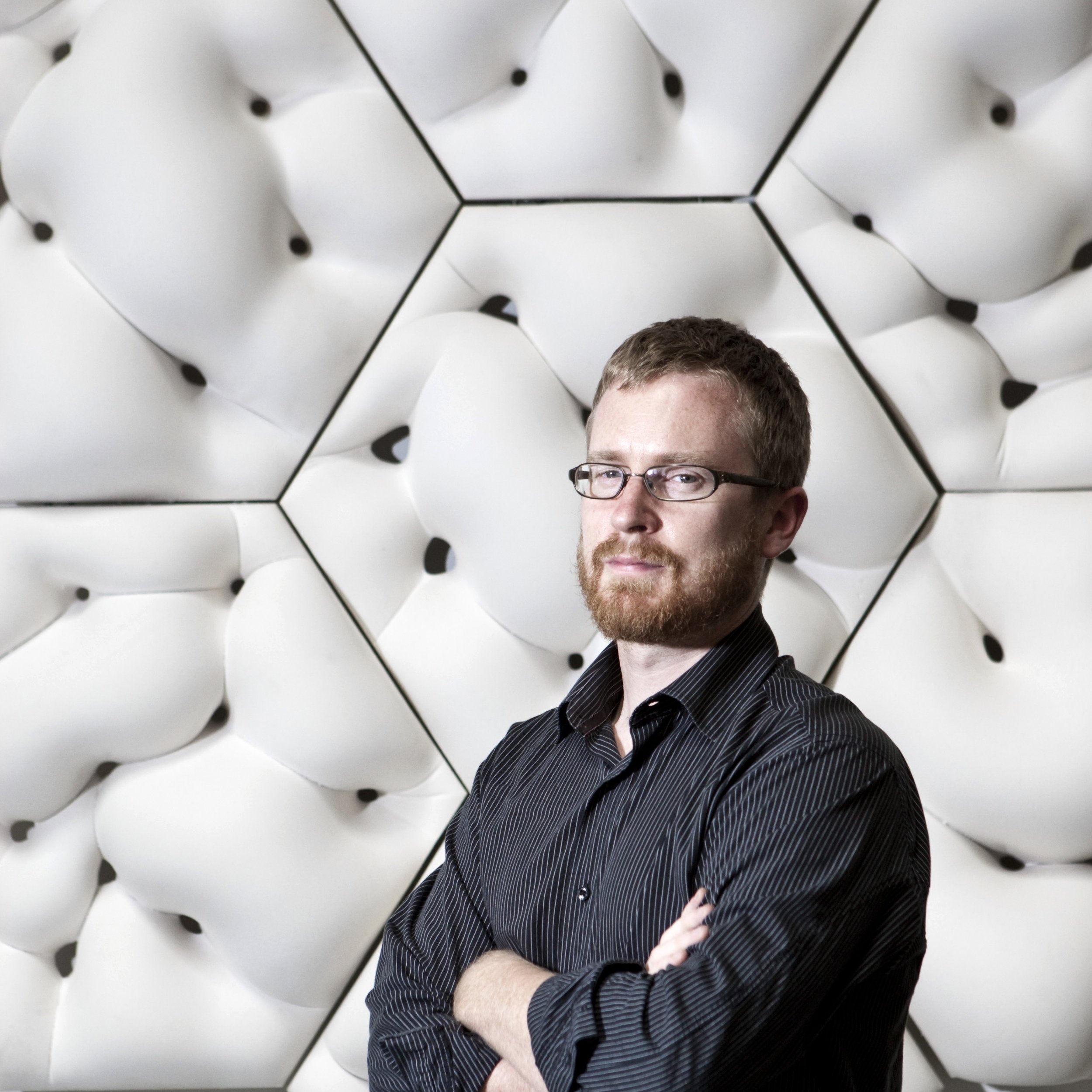
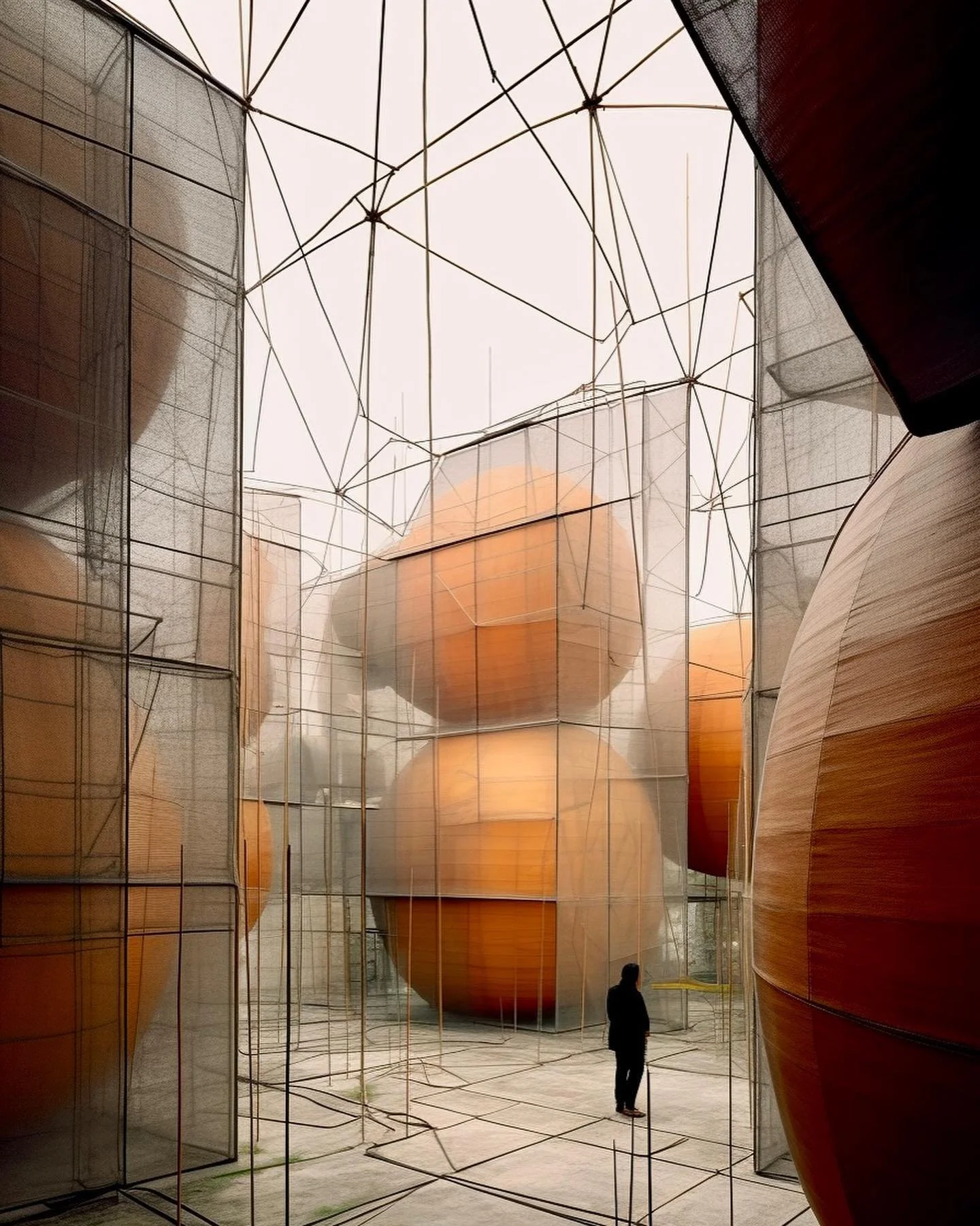
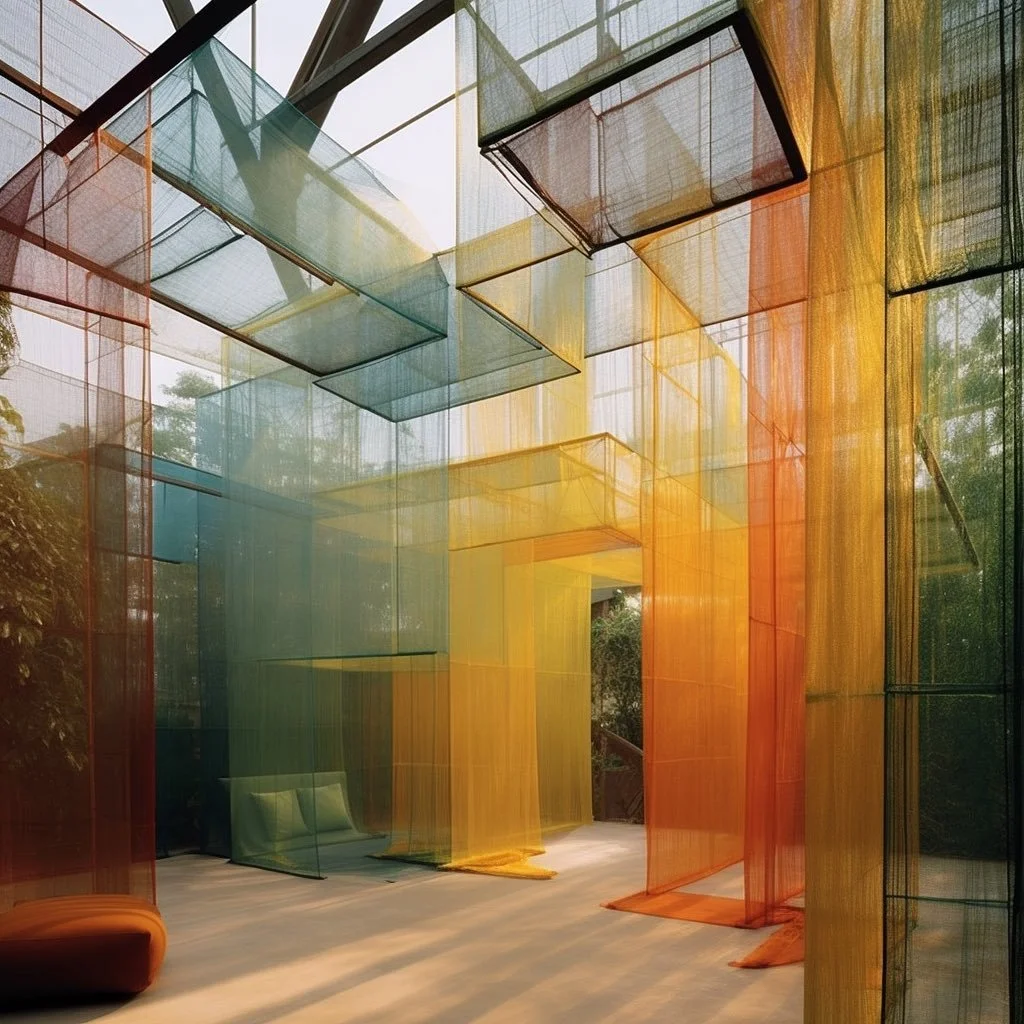
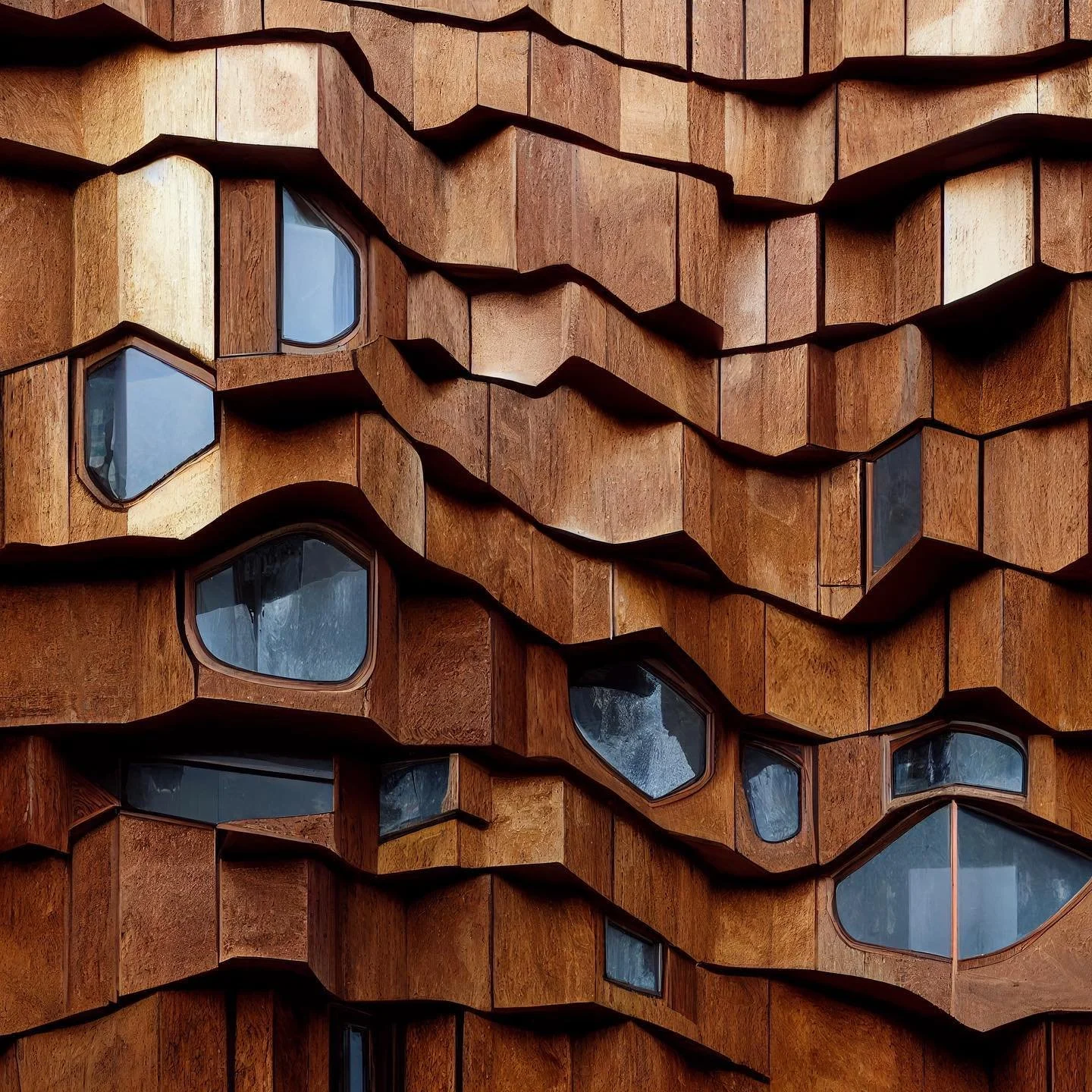
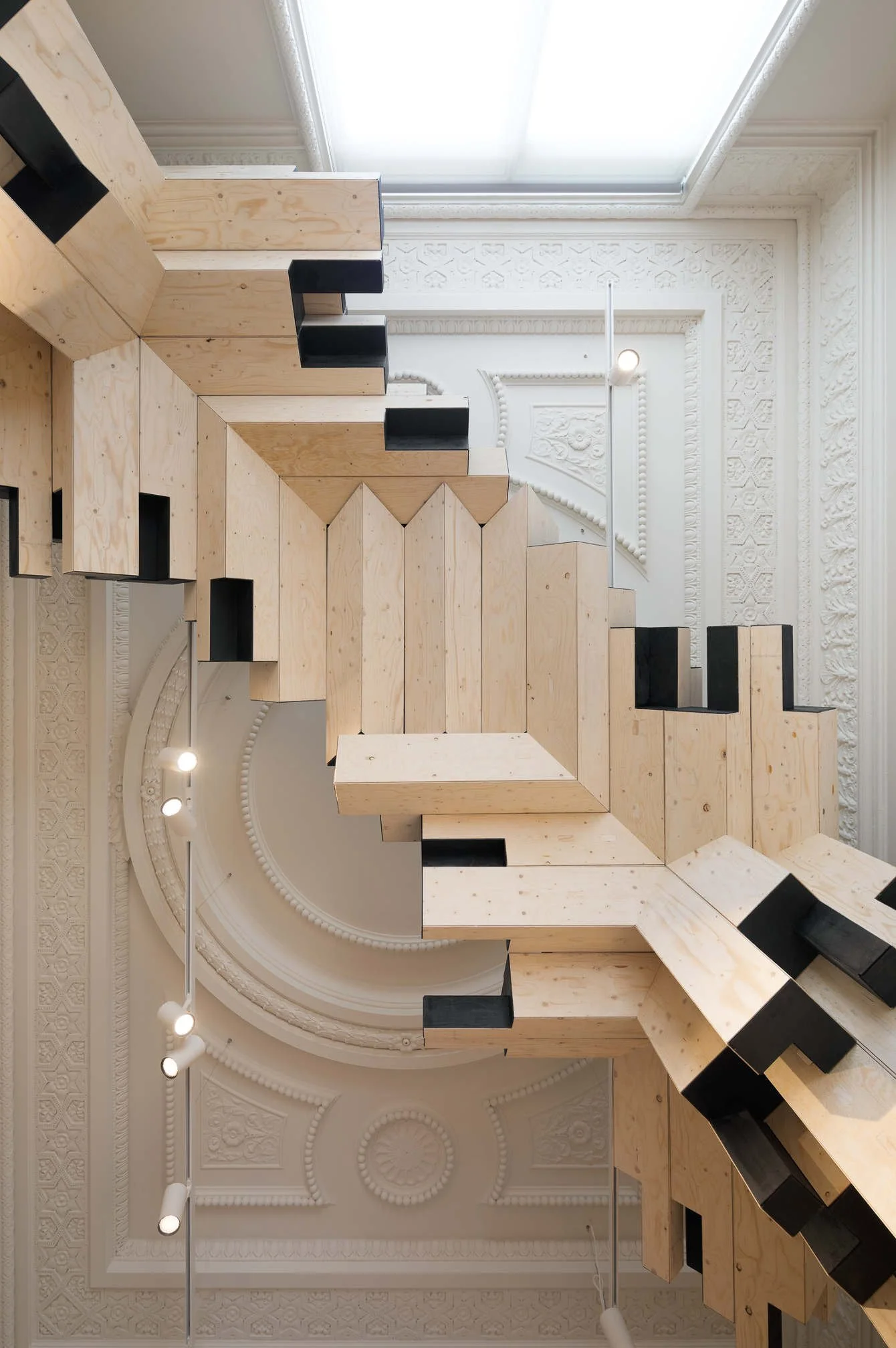
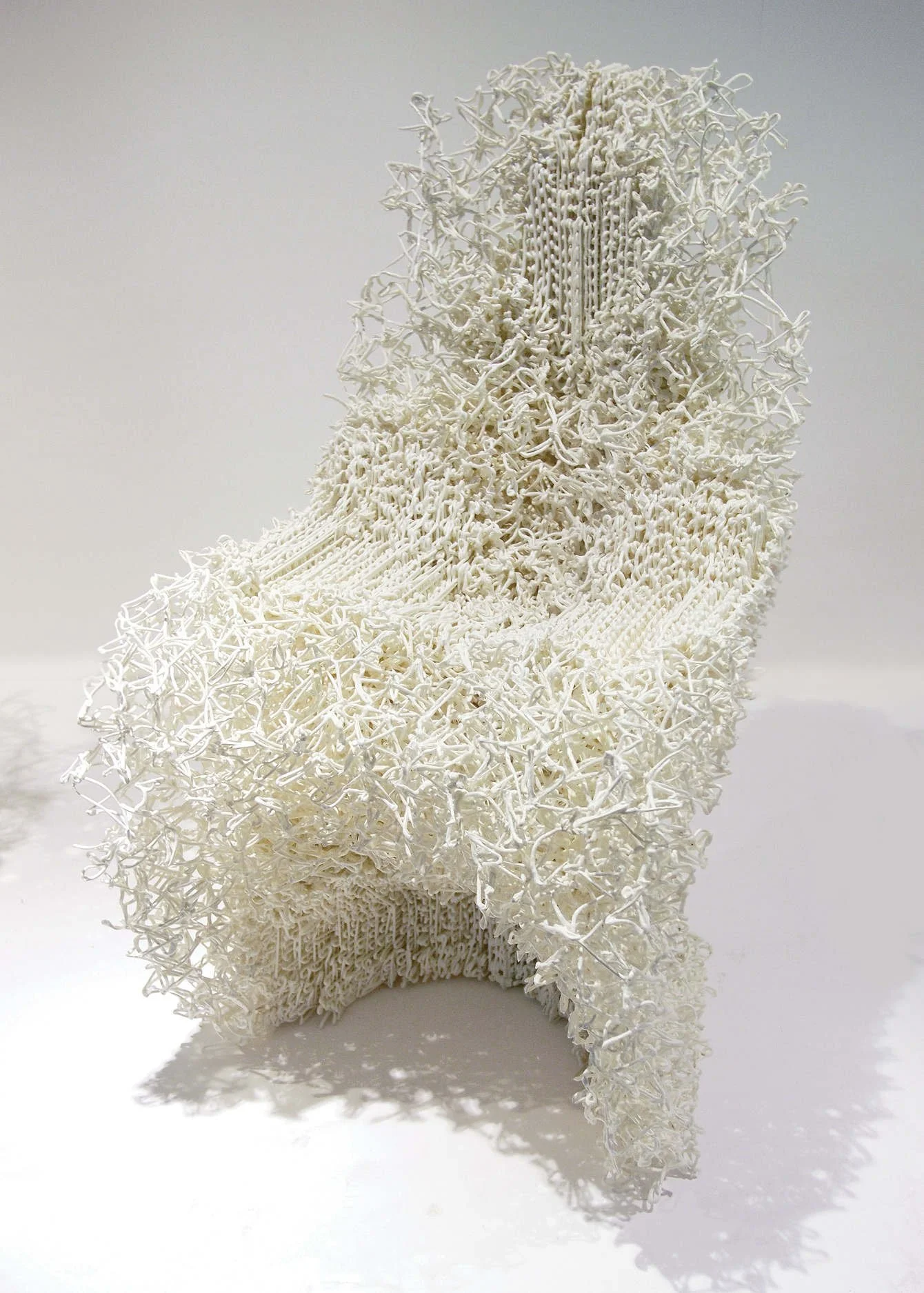
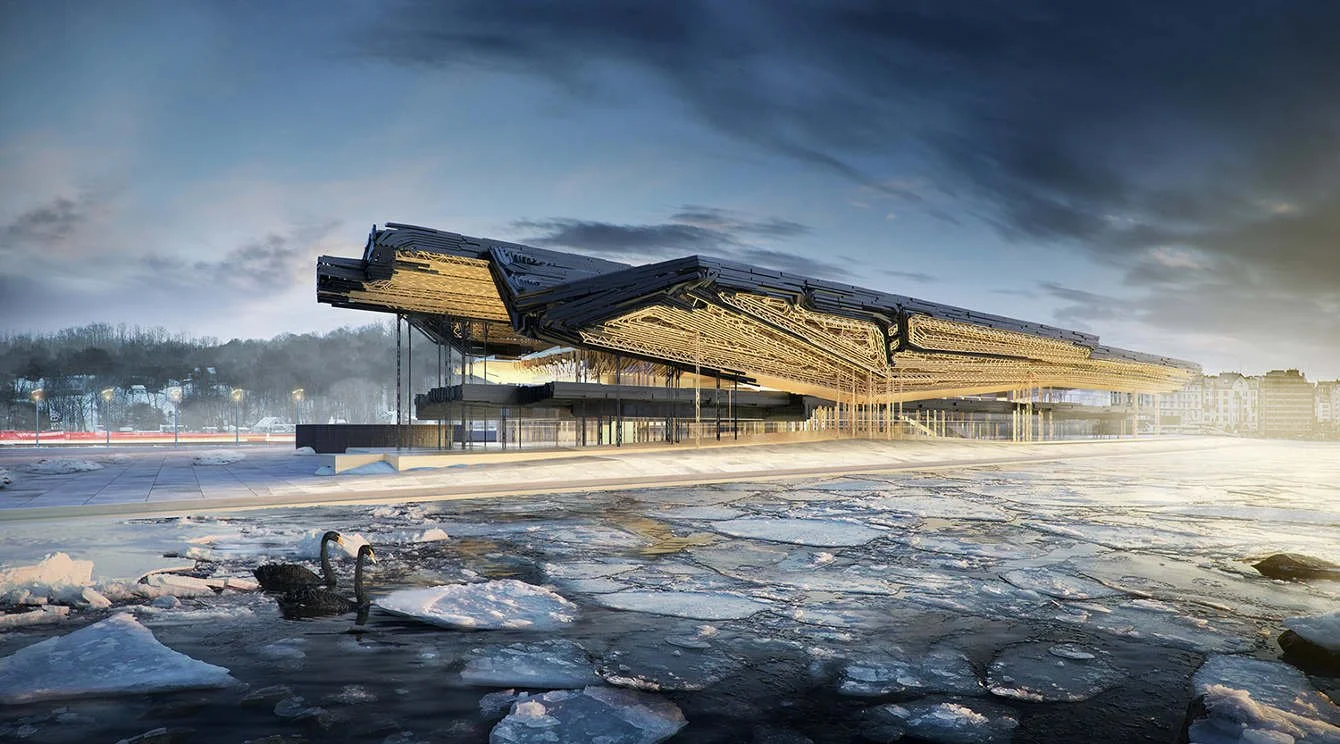
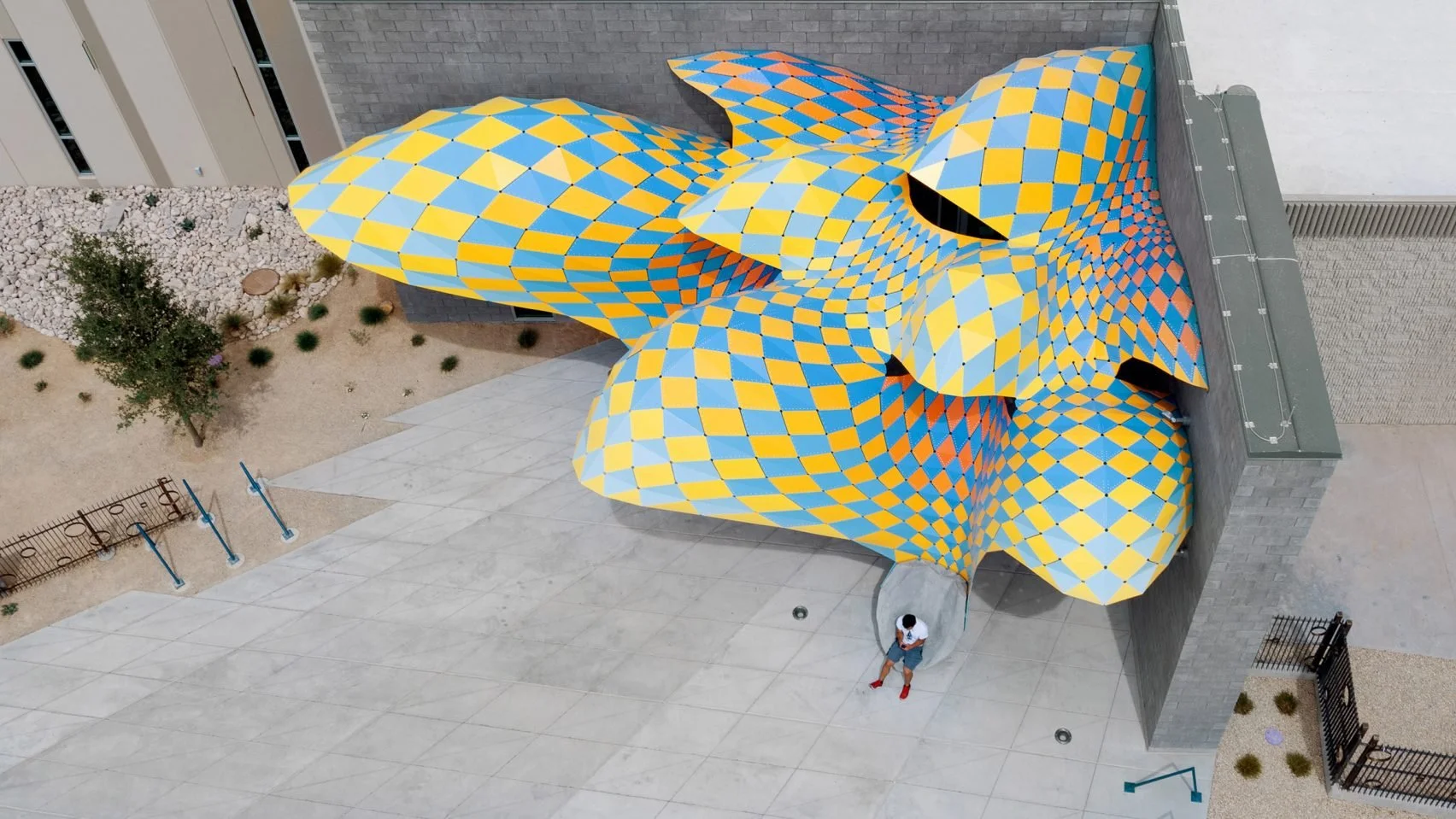
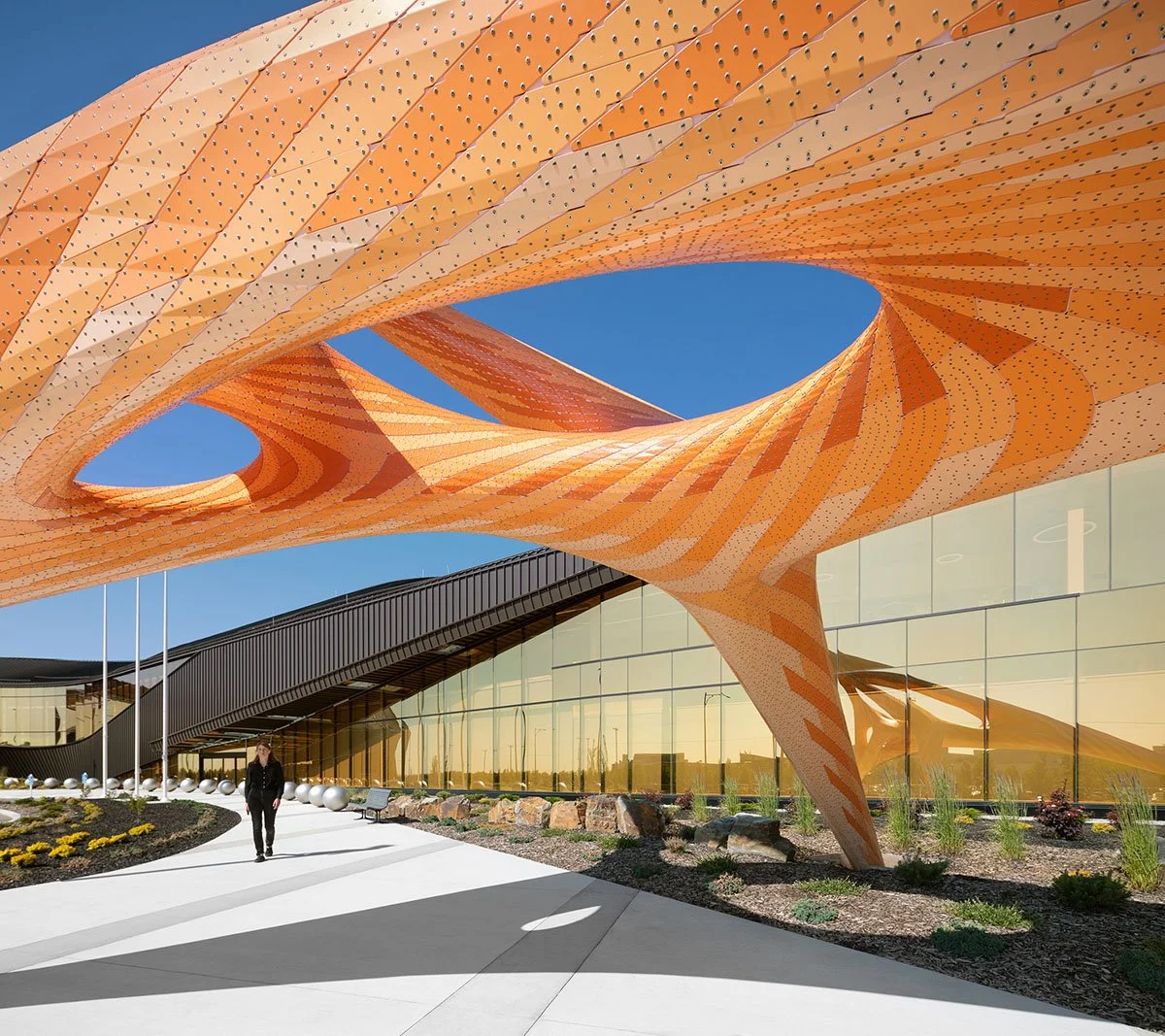
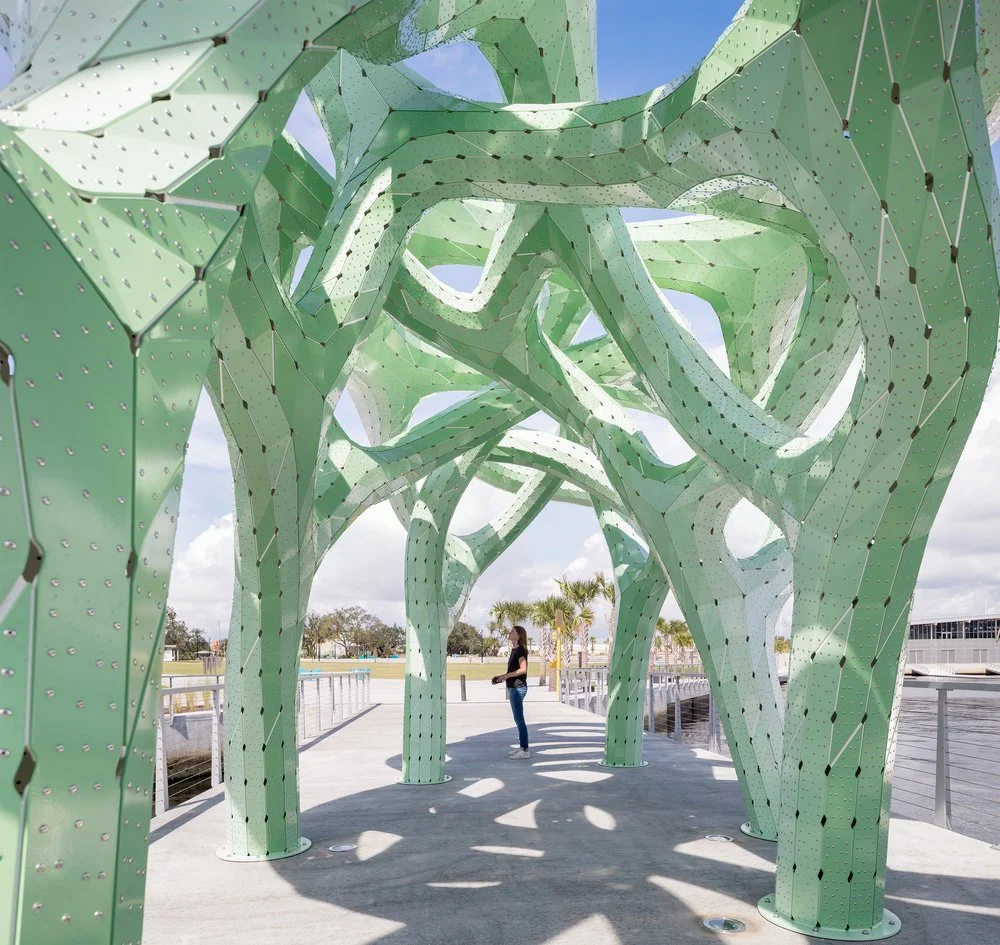
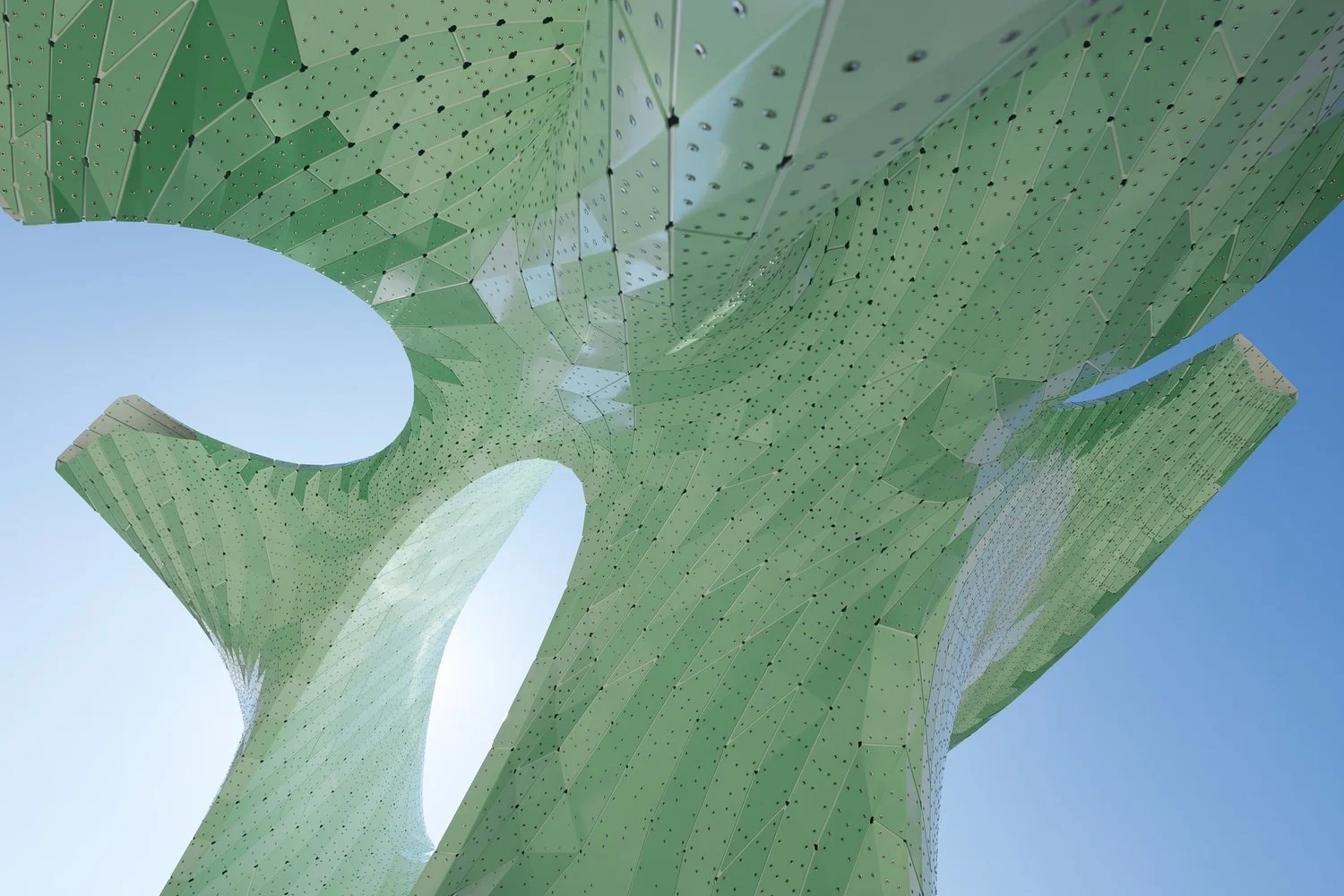
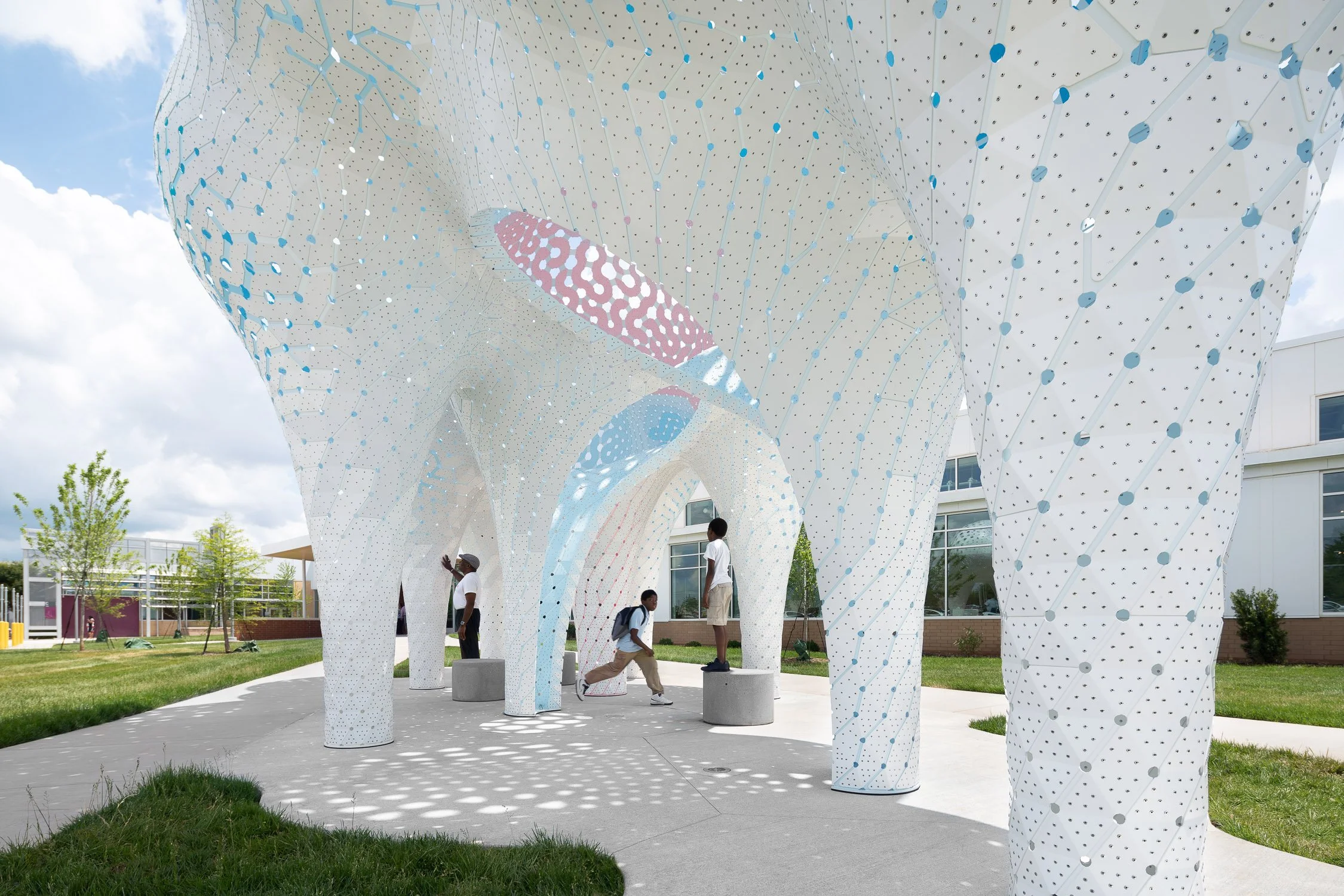
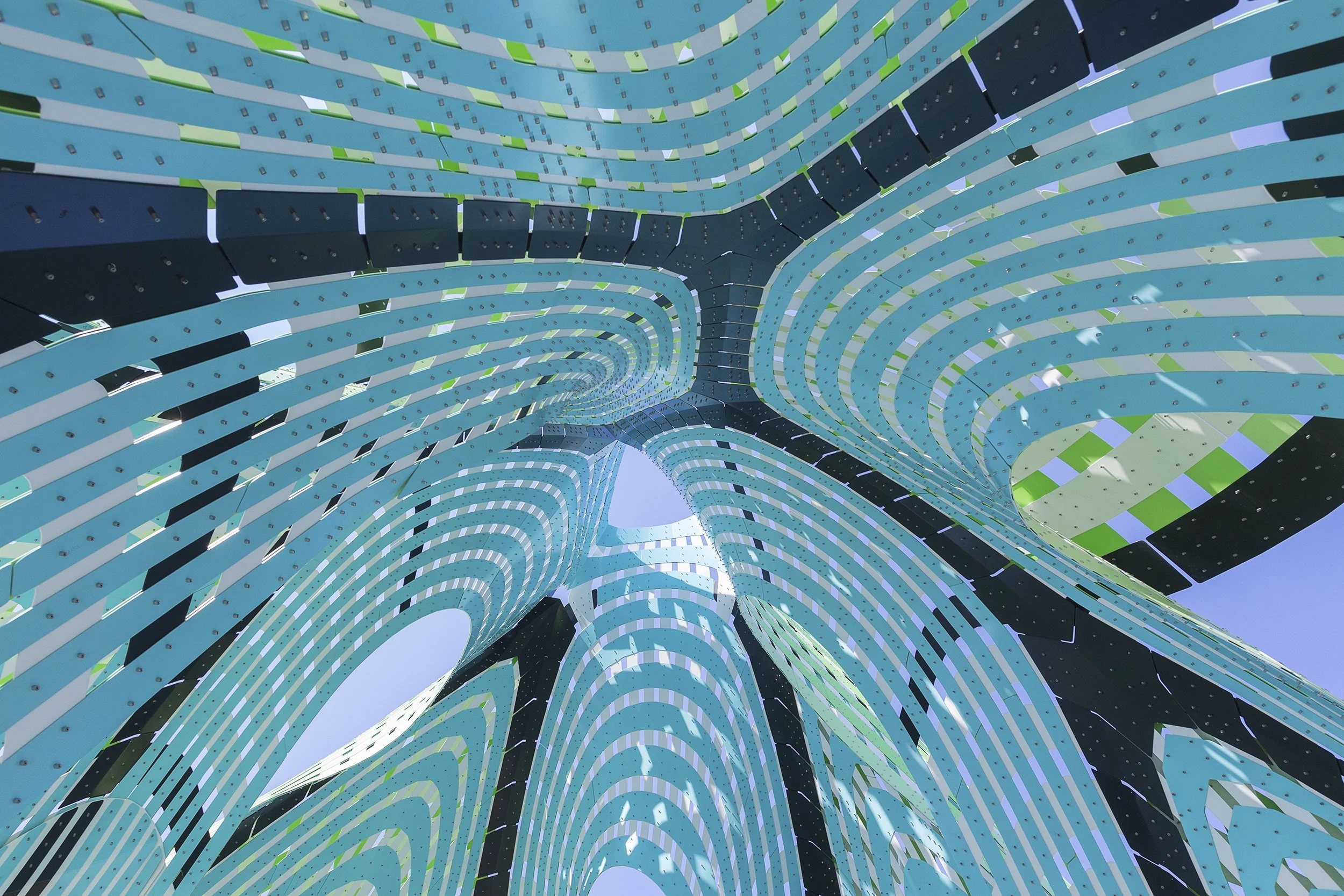
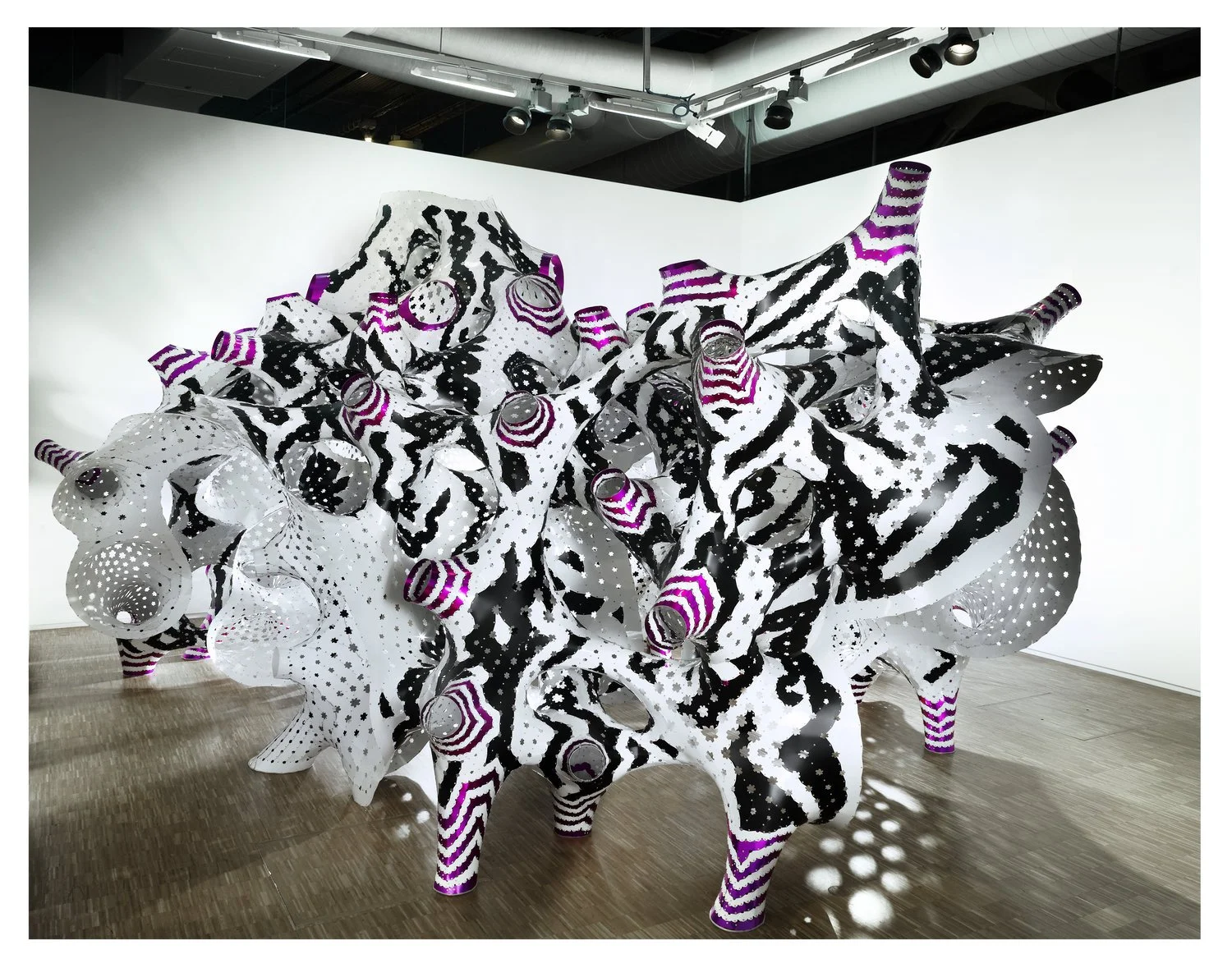
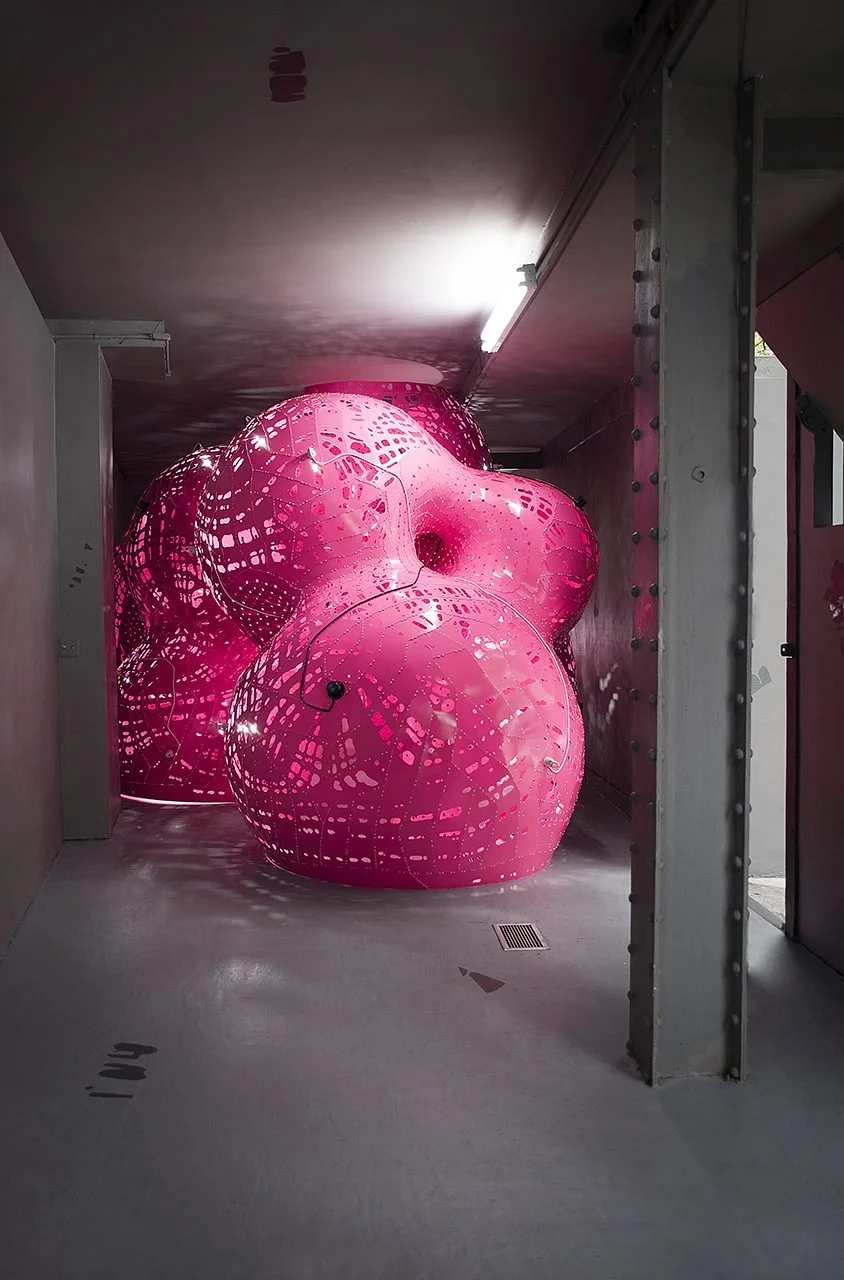
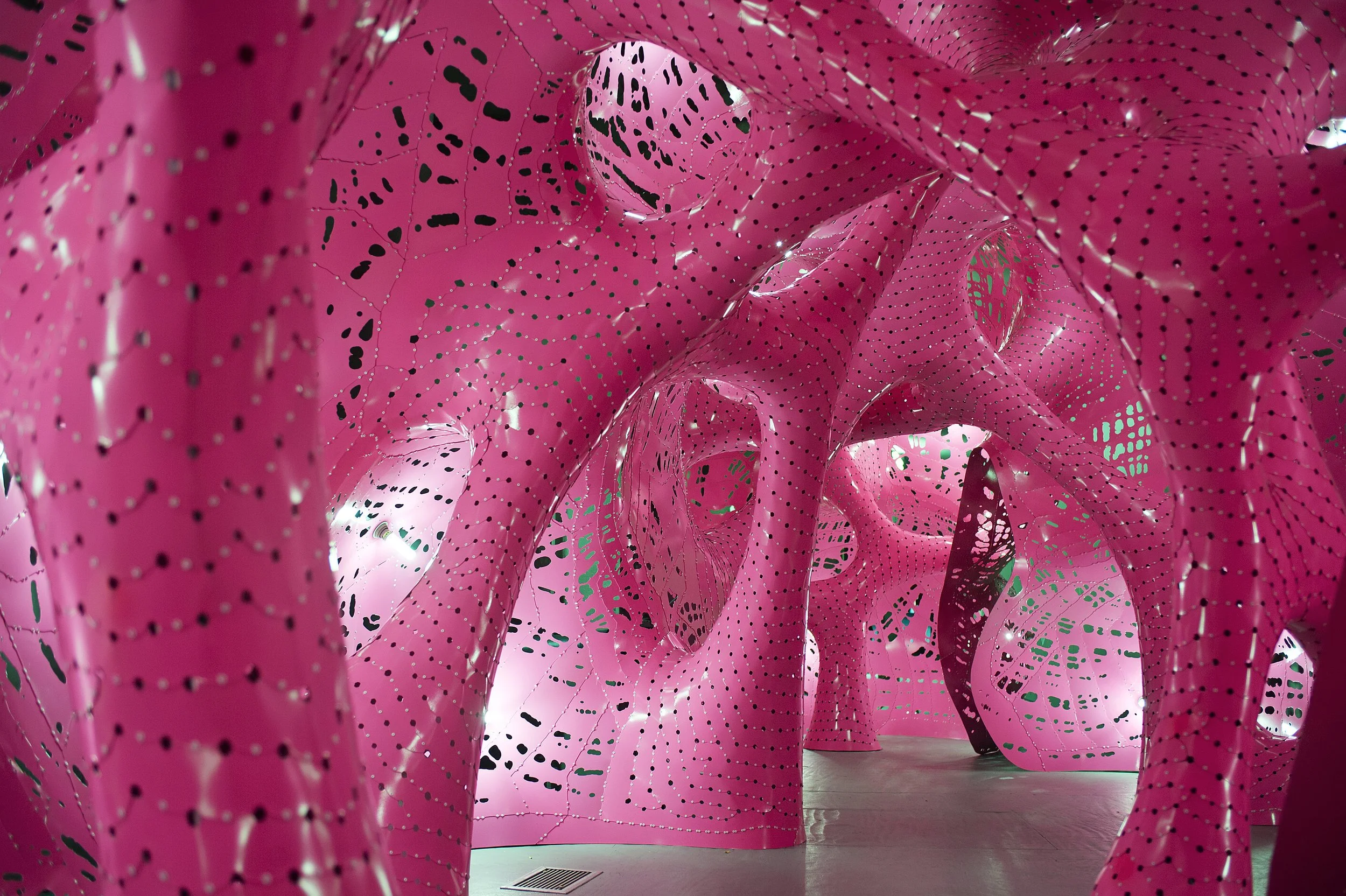
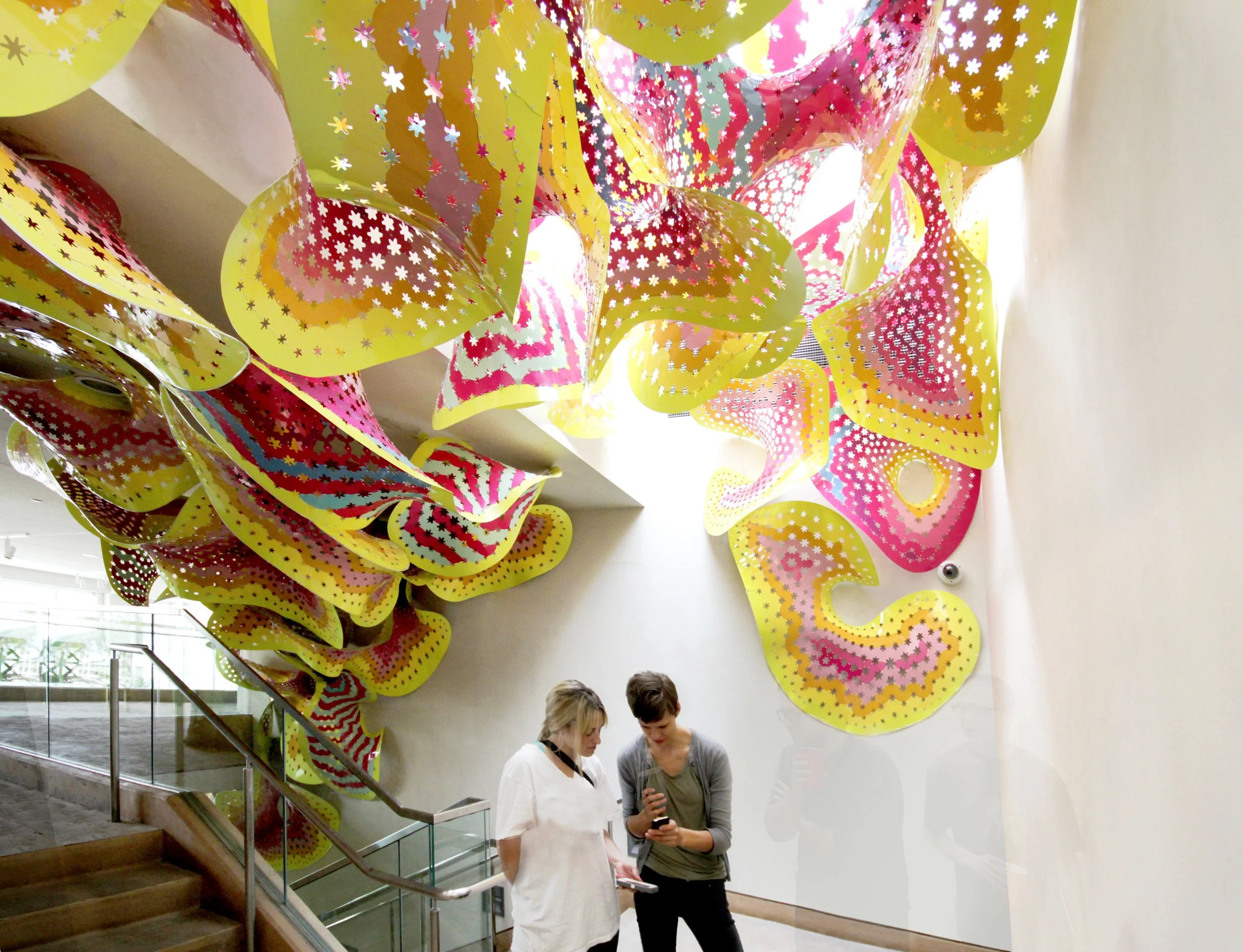
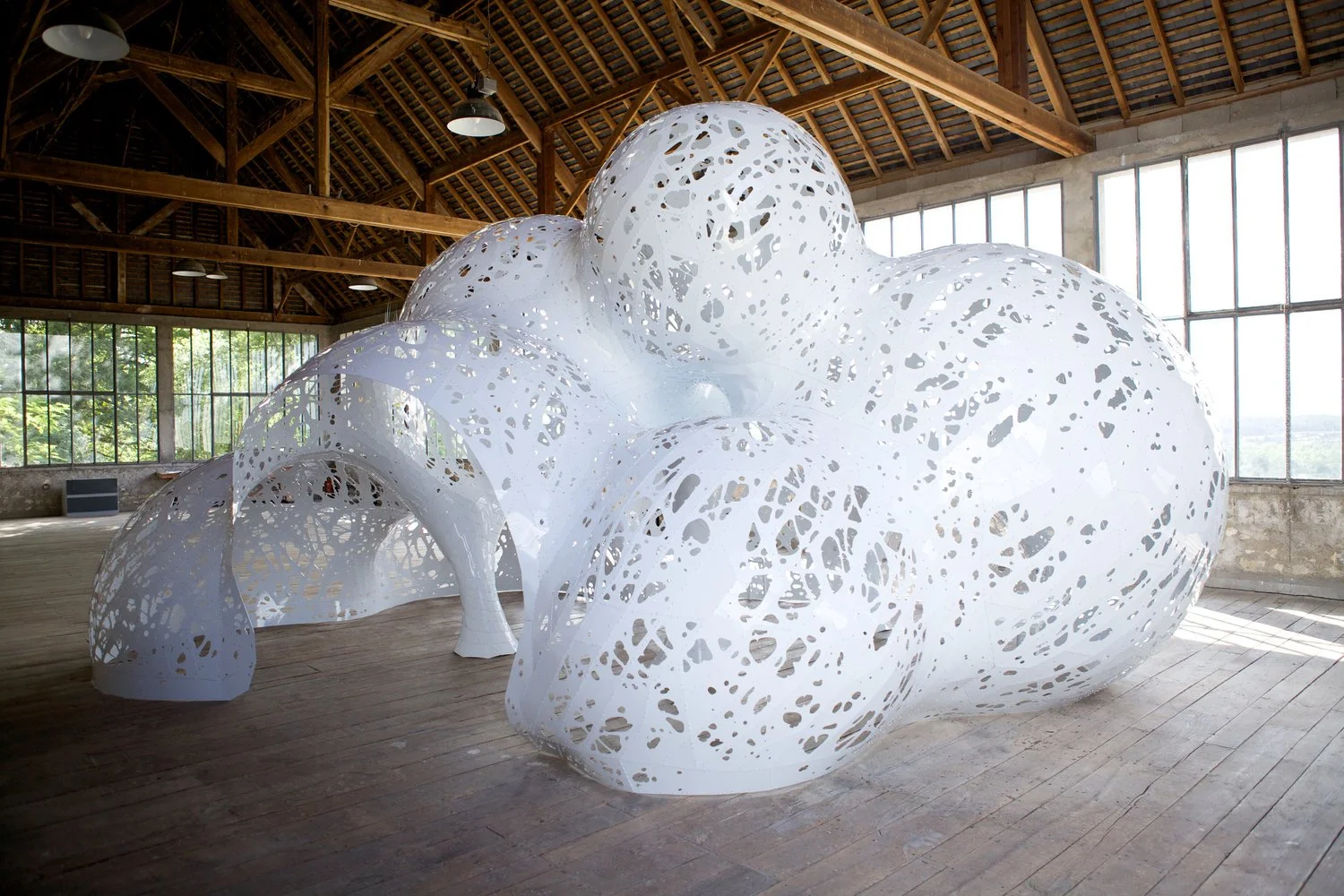
The MIT Media Lab is an interdisciplinary research laboratory at the Massachusetts Institute of Technology (MIT), founded in 1985 by Nicholas Negroponte and former MIT President Jerome Wiesner. The lab was established with the mission to create technologies and experiences that enable people to understand and transform their lives, communities, and environments. The MIT Media Lab's current mission focuses on integrating circular economy principles into their research and projects, promoting sustainability and innovative solutions. Core values include innovation, sustainability, and interdisciplinary collaboration, with a purpose to redefine the relationship between technology, design, and the environment.
Location
Headquarters: Cambridge, Massachusetts, USA.
Primary manufacturing/operations locations: Various global locations for projects and collaborations.
The Circular Vision
Core circular economy principles: Designing out waste, using recycled and sustainable materials, and creating technologies and systems that promote environmental awareness and sustainable practices.
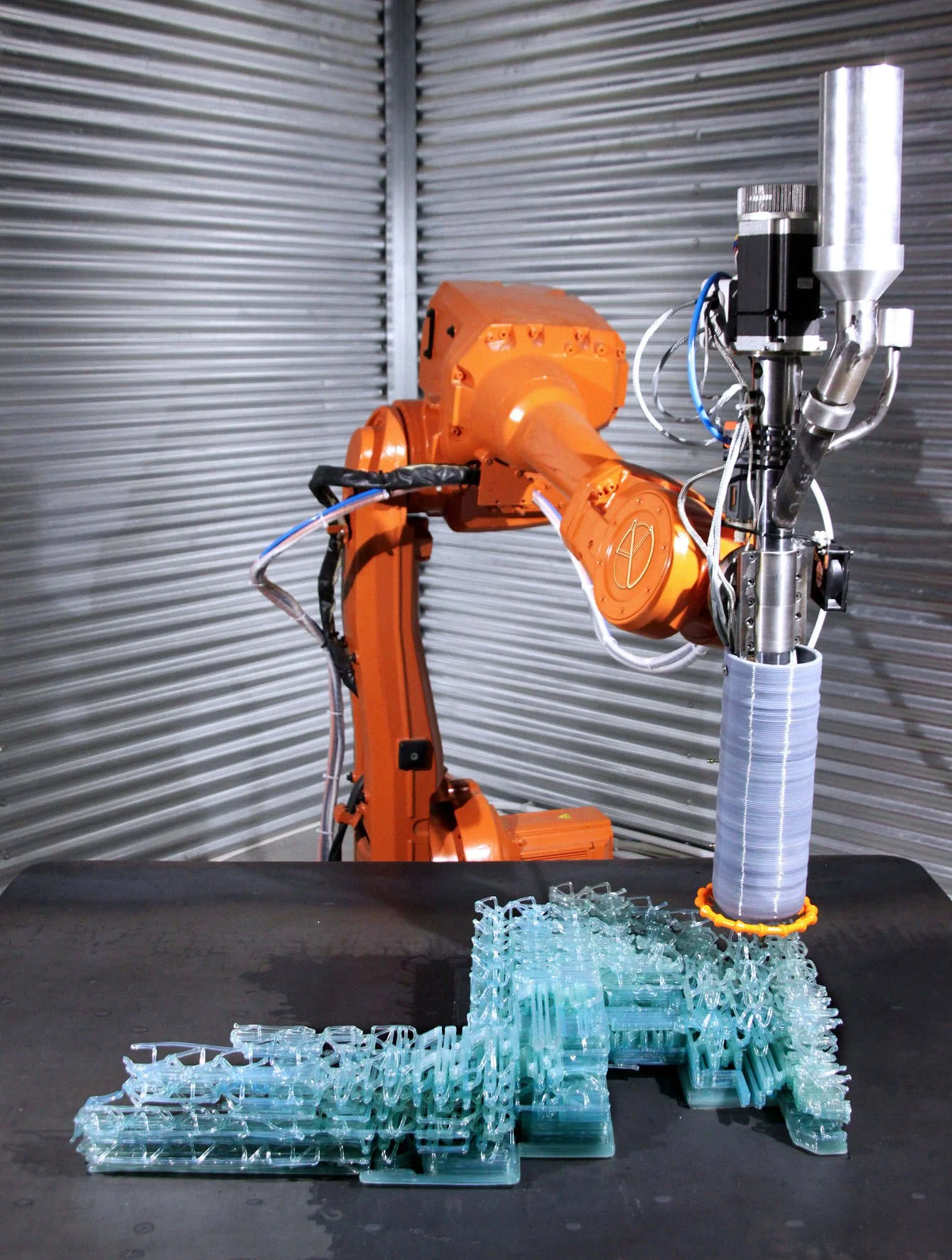
Key innovations: Development of projects like the "Circular Economy Innovation" program, which focuses on developing circular economy models that prioritize waste reduction, resource efficiency, and product life extension. The lab also explores sustainable materials and manufacturing practices through its Material Ecology and Digital Fabrication research groups.
Prioritization of local sourcing and closed-loop supply chains: Emphasis on using locally sourced materials and sustainable production methods to minimize environmental impact and support local economies.
Pioneering Solutions
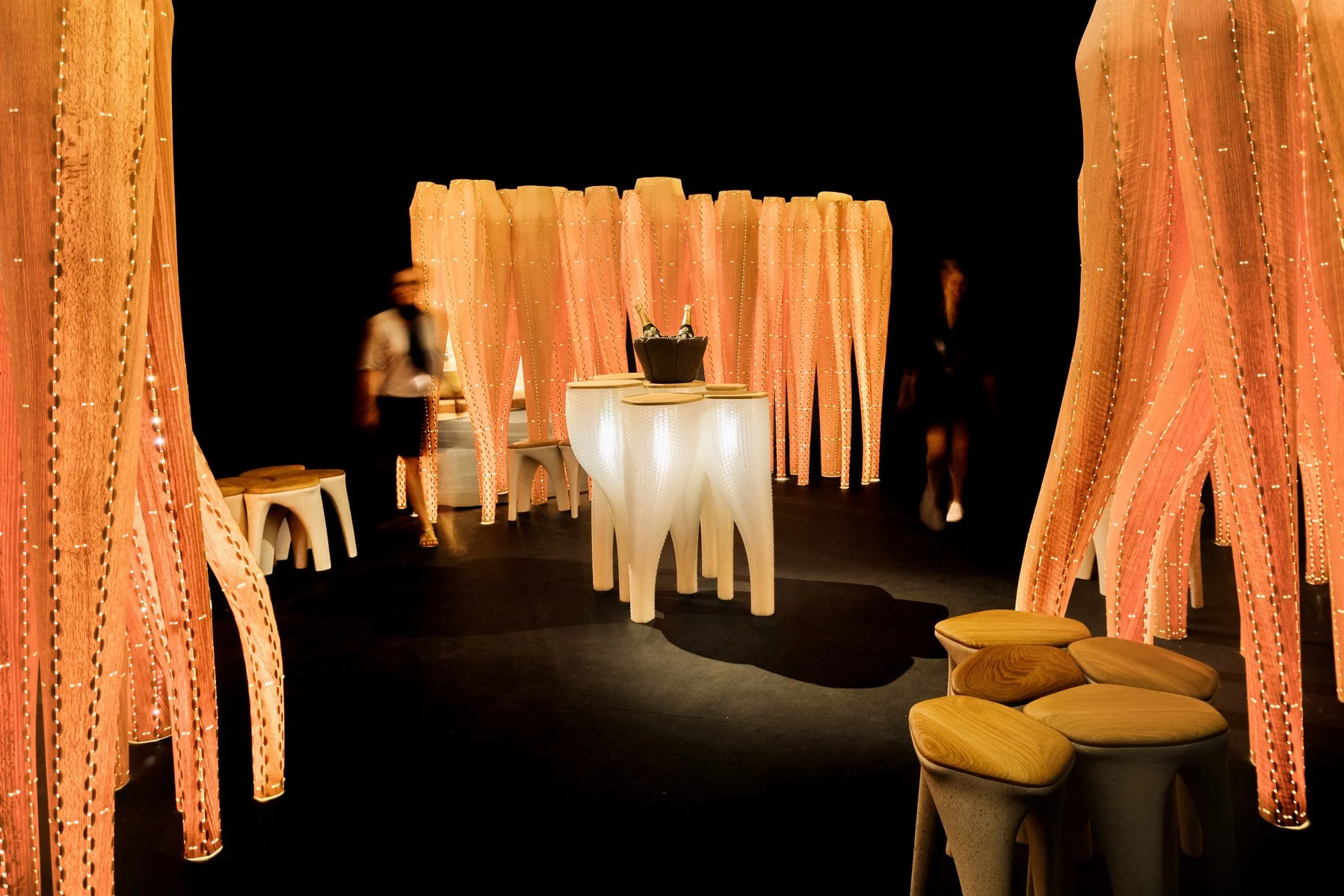
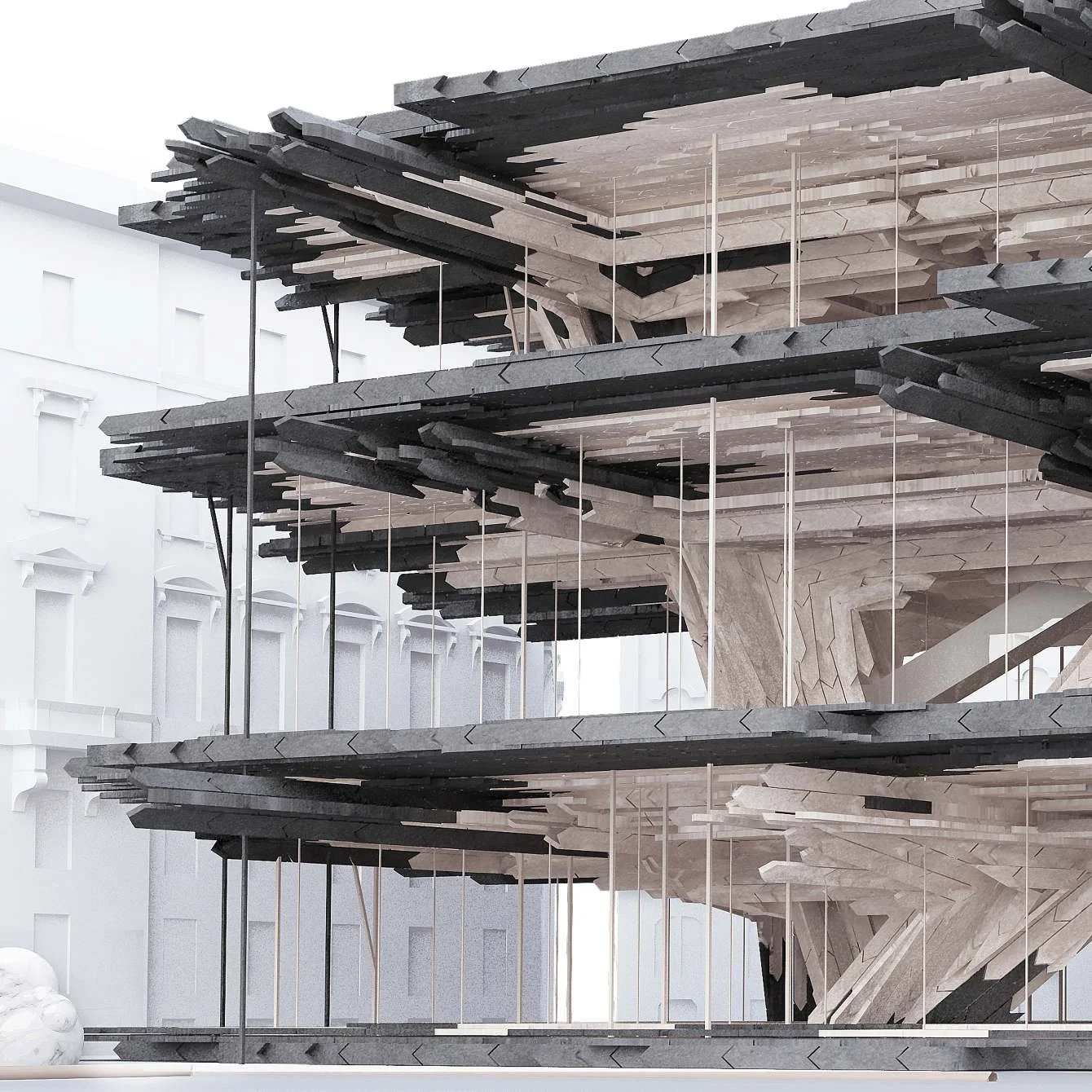
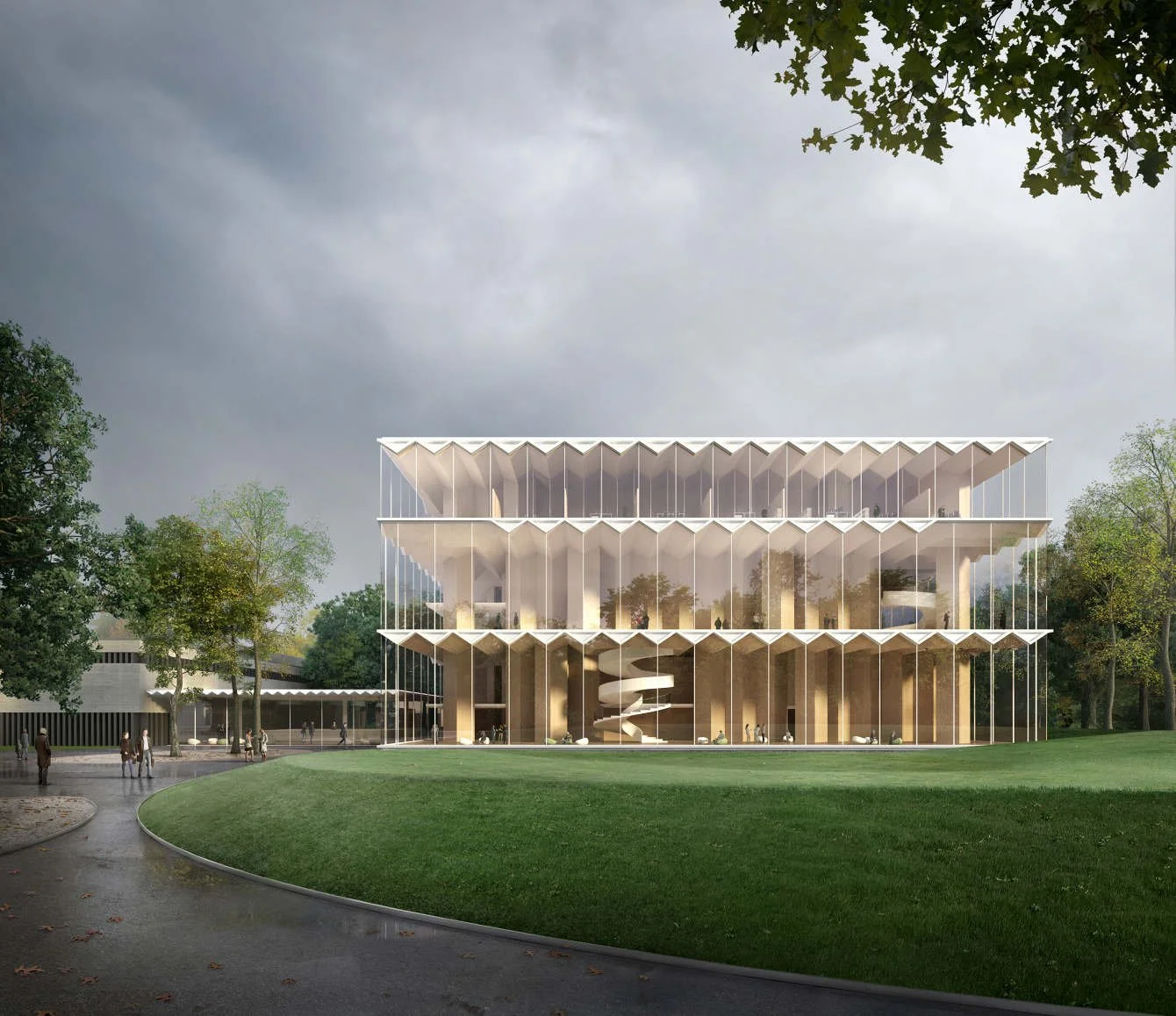
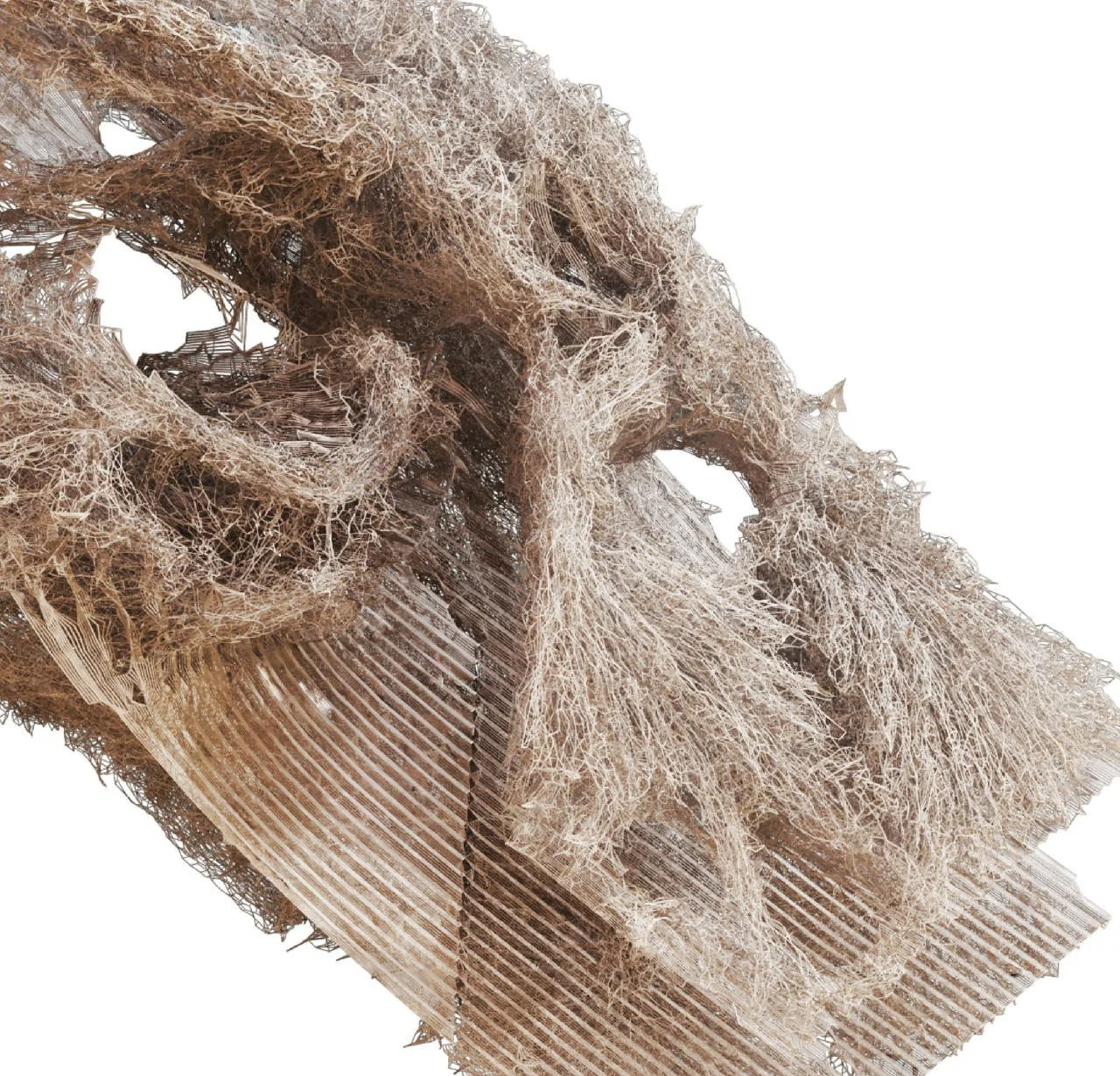
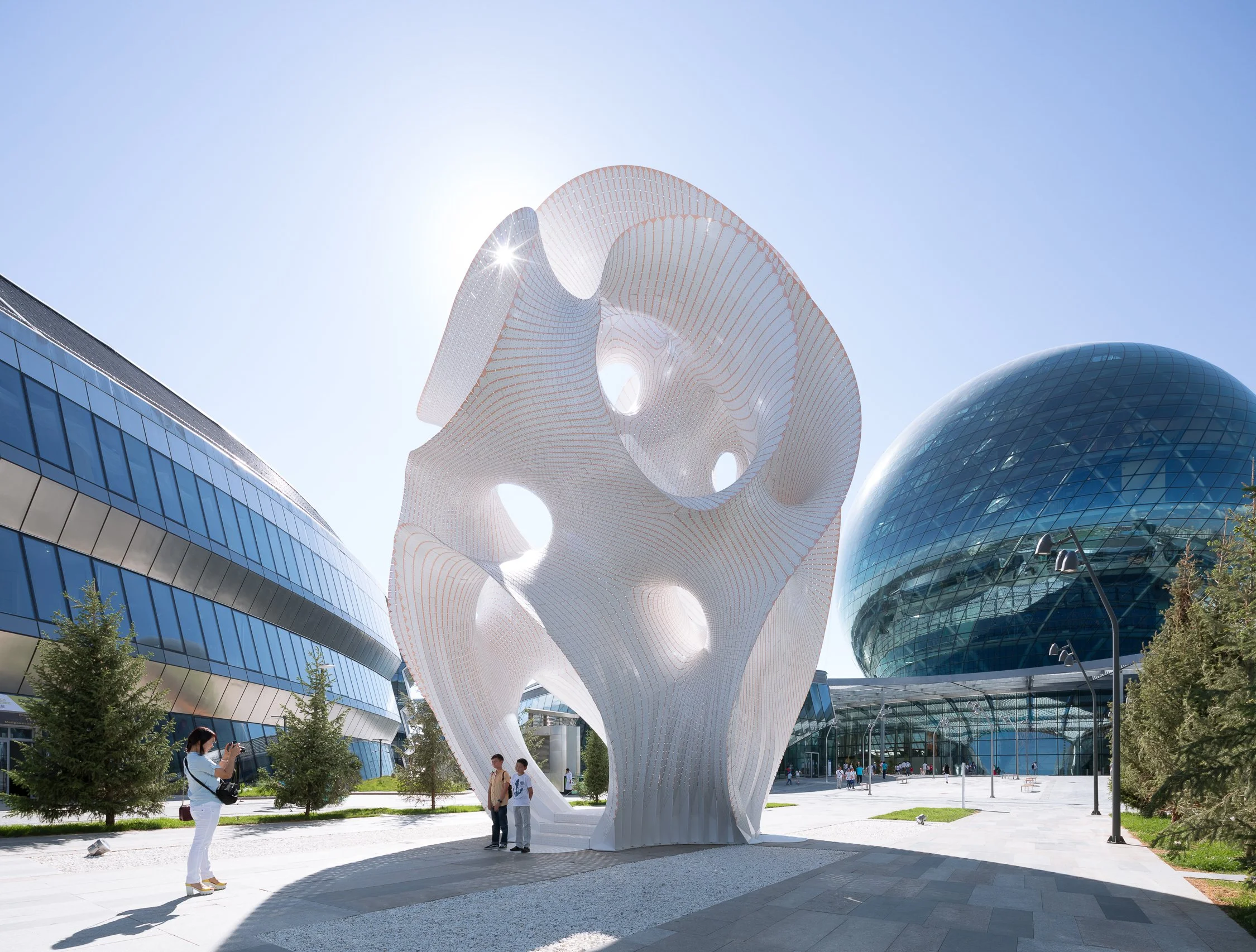
Flagship projects: "Aguahoja Pavilion" (biocomposite structure), "AIR-INK" (ink made from air pollution), and "Circular Economy Innovation" program (developing circular economy models).
Unique value propositions: High-quality, innovative research solutions that prioritize circularity, material reuse, and environmental responsibility. The MIT Media Lab's work is known for its ability to create transformative technologies and systems that connect with diverse audiences while promoting sustainability.
The Regenerative Future
R&D focus areas: Advancing sustainable design techniques, exploring new applications for biodegradable and bio-based materials, and developing solutions that further reduce waste and energy consumption in design and production processes.
Ambitious goals: To lead the research and technology industry in sustainable practices, create zero-waste products and systems, and inspire a shift towards a regenerative approach to design and environmental stewardship.
Fact Sheet
Commercial Availability: Research services and products available through collaborations, exhibitions, and partnerships with cultural institutions and businesses.
Circularity Rating: 5/5 (Strong focus on integrating circular economy principles in research and production).
Cost Rating: 4/5 (Competitive with high-end research services, with significant value in sustainability and innovation).
Material Passport: Detailed material traceability and use of biodegradable and sustainable materials in many projects.
Designed for Disassembly: Yes, many projects are designed with consideration for future adaptability and material reuse.
Carbon Performance: Focus on reducing carbon footprint through the use of sustainable materials and local production. Committed to minimizing environmental impact through efficient design and manufacturing processes.
Key Takeaway
The MIT Media Lab transforms the research and technology industry through innovative, sustainable solutions that prioritize circular economy principles, setting a benchmark for environmental responsibility and material innovation in contemporary design and technology.
Explore Further
The MIT Media Lab is an interdisciplinary research laboratory at the Massachusetts Institute of Technology (MIT), founded in 1985 by Nicholas Negroponte and former MIT President Jerome Wiesner. The lab was established with the mission to create technologies and experiences that enable people to understand and transform their lives, communities, and environments. The MIT Media Lab's current mission focuses on integrating circular economy principles into their research and projects, promoting sustainability and innovative solutions. Core values include innovation, sustainability, and interdisciplinary collaboration, with a purpose to redefine the relationship between technology, design, and the environment.
Location
Headquarters: Cambridge, Massachusetts, USA.
Primary manufacturing/operations locations: Various global locations for projects and collaborations.
The Circular Vision
Core circular economy principles: Designing out waste, using recycled and sustainable materials, and creating technologies and systems that promote environmental awareness and sustainable practices.
Key innovations: Development of projects like the "Circular Economy Innovation" program, which focuses on developing circular economy models that prioritize waste reduction, resource efficiency, and product life extension. The lab also explores sustainable materials and manufacturing practices through its Material Ecology and Digital Fabrication research groups.
Prioritization of local sourcing and closed-loop supply chains: Emphasis on using locally sourced materials and sustainable production methods to minimize environmental impact and support local economies.
Pioneering Solutions
Flagship projects: "Aguahoja Pavilion" (biocomposite structure), "AIR-INK" (ink made from air pollution), and "Circular Economy Innovation" program (developing circular economy models).
Unique value propositions: High-quality, innovative research solutions that prioritize circularity, material reuse, and environmental responsibility. The MIT Media Lab's work is known for its ability to create transformative technologies and systems that connect with diverse audiences while promoting sustainability.
The Regenerative Future
R&D focus areas: Advancing sustainable design techniques, exploring new applications for biodegradable and bio-based materials, and developing solutions that further reduce waste and energy consumption in design and production processes.
Ambitious goals: To lead the research and technology industry in sustainable practices, create zero-waste products and systems, and inspire a shift towards a regenerative approach to design and environmental stewardship.
Fact Sheet
Commercial Availability: Research services and products available through collaborations, exhibitions, and partnerships with cultural institutions and businesses.
Circularity Rating: 5/5 (Strong focus on integrating circular economy principles in research and production).
Cost Rating: 4/5 (Competitive with high-end research services, with significant value in sustainability and innovation).
Material Passport: Detailed material traceability and use of biodegradable and sustainable materials in many projects.
Designed for Disassembly: Yes, many projects are designed with consideration for future adaptability and material reuse.
Carbon Performance: Focus on reducing carbon footprint through the use of sustainable materials and local production. Committed to minimizing environmental impact through efficient design and manufacturing processes.
Key Takeaway
The MIT Media Lab transforms the research and technology industry through innovative, sustainable solutions that prioritize circular economy principles, setting a benchmark for environmental responsibility and material innovation in contemporary design and technology.
Explore Further

 Image 1 of 12
 Image 2 of 12
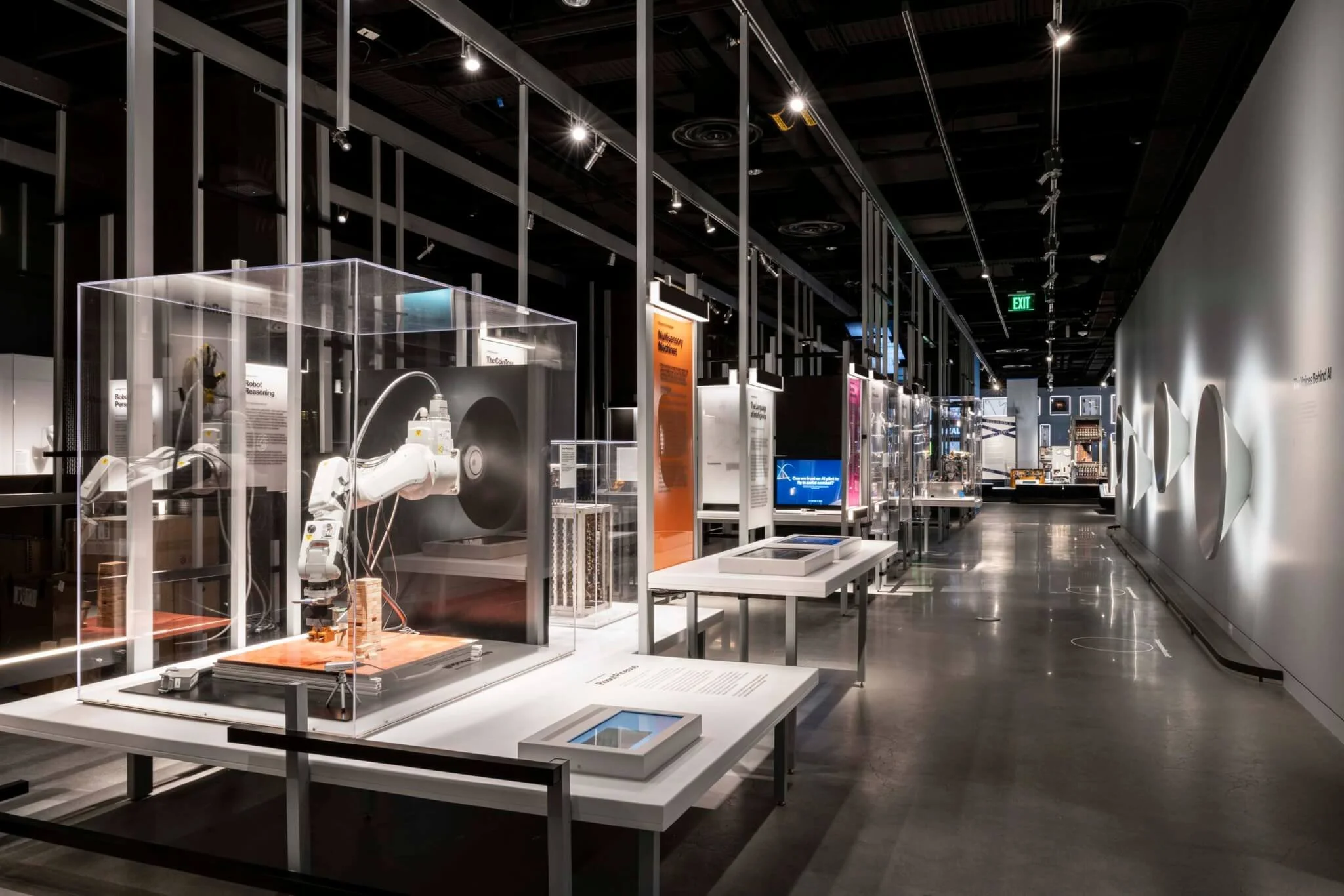 Image 3 of 12
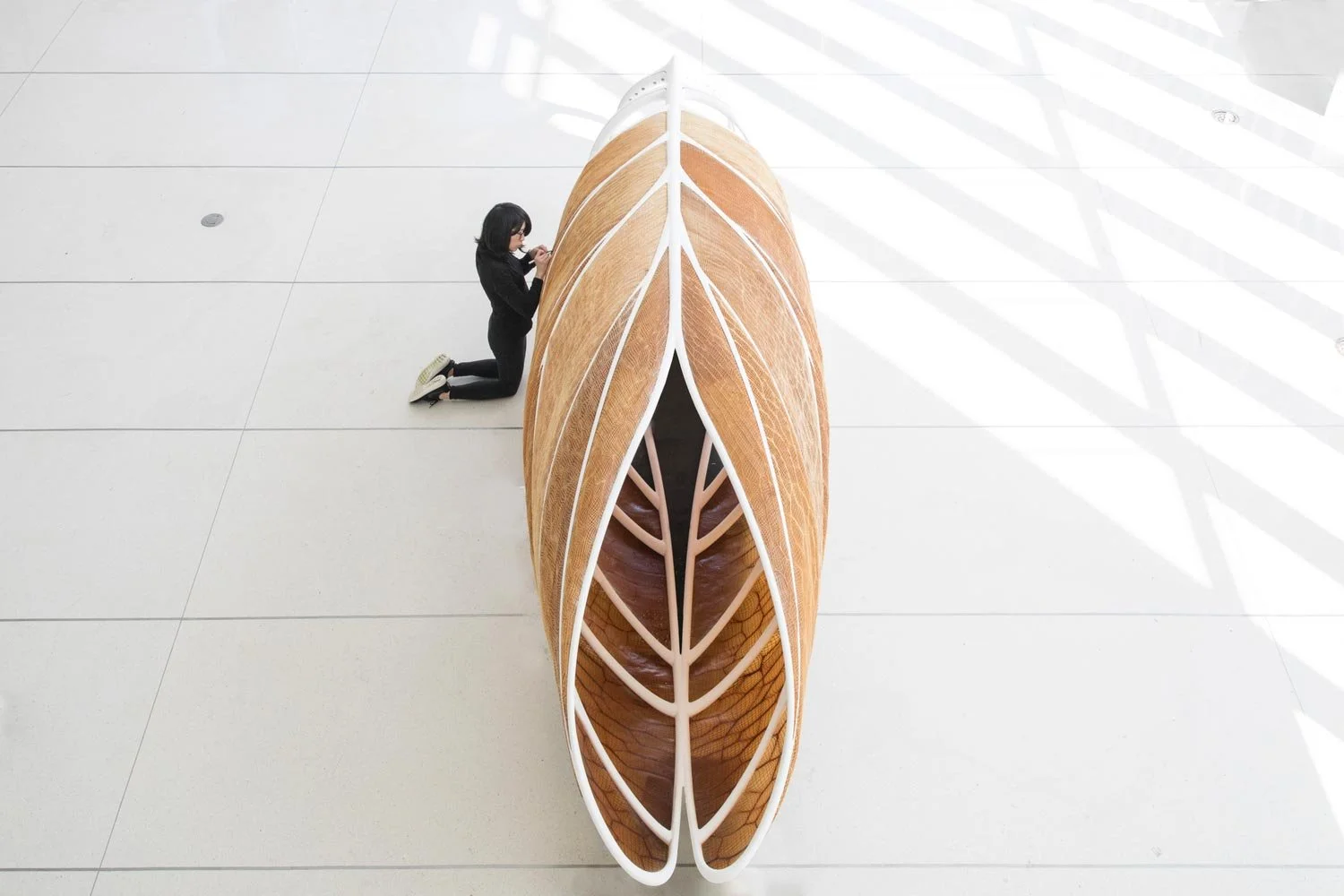 Image 4 of 12
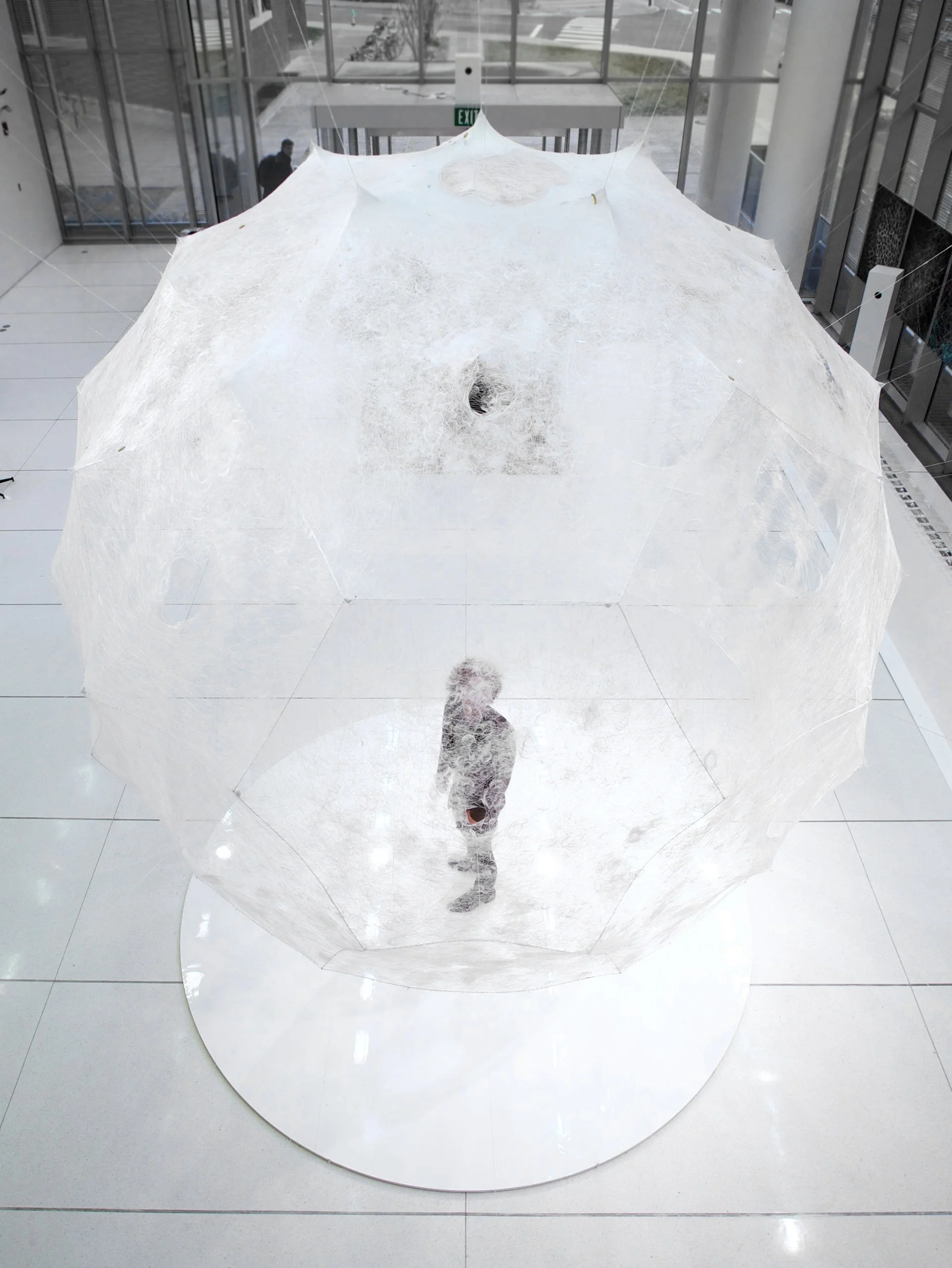 Image 5 of 12
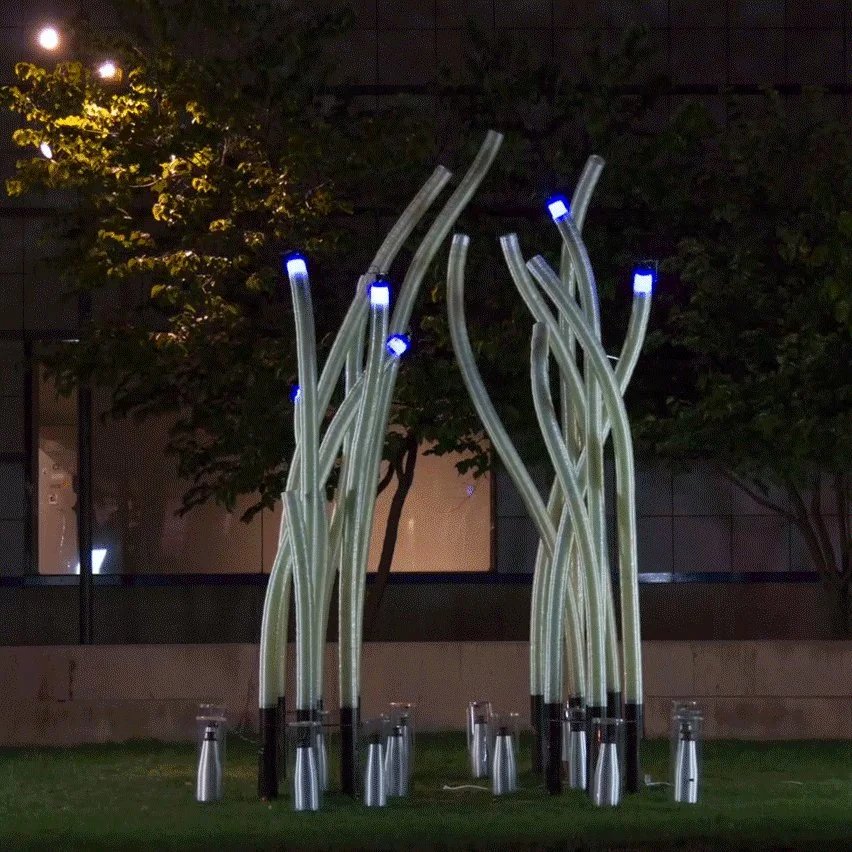 Image 6 of 12
 Image 7 of 12
 Image 8 of 12
 Image 9 of 12
 Image 10 of 12
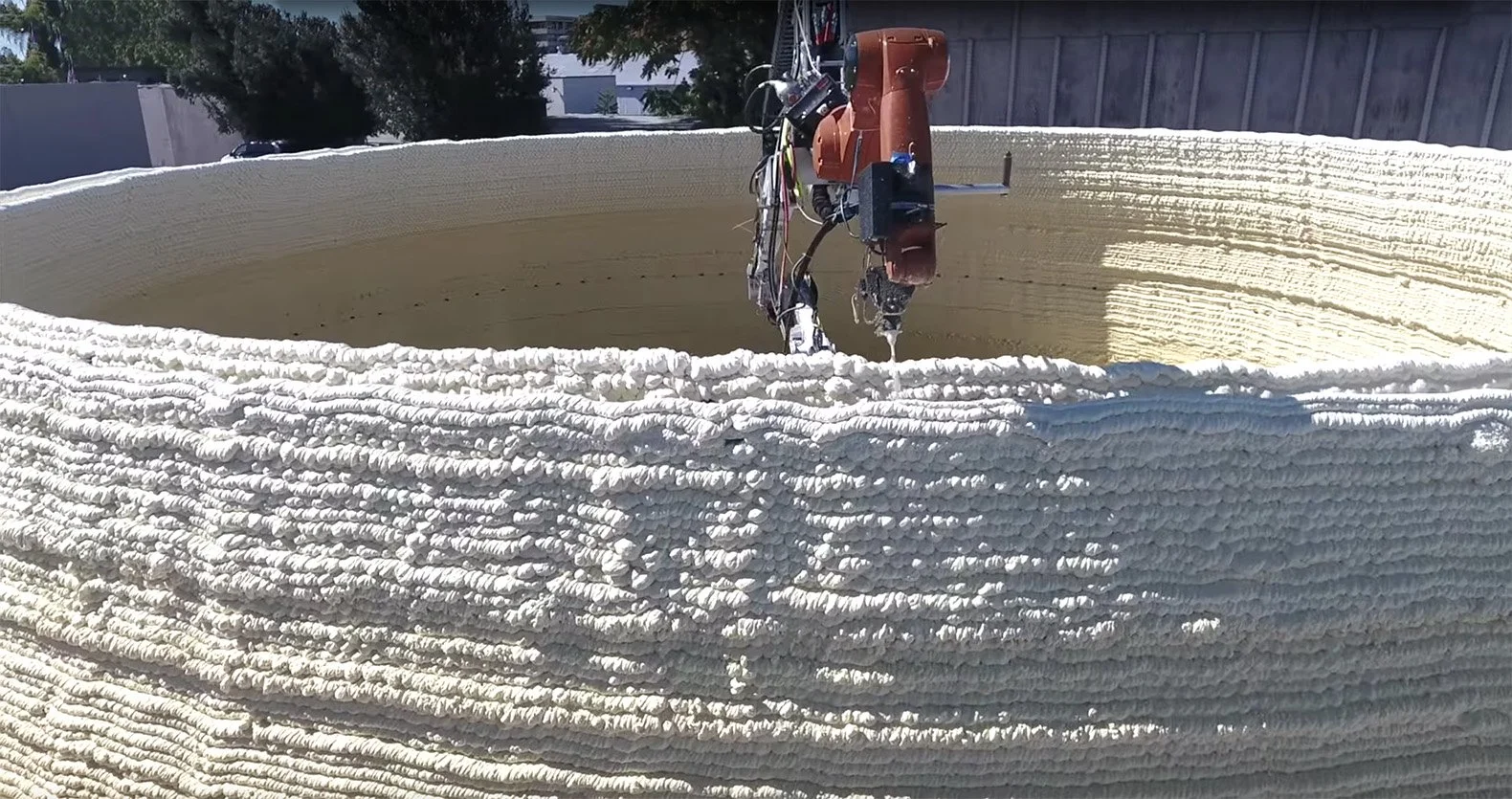 Image 11 of 12
 Image 12 of 12