
Circularish Design
Embracing Circular Principles: A Step Towards Sustainability
In recent years, the concept of "circularish" design has emerged as a crucial stepping stone towards a fully circular economy. But what does it mean to be "circularish," and why is it so important for our sustainable future?
Understanding Circularish Design
Circularish design represents an approach that incorporates circular economy principles to varying degrees, acknowledging that perfect circularity may not always be immediately achievable. It's about making incremental steps towards circularity, focusing on continuous improvement rather than perfection.
Why Circularish Matters
Pragmatic Transition: Circularish design offers a practical pathway for businesses to transition from linear to circular models.
Innovation Catalyst: The concept encourages creative thinking about incorporating circular principles.
Waste Reduction: Even partial implementation of circular principles can significantly reduce waste.
Resource Efficiency: Circularish designs often focus on using fewer resources or incorporating recycled materials.
Consumer Education: As more circularish products enter the market, consumers become more aware of circular economy principles.
The Impact on Different Sectors
The circularish approach is making waves across various industries:
Fashion: Experimenting with partially recyclable garments or recycled materials.
Packaging: Redesigning for recyclability or increased recycled content.
Electronics: Focusing on modular designs for easier repair and component replacement.
The Path Forward
While circularish design is not the end goal, it's a crucial step in the right direction. It allows businesses and consumers to start engaging with circular economy principles, driving innovation and gradually moving towards more comprehensive circular solutions.
As we continue to face environmental challenges, embracing circularish design can help us make significant strides towards a more sustainable and regenerative future. It's not about being perfect; it's about starting the journey towards circularity and continuously improving our approach to design and production.
Call to Action
Are you ready to embrace the circularish revolution in your own work? Start by evaluating your current design practices—what small changes can you make today? Join our community at NU Design Spaces for resources, tools, and inspiration to help you on your journey toward sustainable design. Together, we can drive meaningful change in the built environment!

AIRLAB (Architectural Intelligence Research Lab) is a multidisciplinary research laboratory based at the Singapore University of Technology and Design (SUTD). The lab was founded with the mission to explore the intersection of architecture, science, arts, and digital design and manufacturing. AIRLAB's current mission focuses on pushing the boundaries of architectural innovation through the incorporation of digital design and advanced manufacturing techniques. Core values include sustainability, innovation, and interdisciplinary collaboration, with a purpose to redefine the way architects design and build complex structures, advancing new levels of efficiency and aesthetics.
Location
Headquarters: Singapore University of Technology and Design (SUTD), Singapore.
Primary research/operations locations: Singapore.
Note: Strategic location within a leading technical university to foster innovation and collaboration with industry partners.
The Circular Vision
Core circular economy principles: Designing out waste, using sustainable materials, and creating structures that can be easily disassembled and reused.
Key innovations: Development of advanced 3D printing techniques and digital design tools to create lightweight, material-efficient structures. Projects like AIRMESH and Ultra-Light Networks exemplify the lab's commitment to reducing material waste and using sustainable materials.
Prioritization of local sourcing and closed-loop supply chains: Emphasis on using locally sourced materials and sustainable production methods to minimize environmental impact.
Pioneering Solutions
Flagship projects: AIRMESH, Ultra-Light Networks, Timescapes, and the Singapore Pavilion for the Seoul Biennale.
Unique value propositions: High-quality, sustainable architectural solutions that prioritize material efficiency, structural performance, and environmental responsibility. AIRLAB's innovations are known for their ability to significantly reduce material usage while maintaining or improving structural integrity.
The Regenerative Future
R&D focus areas: Advancing computational design tools, optimizing 3D printing processes for construction, and developing new applications for sustainable materials in architecture and engineering.
Ambitious goals: To lead the construction industry in sustainable practices, create zero-waste structures, and inspire a shift towards a regenerative approach to building design and construction.
Fact Sheet
Commercial Availability: Research outcomes available through academic publications, industry collaborations, and public exhibitions.
Environmental Product Declaration (EPD): Information not available for specific projects, but research focuses on reducing environmental impact.
Circularity Rating: 5/5 (Strong focus on circular economy principles in research and design).
Key Certifications: Information not available.
Cost Rating: Not directly applicable, but innovations aim to reduce construction costs through material efficiency.
Material Passport: Detailed material information provided for research projects and prototypes.
Designed for Disassembly: Yes, many projects focus on creating structures that can be easily disassembled and reused.
Carbon Performance: Strong focus on reducing carbon footprint through material-efficient designs and sustainable construction methods.
Key Takeaway
AIRLAB transforms the architecture and construction industries through innovative, sustainable structural design solutions, setting a benchmark for circularity and environmental responsibility in modern architecture and engineering.
Explore Further
AIRLAB website: https://airlab.sutd.edu.sg
Example project: AIRMESH
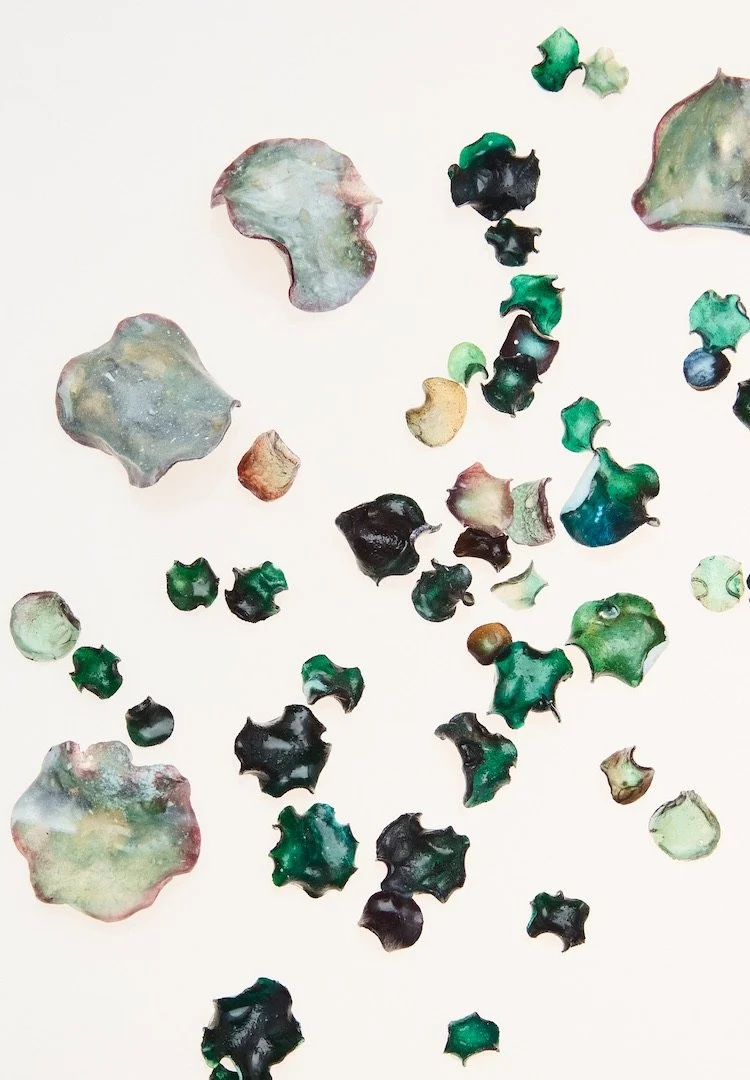
Alice Potts is a London-based designer and bio-fabricator known for her innovative approach to sustainable fashion and material research. She established her practice with the mission to explore the potential of biomaterials and human bodily fluids in design. Potts' current approach focuses on integrating circular economy principles into her design processes, creating wearable art and sustainable products from unconventional materials such as human sweat and food waste. Core values include sustainability, innovation, and biomaterial research, with a purpose to redefine the relationship between fashion, materials, and the environment.
Location
Headquarters: London, United Kingdom.
Primary manufacturing/operations locations: Various locations based on project requirements and collaborations..
The Circular Vision
Core circular economy principles: Designing out waste, using biodegradable and sustainable materials, and creating products that promote environmental awareness and sustainable practices.
Key innovations: Development of wearable art pieces such as the "INPerspire" baseball caps, which feature crystals grown from human sweat, and biodegradable face shields made from food waste and flowers.
Prioritization of local sourcing and closed-loop supply chains: Emphasis on using locally sourced waste materials and sustainable production methods to minimize environmental impact and support local economies.
Pioneering Solutions
Flagship projects: Potts' portfolio includes innovative projects such as "INPerspire" (baseball caps with sweat crystals), biodegradable face shields for the NGV Triennale, and various other works that explore the potential of biomaterials in fashion and design.
The Regenerative Future
R&D focus areas: Advancing sustainable material development techniques, exploring new applications for biomaterials, and developing solutions that further reduce waste and energy consumption in fashion and design production processes.
Ambitious goals: To lead the fashion industry in sustainable practices, create zero-waste products, and inspire a shift towards a regenerative approach to material design and usage.
Fact Sheet
Commercial Availability: Design pieces and services available through collaborations, exhibitions, and partnerships with brands and institutions.
Circularity Rating: 5/5 (Strong focus on integrating circular economy principles and waste reduction in design).
Cost Rating: High-end pricing for innovative and sustainable design pieces.
Material Passport: Detailed use of biomaterials and sustainable materials in projects, with emphasis on their environmental and ethical significance.
Designed for Disassembly: Yes, many projects focus on biodegradability and material reuse.
Carbon Performance: Focus on reducing carbon footprint through the use of sustainable materials and local production. Specific carbon metrics not provided.
Key Takeaway
Alice Potts transforms the fashion and design industry through innovative use of biomaterials and circular design principles, setting a benchmark for environmental responsibility and material innovation in contemporary design.
Explore Further
Alice Potts website: https://www.alicepotts.com

Zieta Studio is a design and architecture studio founded by Oskar Zięta in 2008. The studio was established with the mission to innovate in the field of design through the use of advanced technologies and sustainable practices. Zieta Studio's current mission focuses on creating lightweight, durable, and functional forms using their proprietary FiDU (Freie Innen Druck Umformung) technology, which involves inflating metal sheets to create three-dimensional objects. Core values include innovation, sustainability, and craftsmanship, with a purpose to redefine the relationship between design, materials, and environmental responsibility.
Location
Headquarters: Wrocław, Poland.
Note: Strategic location in Wrocław to leverage local expertise in design and manufacturing and foster international collaborations.
The Circular Vision
Core circular economy principles: Designing out waste, using sustainable and recyclable materials, and creating products that are long-lasting and fully recyclable.
Key innovations: FiDU technology, which allows for the creation of ultra-light, durable, and functional metal forms without the need for expensive tools or molds. This technology optimizes material usage and minimizes waste.
Prioritization of local sourcing and closed-loop supply chains: Emphasis on using locally sourced metals such as steel, copper, and aluminum, which are durable and recyclable, to minimize environmental impact and support local economies.
Pioneering Solutions
Flagship products: Plopp stools, Rondo mirrors, Tafla mirrors, and Ultraleggera chairs, all showcasing the innovative use of FiDU technology and sustainable design principles.
Unique value propositions: High-quality, sustainable design solutions that prioritize circularity, material reuse, and environmental responsibility. Zieta Studio's products are known for their innovative use of metal, lightweight construction, and long-lasting durability.
The Regenerative Future
R&D focus areas: Advancing FiDU technology, exploring new applications for sustainable materials, and developing design solutions that further reduce waste and energy consumption.
Ambitious goals: To lead the design industry in sustainable practices, create zero-waste products, and inspire a shift towards a regenerative approach to material design and usage.
Fact Sheet
Commercial Availability: Products available through direct sales, online store, and collaborations with design fairs and exhibitions.
Environmental Product Declaration (EPD): Information not available.
Circularity Rating: 5/5 (Strong focus on circular economy principles).
Key Certifications: Information not available.
Cost Rating: 4/5 (Competitive with high-end design products, with significant value in sustainability and innovation).
Material Passport: Detailed material traceability and use of recycled metals.
Designed for Disassembly: Yes, products are designed for easy disassembly and recycling.
Carbon Performance: Focus on reducing carbon footprint through the use of lightweight, recyclable materials and local production. Committed to minimizing environmental impact through efficient design and manufacturing processes.
Key Takeaway
Zieta Studio transforms the design and architecture industry through innovative, sustainable solutions that prioritize circular economy principles, setting a benchmark for environmental responsibility and material reuse in modern design.
Explore Further
Zieta Studio website: https://www.zieta.pl
Example project: FiDU Technology
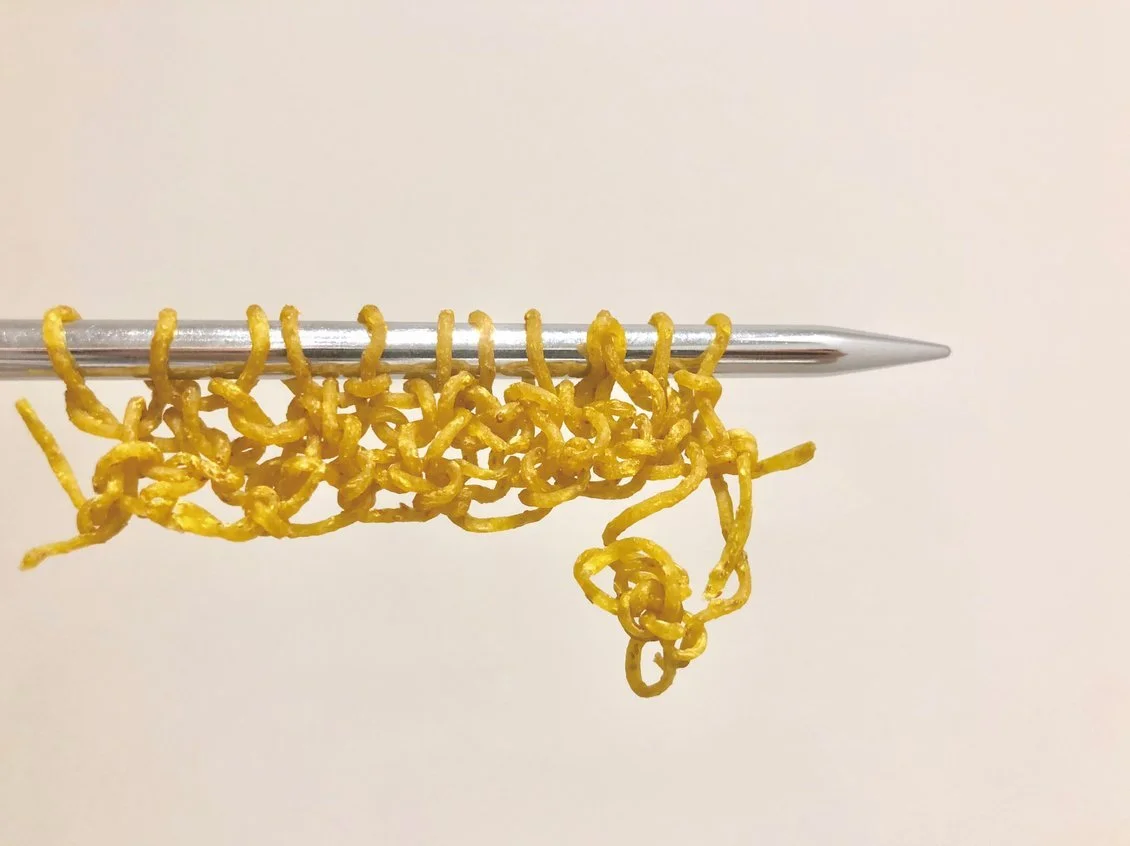
Youyang Song is a textile and material researcher and designer based in Berlin, Germany. She founded her studio with the mission to innovate in the field of sustainable materials and design. Her work focuses on developing biodegradable materials, innovating material production techniques, and designing eco-friendly products. Youyang Song's current mission is to establish a viable and complete ecosystem of products produced from biodegradable materials, creating an eco-friendly, sustainable business model based on zero-waste and zero-pollution guidelines. Core values include sustainability, innovation, and environmental responsibility, with a purpose to revolutionize the material and fashion-related industries.
Location
Headquarters: Berlin, Germany.
Note: Strategic location in Berlin to leverage local expertise in design and technology and foster international collaborations.
The Circular Vision
Core circular economy principles: Designing out waste, using biodegradable and recycled materials, and creating products that are fully recyclable and compostable.
Key innovations: Development of PEELSPHERE, a 100% biodegradable and circular material made from fruit waste and algae. This material exemplifies the integration of waste materials into new, valuable products.
Prioritization of local sourcing and closed-loop supply chains: Emphasis on using locally sourced biowaste and sustainable production methods to minimize environmental impact and support local economies.
Pioneering Solutions
Flagship products: PEELSPHERE, a biodegradable material used in various applications such as handbags and other fashion items. This material showcases the innovative use of biowaste and algae to create sustainable products.
Unique value propositions: High-quality, sustainable design solutions that prioritize circularity, material reuse, and environmental responsibility. Youyang Song's designs are known for their innovative use of biodegradable materials and focus on creating zero-waste products.
The Regenerative Future
R&D focus areas: Advancing the development of biodegradable materials, optimizing production processes for sustainability, and exploring new applications for circular economy principles in design.
Ambitious goals: To lead the material and fashion-related industries in sustainable practices, create zero-waste products, and inspire a shift towards a regenerative approach to material design and usage.
Fact Sheet
Commercial Availability: Products available through direct sales and collaborations with design fairs and exhibitions.
Circularity Rating: 5/5 (Strong focus on circular economy principles).
Cost Rating: 4/5 (Competitive with high-end design products, with significant value in sustainability and innovation).
Material Passport: Detailed material traceability and use of biodegradable and recycled materials.
Designed for Disassembly: Yes, products are designed for easy disassembly and composting.
Carbon Performance: Focus on reducing carbon footprint through the use of biodegradable materials and local production. Committed to minimizing environmental impact through efficient design and manufacturing processes.
Key Takeaway
Youyang Song transforms the material and fashion-related industries through innovative, sustainable solutions that prioritize circular economy principles, setting a benchmark for environmental responsibility and material reuse in modern design.
Explore Further
Youyang Song website: https://www.youyangsong.com
Example project: PEELSPHERE

Yinka Ilori Studio, founded by British-Nigerian artist and designer Yinka Ilori in 2017, is a multidisciplinary design practice based in London. The studio was established with the mission to create bold, colorful designs that draw on Ilori's dual heritage and convey new narratives through contemporary design. Yinka Ilori Studio's current mission focuses on creating accessible art and design that brings communities together and has a positive impact on society. Core values include sustainability, cultural storytelling, and social responsibility, with a purpose to redefine the relationship between design, community, and the environment.
Location
Headquarters: London, United Kingdom.
Primary manufacturing/operations locations: Various locations based on project requirements.
The Circular Vision
Core circular economy principles: Upcycling discarded materials, designing for longevity, and creating products that tell stories and foster emotional connections.
Key innovations: Development of furniture pieces and installations that repurpose discarded materials, such as the "If Chairs Could Talk" collection, which transforms abandoned chairs into sculptural pieces with cultural narratives.
Prioritization of local sourcing and closed-loop supply chains: Emphasis on using locally sourced, discarded materials and sustainable production methods to minimize environmental impact and support local communities.
Pioneering Solutions
Flagship projects: "If Chairs Could Talk" furniture collection, large-scale public installations, and architectural projects that incorporate upcycled materials and sustainable design principles.
Unique value propositions: High-quality, vibrant design solutions that prioritize circularity, cultural storytelling, and community engagement. Yinka Ilori Studio's work is known for its ability to transform discarded objects into meaningful, joyful pieces that connect with diverse audiences.
The Regenerative Future
R&D focus areas: Advancing upcycling techniques, exploring new applications for discarded materials in public spaces and architecture, and developing design solutions that further promote community engagement and cultural exchange.
Ambitious goals: To lead the design industry in sustainable practices, create zero-waste public installations, and inspire a shift towards a regenerative approach to urban design and community spaces.
Fact Sheet
Commercial Availability: Design services and products available through direct collaborations, exhibitions, and select retailers.
Circularity Rating: 4/5 (Strong focus on upcycling and sustainable design principles).
Key Certifications: Information not available.
Cost Rating: 4/5 (Competitive with high-end design services, with significant value in sustainability and cultural impact).
Material Passport: Detailed information on material origins, often incorporating upcycled and locally sourced materials.
Designed for Disassembly: Information not explicitly provided, but emphasis on upcycling suggests potential for future material reuse.
Carbon Performance: Focus on reducing carbon footprint through the use of discarded materials and local production. Committed to minimizing environmental impact through creative reuse of existing resources.
Key Takeaway
Yinka Ilori Studio transforms the design industry through innovative, culturally rich solutions that prioritize circular economy principles, setting a benchmark for upcycling, community engagement, and storytelling in contemporary design.
Explore Further
Yinka Ilori Studio website: https://yinkailori.com
About: https://yinkailori.com/about
Example project: Reflection in Numbers


Nagami is a Spanish design studio founded in 2016 by Manuel Jiménez García, Miguel Ángel Jimenez García, and Ignacio Veguera Ochoa. The company was established with the mission to explore the future of sustainable design through innovative 3D printing technologies. Nagami's current mission focuses on combining creativity, technology, and sustainability to develop customized 3D printing projects with recycled plastics at medium and large scales. Core values include sustainability, innovation, and responsibility, with a purpose to push the limits of imagination and create a new reality through 3D printing.
Location
Headquarters: Avila, Spain.
Primary manufacturing/operations locations: Avila, Spain.
Note: Strategic location in Spain to optimize local sourcing, distribution, and collaboration with industry partners.
The Circular Vision
Core circular economy principles: Designing out waste, using recycled materials, and creating products that are fully recyclable.
Key innovations: Development of large-scale robotic 3D printing technology that can create complex geometries using recycled plastics. Nagami's process allows for the creation of intricate designs that are often impossible to achieve through conventional manufacturing methods.
Prioritization of local sourcing and closed-loop supply chains: Emphasis on using locally sourced recycled plastics and sustainable production methods to minimize environmental impact and support a circular economy.
Pioneering Solutions
Flagship products: Custom 3D-printed furniture, architectural elements, and interior design solutions.
Unique value propositions: High-quality, sustainable design solutions that prioritize circularity, material reuse, and environmental responsibility. Nagami's products are known for their innovative design, use of recycled materials, and ability to create complex geometries.
The Regenerative Future
R&D focus areas: Advancing 3D printing technologies, optimizing production processes, and developing new applications for recycled plastics in design and architecture.
Ambitious goals: To lead the design and architecture industries in sustainable practices, create zero-waste products, and inspire a shift towards a regenerative approach to production and consumption.
Fact Sheet
Commercial Availability: Products available globally through direct collaborations with designers, architects, and brands.
Environmental Product Declaration (EPD): Information not available.
Circularity Rating: 5/5 (Strong focus on circular economy principles).
Key Certifications: Information not available.
Cost Rating: 4/5 (Competitive with conventional alternatives, with a focus on sustainable materials and innovative design).
Material Passport: Detailed material traceability and use of 100% post-industrial recycled plastics.
Designed for Disassembly: Yes, products are designed for easy disassembly and recycling.
Carbon Performance: Focus on reducing carbon footprint through sustainable materials and local production. Committed to accelerating recycling rates and reducing global carbon footprint.
Key Takeaway
Nagami transforms the design and architecture industries through innovative, sustainable 3D printing solutions, setting a benchmark for circularity and environmental responsibility in modern production.
Explore Further
Nagami website: https://nagami.design/en/
Sustainability overview: https://nagami.design/en/sustainability/
Example project: Ecoalf store interior - https://nagami.design/en/project/ecoalf/