P R O L E A R N

ZERO WASTE
Zero Waste is a holistic approach to resource management that aims to prevent waste generation, maximise resource recovery, and ensure that no materials are sent to landfills, incinerators, or the ocean. It encourages the redesign of product lifecycles to enable all materials to be reused or recycled.
Key Principles
Rethink/Redesign: Design products and systems to reduce waste and toxicity.
Reduce: Minimise consumption and waste generation.
Reuse: Maximise the continued use of products and materials.
Recycle/Compost: Process materials to return to the economic mainstream.
Recover: Capture all discarded resources for reuse.
Benefits
Environmental Impact: Zero waste strategies can reduce a company's carbon footprint by up to 50%.
Cost Savings: Implementing zero waste practices can lead to significant reductions in waste disposal costs, sometimes up to 70%.
Resource Efficiency: Promotes a circular economy, conserving natural resources and reducing reliance on raw materials.
Challenges and Considerations
Initial Investment: Implementing zero waste systems may require upfront costs for new infrastructure and processes.
Behavioural Change: Requires significant shifts in consumer and corporate behaviour.
Complex Supply Chains: Achieving zero waste often involves collaboration across entire supply chains.
Innovative Applications
Closed-Loop Manufacturing: Companies like Ford have achieved up to 91% waste diversion by implementing innovative recycling programs.
Compostable Packaging: Businesses are developing packaging materials that break down completely, leaving no waste.
Waste-to-Energy Systems: Some facilities are converting non-recyclable waste into energy, though this is considered a last resort in the zero waste hierarchy.
Future Outlook
As environmental concerns grow, we can expect zero waste principles to become increasingly integrated into business operations and government policies. Advances in material science and recycling technologies may lead to new solutions for hard-to-recycle materials.
Call to Action:
Evaluate your current waste management practices and identify opportunities to implement zero waste strategies. Consider conducting a waste audit and developing a roadmap towards zero waste for your organisation.
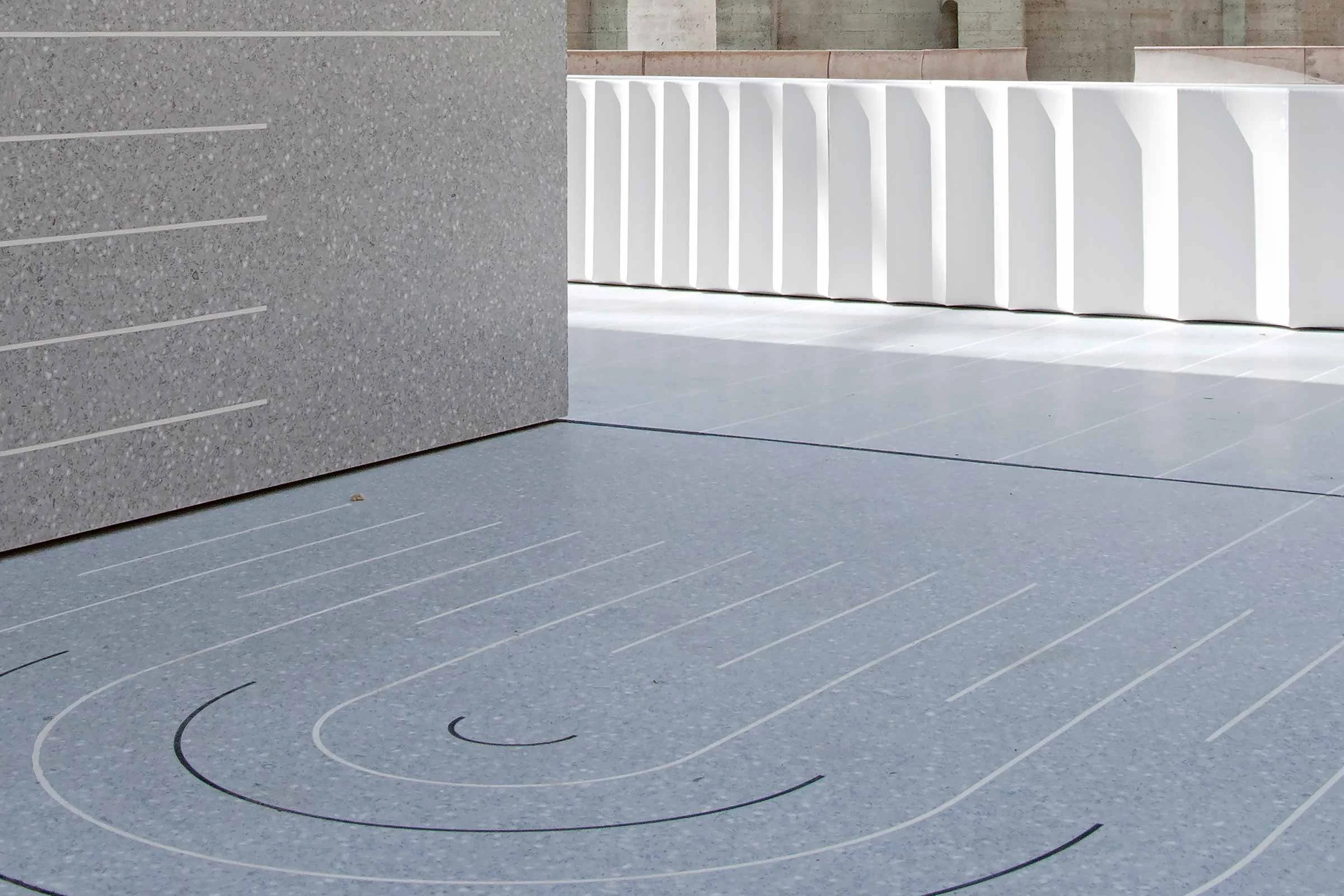
Pattern Terrazzo X Durabella Floors
Aectual is a pioneering company founded in 2017 by Hans Vermeulen, Hedwig Heinsman, and Martine de Wit. The company specializes in producing architectural and interior products using advanced 3D printing technology. Aectual's mission is to democratize design by making high-quality, customizable, and sustainable architectural products accessible to everyone. Their core values include sustainability, innovation, and circularity, with a purpose to revolutionize the construction industry by reducing waste and carbon emissions through their unique 3D printing processes.
Location
Headquarters: Amsterdam, Netherlands.
Primary manufacturing/operations locations: Amsterdam, Netherlands.
Note: Aectual collaborates with global partners to optimize local sourcing and distribution.
The Circular Vision
Core circular economy principles: Designing out waste, using recycled and bio-based materials, and creating products that are fully recyclable.
Key innovations: Development of 3D printed terrazzo floors using bio-based and recycled materials, customizable designs, and a zero-waste production process.
Prioritization of local sourcing and closed-loop supply chains: Aectual emphasizes local sourcing and closed-loop supply chains to minimize environmental impact and enhance sustainability.
Pioneering Solutions
Flagship product: 3D printed terrazzo floors.
Unique value propositions: Customizable designs, high-quality and wear-resistant materials, sustainable production methods, and significant cost and time savings compared to traditional flooring solutions.
The Regenerative Future
R&D focus areas: Advancing 3D printing technologies, developing new sustainable materials, and optimizing circular design processes.
Ambitious goals: To scale circularity in the construction industry, significantly reduce global waste and carbon emissions, and make high-quality design accessible to a broader audience.
Fact Sheet
Commercial Availability: Available for commercial projects and direct purchase through Aectual's platform.
Environmental Product Declaration (EPD): Information not available.
Circularity Rating: 5/5 (Designed for 100% circularity).
Key Certifications: Information not available.
Cost Rating: 4/5 (Competitive with conventional alternatives, with significant cost savings in custom designs).
Material Passport: Extensive use of bio-based and recycled materials, detailed material traceability.
Designed for Disassembly: Yes, products are designed for easy disassembly and recycling.
Carbon Performance: Focus on reducing carbon footprint through sustainable materials and processes.
Key Takeaway
Aectual's 3D printed terrazzo floors are a pioneering solution in sustainable architecture, offering customizable, high-quality, and eco-friendly flooring options that set a new standard for circularity in the construction industry.
Explore Further
Aectual website: https://www.aectual.com
Sustainability overview: https://www.aectual.com/about
Example product: 3D printed terrazzo floors - https://www.aectual.com/systems/pattern-terrazzo

The New Raw is a research and design studio founded in 2015 by architects Panos Sakkas and Foteini Setaki. Based in Rotterdam, Netherlands, the studio was established with the mission to give new life to discarded materials through design, robots, and craftsmanship. The New Raw's current mission focuses on transforming plastic waste into beautiful and meaningful products that are 100% circular. Core values include innovation, sustainability, and digital craftsmanship, with a purpose to redefine the relationship between waste, design, and environmental responsibility.
Location
Headquarters: Rotterdam, Netherlands.
Primary manufacturing/operations locations: Various locations for projects and collaborations, including Thessaloniki, Greece.
Note: Strategic location in Rotterdam to leverage local expertise in design and technology and foster international collaborations.
The Circular Vision
Core circular economy principles: Designing out waste, using recycled materials, and creating products that are fully recyclable and sustainable.
Key innovations: Development of robotic 3D printing techniques to transform plastic waste into functional and aesthetic products. Projects like "Print Your City" and the "Zero Waste Lab" exemplify the integration of circular design principles and community engagement.
Prioritization of local sourcing and closed-loop supply chains: Emphasis on using locally sourced plastic waste and sustainable production methods to minimize environmental impact and support local economies.
Pioneering Solutions
Flagship projects: "Print Your City" (transforming city plastic waste into urban furniture), "Zero Waste Lab" (a community recycling initiative in Thessaloniki), and "Pots Plus" (3D-printed street furniture with integrated planters).
Unique value propositions: High-quality, innovative design solutions that prioritize circularity, material reuse, and environmental responsibility. The New Raw's work is known for its ability to create immersive, community-focused environments that promote sustainability and circular economy principles.
The Regenerative Future
R&D focus areas: Advancing robotic 3D printing techniques, exploring new applications for recycled plastic materials, and developing solutions that further reduce waste and energy consumption in design and production processes.
Ambitious goals: To lead the design industry in sustainable practices, create zero-waste products and installations, and inspire a shift towards a regenerative approach to design and environmental stewardship.
Fact Sheet
Commercial Availability: Design services and products available through direct collaborations, exhibitions, and select clients.
Environmental Product Declaration (EPD): Information not available.
Circularity Rating: 5/5 (Strong focus on integrating circular economy principles in design and production).
Key Certifications: Information not available.
Cost Rating: 4/5 (Competitive with high-end design services, with significant value in sustainability and innovation).
Material Passport: Detailed material traceability and use of recycled and recyclable materials.
Designed for Disassembly: Yes, products and installations are designed for easy disassembly and recycling.
Carbon Performance: Focus on reducing carbon footprint through the use of recycled materials and local production. Committed to minimizing environmental impact through efficient design and production processes.
Key Takeaway
The New Raw transforms the design industry through innovative, sustainable solutions that prioritize circular economy principles, setting a benchmark for environmental responsibility and material reuse in contemporary design.
Explore Further
The New Raw website: https://www.thenewraw.org
About: https://thenewraw.org/Studio
Example project: Zero Waste Lab

Charlotte Kidger is a London-based material designer and maker known for her innovative use of industrial waste materials. She established her practice with the mission to transform overlooked and valueless materials into desirable and functional objects. Kidger's current approach focuses on integrating circular economy principles into her design processes, creating sculptural and functional pieces from recycled polyurethane foam dust. Core values include sustainability, innovation, and craftsmanship, with a purpose to redefine the relationship between design, materials, and the environment.
Location
Headquarters: London, United Kingdom.
Primary manufacturing/operations locations: Various locations in the UK, particularly in collaboration with local CNC factories.
The Circular Vision
Core circular economy principles: Designing out waste, using recycled industrial materials, and creating products that promote environmental awareness and sustainable practices.
Key innovations: Development of a durable composite material made from 70% waste polyurethane foam dust and 30% resin. This material is used to create a range of sculptural and functional objects, including furniture and display units.
Prioritization of local sourcing and closed-loop supply chains: Emphasis on using locally sourced waste materials from CNC factories and sustainable production methods to minimize environmental impact and support local economies.
Pioneering Solutions
Flagship projects: Kidger's portfolio includes innovative projects such as the "Industrial Craft" collection (furniture and objects made from recycled polyurethane foam dust), collaborations with Browns Fashion for store displays, and public art installations like the Zurich Insurance commission in Swindon Town Centre.
The Regenerative Future
R&D focus areas: Advancing sustainable material development techniques, exploring new applications for recycled industrial waste, and developing solutions that further reduce waste and energy consumption in design and production processes.
Ambitious goals: To lead the design industry in sustainable practices, create zero-waste products, and inspire a shift towards a regenerative approach to material design and usage.
Fact Sheet
Commercial Availability: Design pieces and services available through galleries, exhibitions, and direct commissions.
Circularity Rating: 5/5 (Strong focus on integrating circular economy principles and waste reduction in design).
Key Certifications: Finalist in the HIX Art Award, Creaftiga, and Design Blok Prague; selected for Crafts Council Hothouse Programme.
Cost Rating: High-end pricing for innovative and sustainable design pieces.
Material Passport: Detailed use of recycled polyurethane foam dust and other sustainable materials in projects, with emphasis on their environmental and ethical significance.
Designed for Disassembly: Yes, many products focus on recyclability and material reuse.
Carbon Performance: Focus on reducing carbon footprint through the use of recycled materials and local production. Specific carbon metrics not provided.
Key Takeaway
Charlotte Kidger transforms the design industry through innovative use of recycled industrial waste materials, setting a benchmark for environmental responsibility and material innovation in contemporary design.
Explore Further
Charlotte Kidger website: https://www.charlottekidger.com

Hors Studio is a Paris-based design firm founded by Elodie Michaud and Rebecca Fezard in 2016. The studio was established with the mission to explore the transformation of materials and their ennoblement, focusing on sustainable and environmentally conscious design. Hors Studio's current mission emphasizes creating biomaterials from waste materials, promoting circular economy principles in design. Core values include sustainability, innovation, and material research, with a purpose to redefine the relationship between design, materials, and the environment.
Location
Headquarters: Paris, France.
Primary manufacturing/operations locations: Various locations based on project requirements and collaborations.
The Circular Vision
Core circular economy principles: Designing out waste, using recycled and waste materials, and creating products that promote environmental awareness and sustainable practices.
Key innovations: Development of biomaterials from waste materials, including the Precious Kitchen project, an open-source platform for material design through waste recovery.
Prioritization of local sourcing and closed-loop supply chains: Emphasis on using locally sourced waste materials and sustainable production methods to minimize environmental impact and support local economies.
Pioneering Solutions
Flagship projects: Hors Studio's portfolio includes innovative projects such as Precious Kitchen (an open-source platform for material design using waste), and various projects exploring the transformation of waste materials into valuable design resources.
The Regenerative Future
R&D focus areas: Advancing sustainable material development techniques, exploring new applications for waste materials, and developing solutions that further reduce waste and energy consumption in design and production processes.
Ambitious goals: To lead the design industry in sustainable practices, create zero-waste products, and inspire a shift towards a regenerative approach to material design and usage.
Fact Sheet
Commercial Availability: Design services and products available through collaborations, exhibitions, and partnerships with brands and institutions.
Circularity Rating: 5/5 (Strong focus on integrating circular economy principles and waste reduction in design).
Material Passport: Detailed material traceability and use of recycled and waste materials in projects.
Designed for Disassembly: Information not explicitly provided, but emphasis on sustainable practices suggests consideration for material lifecycle.
Carbon Performance: Focus on reducing carbon footprint through the use of waste materials and local production. Committed to minimizing environmental impact through efficient design and manufacturing processes.
Key Takeaway
Hors Studio transforms the design industry through innovative, sustainable solutions that prioritize circular economy principles, setting a benchmark for environmental responsibility and material innovation in contemporary design.
Explore Further
Hors Studio website: https://www.hors-studio.fr
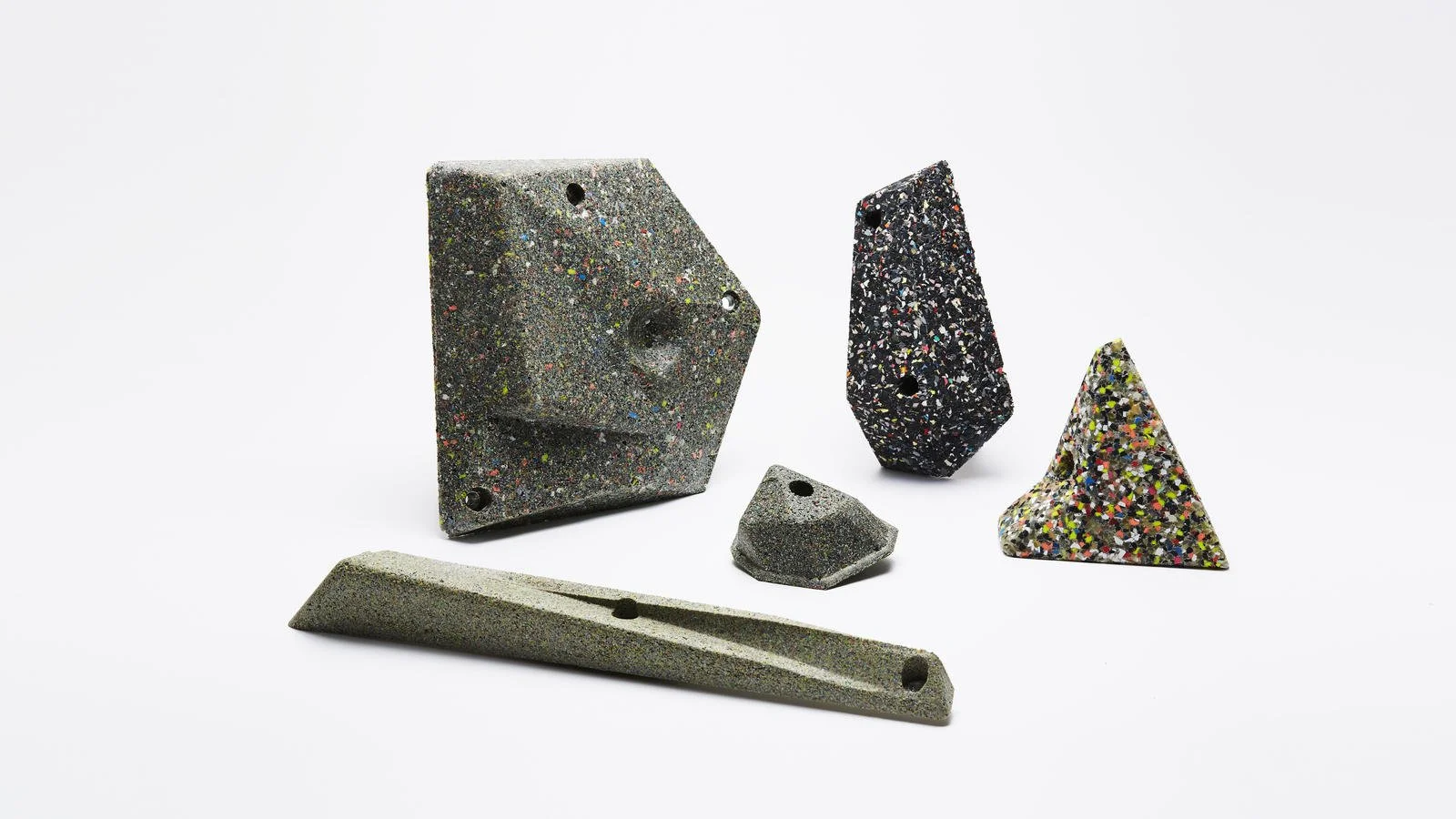
Nike Grind is a global sustainability program initiated by Nike, Inc. in 1992. The program was founded with the mission to repurpose manufacturing scrap and end-of-life shoes into new, high-performance materials. Nike Grind's current mission is to drive a circular future where waste is eliminated, and materials are continuously reused. The core values of Nike Grind include innovation, sustainability, and responsibility, aiming to transform waste into valuable resources and reduce the environmental impact of Nike's products.
Location
Headquarters: Beaverton, Oregon, USA.
Primary manufacturing/operations locations: Various locations globally, leveraging Nike's extensive manufacturing network.
Note: Strategic locations for local sourcing and distribution to minimize environmental impact.
The Circular Vision
Core circular economy principles: Designing out waste, using recycled materials, and creating products that are fully recyclable.
Key innovations: Development of high-performance materials from manufacturing scrap and end-of-life shoes, integration of recycled materials into new products, and closed-loop manufacturing processes.
Prioritization of local sourcing and closed-loop supply chains: Emphasis on local materials and production to reduce environmental impact and support local economies.
Pioneering Solutions
Flagship products: Nike Grind materials used in sports surfaces, footwear, and apparel.
Unique value propositions: High-performance, sustainable materials that reduce waste and environmental impact, and support for a circular economy.
The Regenerative Future
R&D focus areas: Advancing recycling technologies, developing new sustainable materials, and optimizing circular design processes.
Ambitious goals: To scale circularity across the entire Nike product line, significantly reduce global waste and carbon emissions, and lead the industry in sustainable practices.
Fact Sheet
Commercial Availability: Nike Grind materials are used in various Nike products and available for use in other industries.
Environmental Product Declaration (EPD): Information not available.
Circularity Rating: 5/5 (Designed for full circularity).
Key Certifications: Information not available.
Cost Rating: 4/5 (Competitive with conventional alternatives, with significant cost savings in sustainable materials).
Material Passport: Detailed material traceability and use of recycled and sustainable materials.
Designed for Disassembly: Yes, products are designed for easy disassembly and recycling.
Carbon Performance: Focus on reducing carbon footprint through sustainable materials and local production.
Key Takeaway
Nike Grind is a pioneering program that transforms waste into high-performance materials, driving significant advancements in circularity and sustainability within the sportswear industry.
Explore Further
Nike Grind website: https://www.nikegrind.com
Sustainability overview: https://www.nikegrind.com/about
Example product: Nike Grind materials - https://www.nikegrind.com/materials

Biomason is a pioneering company founded in 2012 by Ginger Krieg Dosier and Michael Dosier. The company was established with the mission to revolutionize the construction industry by developing a sustainable and eco-friendly alternative to traditional cement. Biomason's founding inspiration was to create a planet-friendly construction material by mimicking nature's process of building durable structures like coral reefs and seashells. The current mission focuses on leading the global transition to sustainable construction through the production of Biocement®, a revolutionary cement grown using microorganisms. Core values include sustainability, innovation, and responsibility, with a purpose to eliminate the world's dependence on carbon-emitting construction materials.
Location
Headquarters: Research Triangle Park, North Carolina, USA.
Primary manufacturing/operations locations: Ikast, Denmark (Biobeton factory in partnership with IBF).
Note: Strategic locations to foster innovation, collaboration with partners, and establish global manufacturing capabilities.
The Circular Vision
Core circular economy principles: Designing out waste, using renewable and sustainable materials, and creating products that are fully recyclable.
Key innovations: Development of Biocement®, a cement-like material grown using microorganisms that combine natural materials into a binder, eliminating the need for high-temperature kilns and reducing carbon emissions by over 90% compared to traditional cement production.
Prioritization of local sourcing and closed-loop supply chains: Emphasis on using locally sourced materials and sustainable production methods to minimize environmental impact and support local economies.
Pioneering Solutions
Flagship products: Biocement®-based products, including bioLITH tiles, pavers, and precast concrete elements.
Unique value propositions: High-quality, sustainable construction materials that prioritize circularity, material reuse, and environmental responsibility. Biomason's products are known for their durability, strength, and significantly lower carbon footprint compared to traditional cement-based products.
The Regenerative Future
R&D focus areas: Advancing biotechnology for cement production, developing new applications for Biocement®, and optimizing sustainable manufacturing processes.
Ambitious goals: To lead the global construction industry in sustainable practices, eliminate the world's dependence on carbon-emitting construction materials, and inspire a shift towards a regenerative built environment.
Fact Sheet
Commercial Availability: Products available globally through direct sales and partnerships with distributors and manufacturers.
Environmental Product Declaration (EPD): Information not available.
Circularity Rating: 5/5 (Designed for full circularity).
Key Certifications: Biocement® products meet relevant construction standards and certifications.
Cost Rating: 4/5 (Competitive with conventional alternatives, with significant cost savings in sustainable materials).
Material Passport: Detailed material traceability and use of renewable and sustainable materials.
Designed for Disassembly: Yes, products are designed for easy disassembly and recycling.
Carbon Performance: Focus on reducing carbon footprint through sustainable materials and local production. Biocement® has over 90% lower carbon emissions compared to traditional cement production.
Key Takeaway
Biomason is a pioneering company that transforms the construction industry through Biocement®, a revolutionary cement grown using microorganisms, setting a benchmark for circularity and environmental responsibility in the built environment.
Explore Further
Biomason website: https://www.biomason.com
Sustainability overview: https://biomason.com/sustainability
Example product: Biocement® - https://www.biomason.com/biocement

WinSun, also known as Yingchuang Building Technique (Shanghai) Co., Ltd., is a pioneering company in the field of 3D printing for construction. Founded by Ma Yihe in 2003, the company has revolutionized the construction industry by developing large-scale 3D printing technology to create buildings and structures. WinSun's mission is to make design, engineering, construction, and operation processes better, faster, and easier, aligning with the core benefits of Building Information Modeling (BIM). Core values include integrity, inclusion, excellence, and gratitude, with a purpose to lead the industry in sustainable and innovative construction practices.
Location
Headquarters: Shanghai, China.
Primary manufacturing/operations locations: Suzhou, China.
Note: Strategic locations in China to optimize local sourcing, distribution, and collaboration with industry partners.
The Circular Vision
Core circular economy principles: Designing out waste, using recycled materials, and creating products that are fully recyclable.
Key innovations: Development of large-scale 3D printers that use a special ink made from recycled construction waste, cement, sand, and fiber. This technology allows for the rapid construction of buildings with minimal waste and environmental impact.
Prioritization of local sourcing and closed-loop supply chains: Emphasis on using locally sourced construction waste and sustainable production methods to minimize environmental impact and support local economies.
Pioneering Solutions
Flagship products: 3D printed buildings, including residential houses, office buildings, and public structures.
Unique value propositions: High-quality, sustainable construction solutions that prioritize circularity, material reuse, and environmental responsibility. WinSun's products are known for their durability, innovative design, and ability to significantly reduce construction time and costs.
The Regenerative Future
R&D focus areas: Advancing 3D printing technologies, optimizing production processes, and developing new applications for 3D printed construction materials.
Ambitious goals: To lead the construction industry in sustainable practices, create zero-waste products, and inspire a shift towards a regenerative built environment.
Fact Sheet
Commercial Availability: Products available globally through direct sales and partnerships with developers and governments.
Environmental Product Declaration (EPD): Information not available.
Circularity Rating: 5/5 (Strong focus on circular economy principles).
Key Certifications: Information not available.
Cost Rating: 4/5 (Competitive with conventional alternatives, with significant cost savings in sustainable materials).
Material Passport: Detailed material traceability and use of recycled construction waste.
Designed for Disassembly: Yes, products are designed for easy disassembly and recycling.
Carbon Performance: Focus on reducing carbon footprint through sustainable materials and local production. The use of recycled materials and efficient construction processes significantly lowers the environmental impact.
Key Takeaway
WinSun transforms the construction industry through innovative, sustainable 3D printing solutions, setting a benchmark for circularity and environmental responsibility in modern construction.
Explore Further
WinSun website: https://www.winsun3d.com/En/
Sustainability overview: https://www.winsun3d.com/En/About/
Example product: 3D printed buildings
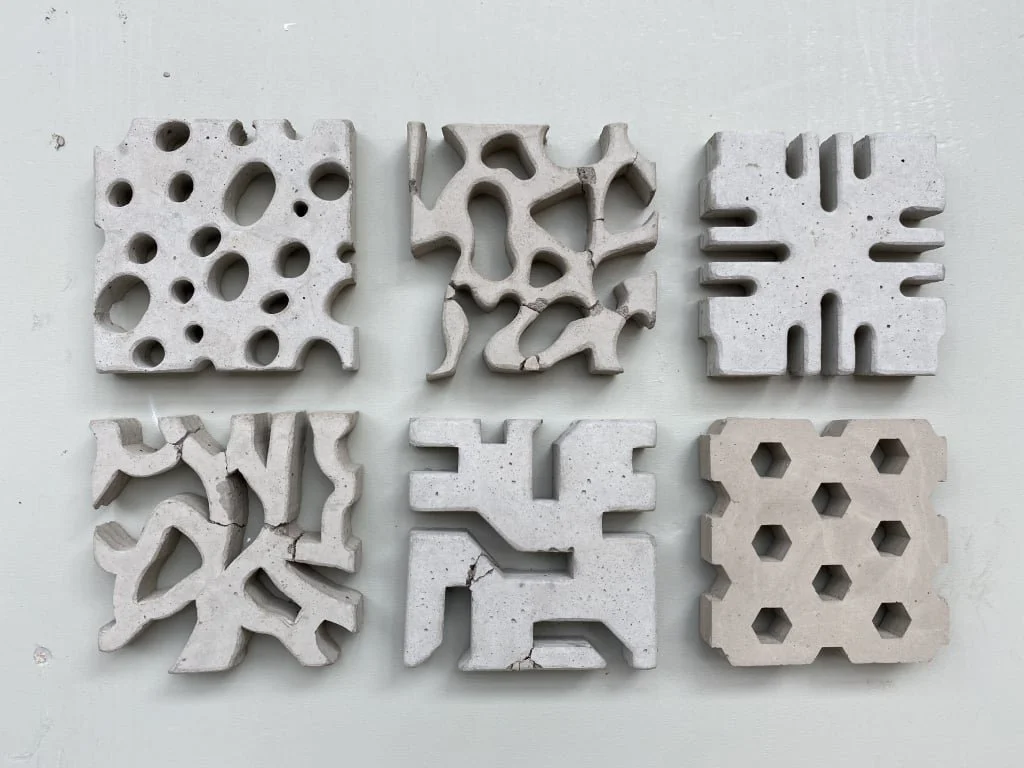
Waterweg is a Dutch company founded in 2019 by Jasper Knoben and Joost Knoben. The company's mission is to revolutionize the construction industry by developing and implementing circular building solutions that prioritize sustainability and resource efficiency. Waterweg's core values revolve around innovation, circularity, and environmental responsibility, with a purpose to create a regenerative built environment that minimizes waste and maximizes the reuse of materials.
Location
Headquarters: Rotterdam, Netherlands.
Primary manufacturing/operations locations: Rotterdam, with projects across the Netherlands.
Note: Strategic location in Rotterdam to foster innovation and collaboration with industry partners.
The Circular Vision
Core circular economy principles: Designing out waste, using recycled and bio-based materials, and creating products that are fully recyclable.
Key innovations: Development of modular, demountable building systems using recycled and bio-based materials, enabling easy disassembly and material reuse.
Prioritization of local sourcing and closed-loop supply chains: Emphasis on local materials and production to minimize environmental impact.
Pioneering Solutions
Flagship products: Modular building systems for residential and commercial projects, including the Waterweg Circular Building System.
Unique value propositions: High-quality, sustainable building solutions that prioritize circularity, material reuse, and environmental responsibility.
The Regenerative Future
R&D focus areas: Advancing sustainable materials, optimizing modular design processes, and developing new circular business models.
Ambitious goals: To lead the construction industry in sustainable practices, create zero-waste buildings, and inspire a shift towards a regenerative built environment.
Fact Sheet
Commercial Availability: Products and services available for residential and commercial projects in the Netherlands.
Environmental Product Declaration (EPD): Information not available.
Circularity Rating: 5/5 (Designed for full circularity).
Key Certifications: Information not available.
Cost Rating: 4/5 (Competitive with conventional alternatives, with significant cost savings in sustainable materials).
Material Passport: Detailed material traceability and use of recycled and bio-based materials.
Designed for Disassembly: Yes, products are designed for easy disassembly and material reuse.
Carbon Performance: Focus on reducing carbon footprint through sustainable materials and local production.
Key Takeaway
Waterweg is a pioneering company that transforms the construction industry through innovative modular building systems, setting a benchmark for circularity and sustainability in the built environment.
Explore Further
Waterweg website: https://www.waterweg.co/en
Example projects: https://www.waterweg.co/en/portfolio
New Horizon is a Dutch company founded by Michel Baars, specialising in urban mining and circular construction. The company was established with the mission to transform the construction and demolition industry by harvesting valuable materials from existing buildings rather than demolishing them. New Horizon's current mission focuses on promoting circularity in the built environment by reusing materials and reducing waste. Core values include sustainability, innovation, and responsibility, with a purpose to create a regenerative future through advanced material recovery and reuse practices.
Location
Headquarters: Amsterdam, Netherlands.
Primary manufacturing/operations locations: Various locations across the Netherlands.
Note: Strategic location in Amsterdam to optimize local sourcing, distribution, and collaboration with industry partners.
The Circular Vision
Core circular economy principles: Designing out waste, using recycled materials, and creating products that are fully recyclable.
Key innovations: Development of the Wearthy Taxatie valuation model, which provides insight into the value of raw materials and materials used in existing buildings, and the Wearthy MPG improver to enhance building environmental performance.
Prioritization of local sourcing and closed-loop supply chains: Emphasis on using local materials and production to minimize environmental impact and support local economies.
Pioneering Solutions
Flagship products: Wearthy Taxatie valuation model, Wearthy MPG improver, and various circular construction products and solutions for renovation and new-build projects.
Unique value propositions: High-quality, sustainable building solutions that prioritize circularity, material reuse, and environmental responsibility. New Horizon's products and services are known for their innovative approach to urban mining and material recovery.
The Regenerative Future
R&D focus areas: Advancing urban mining technologies, optimizing recycling processes, and developing new circular design principles.
Ambitious goals: To lead the construction industry in sustainable practices, create zero-waste products, and inspire a shift towards a regenerative built environment.
Fact Sheet
Commercial Availability: Products and services available through direct engagement with property owners, developers, and construction companies.
Environmental Product Declaration (EPD): Information not available.
Circularity Rating: 5/5 (Strong focus on circular economy principles).
Key Certifications: Information not available.
Cost Rating: 4/5 (Competitive with conventional alternatives, with significant cost savings in sustainable materials).
Material Passport: Detailed material traceability and use of recycled and bio-based materials.
Designed for Disassembly: Yes, products are designed for easy disassembly and material reuse.
Carbon Performance: Focus on reducing carbon footprint through sustainable materials and local production.
Key Takeaway
New Horizon transforms the construction and demolition industry through innovative urban mining and circular construction solutions, setting a benchmark for circularity and environmental responsibility.
Explore Further
New Horizon website: https://www.newhorizon.nl
Sustainability overview: https://newhorizon.nl/actueel/urban-mining/
Wearthy Valuation: Circular Valuation Model