P R O L E A R N

DIGITAL LIFE
Digital Life refers to the integration of digital technologies into everyday activities, encompassing social media, mobile devices, online services, and other digital tools that have become integral to modern living.
Key Characteristics
Connectivity: Digital life enables constant connection with others through various platforms and devices.
Information Access: Provides instant access to vast amounts of information and resources.
Convenience: Facilitates easier and more efficient ways of performing tasks and accessing services.
Benefits
Enhanced Communication: Digital platforms allow for real-time, global communication and relationship maintenance.
Increased Productivity: Digital tools and automation improve efficiency in work and daily tasks.
Access to Services: Online platforms provide convenient access to healthcare, education, and financial services.
Challenges and Considerations
Privacy Concerns: Increased digital engagement raises issues of data protection and personal privacy.
Digital Divide: Unequal access to technology can exacerbate social and economic inequalities.
Mental Health Impact: Overuse of digital technologies may contribute to issues like social isolation and addiction.
Innovative Applications
AI-Powered Assistants: Tools like ChatGPT are transforming how people work and access information.
Virtual Social Spaces: Platforms creating new forms of online social interaction and community building.
Digital Health Solutions: Apps and wearables for monitoring and managing personal health.
Future Outlook
As technology continues to advance, we can expect further integration of digital tools into all aspects of life. This may include more immersive virtual experiences, increased use of AI in daily tasks, and the development of new digital spaces for work and socialising.
Call to Action:
Evaluate your current digital habits and identify areas where you can leverage digital tools to enhance your productivity and well-being. Consider implementing digital wellness practices to maintain a healthy balance in your digital life.
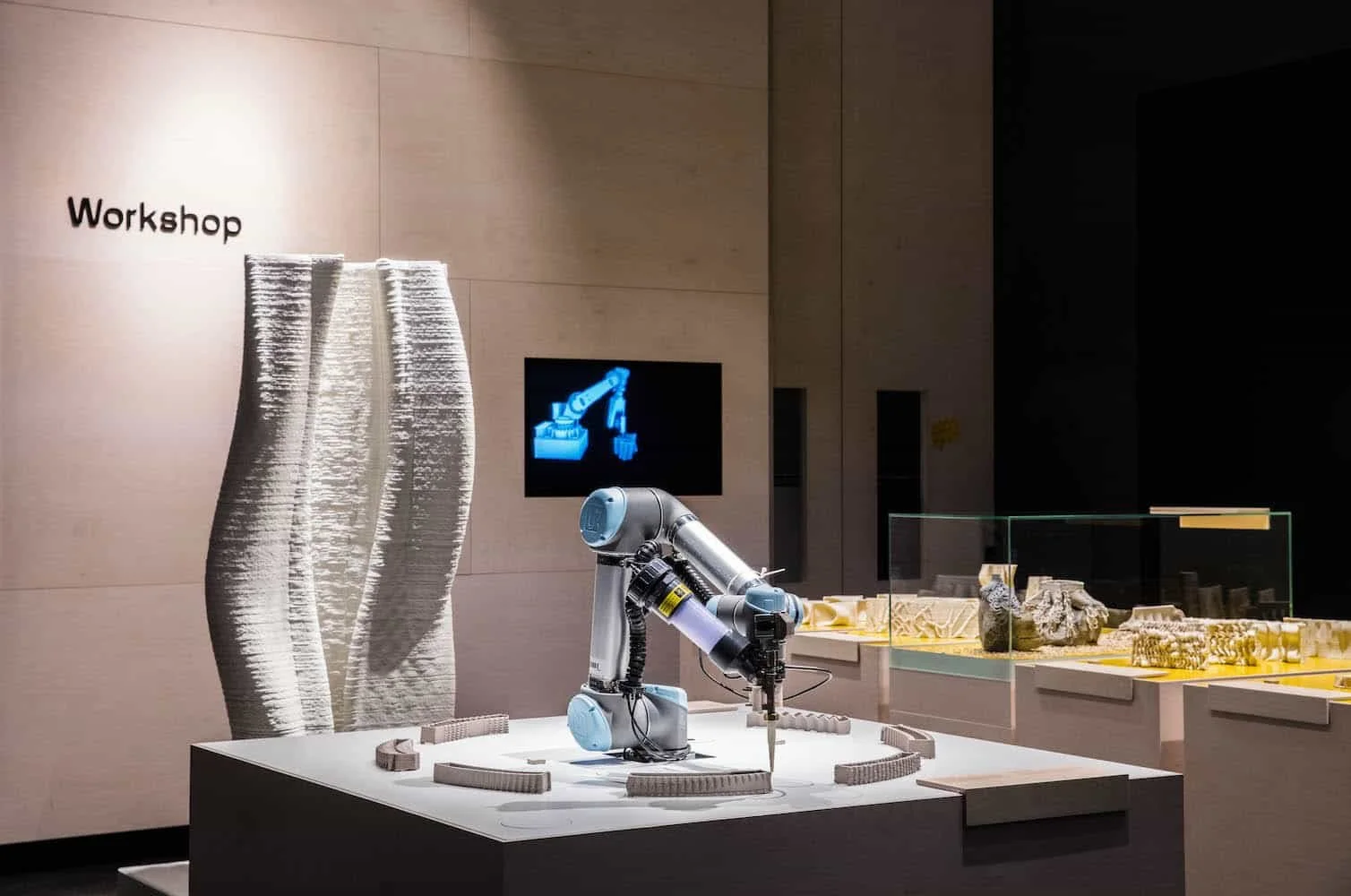
Futurium is a museum and center for shaping the future located in Berlin, Germany. Established in 2019, Futurium's mission is to explore possible futures and encourage dialogue about how we want to live. The institution focuses on the interplay between humans, nature, and technology. Futurium's current approach emphasizes creating immersive and interactive experiences that blend digital technology with explorations of nature and society. Core values include innovation, sustainability, and public engagement, with a purpose to inspire visitors to actively shape the future.
Location
Headquarters: Berlin, Germany.
Primary operations locations: Global collaborations and networks.
The Vision
Core principles: Creating digital experiences that foster connections between humans, nature, and technology, using innovative displays to enhance understanding of natural systems and our place within them.
Key innovations: Development of interactive exhibits like "Natural Trailblazers" that explore biomimicry and nature-inspired technologies. Integration of digital tools to visualize complex natural processes and potential future scenarios.
Prioritization of nature-inspired design: Emphasis on showcasing how technology can be used to better understand and connect with nature, as seen in exhibits exploring topics like terraforming and geoengineering.
Pioneering Solutions
Flagship projects: "Thinking Space Nature" (exploring sustainable futures), "Thinking Space Technology" (examining the impact of emerging technologies), and the Futurium Lab (hands-on experimentation with future technologies).
Unique value propositions: High-quality, innovative museum experiences that prioritize visitor engagement, interdisciplinary approaches, and exploration of the intersections between digital technology and nature. Futurium's work is known for its ability to create thought-provoking, interactive environments that encourage reflection on possible futures.
The Regenerative Future
R&D focus areas: Advancing interactive exhibition technologies, exploring new ways to visualize complex natural and technological systems, and developing applications that challenge perceptions of the relationship between humans, nature, and technology.
Ambitious goals: To lead the museum industry in creating experiences that foster digital biophilia, inspire a deeper appreciation for natural systems through technology, and promote environmental awareness and active citizenship through immersive digital experiences.
Fact Sheet
Commercial Availability: Public museum and event space, with additional educational programs and workshops.
Biophilia Rating: 4/5 (Strong focus on incorporating natural elements and ecological principles in digital exhibits).
Key Recognitions: Member of FORMS (Futures-Oriented Museum Synergies), collaborations with international future-focused institutions.
Innovation Rating: 5/5 (Cutting-edge use of interactive and digital technologies to create future-oriented experiences).
User Engagement: High level of interactivity and participation, designed to create meaningful connections between visitors, technology, and nature.
Environmental Awareness Performance: Strong focus on using digital exhibits to raise awareness about environmental issues and promote sustainable futures.
Key Takeaway
Futurium transforms the museum experience through innovative, future-oriented digital experiences that blend natural elements with cutting-edge technology, setting a benchmark for connecting humans with nature and promoting active engagement in shaping sustainable futures.
Explore Further
Futurium website: https://futurium.de/en
Exhibition overview: https://futurium.de/en/exhibition

ART+COM Studios is a Berlin-based design agency founded in 1988. The studio was established with the mission to explore the intersection of art, technology, and communication. ART+COM's current approach focuses on integrating circular economy principles into their design processes, creating interactive installations and media sculptures that promote environmental awareness and sustainable practices. Core values include innovation, sustainability, and interdisciplinary collaboration, with a purpose to redefine the relationship between design, technology, and the environment.
Location
Headquarters: Berlin, Germany.
Primary manufacturing/operations locations: Various global locations for projects and collaborations.
The Circular Vision
Core circular economy principles: Designing out waste, using sustainable materials, and creating installations that promote environmental awareness and sustainable practices.
Key innovations: Development of interactive installations and media sculptures that integrate sustainability themes, such as the "Level Green" exhibition at Volkswagen’s Autostadt, which educates visitors about climate change and sustainability.
Prioritization of local sourcing and closed-loop supply chains: Emphasis on using sustainable production methods and integrating local resources when possible.
Pioneering Solutions
Flagship projects: ART+COM's portfolio includes innovative projects such as "Level Green" (an interactive exhibition on sustainability), the Museum Island Master Plan communications (visualizing sustainable development), and the World Heritage Site Grimeton project (developing sustainable solutions for a UNESCO site). These projects showcase the potential of integrating circular economy principles into media and design.
The Regenerative Future
R&D focus areas: Advancing sustainable design techniques, exploring new applications for interactive media in promoting sustainability, and developing solutions that further reduce waste and energy consumption in design and production processes.
Ambitious goals: To lead the design industry in sustainable practices, create zero-waste installations, and inspire a shift towards a regenerative approach to design and environmental stewardship.
Fact Sheet
Commercial Availability: Design services and interactive installations available through collaborations, exhibitions, and partnerships with cultural institutions and businesses.
Circularity Rating: 4/5 (Strong focus on integrating circular economy principles and sustainability themes in design).
Key Certifications: Multiple awards including Art Directors Club, Cannes Lion, Clio Awards, D&AD Awards, and red dot design award.
Cost Rating: High-end pricing for innovative and sustainable design services.
Material Passport: Detailed exploration of sustainable materials in projects, though formal material passports are not mentioned.
Designed for Disassembly: Information not explicitly provided, but emphasis on sustainable practices suggests potential for adaptability.
Carbon Performance: Focus on reducing carbon footprint through the use of sustainable materials and production methods. Specific carbon metrics not provided.
Key Takeaway
ART+COM Studios transforms the design industry through innovative, sustainable solutions that prioritize circular economy principles and interactive media, setting a benchmark for environmental responsibility and material innovation in contemporary design.
Explore Further
ART+COM Studios website: https://www.artcom.de

ARTECHOUSE is an innovative leader in the field of digital and experiential art, founded with the mission to expand the possibilities of art and how it is experienced through cutting-edge technology-driven exhibitions and experiences. The institution focuses on the intersection of art, science, and technology to create immersive environments that stimulate innovation and creativity. ARTECHOUSE's current mission emphasizes inspiring a new generation of genre-pushing artists, educating the public about exploratory mediums, and empowering artists with advanced tools and platforms. Core values include innovation, creativity, and the seamless integration of digital and natural worlds, with a purpose to redefine the relationship between technology, art, and nature.
Location
Headquarters: Washington, D.C., USA.
Note: Strategic locations in major cultural hubs to leverage local artistic talent and foster international collaborations.
The Digital Biophilia Vision
Core principles: Creating digital experiences that foster a connection with nature, using technology to enhance our understanding and appreciation of natural forms and phenomena.
Key innovations: Development of immersive exhibitions like "New Nature," which uses machine learning to create real-time, nature-inspired environments that react to visitors' presence and movements. These projects often incorporate organic forms and natural textures, blending them seamlessly with digital techniques.
Prioritization of nature-inspired design: Emphasis on creating digital artworks and installations that mimic natural patterns, textures, and movements to promote a sense of connection with the natural world through technology.
Pioneering Solutions
Flagship projects: "New Nature" (an immersive digital environment of nature-inspired creatures and plants), "XYZT: Abstract Landscapes" (an interactive exploration of digital landscapes), and "Infinite Space" (an immersive experience exploring the concept of infinity through digital art).
Unique value propositions: High-quality, innovative digital art solutions that prioritize digital biophilia, viewer engagement, and the exploration of the boundaries between digital and natural realms. ARTECHOUSE's work is known for its ability to create immersive, nature-inspired digital environments that evoke emotional responses.
The Regenerative Future
R&D focus areas: Advancing digital and interactive technologies, exploring new ways to integrate natural elements into digital art, and developing applications that challenge perceptions of nature and technology. Projects like "New Nature" use machine learning and real-time generated graphics to create dynamic, evolving ecosystems.
Ambitious goals: To lead the digital art industry in creating experiences that foster digital biophilia, inspire a deeper appreciation for natural phenomena through technology, and promote environmental awareness through immersive digital experiences.
Fact Sheet
Commercial Availability: Digital artworks, installations, and experiences available through exhibitions, galleries, and collaborations with brands and institutions.
Biophilia Rating: 5/5 (Strong focus on incorporating natural elements and biophilic design principles in digital art and design).
Key Recognitions: Recognized for innovative contributions to the field of digital and experiential art, with exhibitions featured in major cultural institutions.
Innovation Rating: 5/5 (Cutting-edge use of digital technologies to create nature-inspired experiences).
User Engagement: High level of visual impact and emotional resonance, designed to create meaningful connections between viewers, technology, and nature.
Environmental Awareness Performance: Strong focus on using digital art to raise awareness about environmental issues and promote a symbiotic relationship between technology and nature.
Key Takeaway
ARTECHOUSE transforms the digital art industry through innovative, biophilic digital experiences that blend natural elements with cutting-edge technology, setting a benchmark for connecting humans with nature and promoting environmental awareness.
Explore Further
ARTECHOUSE website: https://www.artechouse.com
Mission: https://www.artechouse.com/mission/
Example project: Pixelbloom
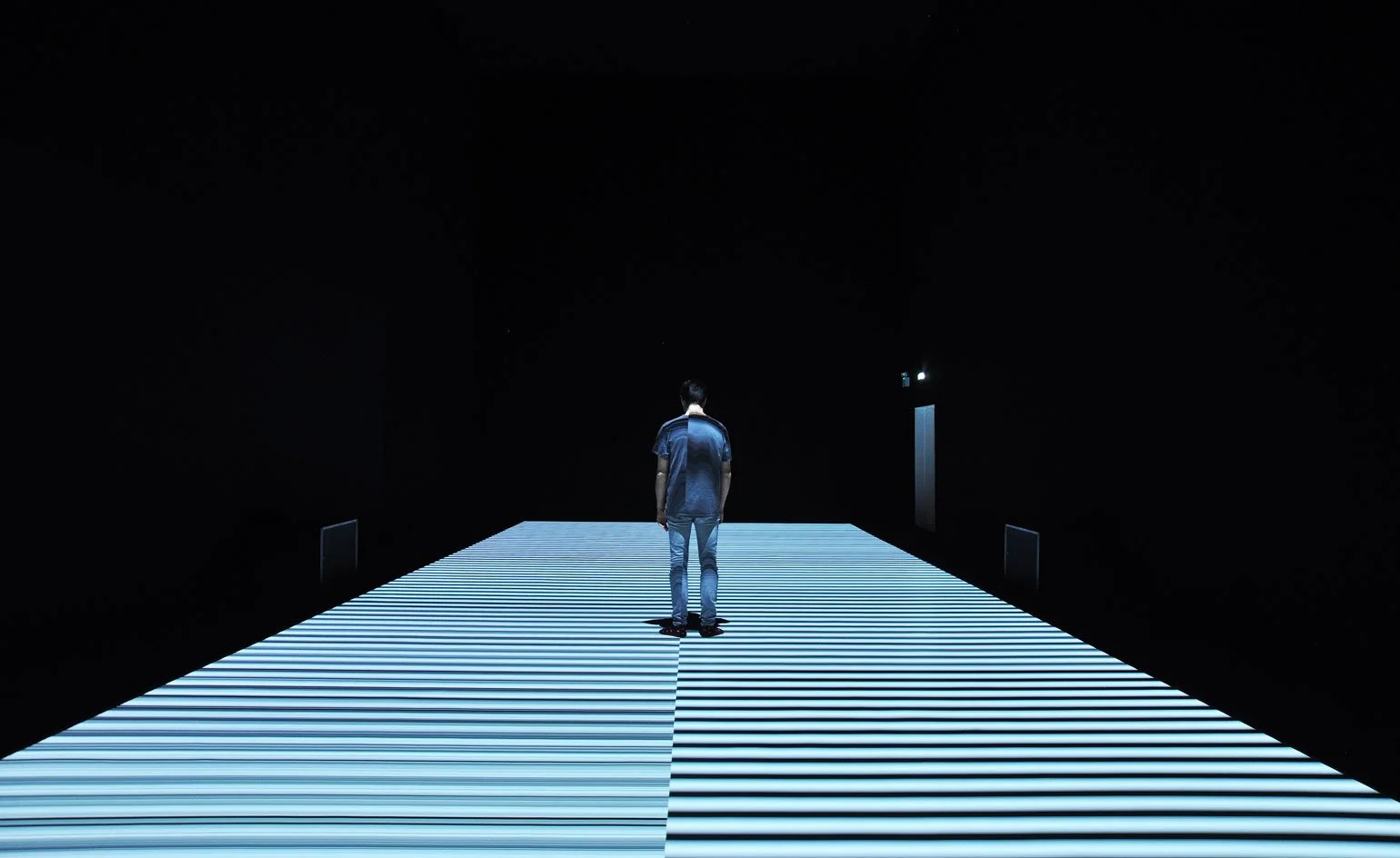
Ryoji Ikeda is a Japanese sound and visual artist who explores the intersections of mathematics, quantum mechanics, and human perception through his immersive audiovisual installations and performances. While not explicitly focused on digital biophilia, Ikeda's work often creates experiences that connect viewers with fundamental natural phenomena and data structures. His current mission focuses on translating abstract concepts and invisible data into tangible, sensory experiences. Core values include precision, minimalism, and the fusion of art and science, with a purpose to redefine our relationship with data, sound, and visual information.
Location
Headquarters: Paris, France and Kyoto, Japan.
Primary operations locations: Various global locations for exhibitions and performances.
The Digital Biophilia Vision
Core principles: While not directly focused on nature, Ikeda's work creates digital experiences that foster a connection with fundamental natural phenomena and data structures, using technology to enhance our understanding and appreciation of the invisible world around us.
Key innovations: Development of projects like "datamatics" and "test pattern," which transform abstract data and mathematical concepts into immersive audiovisual experiences. These projects often incorporate elements that evoke natural patterns and rhythms, albeit in a highly abstract form.
Prioritization of data-inspired design: Emphasis on creating digital artworks that reveal the underlying structures and patterns of data and natural phenomena, promoting a sense of connection with the invisible aspects of our world.
Pioneering Solutions
Flagship projects: "datamatics," "test pattern," "superposition," and "C4I" - large-scale audiovisual installations and performances that explore data, mathematics, and quantum mechanics.
Unique value propositions: High-quality, innovative digital art solutions that prioritize sensory engagement and the exploration of invisible natural phenomena through data visualization and sonification. Ikeda's work is known for its ability to create immersive, data-driven environments that evoke emotional and intellectual responses.
The Regenerative Future
R&D focus areas: Advancing data visualization and sonification techniques, exploring new ways to integrate complex scientific concepts into digital art, and developing applications that challenge perceptions of reality and nature at microscopic and macroscopic scales.
Ambitious goals: To lead the digital art industry in creating experiences that foster a deeper understanding of natural phenomena through data-driven artworks, inspire appreciation for the complexity of the universe, and promote scientific awareness through immersive digital experiences.
Fact Sheet
Commercial Availability: Audiovisual installations, performances, and recordings available through exhibitions, galleries, and music labels.
Biophilia Rating: 3/5 (While not explicitly biophilic, work often evokes connections with natural patterns and phenomena).
Key Recognitions: Ars Electronica Golden Nica Award, Prix Ars Electronica Collide@CERN award.
Innovation Rating: 5/5 (Cutting-edge use of data visualization and sonification techniques to create immersive experiences).
User Engagement: High level of sensory immersion and intellectual stimulation, designed to create meaningful connections between viewers and invisible aspects of nature and data.
Key Takeaway
Ryoji Ikeda transforms the digital art industry through innovative, data-driven experiences that reveal the hidden patterns and structures of nature and information, setting a benchmark for connecting humans with the invisible aspects of our world through technology.
Explore Further
Ryoji Ikeda website: https://www.ryojiikeda.com
datamatics project: https://www.ryojiikeda.com/project/datamatics/
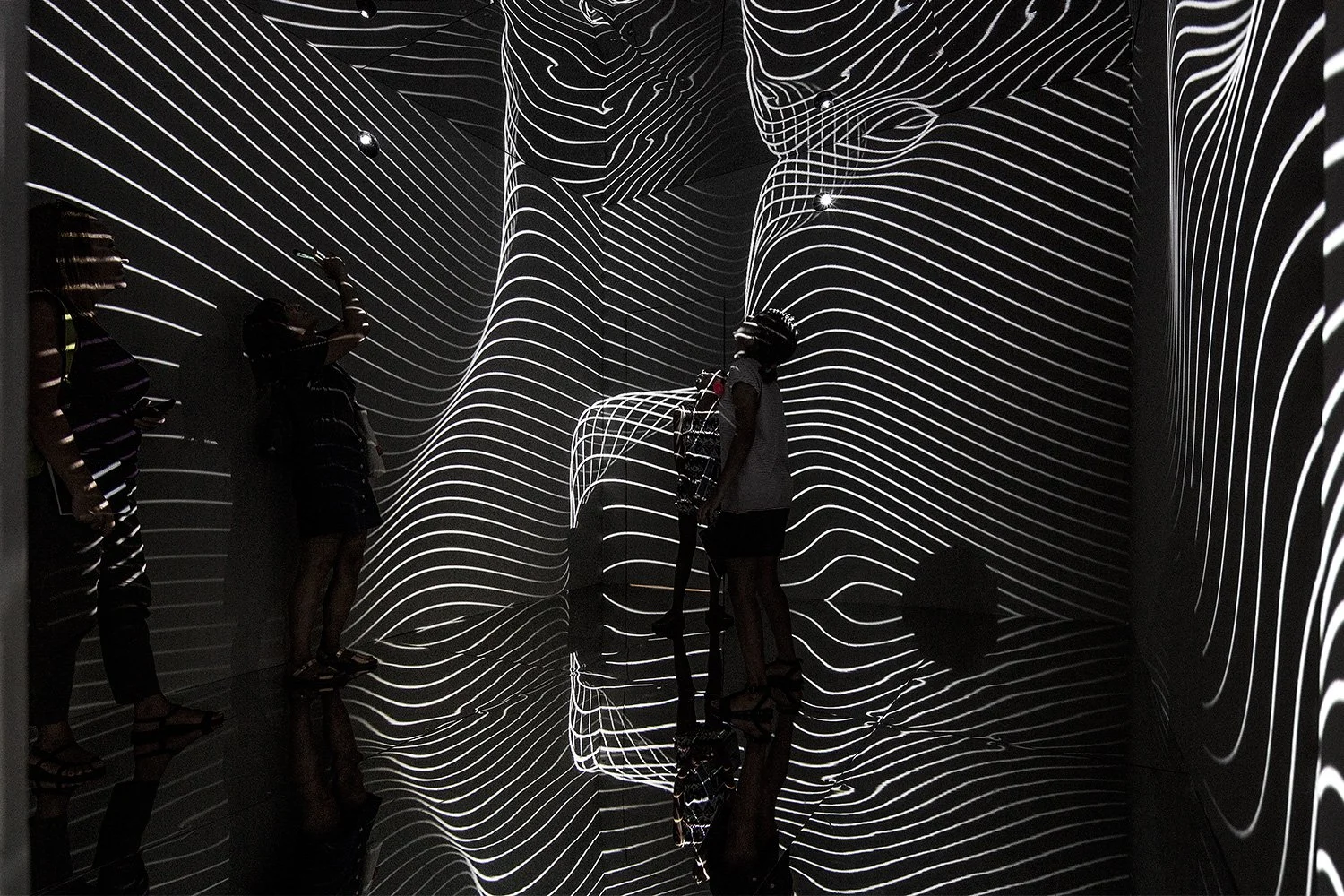
Refik Anadol is a Turkish-American media artist and director based in Los Angeles. He established his studio with the mission to explore the intersection of art, technology, and artificial intelligence. Anadol's current approach focuses on integrating circular economy principles into his artistic processes, creating immersive installations and data sculptures that promote environmental awareness and sustainable practices. Core values include innovation, sustainability, and interdisciplinary collaboration, with a purpose to redefine the relationship between art, technology, and the environment.
Location
Headquarters: Los Angeles, California, USA.
Primary manufacturing/operations locations: Various global locations for projects and collaborations.
Note: Strategic location in Los Angeles to leverage local expertise in technology and sustainability while fostering international collaborations.
The Circular Vision
Core circular economy principles: Designing out waste, using sustainable technologies, and creating artworks that promote environmental awareness and sustainable practices.
Key innovations: Development of projects like "Machine Hallucinations: Nature Dreams", which uses AI to process millions of images of nature to create immersive installations, and "Artificial Realities: Coral", which highlights the vital role of coral reefs in the ocean ecosystem.
Prioritisation of local sourcing and closed-loop supply chains: Emphasis on using sustainable technologies and ethically sourced data to minimise environmental impact.
Pioneering Solutions
Flagship projects: Anadol's portfolio includes innovative projects such as "Machine Hallucinations: Nature Dreams" (an AI-driven immersive installation), "Artificial Realities: Coral" (a sound and video experience highlighting coral ecosystems), and "Quantum Memories" (an AI-driven data sculpture exploring quantum computing).
The Regenerative Future
R&D focus areas: Advancing sustainable art techniques, exploring new applications for AI in environmental awareness, and developing solutions that further reduce energy consumption in art production processes.
Ambitious goals: To lead the art industry in sustainable practices, create zero-waste digital artworks, and inspire a shift towards a regenerative approach to art and environmental stewardship.
Fact Sheet
Commercial Availability: Art installations and services available through collaborations, exhibitions, and partnerships with cultural institutions and businesses.
Circularity Rating: 4/5 (Strong focus on integrating circular economy principles and sustainability themes in art).
Key Certifications: Multiple awards including the Lorenzo il Magnifico Lifetime Achievement Award for New Media Art.
Cost Rating: High-end pricing for innovative and sustainable art installations.
Designed for Disassembly: Information not explicitly provided, but emphasis on digital and temporary installations suggests potential for adaptability and reuse.
Carbon Performance: Focus on reducing carbon footprint through the use of sustainable technologies and energy-efficient installations. Specific carbon metrics not provided.
Key Takeaway
Refik Anadol transforms the art industry through innovative, sustainable solutions that prioritise circular economy principles and AI-driven creativity, setting a benchmark for environmental responsibility and technological innovation in contemporary art.
Explore Further
Refik Anadol website: https://refikanadol.com
Machine Hallucinations: Nature Dreams project
Artificial Realities: Coral project
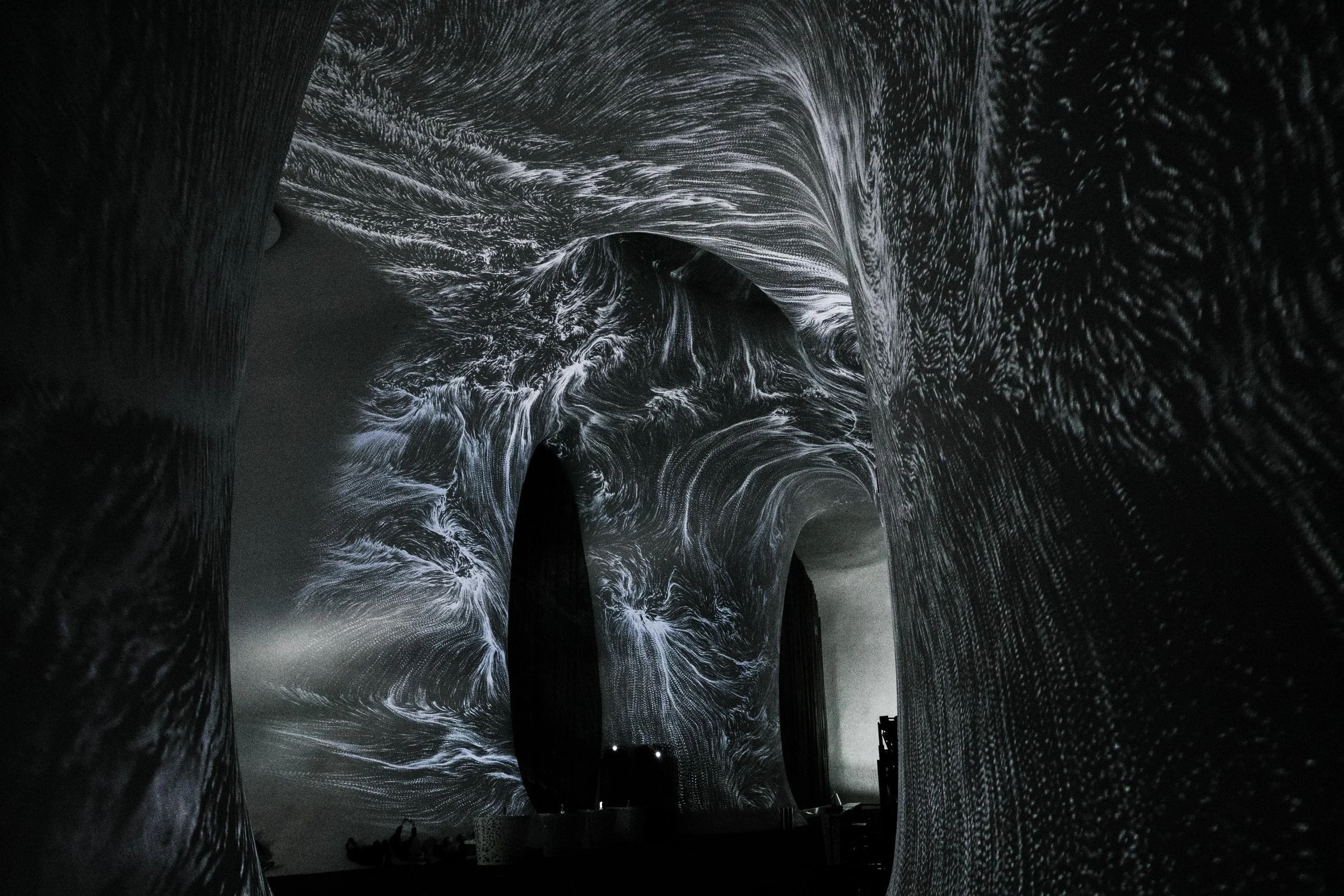
Alex Guevara is a digital artist and designer known for his innovative use of 3D technologies and immersive media. His work explores the intersection of digital art, nature, and technology, creating surreal and poetic compositions that transcend traditional boundaries. Alex Guevara's current mission focuses on integrating natural elements into digital experiences to foster a deeper connection with nature. Core values include digital biophilia, innovation, and creativity, with a purpose to redefine the relationship between digital spaces and the natural world.
Location
Primary operations locations: Los Angeles, California, USA.
Note: Strategic location in Los Angeles to leverage local artistic talent and foster international collaborations.
The Digital Biophilia Vision
Core principles: Creating digital experiences that foster a connection with nature, using technology to enhance our understanding and appreciation of natural forms and spaces.
Key innovations: Development of 3D artworks and installations that incorporate natural elements, organic forms, and biophilic design principles. Projects like "Reverie" and "UNIT" exemplify the integration of natural phenomena into digital art, creating immersive, nature-inspired experiences.
Prioritization of nature-inspired design: Emphasis on creating digital artworks that mimic natural patterns, textures, and aesthetics to promote a sense of connection with the natural world.
Pioneering Solutions
Flagship projects: "Reverie," "UNIT," and other digital artworks and installations that blend natural elements with surreal, imaginary spaces.
Unique value propositions: High-quality, innovative digital art solutions that prioritize digital biophilia, viewer engagement, and the exploration of the boundaries between real and digital worlds. Alex Guevara's artworks are known for their ability to create dreamlike, nature-inspired digital environments that evoke emotional responses.
The Regenerative Future
R&D focus areas: Advancing 3D modeling and rendering technologies, exploring new ways to integrate natural elements into digital art, and developing applications that challenge perceptions of reality and nature.
Ambitious goals: To lead the digital art industry in creating experiences that foster digital biophilia, inspire a deeper appreciation for nature through technology, and promote environmental awareness through immersive digital experiences.
Fact Sheet
Commercial Availability: Artworks and installations available through exhibitions, galleries, and collaborations with brands and institutions.
Biophilia Rating: 4/5 (Strong focus on incorporating natural elements and biophilic design principles in digital art).
Key Recognitions: Information not available.
Innovation Rating: 5/5 (Cutting-edge use of 3D technologies to create nature-inspired digital experiences).
User Engagement: High level of visual impact and emotional resonance, designed to create meaningful connections between viewers, technology, and nature.
Key Takeaway
Alex Guevara transforms the digital art industry through innovative, biophilic digital experiences, setting a benchmark for connecting humans with nature through technology and challenging perceptions of reality and the natural world.
Explore Further
Alex Guevara website: https://www.alex-guevara.com
Example project: Reverie

Monocolor, the alias of Vienna-based audiovisual artist Marian Essl, explores the interrelations between sound and image in both performance-based and installation-based works. While not explicitly focused on digital biophilia, Monocolor's work often incorporates organic textures and fluid structures that evoke natural forms. The artist's mission focuses on creating immersive audiovisual experiences that blur the lines between digital and organic realms. Core values include innovation, experimentation, and sensory engagement, with a purpose to redefine the boundaries of audiovisual art.
Location
Headquarters: Vienna, Austria.
Primary operations locations: Various global locations for performances and installations.
The Digital Biophilia Vision
Core principles: While not explicitly stated, Monocolor's work often incorporates organic textures and fluid structures that evoke natural forms, indirectly promoting a connection with nature through digital media.
Key innovations: Development of fully generative, algorithmically created imagery that oscillates between fluid, organic textures and rigid structures, creating immersive audiovisual experiences.
Pioneering Solutions
Flagship projects: "Sinew" (music video for Kenji Araki), "Sentient Ocean" (audiovisual live performance), "Entangled Structures" (audiovisual fulldome performance).
Unique value propositions: High-quality, innovative audiovisual art that prioritizes immersion, sensory engagement, and the exploration of organic forms through digital means.
The Regenerative Future
R&D focus areas: Advancing audiovisual technologies, exploring new ways to integrate organic textures and movements into digital art, and developing applications that challenge perceptions of reality and nature.
Ambitious goals: To lead the audiovisual art industry in creating experiences that foster a connection between digital and natural realms, inspiring a deeper appreciation for organic forms through technology.
Fact Sheet
Commercial Availability: Performances and installations available for exhibitions, festivals, and commissioned projects.
Biophilia Rating: 3/5 (Incorporation of organic textures and fluid structures, but not explicitly focused on biophilia).
Key Recognitions: Japan Media Arts Festival New Face Award for "Latent Space" (2020), Golden Wire Award nomination (2019).
Innovation Rating: 5/5 (Cutting-edge use of generative algorithms and audiovisual technologies).
User Engagement: High level of sensory immersion and emotional resonance.
Key Takeaway
Monocolor transforms the audiovisual art industry through innovative, immersive experiences that blend digital and organic realms, setting a benchmark for exploring the boundaries between technology and nature.
Explore Further
Monocolor website: https://www.mnclr.com
About: https://www.mnclr.com/about
Example project: Sinew

Maxwell Ashford is a British designer residing in Switzerland, whose practice focuses on addressing the planetary impacts associated with producing and consuming objects. Established with the mission to create sustainable innovation in design, Ashford's current approach emphasizes circular economy principles and ecological responsibility. Core values include sustainability, innovation, and environmental awareness, with a purpose to redefine the relationship between design, materials, and the environment.
Location
Headquarters: Switzerland.
Primary manufacturing/operations locations: Various locations based on project requirements and collaborations.
The Circular Vision
Core circular economy principles: Designing out waste, using recycled and sustainable materials, and creating products that promote environmental awareness and sustainable practices.
Key innovations: Development of projects like "RUEI-01," a robotically recyclable shoe that explores the potential of design for recycling using new automated tool-sets, and "Bamana," an alternative to inflatable party balloons made from recycled paper.
Prioritization of local sourcing and closed-loop supply chains: Emphasis on using recycled materials and sustainable production methods to minimize environmental impact and support circular economy initiatives.
Pioneering Solutions
Flagship projects: "RUEI-01" (robotically recyclable shoe), "Bamana" (sustainable alternative to party balloons), and various projects exploring material reuse and sustainable design.
Unique value propositions: High-quality, innovative design solutions that prioritize circularity, material reuse, and environmental responsibility. Ashford's work is known for its ability to create sustainable alternatives to everyday objects while promoting circular economy principles.
The Regenerative Future
R&D focus areas: Advancing sustainable design techniques, exploring new applications for recycled materials, and developing solutions that further reduce waste and energy consumption in design and production processes.
Ambitious goals: To lead the design industry in sustainable practices, create zero-waste products, and inspire a shift towards a regenerative approach to design and material usage.
Fact Sheet
Commercial Availability: Design services and products available through collaborations, exhibitions, and partnerships with brands and institutions
Circularity Rating: 5/5 (Strong focus on circular economy principles and waste reduction).
Key Certifications: Swiss Design Award, Nike Circular Innovation Award, US Good Design Award.
Cost Rating: Information not available.
Material Passport: Detailed material traceability and use of recycled and sustainable materials in projects.
Designed for Disassembly: Yes, projects like RUEI-01 are specifically designed for disassembly and recycling.
Carbon Performance: Focus on reducing carbon footprint through the use of recycled materials and sustainable production methods. Committed to minimizing environmental impact through efficient design and manufacturing processes.
Key Takeaway
Maxwell Ashford transforms the design industry through innovative, sustainable solutions that prioritize circular economy principles, setting a benchmark for environmental responsibility and material innovation in contemporary design.
Explore Further
Maxwell Ashford website: https://www.maxwellashford.co
iart is a Swiss studio for media architectures, founded with the mission to create spaces for astonishing encounters between people and technology. The company focuses on conceiving, designing, and realising digitally enhanced architectures. iart's current mission emphasizes creating immersive experiences that blend digital technology with physical spaces, often incorporating elements that connect users with their environment. Core values include innovation, seamless integration of technology, and enhancing human experiences, with a purpose to redefine the relationship between people, technology, and their surroundings.
Location
Headquarters: Basel, Switzerland.
Note: Strategic location in Switzerland to leverage expertise in technology and design while collaborating internationally.
The Digital Biophilia Vision
Core digital biophilia principles: While not explicitly focused on biophilia, iart's work often creates immersive environments that connect people with their surroundings, potentially fostering a sense of connection with both built and natural elements.
Key innovations: Development of interactive installations that blend physical and digital realms, such as the interactive books for the Gauguin exhibition at Foundation Beyeler and the diplomatic banquet table for the "On a Delicate Mission" exhibition.
Pioneering Solutions
Flagship projects: Interactive books for the Gauguin exhibition, diplomatic banquet table for "On a Delicate Mission," and the concept of an "interactive sketchbook."
Unique value propositions: High-quality, innovative digital installations that prioritize user engagement, seamless technology integration, and the exploration of boundaries between physical and digital realms.
The Regenerative Future
R&D focus areas: Advancing interactive technologies, exploring new ways to integrate digital elements into physical spaces, and developing applications that enhance human experiences and connections with their environment.
Ambitious goals: To lead the media architecture industry in creating experiences that foster connections between people, technology, and their surroundings, inspiring a deeper appreciation for both built and natural environments through innovative digital interventions.
Fact Sheet
Commercial Availability: Custom installations and projects available for museums, exhibitions, and architectural spaces.
Biophilia Rating: 3/5 (Indirect incorporation of biophilic principles through immersive environmental experiences).
Key Recognitions: Society for Experiential Graphic Design (SEGD) Merit Award 2016 for the Gauguin interactive books.
Innovation Rating: 5/5 (Cutting-edge use of technology to create immersive, environment-enhancing experiences).
User Engagement: High level of interactivity and immersion, designed to create meaningful connections between users, technology, and their surroundings.
Environmental Awareness Performance: Indirect promotion of awareness about physical and potentially natural environments through immersive digital experiences.
Key Takeaway
iart transforms the media architecture industry through innovative, immersive experiences that blend digital and physical realms, setting a benchmark for connecting people with their environment through technology.
Explore Further
iart website: https://www.iart.ch/en
Process: https://iart.ch/en/about/approach
Example project: Novartis Pavillion