Lifecycle-Centric Products
Designing for Tomorrow: Products That Think Beyond the Shelf
In the realm of sustainable design, the concept of a 'product' is undergoing a radical transformation. No longer just an end result, products in circular design are conceived with their entire lifecycle in mind. But what does this mean in practice, and how is it reshaping our approach to creation and consumption?
Understanding Lifecycle-Centric Products
Lifecycle-centric products are those designed with consideration for every stage of their existence—from raw material extraction to manufacturing, use, and eventually, reuse or recycling. This approach moves beyond the traditional 'cradle-to-grave' model towards a 'cradle-to-cradle' philosophy.
Why Lifecycle-Centric Design Matters
Resource Efficiency: Products designed for their full lifecycle optimise resource use and minimise waste.
Extended Lifespan: These products are often more durable, repairable, and adaptable, lasting longer than traditional alternatives.
End-of-Life Solutions: Consideration for a product's end-of-life leads to easier recycling, refurbishment, or biodegradation.
Economic Benefits: Lifecycle-centric products can create new business models around repair, upgrade, and take-back schemes.
Consumer Awareness: These products educate consumers about sustainability and encourage more conscious consumption.
Lifecycle-Centric Products Across Industries
This approach is transforming various sectors:
Electronics: Modular smartphones designed for easy repair and component upgrades.
Furniture: Pieces created from recyclable materials, designed for disassembly and material recovery.
Fashion: Clothing designed for longevity, with repair services and take-back programmes integrated into the business model.
The Future of Lifecycle-Centric Products
As we move towards a more circular economy, lifecycle-centric products will become the norm rather than the exception. We can expect to see more products designed as 'material banks' for future use, and business models shifting from selling products to providing services.
Emerging technologies like the Internet of Things (IoT) and blockchain may enable products to track their own usage and condition, facilitating timely maintenance and optimal recycling.
Call to Action
Are you a designer, manufacturer, or conscious consumer? Start by considering the full lifecycle of the products you create or purchase. How could they be designed or chosen for longevity, repairability, and eventual recycling or biodegradation? Join the NU Design Spaces community to connect with experts in lifecycle-centric design, access resources, and share your ideas. Together, we can reshape our relationship with products and build a more sustainable, circular future.
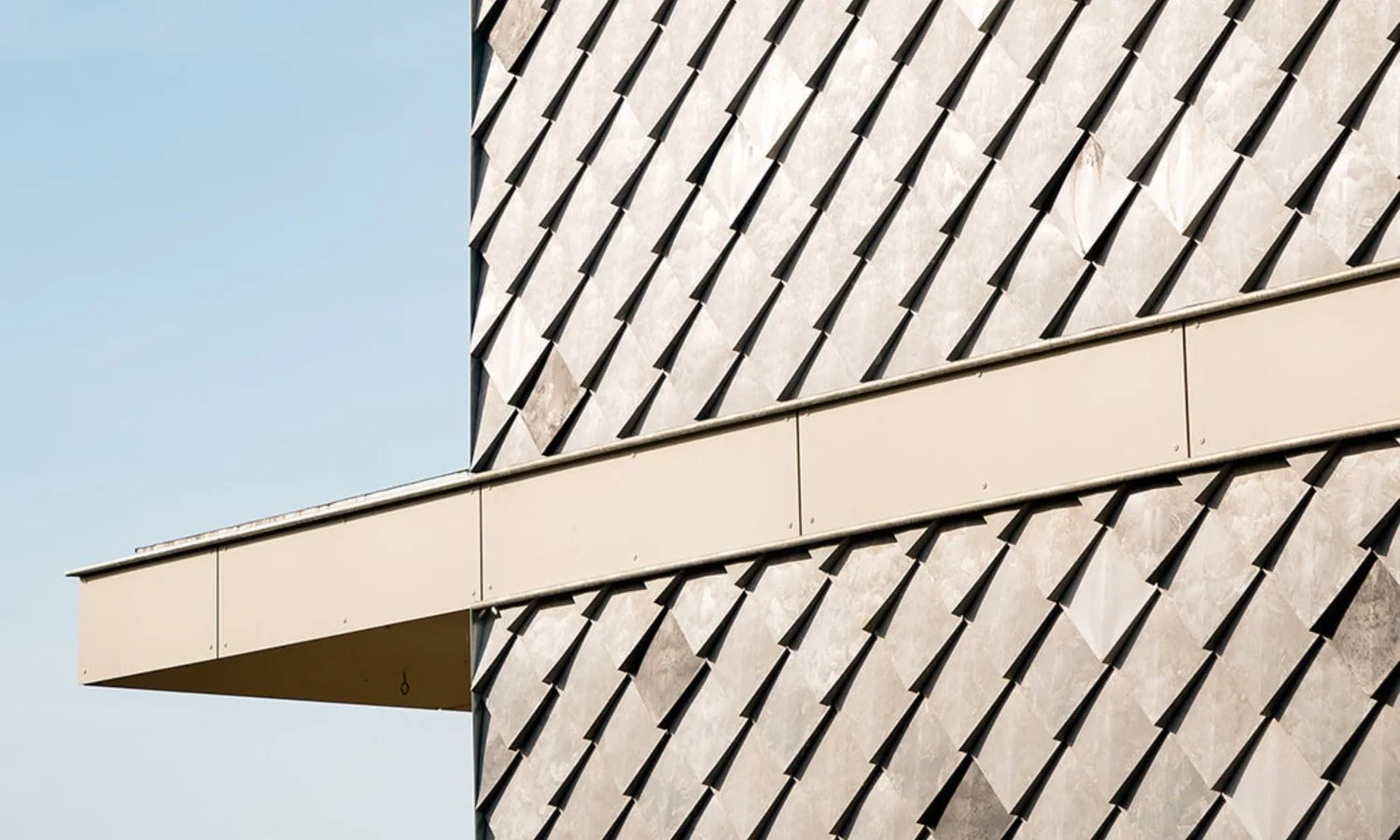
Pretty Plastic is a Dutch company founded by designers Reinder Bakker and Hester van Dijk from Overtreders W and architect Peter van Assche from Bureau SLA. The company was established with the mission to transform waste into valuable building materials, specifically focusing on creating sustainable facade cladding from recycled PVC. Pretty Plastic's current mission is to champion the circular economy by converting construction waste into beautiful, durable, and safe building products. Core values include sustainability, innovation, and responsibility, with a purpose to reduce waste and promote circularity in the construction industry.
Location
Headquarters: Amsterdam, Netherlands.
Primary manufacturing/operations locations: Various locations across the Netherlands.
Note: Strategic location in the Netherlands to optimize local sourcing, distribution, and collaboration with industry partners.
The Circular Vision
Core circular economy principles: Designing out waste, using recycled materials, and creating products that are fully recyclable.
Key innovations: Development of facade tiles made from 100% recycled PVC, innovative manufacturing processes, and the use of recycled aluminum for rear wall constructions.
Prioritization of local sourcing and closed-loop supply chains: Emphasis on using local materials and production to minimize environmental impact and support local economies.
Pioneering Solutions
Flagship products: Pretty Plastic facade tiles, including the First One, Second High, and Basic Third tiles.
Unique value propositions: High-quality, sustainable cladding solutions that prioritize circularity, material reuse, and environmental responsibility. Pretty Plastic's products are known for their unique aesthetics, durability, and ease of installation.
The Regenerative Future
R&D focus areas: Advancing recycling technologies, developing new sustainable materials, and optimizing circular design processes.
Ambitious goals: To lead the construction industry in sustainable practices, create zero-waste products, and inspire a shift towards a regenerative built environment.
Fact Sheet
Commercial Availability: Products available globally through direct sales and partnerships with distributors.
Environmental Product Declaration (EPD): Available for Pretty Plastic tiles, providing transparency on environmental impacts.
Circularity Rating: 5/5 (Designed for full circularity).
Key Certifications: Information not available.
Cost Rating: 4/5 (Competitive with conventional alternatives, with significant cost savings in sustainable materials).
Material Passport: Detailed material traceability and use of recycled PVC.
Designed for Disassembly: Yes, products are designed for easy disassembly and recycling.
Carbon Performance: Focus on reducing carbon footprint through sustainable materials and local production.
Key Takeaway
Pretty Plastic transforms construction waste into high-quality, sustainable facade cladding, setting a benchmark for circularity and environmental responsibility in the building industry.
Explore Further
Pretty Plastic website: https://www.prettyplastic.nl
Sustainability overview: https://www.prettyplastic.nl/about-us
Example product: Pretty Plastic facade tiles - https://www.prettyplastic.nl/products
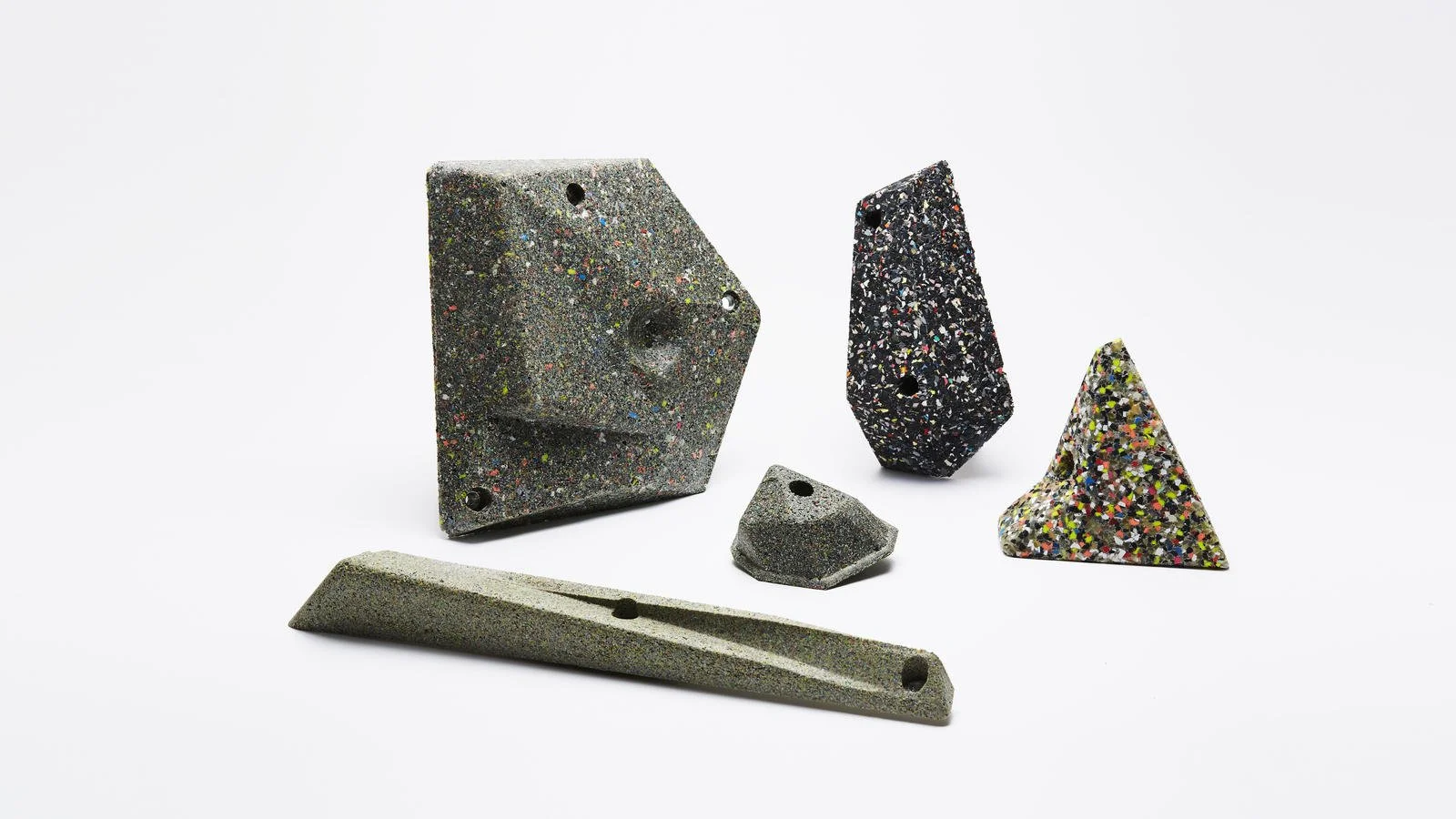
Nike Grind is a global sustainability program initiated by Nike, Inc. in 1992. The program was founded with the mission to repurpose manufacturing scrap and end-of-life shoes into new, high-performance materials. Nike Grind's current mission is to drive a circular future where waste is eliminated, and materials are continuously reused. The core values of Nike Grind include innovation, sustainability, and responsibility, aiming to transform waste into valuable resources and reduce the environmental impact of Nike's products.
Location
Headquarters: Beaverton, Oregon, USA.
Primary manufacturing/operations locations: Various locations globally, leveraging Nike's extensive manufacturing network.
Note: Strategic locations for local sourcing and distribution to minimize environmental impact.
The Circular Vision
Core circular economy principles: Designing out waste, using recycled materials, and creating products that are fully recyclable.
Key innovations: Development of high-performance materials from manufacturing scrap and end-of-life shoes, integration of recycled materials into new products, and closed-loop manufacturing processes.
Prioritization of local sourcing and closed-loop supply chains: Emphasis on local materials and production to reduce environmental impact and support local economies.
Pioneering Solutions
Flagship products: Nike Grind materials used in sports surfaces, footwear, and apparel.
Unique value propositions: High-performance, sustainable materials that reduce waste and environmental impact, and support for a circular economy.
The Regenerative Future
R&D focus areas: Advancing recycling technologies, developing new sustainable materials, and optimizing circular design processes.
Ambitious goals: To scale circularity across the entire Nike product line, significantly reduce global waste and carbon emissions, and lead the industry in sustainable practices.
Fact Sheet
Commercial Availability: Nike Grind materials are used in various Nike products and available for use in other industries.
Environmental Product Declaration (EPD): Information not available.
Circularity Rating: 5/5 (Designed for full circularity).
Key Certifications: Information not available.
Cost Rating: 4/5 (Competitive with conventional alternatives, with significant cost savings in sustainable materials).
Material Passport: Detailed material traceability and use of recycled and sustainable materials.
Designed for Disassembly: Yes, products are designed for easy disassembly and recycling.
Carbon Performance: Focus on reducing carbon footprint through sustainable materials and local production.
Key Takeaway
Nike Grind is a pioneering program that transforms waste into high-performance materials, driving significant advancements in circularity and sustainability within the sportswear industry.
Explore Further
Nike Grind website: https://www.nikegrind.com
Sustainability overview: https://www.nikegrind.com/about
Example product: Nike Grind materials - https://www.nikegrind.com/materials
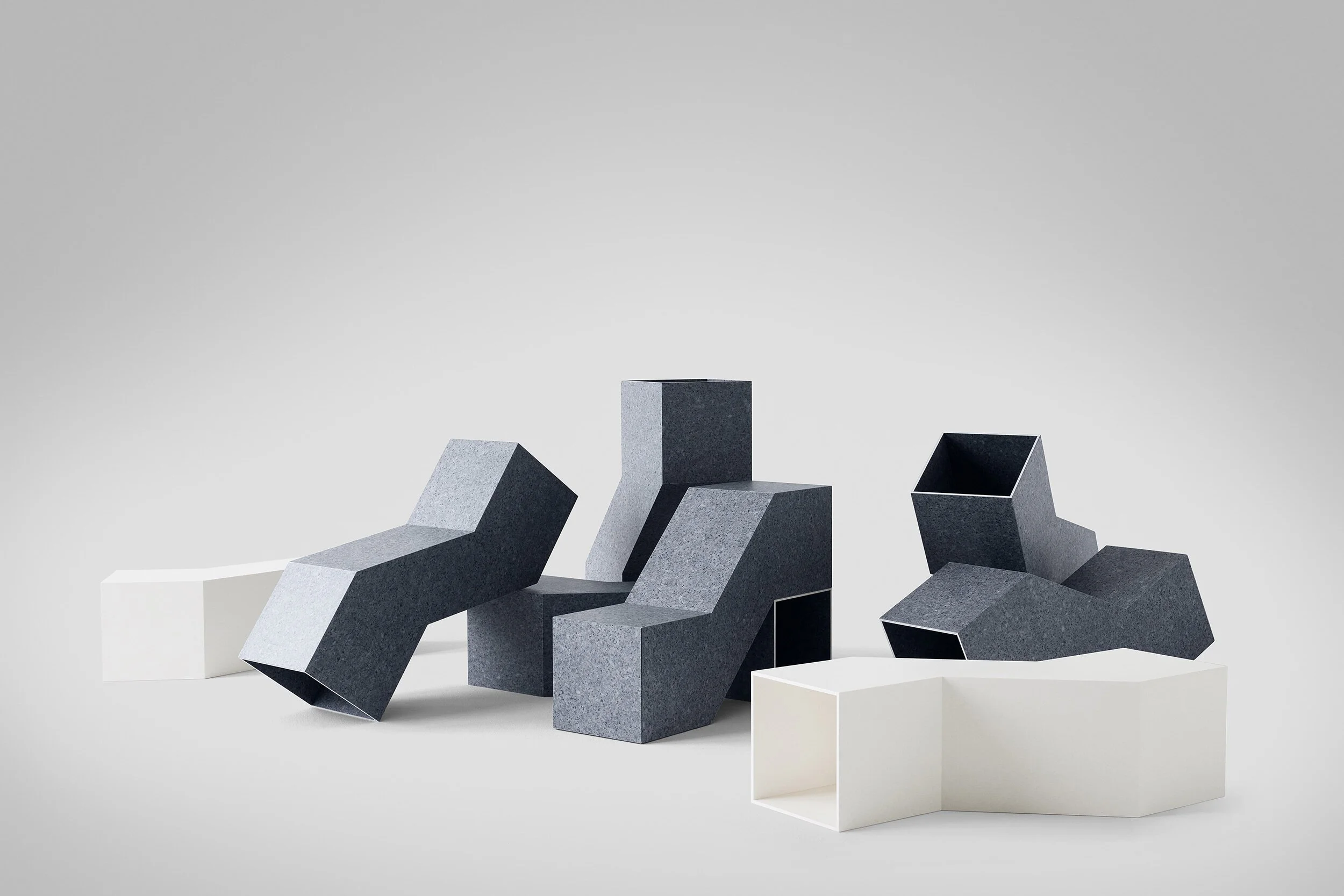
Kvadrat Really is a subsidiary of Kvadrat, established to upcycle end-of-life textiles into high-quality engineered materials. Launched in 2017, Kvadrat Really aims to challenge the conventional use of resources and promote circular design. The company's mission is to transform waste into valuable materials, thereby reducing the environmental impact of the textile industry. Kvadrat Really's core values include sustainability, innovation, and responsibility, with a purpose to create materials that can be recycled repeatedly, contributing to a waste-free future.
Location
Headquarters: Ebeltoft, Denmark.
Primary manufacturing/operations locations: Denmark.
Note: Strategic local production to minimize environmental impact and support local economies.
The Circular Vision
Core circular economy principles: Upcycling waste textiles, designing for longevity, and creating fully recyclable products.
Key innovations: Development of Textile Tabletop™, Textile Board, and Textile Felt from end-of-life textiles, promoting circular design.
Prioritization of local sourcing and closed-loop supply chains: Emphasis on local materials and production to reduce environmental impact.
Pioneering Solutions
Flagship products: Really Solid Board, Textile Tabletop™, Textile Board, and Textile Felt.
Unique value propositions: High-quality, durable materials made from upcycled textiles, innovative design processes, and a strong focus on sustainability.
The Regenerative Future
R&D focus areas: Advancing recycling technologies, developing new sustainable materials, and optimizing circular design processes.
Ambitious goals: To lead the industry in sustainable practices, create zero-waste products, and inspire a shift towards more responsible consumption.
Fact Sheet
Commercial Availability: Products available through Kvadrat's platform and select partners.
Environmental Product Declaration (EPD): Information not available.
Circularity Rating: 5/5 (Designed for full circularity).
Key Certifications: Information not available.
Cost Rating: 4/5 (Competitive with conventional alternatives, with significant cost savings in sustainable materials).
Material Passport: Detailed material traceability and use of recycled and sustainable materials.
Designed for Disassembly: Yes, products are designed for easy disassembly and recycling.
Carbon Performance: Focus on reducing carbon footprint through sustainable materials and local production.
Key Takeaway
Kvadrat Really's Solid Board transforms waste textiles into high-quality, durable materials, setting a benchmark for circularity and sustainability in the design industry.
Explore Further
Kvadrat Really website: https://www.kvadrat.dk/en/really
Sustainability overview: https://www.kvadrat.dk/en/kvadrat-really/about
Example product: Really Solid Board - https://www.kvadrat.dk/en/kvadrat-really/kvadrat-really-products/textile-board

Renewcell is a Swedish sustaintech company founded in January 2012 by innovators from the Royal Institute of Technology (KTH) in Stockholm, including Prof. Mikael Lindström, Prof. Gunnar Henriksson, and Dr. Christofer Lindgren. The company was established with the mission to revolutionize the textile industry by making fashion circular through innovative recycling technologies. Renewcell's current mission is to transform textile waste into high-quality, biodegradable raw materials, thereby reducing the environmental impact of the fashion industry. The core values of Renewcell include sustainability, innovation, and responsibility, with a purpose to close the loop in the textile value chain and promote a circular economy.
Location
Headquarters: Stockholm, Sweden.
Primary manufacturing/operations locations: Kristinehamn and Sundsvall, Sweden.
Note: Strategic locations in Sweden to leverage renewable energy and optimize local sourcing and production.
The Circular Vision
Core circular economy principles: Designing out waste, using recycled materials, and creating products that are fully recyclable.
Key innovations: Development of Circulose®, a branded dissolving pulp made from 100% textile waste, enabling the production of biodegradable regenerated fibers.
Prioritization of local sourcing and closed-loop supply chains: Emphasis on local materials and production to minimize environmental impact and support local economies.
Pioneering Solutions
Flagship products: Circulose® pulp used to produce viscose, lyocell, modal, acetate, and other man-made cellulosic fibers.
Unique value propositions: High-quality, sustainable materials made from textile waste, innovative recycling processes, and a strong focus on circularity.
The Regenerative Future
R&D focus areas: Advancing recycling technologies, developing new sustainable materials, and optimizing circular design processes.
Ambitious goals: To recycle the equivalent of more than 1.4 billion t-shirts every year by 2030, significantly reduce global textile waste, and lead the industry in sustainable practices.
Fact Sheet
Commercial Availability: Circulose® pulp is available for use by various industries through partnerships and collaborations.
Environmental Product Declaration (EPD): Information not available.
Circularity Rating: 5/5 (Designed for full circularity).
Key Certifications: Recycled Claim Standard (RCS).
Cost Rating: Information not available.
Material Passport: Detailed material traceability and use of 100% recycled textile waste.
Designed for Disassembly: Yes, products are designed for easy disassembly and recycling.
Carbon Performance: Focus on reducing carbon footprint through sustainable materials and local production.
Key Takeaway
Renewcell is a pioneering company that transforms textile waste into high-quality, biodegradable materials, driving significant advancements in circularity and sustainability within the fashion industry.
Explore Further
Renewcell website: https://www.renewcell.com
Sustainability overview: https://www.renewcell.com/en/about/
Example product: Circulose® - https://www.renewcell.com/en/circulose/
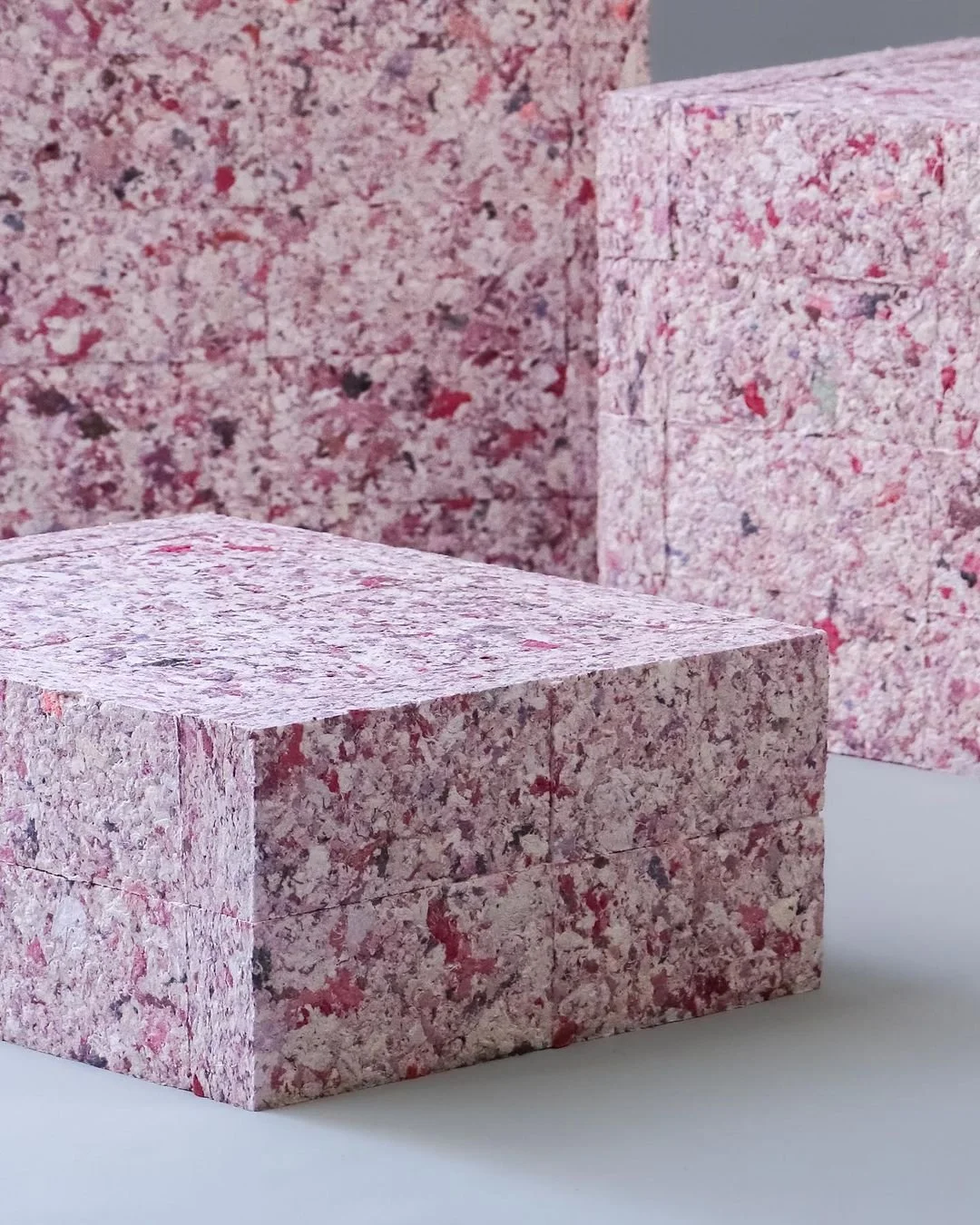
FabBRICK is a French company founded by Clarisse Merlet in 2018. The company was established with the mission to create sustainable building materials from recycled textiles, transforming waste into valuable resources. FabBRICK's current mission focuses on developing innovative, eco-friendly bricks for design and architecture. Core values include sustainability, innovation, and responsibility, with a purpose to reduce textile waste and promote circular economy practices.
Location
Headquarters: Paris, France.
Primary manufacturing/operations locations: Paris, with plans to automate and expand production capabilities.
Note: Strategic location in Paris to optimize local sourcing, distribution, and collaboration with industry partners.
The Circular Vision
Core circular economy principles: Designing out waste, using recycled textiles, and creating products that are fully recyclable.
Key innovations: Development of patented FabBRICK technology that transforms various types of textile waste, including EPI (personal protective equipment), into durable and aesthetic building materials. The process involves shredding textiles, mixing them with a bio-based binder, and compressing them into bricks.
Prioritization of local sourcing and closed-loop supply chains: Emphasis on using local textile waste and production to minimize environmental impact and support local economies.
Pioneering Solutions
Flagship products: Recycled textile bricks for wall cladding, interior design, and custom furniture.
Unique value propositions: High-quality, sustainable building materials that prioritize circularity, material reuse, and environmental responsibility. FabBRICK's products are known for their unique textures, colors, and eco-friendly properties.
The Regenerative Future
R&D focus areas: Advancing recycling technologies, optimizing production processes, and developing new applications for recycled textile materials.
Ambitious goals: To lead the construction and design industries in sustainable practices, create zero-waste products, and inspire a shift towards a regenerative built environment.
Fact Sheet
Commercial Availability: Products available through direct sales and partnerships with designers and architects.
Environmental Product Declaration (EPD): Information not available.
Circularity Rating: 5/5 (Designed for full circularity).
Key Certifications: Information not available.
Cost Rating: 4/5 (Competitive with conventional alternatives, with significant cost savings in sustainable materials).
Material Passport: Detailed material traceability and use of recycled textiles.
Designed for Disassembly: Yes, products are designed for easy disassembly and recycling.
Carbon Performance: Focus on reducing carbon footprint through sustainable materials and local production.
Key Takeaway
FabBRICK transforms textile waste into high-quality, sustainable building materials, setting a benchmark for circularity and environmental responsibility in the design and construction industries.
Explore Further
FabBRICK website: https://www.fab-brick.com
Sustainability overview: https://www.fab-brick.com/recyclageepi
Example product: Recycled textile bricks - https://www.fab-brick.com/projets

Polycare was founded in 2010 by Dr. Gerhard Dust and Gunther Plötner in response to the devastating earthquake in Haiti. The company was established with the mission to build affordable, durable, and comfortable houses using locally available secondary raw materials without the need for expensive equipment. Today, Polycare's mission focuses on revolutionizing the construction industry through sustainable and circular building solutions. Core values include innovation, sustainability, and responsibility, with a purpose to create a regenerative future through advanced material science and production technology.
Location
Headquarters: Thuringian Forest, Germany.
Primary manufacturing/operations locations: Various locations across Germany.
Note: Strategic location in the Thuringian Forest to optimize local sourcing, distribution, and collaboration with industry partners.
The Circular Vision
Core circular economy principles: Designing out waste, using recycled and bio-based materials, and creating products that are fully recyclable.
Key innovations: Development of Polyblocks made from secondary raw materials, elimination of cement as a binder for geopolymer concrete, and integration of industrial by-products such as fly ash and slags.
Prioritization of local sourcing and closed-loop supply chains: Emphasis on using local materials and production to minimize environmental impact and support local economies.
Pioneering Solutions
Flagship products: Polyblocks for modular construction, SEMBLA® reusable masonry system.
Unique value propositions: High-quality, sustainable building solutions that prioritize circularity, material reuse, and environmental responsibility. Polycare's products are known for their durability, ease of assembly, and innovative use of secondary raw materials.
The Regenerative Future
R&D focus areas: Advancing sustainable materials, optimizing recycling processes, and developing new circular design principles.
Ambitious goals: To lead the construction industry in sustainable practices, create zero-waste products, and inspire a shift towards a regenerative built environment.
Fact Sheet
Commercial Availability: Products available globally through direct sales and partnerships with distributors.
Environmental Product Declaration (EPD): Information not available.
Circularity Rating: 5/5 (Designed for full circularity).
Key Certifications: Information not available.
Cost Rating: 4/5 (Competitive with conventional alternatives, with significant cost savings in sustainable materials).
Material Passport: Detailed material traceability and use of recycled and bio-based materials.
Designed for Disassembly: Yes, products are designed for easy disassembly and recycling.
Carbon Performance: Focus on reducing carbon footprint through sustainable materials and local production.
Key Takeaway
Polycare transforms the construction industry through innovative, sustainable building solutions, setting a benchmark for circularity and environmental responsibility.
Explore Further
Polycare website: https://polycare.de/en
Polycare purpose: https://polycare.de/en/polycare/our-purpose
Example product: SEMBLA®