Tech-Driven Sustainability
Revolutionising Design and Manufacturing: How Technology is Shaping a Greener Future
In the rapidly evolving landscape of sustainable design and manufacturing, technology stands as a powerful catalyst for change. From artificial intelligence to advanced materials, innovations are reshaping how we conceive, create, and produce goods. But how exactly is technology driving this green revolution, and what does it mean for the future of manufacturing?
Understanding Tech-Driven Sustainability
Tech-driven sustainability in design and manufacturing refers to the use of cutting-edge technologies to create products and processes that are environmentally friendly, resource-efficient, and economically viable. It's about harnessing the power of innovation to meet our needs without compromising the ability of future generations to meet theirs.
Why Tech-Driven Sustainability Matters
Resource Efficiency: Advanced technologies enable more precise use of materials and energy, reducing waste and conserving resources.
Innovation in Materials: Tech is driving the development of new, sustainable materials that are biodegradable, recyclable, or have a lower environmental impact.
Optimised Processes: AI and machine learning are optimising manufacturing processes, reducing energy consumption and emissions.
Circular Economy Support: Technology facilitates the tracking and recycling of materials, supporting circular economy principles.
Enhanced Product Lifecycles: Smart technologies enable predictive maintenance and upgrades, extending product lifespans.
Transformative Technologies Across Industries
Innovative technologies are making waves in various sectors:
Additive Manufacturing: 3D printing is reducing material waste and enabling on-demand production.
Internet of Things (IoT): Smart sensors are optimising energy use in factories and products.
Artificial Intelligence: AI is improving design processes, predicting maintenance needs, and optimising supply chains.
The Future of Tech-Driven Sustainability
As we look ahead, the role of technology in sustainable design and manufacturing will only grow. We can expect to see more integration of renewable energy in production processes, increased use of bio-based and recycled materials, and further advancements in AI-driven design and optimisation.
The convergence of technologies like blockchain, AI, and IoT promises to create fully transparent and traceable supply chains, ensuring ethical sourcing and sustainable practices throughout the product lifecycle.
Call to Action
Are you a designer, manufacturer, or tech enthusiast interested in sustainability? Start exploring how emerging technologies can be integrated into your work or daily life to promote sustainability. Join the NU Design Spaces community to connect with experts in sustainable technology, access resources on the latest innovations, and share your ideas for tech-driven sustainability. Together, we can harness the power of technology to create a more sustainable, circular future for design and manufacturing.
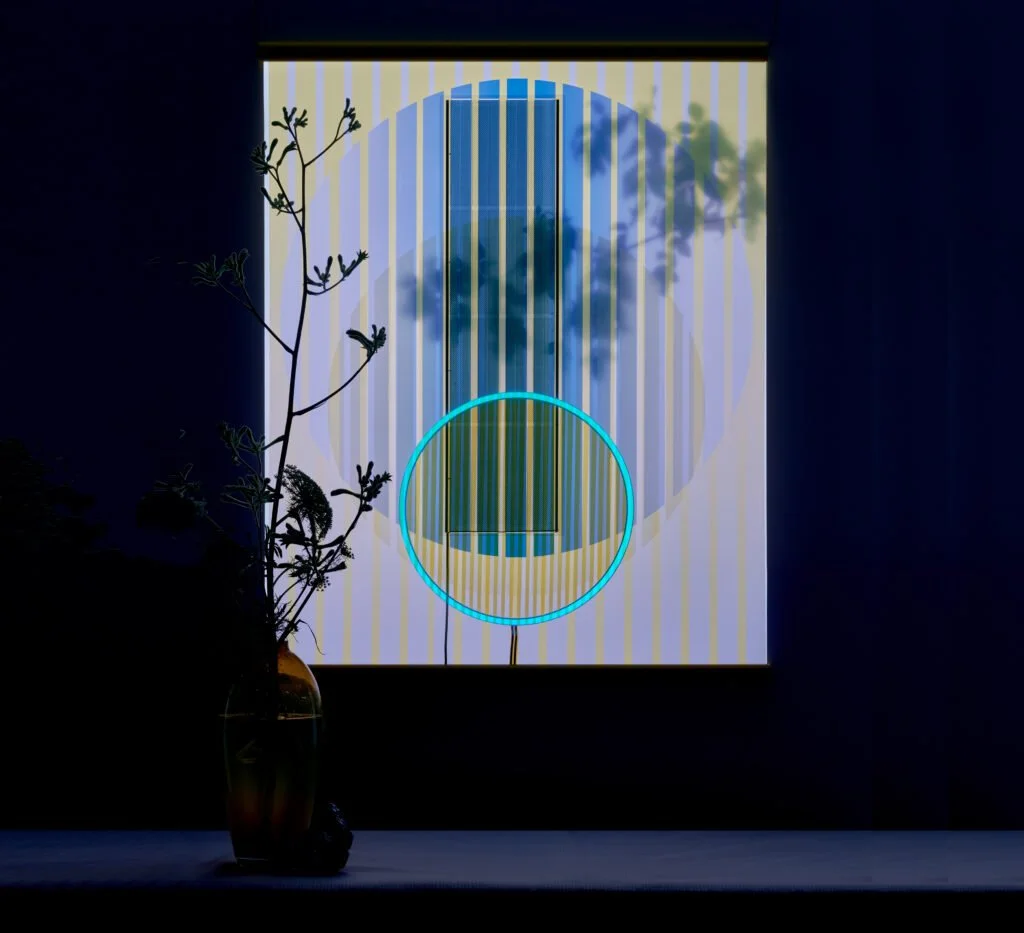
Marjan van Aubel is a Dutch solar designer based in Amsterdam, Netherlands. She established her studio with the mission to integrate solar technology into everyday objects and environments, promoting sustainability and renewable energy. Van Aubel's current mission focuses on creating innovative solar designs that are both functional and aesthetically pleasing, aiming to make solar energy an integral part of daily life. Core values include sustainability, innovation, and interdisciplinary collaboration, with a purpose to redefine the relationship between design, technology, and the environment.
Location
Headquarters: Amsterdam, Netherlands.
Primary manufacturing/operations locations: Various locations based on project requirements and collaborations.
The Circular Vision
Core circular economy principles: Designing out waste, using renewable energy sources, and creating products that promote environmental awareness and sustainable practices.
Key innovations: Development of projects like "Current Table," "Current Window," and "Sunne," which incorporate solar cells into furniture and lighting to harness solar energy. The "Solar Pavilion" and "8 Minutes and 20 Seconds" installations showcase the potential of integrating solar technology into public spaces.
Prioritization of local sourcing and closed-loop supply chains: Emphasis on using sustainable materials and production methods to minimize environmental impact and support local economies.
Pioneering Solutions
Flagship projects: Van Aubel's portfolio includes innovative solar-powered designs such as the Current Table and Current Window (which generate electricity from ambient light using dye-sensitised solar cells), Sunne (a self-powering solar light), the Solar Pavilion (a demountable structure that generates energy and heat), and the "8 Minutes and 20 Seconds" installation (an interactive display using photovoltaic sheets).
Unique value propositions: High-quality, innovative solar design solutions that prioritize circularity, renewable energy, and environmental responsibility. Van Aubel's work is known for its ability to seamlessly integrate solar technology into everyday objects and public spaces, making renewable energy more accessible and visually appealing.
The Regenerative Future
R&D focus areas: Advancing solar technology integration in design, exploring new applications for solar cells in everyday objects, and developing solutions that further reduce waste and energy consumption in production processes.
Ambitious goals: To lead the design industry in sustainable practices, create zero-waste solar products, and inspire a shift towards a regenerative approach to design and energy usage.
Fact Sheet
Commercial Availability: Solar design services and products available through collaborations, exhibitions, and partnerships with brands and institutions.
Circularity Rating: 5/5 (Strong focus on integrating circular economy principles and renewable energy in design).
Key Certifications: Winner of multiple awards, including the Dezeen Awards, Wallpaper Design Award, and the Radicale Vernieuwer award.
Cost Rating: 4/5 (Competitive with high-end design services, with significant value in sustainability and innovation).
Material Passport: Detailed material traceability and use of sustainable and renewable materials in many projects.
Designed for Disassembly: Yes, projects like the Solar Pavilion are designed for easy disassembly and reuse.
Carbon Performance: Focus on reducing carbon footprint through the use of renewable energy and sustainable materials. Committed to minimizing environmental impact through efficient design and production processes.
Key Takeaway
Marjan van Aubel transforms the design industry through innovative, sustainable solar solutions that prioritize circular economy principles, setting a benchmark for environmental responsibility and material innovation in contemporary design.
Explore Further
Marjan van Aubel website: https://www.marjanvanaubel.com
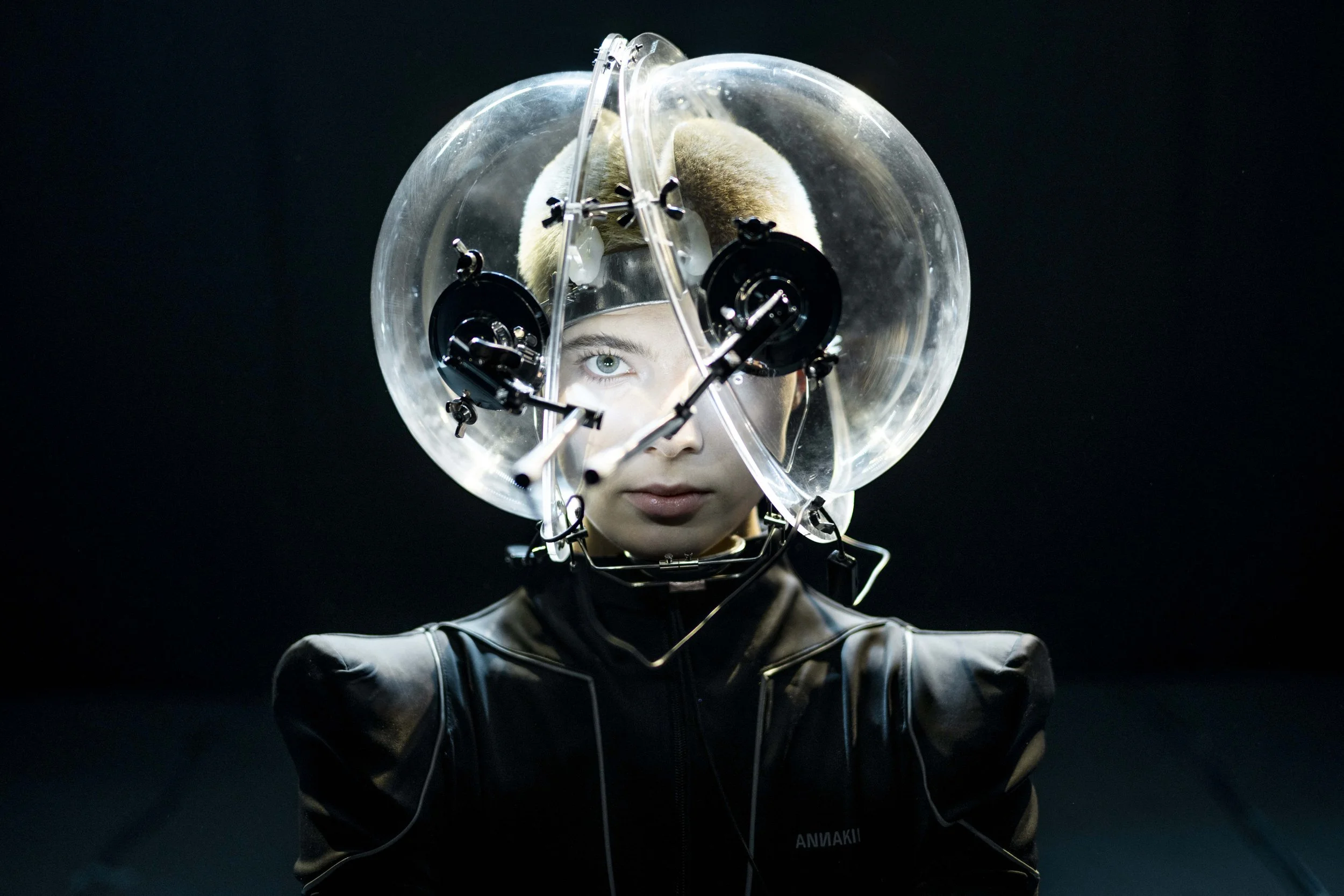
Behnaz Farahi is an Iranian-born American interdisciplinary designer and educator whose work melds architecture, fashion, interaction design, computational design, wearable technology, and the human body. She established her practice with the mission to explore the potential of interactive environments and their relationship to the human body. Farahi's current approach focuses on integrating circular economy principles into her design processes, creating innovative and sustainable solutions that address social and cultural issues. Core values include sustainability, innovation, and social commentary, with a purpose to redefine the relationship between design, technology, and the environment.
Location
Headquarters: Los Angeles, California, USA.
Primary manufacturing/operations locations: Various global locations for projects and collaborations.
The Circular Vision
Core circular economy principles: Designing out waste, using sustainable and recycled materials, and creating interactive designs that promote environmental awareness and sustainable practices.
Key innovations: Development of projects like "Caress of the Gaze," a 3D-printed animatronic cape that reacts to onlookers' gaze, and "Returning the Gaze," a cyber-physical robotic installation challenging the male gaze in the fashion industry.
Prioritization of local sourcing and closed-loop supply chains: Emphasis on using advanced manufacturing techniques and sustainable materials, though specific information on local sourcing is not provided.
Pioneering Solutions
Flagship projects: Farahi's portfolio includes innovative projects such as "Caress of the Gaze" (a 3D-printed cape with eye-tracking capabilities), "Can The Subaltern Speak?" (AI-enhanced masks for secret communication), and "Returning the Gaze" (a robotic installation for Milan Fashion Week).
The Regenerative Future
R&D focus areas: Advancing interactive design techniques, exploring new applications for wearable technology and sustainable materials, and developing solutions that further reduce waste and energy consumption in design and production processes.
Ambitious goals: To lead the design industry in sustainable and socially responsible practices, create zero-waste interactive designs, and inspire a shift towards a regenerative approach to design and technology.
Fact Sheet
Commercial Availability: Design services and interactive installations available through collaborations, exhibitions, and partnerships with cultural institutions and brands.
Circularity Rating: 4/5 (Strong focus on integrating circular economy principles and interactive design, though full lifecycle considerations are not explicitly mentioned).
Key Certifications: Winner of the Cooper Hewitt Smithsonian Design Museum Digital Design Award (2021), Fast Company’s Innovation by Design Honorable Mention (2022), World Technology Award in Design (2016).
Cost Rating: High-end pricing for innovative and interactive design pieces.
Material Passport: Detailed exploration of sustainable and interactive materials in projects, though formal material passports are not mentioned.
Designed for Disassembly: Information not explicitly provided, but emphasis on advanced manufacturing and interactive design suggests potential for adaptability.
Carbon Performance: Focus on reducing environmental impact through the use of sustainable materials and advanced manufacturing techniques. Specific carbon metrics not provided.
Key Takeaway
Behnaz Farahi transforms the design industry through innovative, sustainable solutions that prioritize circular economy principles and interactive technology, setting a benchmark for environmental responsibility and social commentary in contemporary design.
Explore Further
Behnaz Farahi website: https://behnazfarahi.com

Pauline van Dongen is a Dutch fashion designer and researcher specializing in wearable technology, founded her design studio in 2010. The studio was established with the mission to explore the intersection of fashion and technology, creating innovative and sustainable clothing solutions. Pauline van Dongen's current mission focuses on integrating smart textiles and technology into fashion while considering sustainability and circular economy principles. Core values include innovation, sustainability, and pushing the boundaries of wearable technology, with a purpose to redefine the relationship between fashion, technology, and the environment.
Location
Headquarters: Arnhem, Netherlands.
Primary manufacturing/operations locations: Various locations based on project requirements and collaborations.
The Circular Vision
Core circular economy principles: While not explicitly focused on circular economy, van Dongen's work often incorporates principles of sustainability and innovation in material use.
Key innovations: Development of projects like light-up sportswear in collaboration with Philips, exploring the integration of technology into clothing to add value and potentially extend product lifecycles.
Prioritization of local sourcing and closed-loop supply chains: Information not explicitly provided, but emphasis on collaboration with technology companies suggests potential for innovative approaches to sourcing and production.
Pioneering Solutions
Flagship projects: Collaborations with companies like Philips for light-up sportswear, and various projects exploring the integration of technology into fashion.
Unique value propositions: High-quality, innovative fashion solutions that prioritize the integration of technology and smart textiles. Pauline van Dongen's work is known for its ability to create functional, tech-enhanced clothing that pushes the boundaries of wearable technology.
The Regenerative Future
R&D focus areas: Advancing smart textile development, exploring new applications for wearable technology, and potentially developing solutions that integrate sustainability and circularity into tech-enhanced fashion.
Ambitious goals: To lead the fashion industry in the integration of technology and smart textiles, create innovative wearable solutions, and inspire a shift towards more functional and potentially sustainable approaches to fashion design.
Fact Sheet
Commercial Availability: Design services and products available through collaborations, exhibitions, and partnerships with brands and institutions.
Circularity Rating: 3/5 (While not explicitly focused on circular economy, work in smart textiles and wearable technology may contribute to product longevity and innovation in material use).
Key Certifications: Listed in Forbes' Europe's Top 50 Women in Tech 2018.
Cost Rating: Information not available.
Material Passport: Detailed information on smart textiles and technologies used in projects.
Designed for Disassembly: Information not explicitly provided, but integration of technology may present unique challenges and opportunities for product lifecycle management.
Carbon Performance: Information not explicitly provided, but focus on technology integration may have implications for product energy use and lifecycle.
Key Takeaway
Pauline van Dongen transforms the fashion industry through innovative, technology-driven solutions that explore the potential of smart textiles and wearable technology, setting a benchmark for the integration of fashion and technology in contemporary design.
Explore Further
Pauline van Dongen website: https://www.paulinevandongen.nl
Project example: Suntex

OXMAN is a design and technology company founded by Neri Oxman, an Israeli-American architect, designer, and professor known for her work at the intersection of design, biology, computing, and materials engineering. The company was established with the mission to create a future of complete synergy between nature and humanity by fusing design, technology, and biology. OXMAN's current mission focuses on accelerating systems-level change through innovative design and sustainable practices. Core values include innovation, sustainability, and interdisciplinary collaboration, with a purpose to redefine the relationship between design, materials, and the environment.
Location
Headquarters: New York, USA.
Primary manufacturing/operations locations: Various global locations for projects and collaborations.
The Circular Vision
Core circular economy principles: Designing out waste, using sustainable and biodegradable materials, and creating products and environments that promote environmental awareness and sustainable practices.
Key innovations: Development of projects like the Aguahoja Pavilion, which uses biocomposite materials derived from natural sources such as shrimp shells and fallen leaves, and the Silk Pavilion, which integrates biological organisms like silkworms into the fabrication process.
Prioritization of local sourcing and closed-loop supply chains: Emphasis on using locally sourced, sustainable materials and production methods to minimize environmental impact and support local economies.
Pioneering Solutions
Flagship projects: Aguahoja Pavilion (biocomposite structure), Silk Pavilion (biological fabrication with silkworms), and Man-Nahāta (urban design project envisioning a nature-centric future for Manhattan).
Unique value propositions: High-quality, innovative design solutions that prioritize circularity, material reuse, and environmental responsibility. OXMAN's work is known for its ability to create immersive, thought-provoking environments that connect with diverse audiences while promoting sustainability.
The Regenerative Future
R&D focus areas: Advancing sustainable design techniques, exploring new applications for biodegradable and bio-based materials, and developing solutions that further reduce waste and energy consumption in design and production processes.
Ambitious goals: To lead the design industry in sustainable practices, create zero-waste products and installations, and inspire a shift towards a regenerative approach to design and environmental stewardship.
Fact Sheet
Commercial Availability: Design services and products available through collaborations, exhibitions, and partnerships with cultural institutions and businesses.
Circularity Rating: 5/5 (Strong focus on integrating circular economy principles in design and production).
Key Certifications: Information not available.
Cost Rating: 4/5 (Competitive with high-end design services, with significant value in sustainability and innovation).
Material Passport: Detailed material traceability and use of biodegradable and sustainable materials in many projects.
Designed for Disassembly: Yes, many projects are designed with consideration for future adaptability and material reuse.
Carbon Performance: Focus on reducing carbon footprint through the use of sustainable materials and local production. Committed to minimizing environmental impact through efficient design and manufacturing processes.
Key Takeaway
OXMAN transforms the design industry through innovative, sustainable solutions that prioritize circular economy principles, setting a benchmark for environmental responsibility and material innovation in contemporary design.
Explore Further
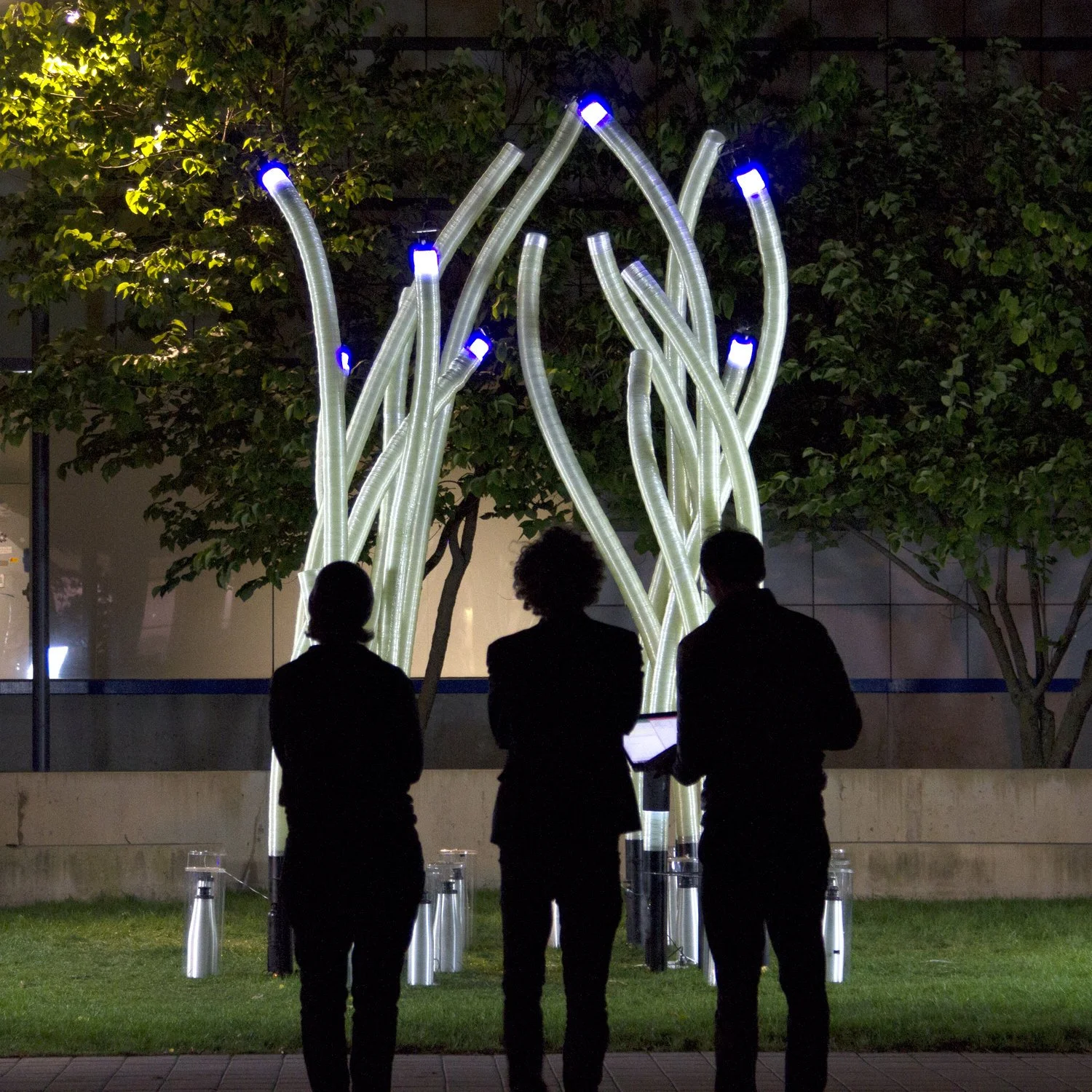
Kayser Works is a design studio founded by German designer, artist, and inventor Markus Kayser. The studio was established with the mission to explore novel design and digital fabrication processes at the intersection of design, technology, and biology. Kayser Works' current approach focuses on challenging rigid design and fabrication conceptions by deploying raw energy, materials, biological systems, and technology to develop new forms of making. Core values include innovation, sustainability, and interdisciplinary collaboration, with a purpose to redefine the relationship between design, materials, and the environment.
Location
Headquarters: Berlin, Germany.
Note: Strategic location in Berlin, with previous work conducted at MIT Media Lab and in desert environments.
The Circular Vision
Core circular economy principles: While not explicitly focused on circular economy, many projects incorporate principles of material innovation, energy efficiency, and sustainable production.
Key innovations: Development of the Solar Sinter (3D printing using desert sand and sunlight), Silk Pavilion (combining digital and biological fabrication), and Fiberbots (autonomous digital fabrication system).
Prioritization of local sourcing and closed-loop supply chains: Emphasis on using locally available resources and natural energy sources in projects like the Solar Sinter.
Pioneering Solutions
Flagship projects: Solar Sinter (3D printing with sand and sunlight), Silk Pavilion (architecture using silkworms), Fiberbots (robotic fabrication), LIGHTzeit (dynamic lighting installation), and PaC (minimal waste chair design).
Unique value propositions: High-quality, innovative design solutions that challenge conventional manufacturing processes and explore the potential of natural systems and energy sources.
The Regenerative Future
R&D focus areas: Advancing digital fabrication techniques, exploring new applications for natural materials and energy sources, and developing solutions that bridge the gap between technology and biology.
Ambitious goals: To lead the design industry in innovative practices, create novel fabrication methods, and inspire a shift towards more sustainable and efficient design and production approaches.
Fact Sheet
Commercial Availability: Many projects are experimental, with some designs available through exhibitions and collaborations.
Circularity Rating: 4/5 (Strong focus on innovative, sustainable approaches, though not all projects explicitly address circularity).
Key Certifications: Various awards including Design Miami/Basel's Designer of the Future Award (2012) and Ars Electronica Award of Distinction (2012).
Cost Rating: Varies by project; many are research-oriented rather than commercial products.
Material Passport: Detailed material exploration and innovation in many projects, often focusing on natural or locally sourced materials.
Designed for Disassembly: Varies by project; some, like PaC chair, consider ease of assembly/disassembly.
Carbon Performance: Focus on reducing environmental impact through innovative energy use and material choices, though not explicitly quantified for all projects.
Key Takeaway
Kayser Works transforms the design and fabrication industry through innovative solutions that challenge conventional methods, setting a benchmark for exploring the intersection of technology, biology, and sustainability in contemporary design practice.
Explore Further
Kayser Works website: https://kayserworks.com


Layer is a thought-leading design studio founded in 2015 by British designer Benjamin Hubert. The studio embraces circular economy principles by prioritizing sustainable materials, renewable energy usage, and eco-friendly manufacturing processes. Layer's core mission is to create revolutionary product experiences through human-centered design thinking. Their work spans strategy, industrial design, branding, digital design, and spatial design for leading brands. Layer nurtures an innovative culture focused on pushing boundaries to drive positive environmental and social impact.
Location
Headquarters: London, United Kingdom.
Primary studio location: 445 Hackney Road, London.
The Circular Vision
Core circular economy principles: Designing for longevity, adaptability, disassembly, and material circularity.
Key innovations: Extensive material research, designing for easy maintenance/repair/reuse, sustainable manufacturing processes.
Prioritizing localized supply chains and responsible material sourcing.
Pioneering Solutions
Flagship solutions: Reversible Building Design (RBD) protocol, disassembly-focused product design.
Unique value propositions: Human-centered, future-proof design and holistic sustainability integration.
The Regenerative Future
R&D focus: Advancing circular construction methods, biomaterial innovations, digital design tools.
Ambitious goals: Becoming an industry leader in ethical, eco-positive design and business practices.
Fact Sheet
Commercial Availability: Products through brand partners globally.
Environmental Certifications: Cradle to Cradle, LEED, WELL Building Standard.
Circularity Rating: 5/5.
Key Accreditations: ISO Standards for Design for Disassembly/Adaptability.
Cost Rating: 4/5 (Higher premium positioning).
Material Traceability: Extensive data on material sources and lifecycles.
Designed for Disassembly: Yes, a core design principle.
Carbon Performance: Aim for net zero/negative through energy efficiency.
The Human Element
Layer places a strong emphasis on the human element in design, ensuring solutions are inclusive, culturally aware, and facilitate cross-collaboration. The studio adopts strategies like participatory design workshops to bridge cultural gaps and develop user-centric solutions.
Environmental Considerations
Stringent environmental regulations and third-party certifications guide Layer's design approach. The studio prioritizes localized material sourcing, renewable energy usage, waste reduction, and material health evaluations to minimize environmental impact.
Intellectual Property Protection
Layer safeguards its innovative designs through comprehensive IP protection strategies, including patents, trademarks, copyrights, and legal agreements to prevent unauthorized use or replication of proprietary solutions.
Key Takeaway
Layer is pioneering a holistic approach to sustainable design that seamlessly integrates circular principles across its portfolio, positioning the studio as an industry leader in shaping the built environment for a regenerative future.
Explore Further
Layer website: https://layerdesign.com
Sustainability overview: https://layerdesign.com/about