
United for Circularity
The Power of Collaboration: Uniting Stakeholders for Circular Design Success
In the world of circular design, the concept of being 'united' is more than just a buzzword—it's a fundamental principle that drives innovation and sustainable change. But what does it truly mean to be united in circular design, and how does this collaborative approach shape our path towards a more sustainable future?
Understanding United Circular Design
United circular design refers to the collaborative approach that brings together diverse stakeholders—from designers and manufacturers to policymakers and consumers—to work towards common sustainability goals. It's about breaking down silos and fostering partnerships that can tackle complex environmental challenges more effectively than any single entity could alone.
Why United Collaboration Matters in Circular Design
Holistic Solutions: Collaboration enables a systems-wide approach, addressing sustainability challenges from multiple angles.
Innovation Acceleration: Diverse perspectives and expertise lead to more creative and effective circular solutions.
Shared Resources: Collaboration allows for the pooling of resources, knowledge, and capabilities.
Scalability: United efforts can more easily scale circular initiatives from local to global levels.
Consistent Standards: Collaboration helps establish industry-wide standards for circular practices.
United Circular Design Across Sectors
Collaborative circular design is making waves in various industries:
Fashion: Brands, recyclers, and textile innovators collaborating to create closed-loop clothing systems.
Construction: Architects, material scientists, and demolition experts working together to design buildings for disassembly and material reuse.
Food Industry: Farmers, food producers, and waste management companies uniting to create circular food systems.
The Future of United Circular Design
As we move towards a more circular economy, the importance of collaboration will only grow. We can expect to see more cross-sector partnerships, open-source circular design platforms, and global alliances focused on circular innovation.
The rise of digital technologies is also facilitating new forms of collaboration, enabling real-time data sharing and virtual co-creation across geographical boundaries. This could lead to more rapid prototyping and implementation of circular solutions on a global scale.
Call to Action
Are you ready to embrace the power of collaboration in your circular design journey? Start by identifying potential partners in your industry or across sectors who share your sustainability goals. Join the NU Design Spaces community to connect with like-minded professionals, access collaborative tools and resources, and share your experiences in united circular design. Together, we can create a more connected, collaborative, and circular future for design and manufacturing.
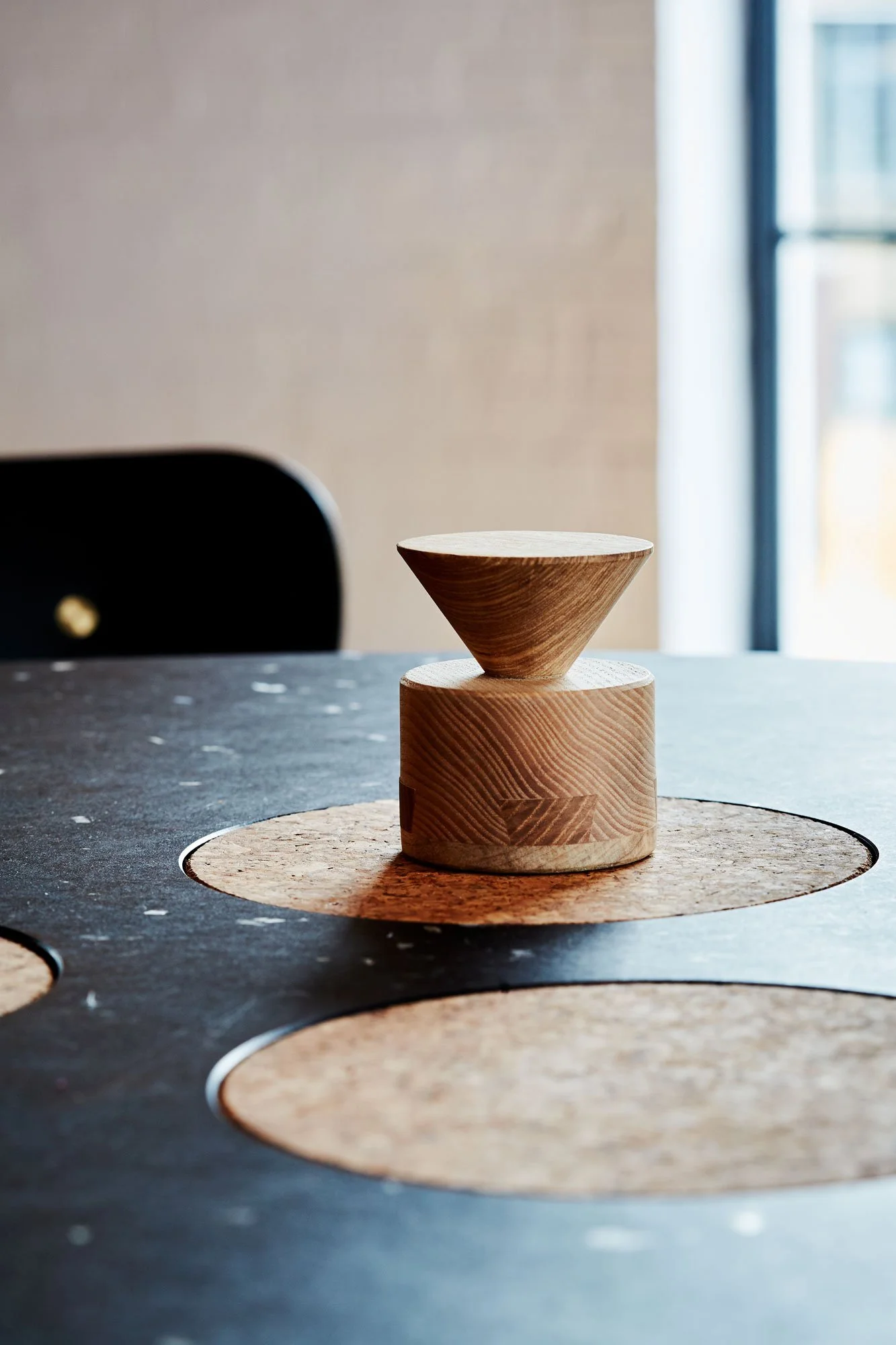
Nina+Co is a London-based interior design studio founded by Nina Woodcroft in 2014. The studio was established with the mission to create mindful and sustainable design solutions that integrate circular economy principles. Nina+Co's current mission focuses on applying circular thinking, radical materiality, and a deep concern for the wellbeing of people and the planet. Core values include sustainability, innovation, and craftsmanship, with a purpose to redefine the relationship between interior design, materials, and the environment.
Location
Headquarters: London, United Kingdom.
Primary manufacturing/operations locations: Various locations based on project requirements and collaborations.
The Circular Vision
Core circular economy principles: Designing out waste, using recycled and biobased materials, and creating interiors that promote environmental awareness and sustainable practices.
Key innovations: Development of projects utilizing materials like mushroom mycelium, algae, bioplastics, and hemp. The studio emphasizes the use of non-toxic, recyclable, and biodegradable materials.
Prioritization of local sourcing and closed-loop supply chains: Emphasis on sourcing materials locally and sustainably to minimize environmental impact and support local economies.
Pioneering Solutions
Flagship projects: "Big Beauty" store in Hackney, London (using mycelium biotextile, reclaimed gypsum, and salvaged travertine), "Silo" zero-waste restaurant (using waste and responsible materials), and "MONC" eyewear store (using easily portable eco-materials).
Unique value propositions: High-quality, innovative interior design solutions that prioritize circularity, material reuse, and environmental responsibility. Nina+Co's work is known for its ability to create immersive, sustainable environments that connect with diverse audiences while promoting circular economy principles.
The Regenerative Future
R&D focus areas: Advancing sustainable design techniques, exploring new applications for recycled and biobased materials, and developing solutions that further reduce waste and energy consumption in interior design and production processes.
Ambitious goals: To lead the interior design industry in sustainable practices, create zero-waste interiors, and inspire a shift towards a regenerative approach to design and environmental stewardship.
Fact Sheet
Commercial Availability: Design services and products available through collaborations, exhibitions, and partnerships with brands and institutions.
Circularity Rating: 5/5 (Strong focus on integrating circular economy principles in design and production).
Key Certifications: Information not available.
Cost Rating: 4/5 (Competitive with high-end design services, with significant value in sustainability and innovation).
Material Passport: Detailed material traceability and use of recycled and biobased materials in many projects.
Designed for Disassembly: Yes, many projects are designed with consideration for future adaptability and material reuse.
Carbon Performance: Focus on reducing carbon footprint through the use of sustainable materials and local production. Committed to minimizing environmental impact through efficient design and construction processes.
Key Takeaway
Nina+Co transforms the interior design industry through innovative, sustainable solutions that prioritize circular economy principles, setting a benchmark for environmental responsibility and material innovation in contemporary design.
Explore Further
Nina+Co website: https://www.ninaand.co
Silo zero-waste restaurant project: https://ninaand.co/silo
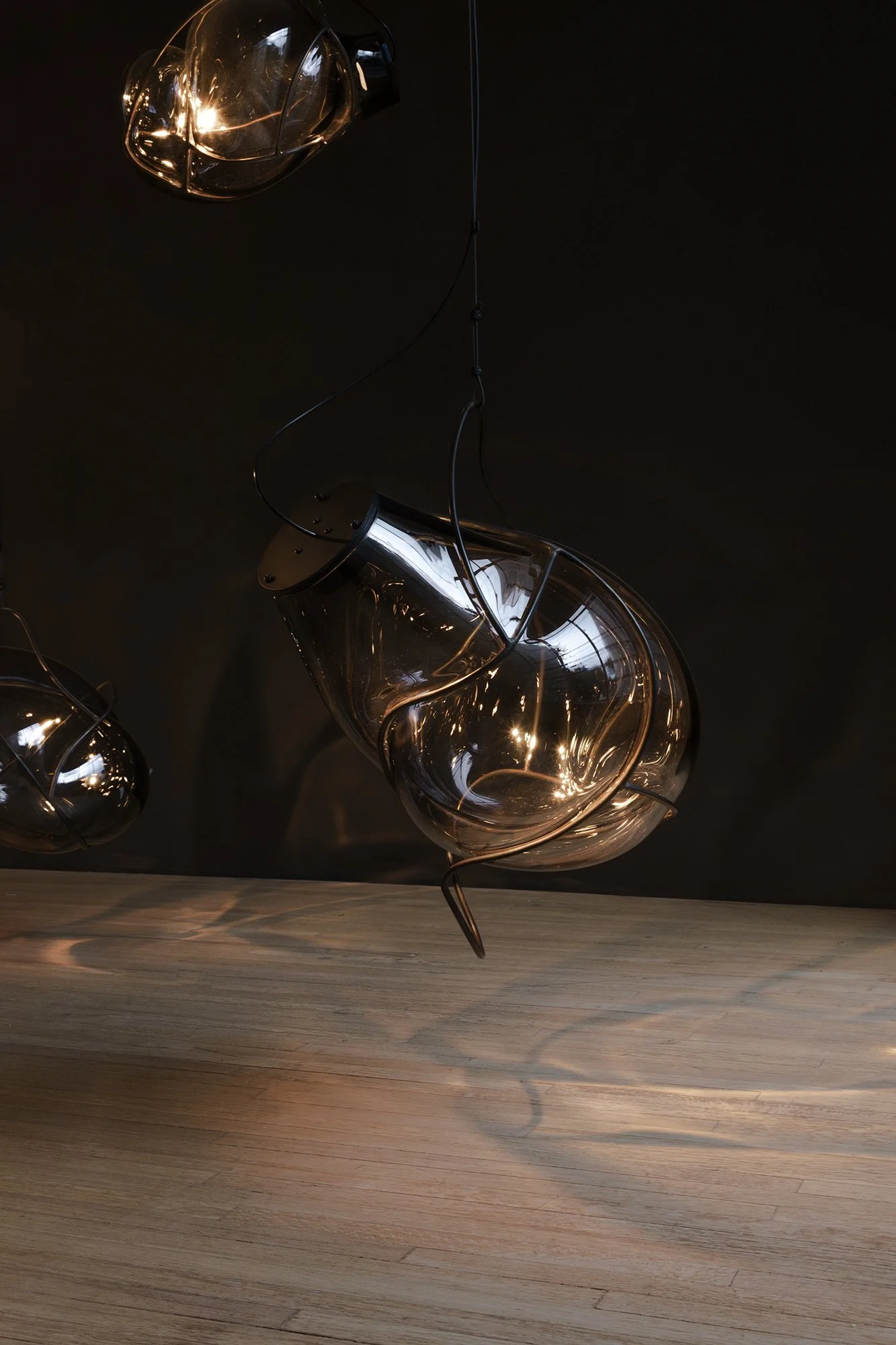
EWE Studio is a design studio based in Mexico City, founded by Héctor Esrawe, Manuel Bañó, and Age Salajõe. The studio was established with the mission to preserve and advance Mexico's rich artisan heritage while embracing new mediums and technologies. EWE Studio's current approach focuses on creating high-end, handcrafted design pieces that blend traditional craftsmanship with contemporary aesthetics. Core values include cultural preservation, innovation, and sustainability, with a purpose to redefine the relationship between design, materials, and artisanal traditions.
Location
Headquarters: Mexico City, Mexico.
Primary manufacturing/operations locations: Various locations in Mexico, working with local artisans.
The Circular Vision
Core circular economy principles: While not explicitly focused on circular economy, EWE Studio's work incorporates principles of material longevity, craftsmanship, and cultural sustainability.
Key innovations: Development of pieces that combine traditional materials like marble, bronze, and volcanic stone with contemporary design techniques.
Prioritization of local sourcing and closed-loop supply chains: Emphasis on working with local artisans and using locally sourced materials, though specific information on closed-loop practices is not provided.
Pioneering Solutions
Flagship projects: EWE Studio's portfolio includes innovative projects such as the Nebula Lighting Sculpture, Copal Coffee Table series, Magma series, and custom installations that showcase the fusion of traditional craftsmanship with modern design.
The Regenerative Future
R&D focus areas: Advancing techniques for combining traditional craftsmanship with contemporary design, exploring new applications for local materials, and developing solutions that preserve cultural heritage.
Ambitious goals: To lead the design industry in preserving artisanal techniques, create high-end pieces that celebrate Mexican craftsmanship, and inspire a shift towards more culturally conscious and sustainable design practices.
Fact Sheet
Commercial Availability: Design pieces available through galleries, exhibitions, and direct commissions.
Circularity Rating: 3/5 (Focus on durability and cultural sustainability, though explicit circular economy practices are not mentioned).
Cost Rating: High-end pricing for collectible design pieces.
Material Passport: Use of traditional materials like marble, bronze, and volcanic stone, though formal material passports are not mentioned.
Designed for Disassembly: Information not explicitly provided.
Carbon Performance: Specific carbon performance metrics are not provided.
Key Takeaway
EWE Studio transforms the design industry through innovative use of traditional materials and craftsmanship, setting a benchmark for cultural preservation and material exploration in contemporary high-end design.
Explore Further
EWE Studio website: https://ewe-studio.com/en/
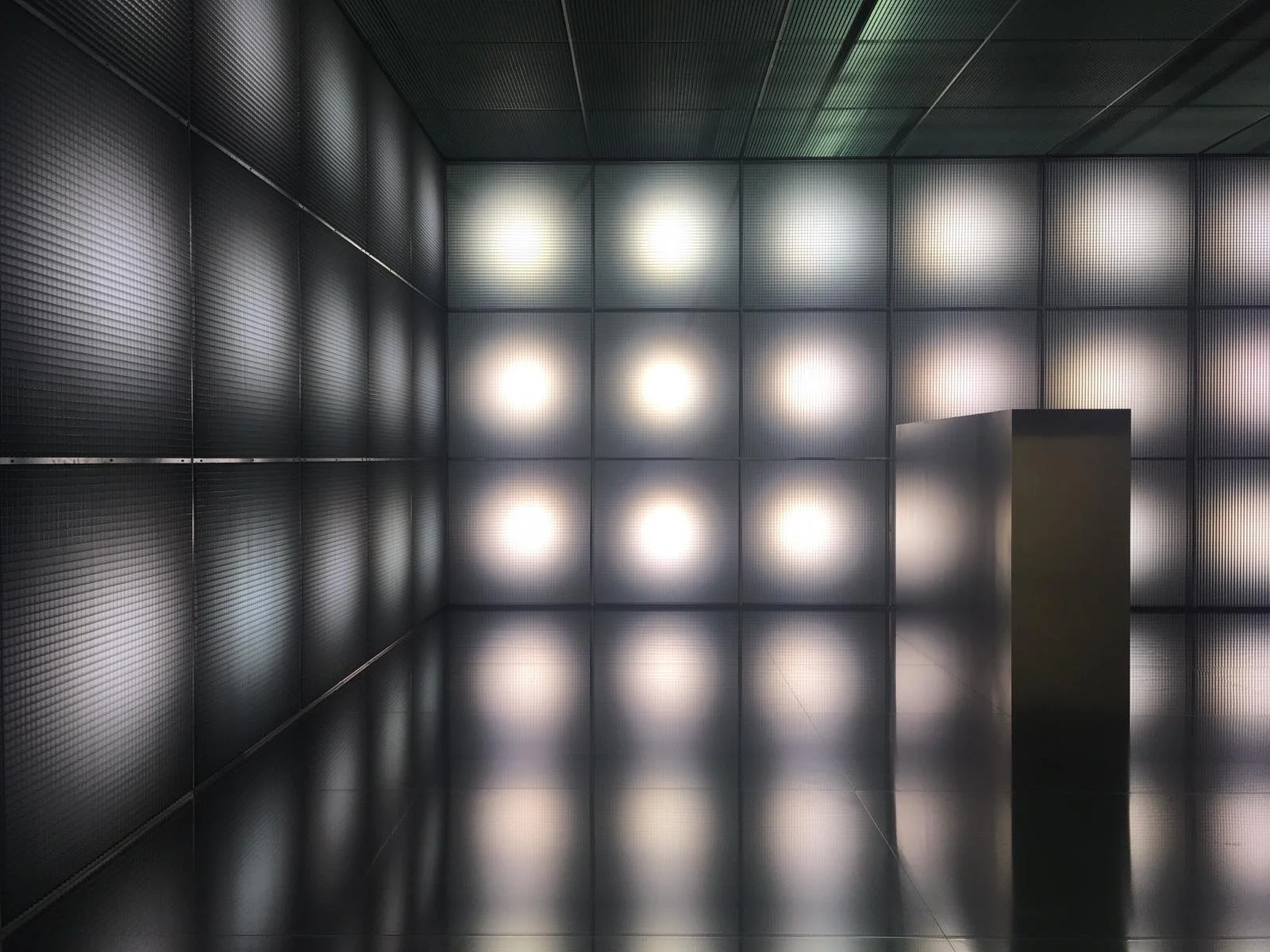
Doepel Strijkers is an architecture and design studio based in Rotterdam, Netherlands, founded by Duzan Doepel and Eline Strijkers. The studio was established with the mission to create innovative, sustainable, and immersive architectural solutions. Doepel Strijkers' current approach focuses on integrating bioclimatic and circular economy principles into their projects, aiming to design buildings and interiors that are both environmentally responsible and socially inclusive. Core values include sustainability, innovation, and social renewal, with a purpose to redefine the relationship between architecture, materials, and the environment.
Location
Headquarters: Rotterdam, Netherlands.
Primary manufacturing/operations locations: Various locations based on project requirements and collaborations.
The Circular Vision
Core circular economy principles: Designing out waste, using recycled and sustainable materials, and creating buildings that promote environmental awareness and sustainable practices.
Key innovations: Development of projects like the Circl pavilion for ABN AMRO, which employs circular economy principles by reusing materials and designing for disassembly. The studio also explores bioclimatic design to enhance energy efficiency and occupant comfort.
Prioritization of local sourcing and closed-loop supply chains: Emphasis on using locally sourced materials and sustainable production methods to minimize environmental impact and support local economies.
Pioneering Solutions
Flagship projects: Doepel Strijkers' portfolio includes innovative projects such as the Circl pavilion (a circular economy-based pavilion for ABN AMRO), the Dutch Windwheel (a sustainable landmark in Rotterdam), and the Food Forum (a circular economy-focused project in Almere). These projects showcase the potential of integrating circular economy principles into architectural design.
The Regenerative Future
R&D focus areas: Advancing sustainable architectural techniques, exploring new applications for recycled and bio-based materials, and developing solutions that further reduce waste and energy consumption in design and construction processes.
Ambitious goals: To lead the architecture industry in sustainable practices, create zero-waste buildings, and inspire a shift towards a regenerative approach to design and environmental stewardship.
Fact Sheet
Commercial Availability: Architectural design services available through collaborations, exhibitions, and partnerships with cultural institutions and businesses.
Circularity Rating: 5/5 (Strong focus on integrating circular economy principles and bioclimatic design in architecture).
Material Passport: Detailed material exploration and innovation in many projects, often focusing on recycled and bio-based materials.
Designed for Disassembly: Yes, many projects are designed with consideration for future adaptability and material reuse.
Carbon Performance: Focus on reducing carbon footprint through the use of sustainable materials and bioclimatic design. Committed to minimizing environmental impact through efficient design and construction processes.
Key Takeaway
Doepel Strijkers transforms the architecture industry through innovative, sustainable solutions that prioritize circular economy principles and bioclimatic design, setting a benchmark for environmental responsibility and material innovation in contemporary architecture.
Explore Further
Doepel Strijkers website: https://doepelstrijkers.com
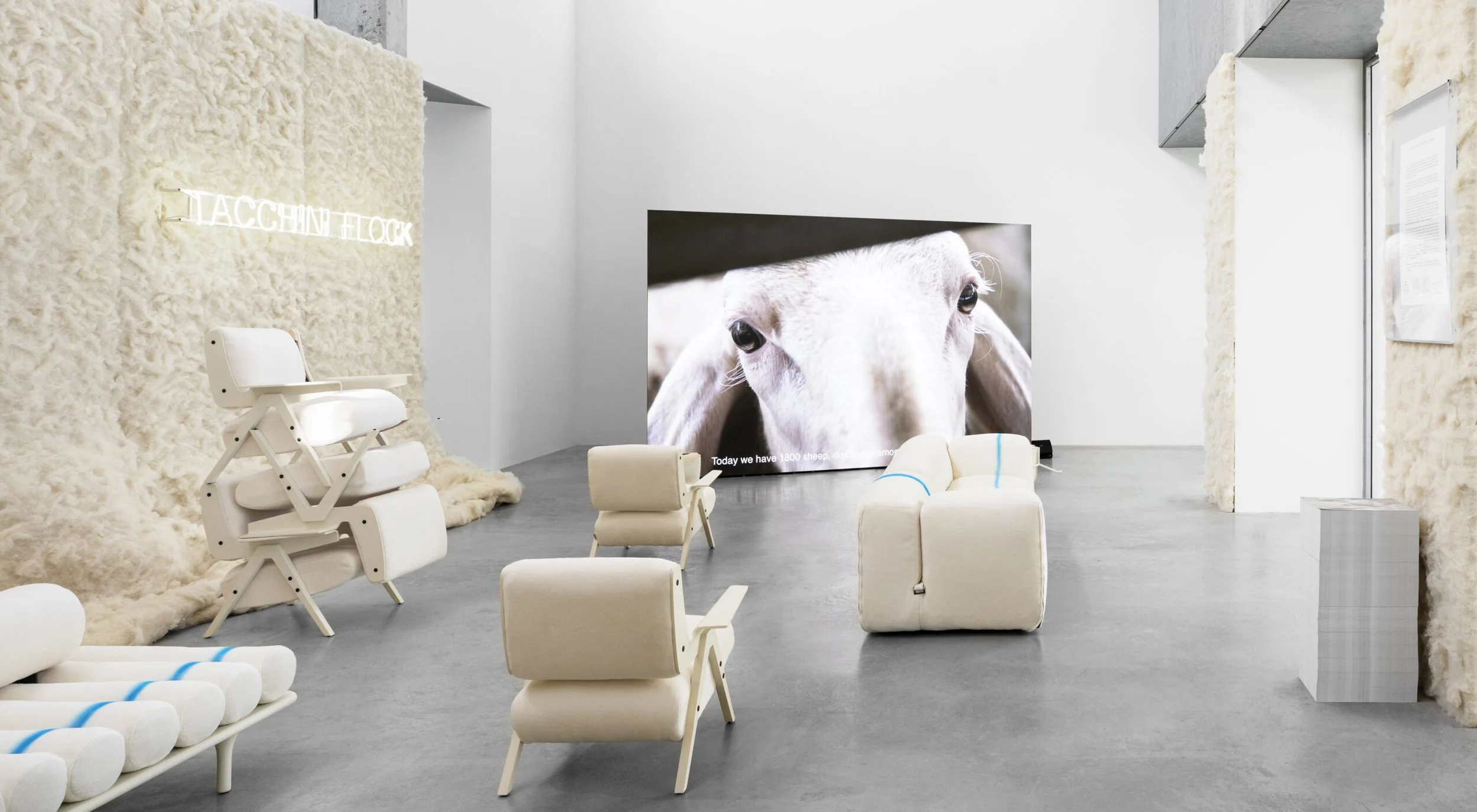
Formafantasma is a research-based design studio founded in 2009 by Italian designers Andrea Trimarchi and Simone Farresin. Originally based in the Netherlands, the studio relocated to Milan in 2021. Formafantasma investigates the ecological, historical, political and social forces shaping design today. Their founding mission was to facilitate a deeper understanding of our natural and built environments through transformative design interventions. Formafantasma's core values center around material research, sustainable production methods, and critical analysis of design's impacts on society and the environment.
Location
Headquarters: Milan, Italy.
Primary studio location: Via Privata Assab 1, Milan.
Previously based in Amsterdam and Rotterdam, Netherlands.
The Circular Vision
Formafantasma embraces circular economy principles by prioritizing renewable, recycled and locally-sourced materials in their designs.
Key innovations enabling circularity include extensive material research, designing for disassembly/reuse, and closed-loop manufacturing processes.
The studio advocates for localized supply chains and production methods attentive to their environmental footprint.
Pioneering Solutions
Flagship projects showcasing circularity: Cambio (timber industry research), Botanica (plant-based polymers), Ore Streams (e-waste recycling).
Unique value propositions: Merging critical research with commercial design, material innovation, transdisciplinary collaborations.
The Regenerative Future
R&D focus areas: Sustainable material lifecycles, design for environment/society, circular business models.
Ambitious goals: Become a leading voice promoting ethical, ecological and socially-responsible design practices.
Fact Sheet
Commercial Availability: Products through brand partners like Flos, Dzek, Artek, Fendi.
Environmental Product Declarations: Information not available.
Circularity Rating: 5/5 (Entire practice centered on circularity).
Key Certifications: Information not available.
Cost Rating: 4/5 (Higher-end positioning but increasing accessibility).
Material Passport: Extensive material research/traceability data.
Designed for Disassembly: Yes, a core tenet of their approach.
Carbon Performance: Aim for low-impact through local sourcing/production.
Key Takeaway
Formafantasma is pioneering a research-driven approach that elevates design as a catalyst for positive environmental and social change, setting new benchmarks for ethical, circular practices in the industry.
Explore Further
Formafantasma website: https://formafantasma.com
Sustainability overview: https://formafantasma.com/about
Lucas Muñoz is a Spanish designer, artist, and craft traveler based between the Netherlands and Spain. He established his studio with the mission to explore the functionality and conceptual meaning of objects, often using upcycled and locally sourced materials. Muñoz's current mission focuses on integrating circular economy principles into his design practice, promoting sustainability and innovative material use. Core values include sustainability, innovation, and craftsmanship, with a purpose to redefine the relationship between design, materials, and the environment.
Location
Headquarters: Based between the Netherlands and Spain.
Primary manufacturing/operations locations: Various locations based on project requirements and collaborations.
The Circular Vision
Core circular economy principles: Designing out waste, using recycled and locally sourced materials, and creating products that promote environmental awareness and sustainable practices.
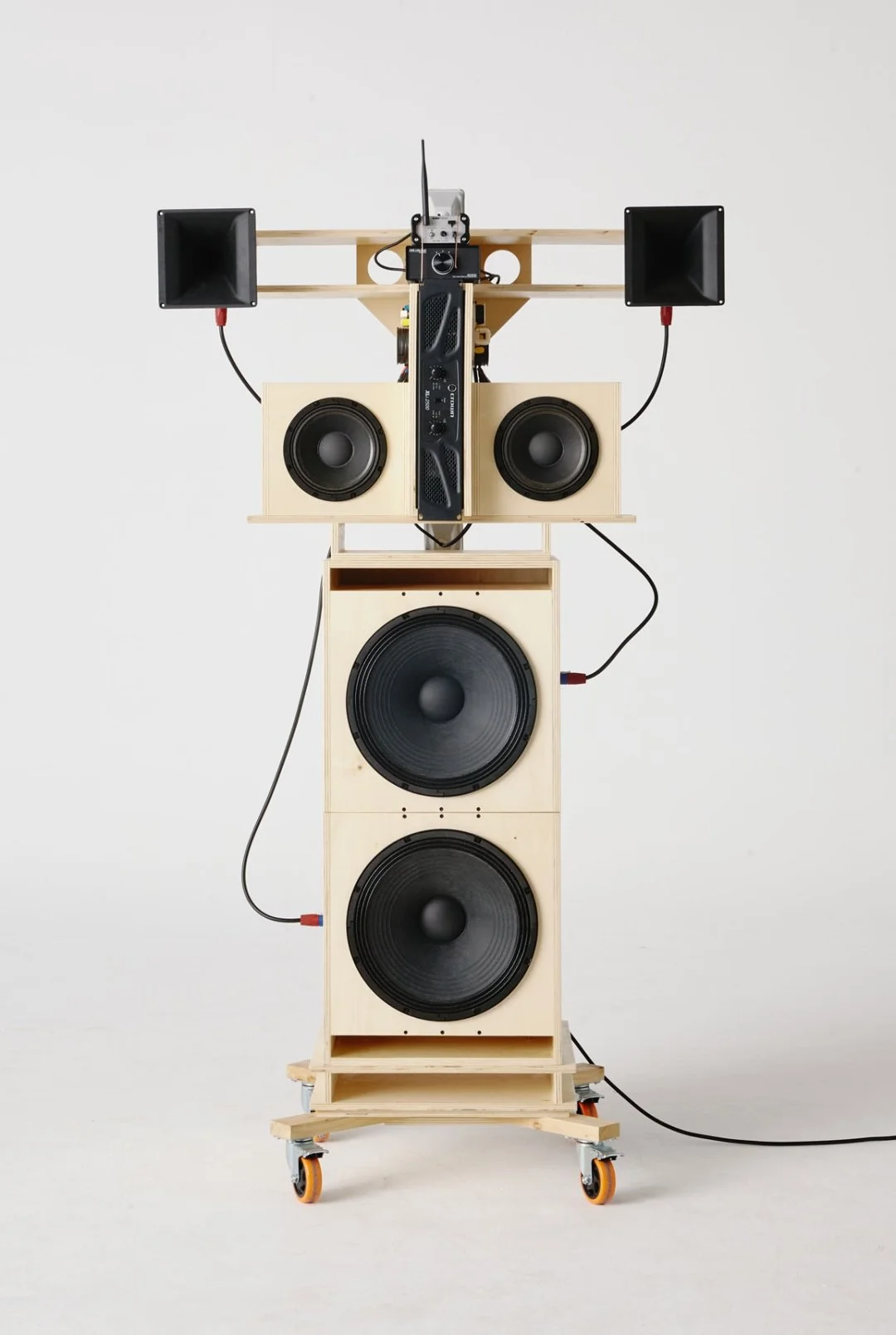
Key innovations: Development of projects like the "Sound System" built from upcycled shoe materials, "TARA Stools" made from random rocks on metallic tripods, and "OFIS" series exploring the domestic function of construction materials.
Prioritization of local sourcing and closed-loop supply chains: Strong emphasis on using locally sourced waste materials and sustainable production methods to minimize environmental impact and support local economies.
Pioneering Solutions
Flagship projects: Lucas Muñoz's portfolio includes innovative projects such as the Sound System for ON Running (built from upcycled shoe materials), TARA Stools (using random rocks on metallic tripods), OFIS series (exploring the domestic function of construction materials), and the Transitorial pavilion (constructed from 'to be stored' elements for Jerusalem Design Week).
The Regenerative Future
R&D focus areas: Advancing sustainable design techniques, exploring new applications for recycled and upcycled materials, and developing solutions that further reduce waste and energy consumption in design and production processes.
Ambitious goals: To lead the design industry in sustainable practices, create zero-waste products, and inspire a shift towards a regenerative approach to design and material usage.
Fact Sheet
Commercial Availability: Design services and products available through collaborations, exhibitions, and partnerships with brands and institutions.
Circularity Rating: 5/5 (Strong focus on integrating circular economy principles and waste reduction in design).
Material Passport: Detailed material traceability and use of recycled and locally sourced materials in projects.
Designed for Disassembly: Yes, many products are designed with consideration for future adaptability and material reuse.
Carbon Performance: Focus on reducing carbon footprint through the use of waste materials and local production. Committed to minimizing environmental impact through efficient design and manufacturing processes.
Key Takeaway
Lucas Muñoz transforms the design industry through innovative, sustainable solutions that prioritize circular economy principles, setting a benchmark for environmental responsibility and material innovation in contemporary design.
Explore Further
Lucas Muñoz website: https://www.lucasmunoz.com

Studioilse is a multidisciplinary design studio founded by Ilse Crawford in 2001. The studio was established with the mission to prioritize humanistic wellbeing qualities in design, creating spaces that support and enhance people's lives. Ilse Crawford's approach to design emphasizes sustainability, the use of environmentally responsible materials, and the creation of liveable and loveable interiors that stand the test of time. Core values include sustainability, human-centric design, and the integration of soft values in a hard world, with a purpose to redefine the relationship between design, wellbeing, and the environment.
Location
Headquarters: London, United Kingdom.
Primary manufacturing/operations locations: Various global locations for client projects and collaborations.
The Circular Vision
Core circular economy principles: Designing out waste, using sustainable and environmentally responsible materials, and creating products and spaces that improve with age and can be easily maintained and repaired.
Key innovations: Development of interiors and furniture that prioritize longevity, adaptability, and the use of local materials. Projects often incorporate elements that can evolve with the lives of their inhabitants, becoming more beautiful over time.
Prioritisation of local sourcing and closed-loop supply chains: Emphasis on working with good companies and using local materials to minimize environmental impact and support local economies.
Pioneering Solutions
Flagship projects: Residential interiors, hotels, community spaces, and airport lounges that showcase sustainable design principles. Notable projects include Ett Hem Hotel in Stockholm and the Soho House in New York.
Unique value propositions: High-quality, sustainable design solutions that prioritize human wellbeing, material longevity, and environmental responsibility. Studioilse's work is known for its ability to create spaces that are both functional and emotionally resonant, promoting a sense of wellbeing and connection to the environment.
The Regenerative Future
R&D focus areas: Advancing sustainable design practices, exploring new applications for local and environmentally responsible materials, and developing design solutions that adapt to changing needs and climates.
Ambitious goals: To lead the design industry in creating spaces that foster wellbeing, inspire a deeper connection to the environment, and promote sustainable living practices through thoughtful and responsible design.
Fact Sheet
Commercial Availability: Design services available through direct collaborations with clients and partnerships with brands and institutions.
Circularity Rating: 4/5 (Strong focus on sustainable materials and design principles, with room for further integration of circular economy practices).
Key Certifications: Information not available.
Cost Rating: 4/5 (Competitive with high-end design services, with significant value in sustainability and wellbeing).
Material Passport: Detailed information on material origins and sustainability practices used in projects.
Designed for Disassembly: Yes, products and interiors are designed for longevity and ease of maintenance and repair.
Carbon Performance: Focus on reducing carbon footprint through the use of local materials and sustainable production methods. Committed to minimizing environmental impact through responsible design practices.
Key Takeaway
Studioilse transforms the design industry through innovative, sustainable solutions that prioritize human wellbeing and environmental responsibility, setting a benchmark for creating spaces that are both functional and emotionally resonant.
Explore Further
Studioilse website: https://www.studioilse.com
About: https://www.studioilse.com/what-we-do/
Example project: Ett Hem Hotel