The Material Revolution
Rethinking Resources: How Smart Material Choices Drive Sustainable Design
In the world of sustainable design, materials play a pivotal role. The selection of sustainable, recyclable, or biodegradable materials is not just a trend—it's a crucial aspect of circular design that's reshaping industries. But what exactly are these materials, and how are they transforming our approach to product creation and consumption?
Understanding Sustainable Materials
Sustainable materials are those that can be produced and used in ways that minimise environmental impact and conserve resources for future generations. These can include recyclable materials, biodegradable substances, or innovative alternatives derived from renewable sources.
Why Material Selection Matters
Resource Conservation: Choosing sustainable materials helps preserve finite resources and reduces reliance on virgin materials.
Waste Reduction: Recyclable and biodegradable materials significantly decrease waste sent to landfills.
Energy Efficiency: Many sustainable materials require less energy to produce and process compared to traditional options.
Innovation Driver: The search for sustainable materials spurs technological advancements and new material sciences.
Lifecycle Impact: Smart material choices can reduce a product's environmental footprint throughout its entire lifecycle.
Transformative Materials Across Industries
Innovative materials are making waves in various sectors:
Construction: Using recycled plastics in building materials or exploring biodegradable alternatives to concrete.
Fashion: Developing fabrics from agricultural waste or creating synthetic materials that biodegrade safely.
Packaging: Replacing single-use plastics with compostable materials derived from plant sources.
The Future of Sustainable Materials
As we progress towards a circular economy, the role of sustainable materials will only grow in importance. Emerging technologies like bio-fabrication and nano-materials promise to revolutionise how we create and use materials.
The future may see widespread adoption of self-healing materials that extend product lifespans, or programmable matter that can change properties on demand, reducing the need for multiple products.
Call to Action
Are you a designer, manufacturer, or simply someone interested in sustainability? Start by reassessing the materials you use in your products or daily life. Explore alternatives and consider their full lifecycle impact. Join the NU Design Spaces community to connect with material experts, access resources on sustainable material selection, and share your discoveries. Together, we can drive the material revolution and build a more sustainable, circular future.
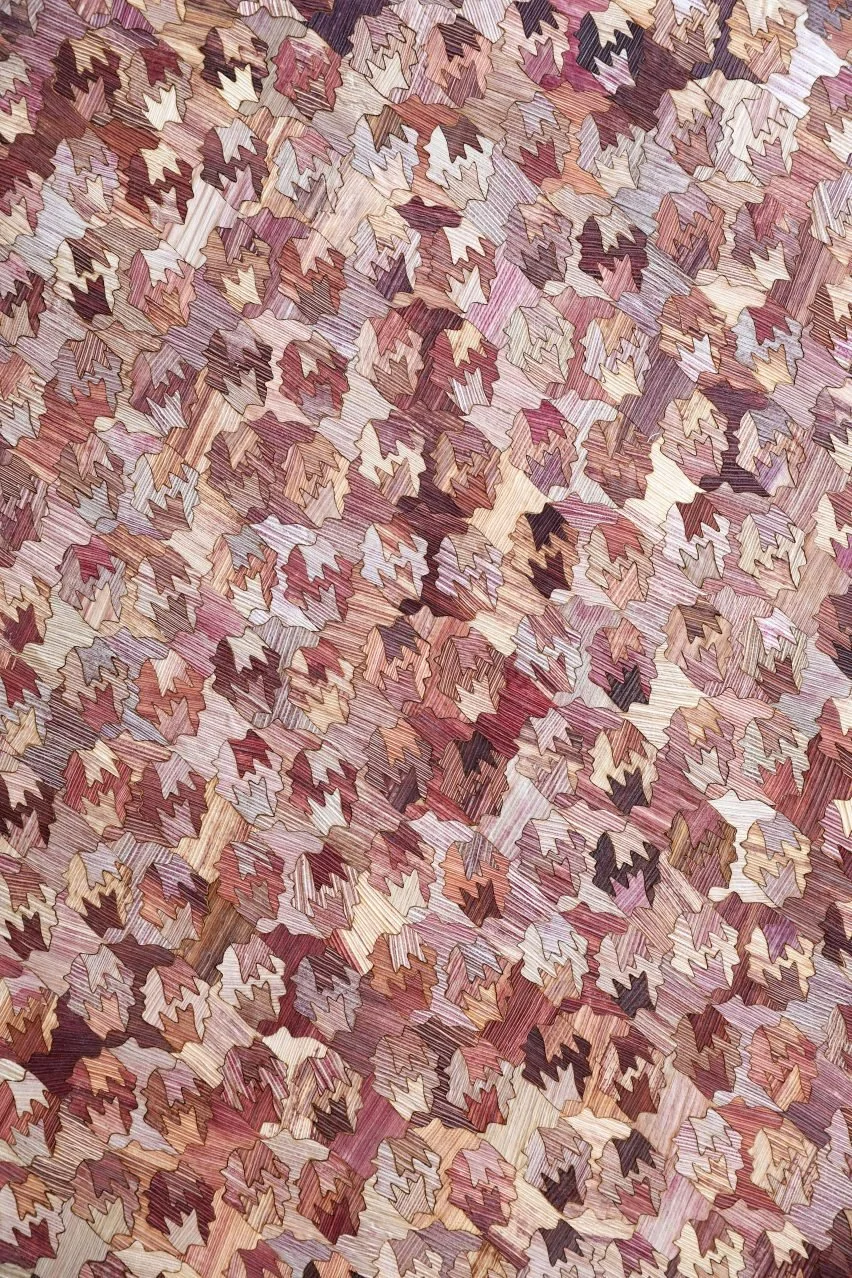
Fernando Laposse is a Mexican designer with a degree in product design from Central Saint Martins. He established his practice with the mission to transform humble natural materials into refined design pieces, focusing on overlooked plant fibers such as sisal, loofah, and corn leaves. Laposse's current approach emphasizes creating "endemic design" that highlights the historical and cultural ties of materials to specific locations and communities. Core values include sustainability, biodiversity preservation, and social responsibility, with a purpose to redefine the relationship between design, materials, and local communities.
Location
Headquarters: Mexico City, Mexico.
Primary manufacturing/operations locations: Various locations in Mexico, working with indigenous communities.
The Circular Vision
Core circular economy principles: Using overlooked natural materials, promoting biodiversity, and creating products that support local communities and sustainable practices.
Key innovations: Development of techniques to transform plant fibers like corn husks into design materials, creating new economic opportunities for indigenous farmers.
Prioritization of local sourcing and closed-loop supply chains: Strong emphasis on working with indigenous communities in Mexico to source materials locally and sustainably.
Pioneering Solutions
Flagship projects: Laposse's portfolio includes innovative projects such as Totomoxtle (a veneer material made from heirloom corn husks), Sisal Sanctum (an installation using sisal fibers), and various furniture and design pieces that showcase the potential of natural fibers.
The Regenerative Future
R&D focus areas: Advancing techniques for using lesser-known plant fibers, exploring new applications for natural materials, and developing solutions that support biodiversity and local communities.
Ambitious goals: To lead the design industry in sustainable practices, create products that preserve biodiversity and cultural heritage, and inspire a shift towards more environmentally and socially conscious design.
Fact Sheet
Commercial Availability: Design pieces and installations available through galleries, exhibitions, and collaborations with institutions.
Circularity Rating: 5/5 (Strong focus on using natural, biodegradable materials and supporting local ecosystems).
Key Certifications: Works held in permanent collections of Design Museum Gent, Musée des Arts Décoratifs, San Francisco Museum of Modern Art, and Victoria & Albert Museum.
Cost Rating: High-end pricing for collectible design pieces.
Material Passport: Detailed use of natural, locally-sourced materials in projects, with emphasis on their cultural and ecological significance.
Designed for Disassembly: Information not explicitly provided, but use of natural materials suggests potential for biodegradability.
Carbon Performance: Focus on using local, natural materials, but specific carbon performance metrics are not provided.
Key Takeaway
Fernando Laposse transforms the design industry through innovative use of overlooked natural materials, setting a benchmark for biodiversity preservation, cultural heritage conservation, and social responsibility in contemporary design.
Explore Further
Fernando Laposse website: https://www.fernandolaposse.com
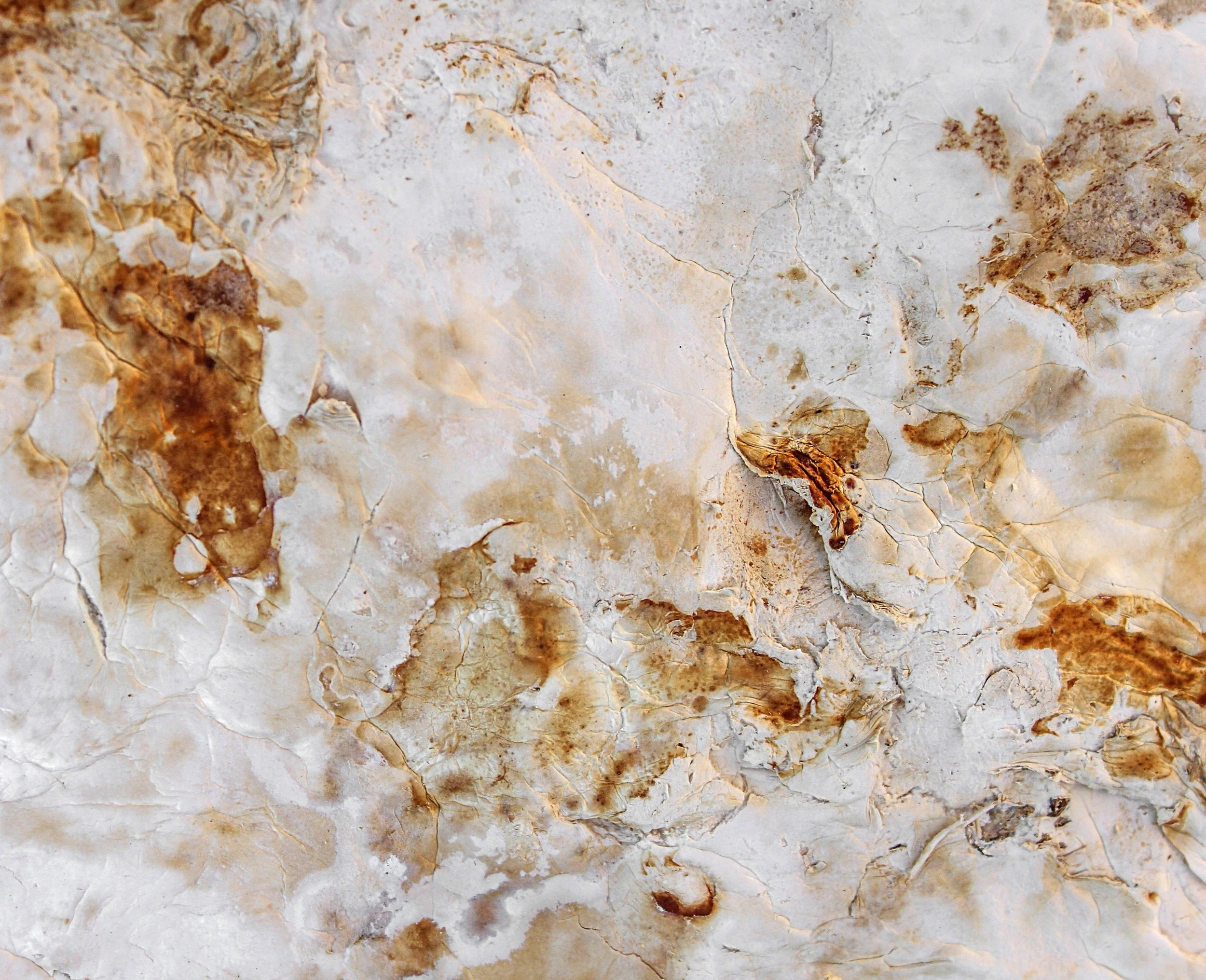
Biohm is a pioneering research and development company founded by Dr. Ehab Sayed. The company's mission is to revolutionize the construction industry by allowing nature to lead innovation, creating regenerative, high-performance materials and products for the built environment. Biohm's core values revolve around biomimicry, circular economy principles, and human-centered design. The company aims to drive a paradigm shift in building technologies, materials, and manufacturing methods, leading the entire sector towards a circular future inspired by nature.
Location
Headquarters: London, United Kingdom.
Primary manufacturing/operations locations: Watchet, West Somerset (first manufacturing facility in collaboration with Onion Collective CIC).
Note: Strategic locations to optimize local sourcing, distribution, and collaboration with industry partners.
The Circular Vision
Core circular economy principles: Designing out waste, using bio-based and recycled materials, closed-loop manufacturing processes.
Key innovations: Mycelium insulation, Orb (Organic Refuse Biocompound), Triagomy (interlocking construction system), bio-manufacturing techniques.
Prioritization of local sourcing and closed-loop supply chains is a key focus.
Pioneering Solutions
Flagship products: Mycelium insulation, Orb (plant-based alternative to concrete), Triagomy construction system.
Unique value propositions: Carbon-negative buildings, agile infrastructure, drastic reductions in environmental impact, build times, and costs.
The Regenerative Future
R&D focus areas: Advancing biomimetic biotechnologies, sustainable material lifecycles, circular business models.
Ambitious goals: Revolutionizing the construction industry, creating a healthier and regenerative built environment.
Fact Sheet
Commercial Availability: Products and services available through partnerships and collaborations.
Environmental Product Declaration (EPD): Information not available.
Circularity Rating: 5/5 (Designed for full circularity).
Key Certifications: Information not available.
Cost Rating: Information not available.
Material Passport: Extensive use of bio-based and recycled materials, detailed material traceability.
Designed for Disassembly: Yes, Triagomy system designed for deconstruction and reuse.
Carbon Performance: Focus on carbon-negative buildings and reducing environmental impact.
Key Takeaway
Biohm is a pioneering force in sustainable construction, harnessing biomimetic principles and circular economy strategies to create regenerative building solutions that prioritize human, environmental, and economic needs, setting a new benchmark for the industry.
Explore Further
Biohm website: https://www.biohm.co.uk
Sustainability overview: https://www.biohm.co.uk/about

Made of Air is a climate-focused materials company founded in 2016 by Allison Dring and Daniel Schwaag. The company's founding mission was to transform waste biomass into high-value, carbon-negative materials for industrial use, providing a sustainable alternative to fossil-based materials. Made of Air's current mission is to drive the transition to a net-zero economy by decarbonizing supply chains across various industries, including mobility, consumer goods, and the built environment. The core values of Made of Air revolve around innovation, sustainability, and responsibility, with a purpose to reverse climate change through carbon removal and circular material solutions.
Location
Headquarters: Berlin, Germany.
Primary manufacturing/operations locations: Berlin region, with plans for expansion.
Note: Strategic location in Berlin to foster innovation and collaboration with industry partners.
The Circular Vision
Core circular economy principles: Designing out waste, using waste biomass, and creating fully recyclable materials.
Key innovations: Development of carbon-negative materials from biochar and bioplastics, promoting circular design.
Prioritization of local sourcing and closed-loop supply chains: Emphasis on local materials and production to reduce environmental impact.
Pioneering Solutions
Flagship products: Carbon-negative materials used in various applications, including facade panels for Audi and sunglasses for H&M.
Unique value propositions: High-performance, sustainable materials that remove carbon from the atmosphere and support a circular economy.
The Regenerative Future
R&D focus areas: Advancing recycling technologies, developing new sustainable materials, and optimizing circular design processes.
Ambitious goals: To lead the industry in sustainable practices, create zero-waste products, and inspire a shift towards more responsible consumption.
Fact Sheet
Commercial Availability: Materials available for use by various industries through partnerships and collaborations.
Environmental Product Declaration (EPD): Information not available.
Circularity Rating: 5/5 (Designed for full circularity).
Key Certifications: Information not available.
Cost Rating: Information not available.
Material Passport: Detailed material traceability and use of waste biomass and sustainable materials.
Designed for Disassembly: Yes, products are designed for easy disassembly and recycling.
Carbon Performance: Focus on carbon-negative materials, removing CO2 from the atmosphere.
Key Takeaway
Made of Air is a pioneering company that transforms waste biomass into high-performance, carbon-negative materials, driving significant advancements in circularity and sustainability across various industries.
Explore Further
Made of Air website: https://www.madeofair.com
Putting carbon to work: https://www.madeofair.com/our-process

Polycare was founded in 2010 by Dr. Gerhard Dust and Gunther Plötner in response to the devastating earthquake in Haiti. The company was established with the mission to build affordable, durable, and comfortable houses using locally available secondary raw materials without the need for expensive equipment. Today, Polycare's mission focuses on revolutionizing the construction industry through sustainable and circular building solutions. Core values include innovation, sustainability, and responsibility, with a purpose to create a regenerative future through advanced material science and production technology.
Location
Headquarters: Thuringian Forest, Germany.
Primary manufacturing/operations locations: Various locations across Germany.
Note: Strategic location in the Thuringian Forest to optimize local sourcing, distribution, and collaboration with industry partners.
The Circular Vision
Core circular economy principles: Designing out waste, using recycled and bio-based materials, and creating products that are fully recyclable.
Key innovations: Development of Polyblocks made from secondary raw materials, elimination of cement as a binder for geopolymer concrete, and integration of industrial by-products such as fly ash and slags.
Prioritization of local sourcing and closed-loop supply chains: Emphasis on using local materials and production to minimize environmental impact and support local economies.
Pioneering Solutions
Flagship products: Polyblocks for modular construction, SEMBLA® reusable masonry system.
Unique value propositions: High-quality, sustainable building solutions that prioritize circularity, material reuse, and environmental responsibility. Polycare's products are known for their durability, ease of assembly, and innovative use of secondary raw materials.
The Regenerative Future
R&D focus areas: Advancing sustainable materials, optimizing recycling processes, and developing new circular design principles.
Ambitious goals: To lead the construction industry in sustainable practices, create zero-waste products, and inspire a shift towards a regenerative built environment.
Fact Sheet
Commercial Availability: Products available globally through direct sales and partnerships with distributors.
Environmental Product Declaration (EPD): Information not available.
Circularity Rating: 5/5 (Designed for full circularity).
Key Certifications: Information not available.
Cost Rating: 4/5 (Competitive with conventional alternatives, with significant cost savings in sustainable materials).
Material Passport: Detailed material traceability and use of recycled and bio-based materials.
Designed for Disassembly: Yes, products are designed for easy disassembly and recycling.
Carbon Performance: Focus on reducing carbon footprint through sustainable materials and local production.
Key Takeaway
Polycare transforms the construction industry through innovative, sustainable building solutions, setting a benchmark for circularity and environmental responsibility.
Explore Further
Polycare website: https://polycare.de/en
Polycare purpose: https://polycare.de/en/polycare/our-purpose
Example product: SEMBLA®

Biomason is a pioneering company founded in 2012 by Ginger Krieg Dosier and Michael Dosier. The company was established with the mission to revolutionize the construction industry by developing a sustainable and eco-friendly alternative to traditional cement. Biomason's founding inspiration was to create a planet-friendly construction material by mimicking nature's process of building durable structures like coral reefs and seashells. The current mission focuses on leading the global transition to sustainable construction through the production of Biocement®, a revolutionary cement grown using microorganisms. Core values include sustainability, innovation, and responsibility, with a purpose to eliminate the world's dependence on carbon-emitting construction materials.
Location
Headquarters: Research Triangle Park, North Carolina, USA.
Primary manufacturing/operations locations: Ikast, Denmark (Biobeton factory in partnership with IBF).
Note: Strategic locations to foster innovation, collaboration with partners, and establish global manufacturing capabilities.
The Circular Vision
Core circular economy principles: Designing out waste, using renewable and sustainable materials, and creating products that are fully recyclable.
Key innovations: Development of Biocement®, a cement-like material grown using microorganisms that combine natural materials into a binder, eliminating the need for high-temperature kilns and reducing carbon emissions by over 90% compared to traditional cement production.
Prioritization of local sourcing and closed-loop supply chains: Emphasis on using locally sourced materials and sustainable production methods to minimize environmental impact and support local economies.
Pioneering Solutions
Flagship products: Biocement®-based products, including bioLITH tiles, pavers, and precast concrete elements.
Unique value propositions: High-quality, sustainable construction materials that prioritize circularity, material reuse, and environmental responsibility. Biomason's products are known for their durability, strength, and significantly lower carbon footprint compared to traditional cement-based products.
The Regenerative Future
R&D focus areas: Advancing biotechnology for cement production, developing new applications for Biocement®, and optimizing sustainable manufacturing processes.
Ambitious goals: To lead the global construction industry in sustainable practices, eliminate the world's dependence on carbon-emitting construction materials, and inspire a shift towards a regenerative built environment.
Fact Sheet
Commercial Availability: Products available globally through direct sales and partnerships with distributors and manufacturers.
Environmental Product Declaration (EPD): Information not available.
Circularity Rating: 5/5 (Designed for full circularity).
Key Certifications: Biocement® products meet relevant construction standards and certifications.
Cost Rating: 4/5 (Competitive with conventional alternatives, with significant cost savings in sustainable materials).
Material Passport: Detailed material traceability and use of renewable and sustainable materials.
Designed for Disassembly: Yes, products are designed for easy disassembly and recycling.
Carbon Performance: Focus on reducing carbon footprint through sustainable materials and local production. Biocement® has over 90% lower carbon emissions compared to traditional cement production.
Key Takeaway
Biomason is a pioneering company that transforms the construction industry through Biocement®, a revolutionary cement grown using microorganisms, setting a benchmark for circularity and environmental responsibility in the built environment.
Explore Further
Biomason website: https://www.biomason.com
Sustainability overview: https://biomason.com/sustainability
Example product: Biocement® - https://www.biomason.com/biocement

Bioforcetech Corporation is a company specialising in biomass management systems, founded with the mission to transform organic waste into valuable products while promoting sustainability and the circular economy. The company focuses on providing innovative, automated systems that convert biosolids and organic waste into renewable energy and biochar. Core values include sustainability, innovation, and responsibility, with a purpose to protect nature and human health by delivering zero waste solutions.
Location
Headquarters: South San Francisco, California, USA.
Primary manufacturing/operations locations: South San Francisco, California, USA, and Mezzago, Italy.
Note: Strategic locations in the USA and Italy to optimize local sourcing, distribution, and collaboration with industry partners.
The Circular Vision
Core circular economy principles: Designing out waste, using recycled materials, and creating products that are fully recyclable and biodegradable.
Key innovations: Development of the BioDryer and Pyrolysis systems that transform biosolids and organic waste into renewable energy and biochar. The BioDryer dries biosolids to produce a nutrient-rich Class A organic material, while the Pyrolysis process converts dried biosolids into biochar, a carbon-rich material with multiple uses.
Prioritization of local sourcing and closed-loop supply chains: Emphasis on using locally sourced organic waste and sustainable production methods to minimize environmental impact and support local economies.
Pioneering Solutions
Flagship products: BioDryer, Pyrolysis system, and OurCarbon® Biochar.
Unique value propositions: High-quality, sustainable biomass management solutions that prioritize circularity, material reuse, and environmental responsibility. Bioforcetech's products are known for their ability to significantly reduce waste volume, generate renewable energy, and produce valuable by-products like biochar.
The Regenerative Future
R&D focus areas: Advancing biomass management technologies, optimizing production processes, and developing new applications for biochar and renewable energy.
Ambitious goals: To lead the waste management industry in sustainable practices, create zero-waste products, and inspire a shift towards a regenerative approach to organic waste management.
Fact Sheet
Commercial Availability: Products and services available globally through direct sales and partnerships with municipalities and waste management companies.
Circularity Rating: 5/5 (Strong focus on circular economy principles).
Cost Rating: 4/5 (Competitive with conventional waste management solutions, with significant cost savings in sustainable materials).
Material Passport: Detailed material traceability and use of recycled organic waste.
Designed for Disassembly: Yes, systems are designed for easy disassembly and recycling.
Carbon Performance: Focus on reducing carbon footprint through sustainable materials and local production. The Bioforcetech process significantly reduces methane emissions by diverting organic waste from landfills.
Key Takeaway
Bioforcetech transforms the waste management industry through innovative, sustainable biomass management solutions, setting a benchmark for circularity and environmental responsibility.
Explore Further
Bioforcetech website: https://www.bioforcetech.com
Process overview: https://www.bioforcetech.com/process.html
Example product: OurCarbon® Biochar