
P R O L E A R N


WEARABLE CREATIONS
Wearable Creations refer to smart electronic devices that can be incorporated into clothing or worn on the body as implants or accessories. These devices, equipped with microcontrollers, blend technology with fashion to create functional and stylish products.
Key Characteristics
Integration: Seamlessly combines technology with clothing or accessories.
Functionality: Provides practical features beyond traditional clothing or jewellery.
Connectivity: Often connects to smartphones or other devices for data exchange.
Benefits
Enhanced User Experience: Wearables can improve daily life by providing easy access to information and functionality.
Health Monitoring: Many wearables track health metrics, potentially improving users' well-being.
Fashion Innovation: Wearable tech opens new avenues for creative expression in fashion.
Challenges and Considerations
Battery Life: Balancing functionality with the need for frequent charging.
Durability: Ensuring devices can withstand daily wear and environmental factors.
Privacy Concerns: Addressing data security issues associated with wearable devices.
Innovative Applications
Smart Fabrics: Textiles with integrated sensors for health monitoring or environmental adaptation.
AR Glasses: Eyewear that overlays digital information on the real world.
Haptic Feedback Clothing: Garments that provide tactile sensations for immersive experiences or navigation.
Future Outlook
As technology advances, we can expect more seamless integration of electronics into clothing and accessories. The development of flexible electronics and improved power sources may lead to more comfortable and longer-lasting wearable creations. There's also potential for increased personalization and adaptive functionality in future wearables.
Call to Action:
Consider how wearable creations could enhance your industry or personal life. Explore partnerships with tech companies or fashion designers to develop innovative wearable solutions that address specific needs or market gaps.

RÆBURN is a British fashion label founded by Christopher Raeburn in 2009. The brand is renowned for its responsible and intelligent fashion design, focusing on reworking surplus fabrics and garments to create distinctive and functional pieces. The founding mission was to pioneer sustainable fashion through the RÆMADE ethos, which involves transforming decommissioned military stock and other surplus materials into unique, ethical garments. RÆBURN's current mission is to drive positive change in the fashion industry by promoting sustainability, innovation, and responsibility. The core values of the company include creativity, sustainability, and integrity, with a purpose to inspire and educate through responsible design.
Location
Headquarters: London, United Kingdom.
Primary manufacturing/operations locations: RÆBURN Lab, East London.
Note: Strategic locations for local sourcing and distribution, including collaborations with global brands.
The Circular Vision
Core circular economy principles: RÆMADE, RÆDUCED, and RÆCYCLED.
Key innovations: Reworking surplus materials, minimizing carbon footprint with local manufacturing, and using sustainable materials.
Prioritization of local sourcing and closed-loop supply chains: Emphasis on local production to reduce environmental impact and support local economies.
Pioneering Solutions
Flagship products: RÆMADE outerwear, accessories, and collaborations with brands like Timberland and The North Face.
Unique value propositions: High-quality, sustainable fashion made from surplus materials, innovative design processes, and a strong focus on circularity.
The Regenerative Future
R&D focus areas: Advancing sustainable materials, developing new recycling technologies, and optimizing circular design processes.
Ambitious goals: To lead the fashion industry in sustainable practices, create zero-waste products, and inspire a shift towards more responsible consumption.
Fact Sheet
Commercial Availability: Products available globally through the RÆBURN website, flagship store, and select retailers.
Circularity Rating: 5/5 (Strong focus on circular economy principles).
Key Certifications: Information not available.
Cost Rating: 4/5 (Premium pricing with a focus on long-term value and sustainability).
Material Passport: Detailed material traceability and use of recycled and sustainable materials.
Designed for Disassembly: Yes, products are designed for easy disassembly and recycling.
Carbon Performance: Focus on reducing carbon footprint through sustainable materials and local production.
Key Takeaway
RÆBURN is a pioneering fashion brand that transforms surplus materials into high-quality, sustainable garments, setting a benchmark for circularity and responsible design in the fashion industry.
Explore Further
RÆBURN website: https://www.raeburndesign.co.uk
Sustainability overview: https://www.raeburndesign.co.uk/pages/about
Example product: RÆMADE outerwear - https://www.raeburndesign.co.uk/collections/all

Phoebe English is a London-based sustainable fashion studio founded in 2011. The studio was established with the mission to create high-quality, sustainable clothing that addresses the environmental impact of the fashion industry. Phoebe English's current mission focuses on integrating circular economy principles into their collections, using pre- and post-consumer textile waste to create new garments. Core values include sustainability, innovation, and craftsmanship, with a purpose to redefine the relationship between fashion, materials, and the environment.
Location
Headquarters: London, United Kingdom.
Primary manufacturing/operations locations: London, with a focus on local production and sourcing.
The Circular Vision
Core circular economy principles: Designing out waste, using recycled and sustainable materials, and creating garments that promote environmental awareness and sustainable practices.
Key innovations: Development of collections using pre- and post-consumer textile waste, zero-waste pattern cutting, and the use of natural plant dyes. The studio also explores regenerative agricultural practices to source dye plants.
Prioritization of local sourcing and closed-loop supply chains: Emphasis on sourcing textile waste locally and completing manufacturing in England to minimize environmental impact and support local economies.
Pioneering Solutions
Flagship projects: "The New Age of Trichology" (transforming textile waste into new garments), collaborations with brands like Toast for upcycled capsule collections, and the use of natural plant dyes sourced from regenerative agriculture.
Unique value propositions: High-quality, innovative fashion solutions that prioritize circularity, material reuse, and environmental responsibility. Phoebe English's work is known for its ability to transform waste materials into desirable, sustainable garments.
The Regenerative Future
R&D focus areas: Advancing sustainable fashion techniques, exploring new applications for recycled and upcycled materials, and developing solutions that further reduce waste and energy consumption in fashion production processes.
Ambitious goals: To lead the fashion industry in sustainable practices, create zero-waste collections, and inspire a shift towards a regenerative approach to fashion design and consumption.
Fact Sheet
Commercial Availability: Fashion collections available through direct sales, collaborations, exhibitions, and select retailers.
Circularity Rating: 5/5 (Strong focus on integrating circular economy principles in fashion design and production).
Cost Rating: 4/5 (Competitive with high-end fashion brands, with significant value in sustainability and innovation).
Material Passport: Detailed material traceability and use of recycled and sustainable materials in collections.
Designed for Disassembly: Yes, garments are designed with consideration for future adaptability and material reuse.
Carbon Performance: Focus on reducing carbon footprint through the use of sustainable materials and local production. Committed to minimizing environmental impact through efficient design and manufacturing processes.
Key Takeaway
Phoebe English transforms the fashion industry through innovative, sustainable solutions that prioritize circular economy principles, setting a benchmark for environmental responsibility and material innovation in contemporary fashion.
Explore Further
Phoebe English website: https://www.phoebeenglish.com
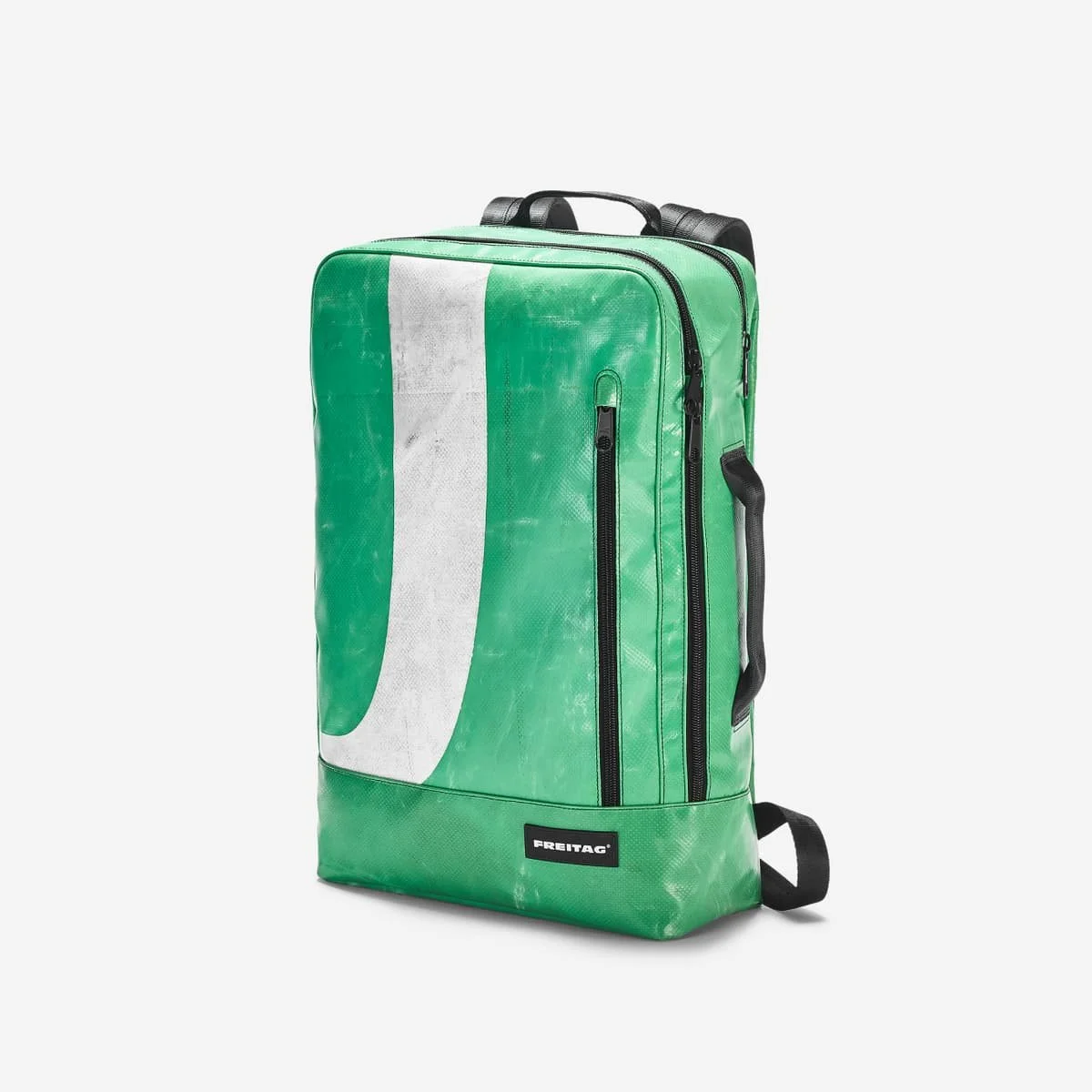
Freitag is a pioneering Swiss brand founded in 1993 by brothers Markus and Daniel Freitag. Their founding mission was to create functional, robust bags using recycled materials like discarded truck tarps, bicycle inner tubes, and car seat belts. Freitag's current mission focuses on promoting sustainability and the circular economy through innovative upcycling. The company's core values revolve around creativity, environmental responsibility, and challenging conventional manufacturing norms. Freitag aims to inspire conscious consumption by transforming waste into durable, one-of-a-kind products.
Location
Headquarters: Zurich, Switzerland.
Primary manufacturing/operations locations: Zurich area and nearby regions.
Note: Strategic local sourcing and production to minimize environmental impact.
The Circular Vision
Core circular economy principles: Upcycling waste materials, closed-loop production, extended product lifespans.
Key innovations: Unique tarp bag designs, material traceability, repair services.
Prioritization of local sourcing and closed-loop supply chains is a key focus.
Pioneering Solutions
Flagship products: F13 CLASSIC messenger bags, backpacks, accessories made from upcycled truck tarps.
Unique value propositions: One-of-a-kind designs, durable upcycled materials, sustainability focus.
The Regenerative Future
R&D focus areas: Developing fully circular materials, closed-loop manufacturing, product longevity solutions.
Ambitious goals: Achieving 100% circularity, becoming an industry leader in sustainable design.
Fact Sheet
Commercial Availability: Products available globally through Freitag stores, website, select retailers.
Circularity Rating: 5/5 (Designed for full circularity).
Key Certifications: No major third-party certifications disclosed.
Cost Rating: 4/5 (Premium pricing positioning).
Material Passport: Extensive material traceability data for upcycled materials.
Designed for Disassembly: Yes, modular designs allow for disassembly and recycling.
Carbon Performance: Aims to minimize emissions through local production, upcycling.
Key Takeaway
Freitag is a true pioneer in sustainable design, transforming waste into durable, artistic products through its innovative upcycling process. By prioritizing circularity and local sourcing, Freitag offers a compelling vision for environmentally-conscious creators and clients.
Explore Further
Freitag website: https://www.freitag.ch/en
Circularity Roadmap: https://www.freitag.ch/en/circularity-roadmap
Example product: F13 CLASSIC messenger bag - https://www.freitag.ch/en/f13

Bethany Williams is a London-based fashion designer who established her eponymous brand in 2017. The brand was founded with the mission to create positive social and environmental change through fashion. Williams' current approach focuses on integrating circular economy principles into her design processes, creating garments that are both sustainable and socially responsible. Core values include sustainability, social activism, and community collaboration, with a purpose to redefine the relationship between fashion, society, and the environment.
Location
Headquarters: London, United Kingdom.
Note: Strategic location in London to leverage local expertise in fashion and sustainability while fostering international collaborations.
The Circular Vision
Core circular economy principles: Designing out waste, using recycled and organic materials, and creating garments that promote environmental awareness and sustainable practices.
Key innovations: Development of techniques to transform waste materials like book waste and newspaper into fabrics, collaborating with social enterprises for production.
Prioritization of local sourcing and closed-loop supply chains: Strong emphasis on working with local communities, charities, and social enterprises to source materials and produce garments.
Pioneering Solutions
Flagship projects: Williams' portfolio includes innovative projects such as "No Address Needed to Join" (using waste materials from the publishing industry), collaborations with The Quaker Mobile Library and San Patrignano rehabilitation center, and the Emergency Designer Network (producing PPE during the pandemic).
The Regenerative Future
R&D focus areas: Advancing sustainable fashion techniques, exploring new applications for waste materials, and developing solutions that further reduce waste and energy consumption in fashion production processes.
Ambitious goals: To lead the fashion industry in sustainable and socially responsible practices, create zero-waste garments, and inspire a shift towards a regenerative approach to fashion design and consumption.
Fact Sheet
Commercial Availability: Fashion collections available through select retailers and direct sales.
Circularity Rating: 5/5 (Strong focus on integrating circular economy principles and waste reduction in fashion design).
Key Certifications: Winner of the Queen Elizabeth II Award for British Design (2021), LVMH Prize finalist (2019).
Cost Rating: High-end pricing for innovative and sustainable fashion pieces.
Material Passport: Detailed use of recycled and organic materials in collections, with emphasis on their environmental and social significance.
Designed for Disassembly: Information not explicitly provided, but emphasis on sustainable practices suggests consideration for material lifecycle.
Carbon Performance: Focus on reducing carbon footprint through the use of recycled materials and local production. Specific carbon metrics not provided.
Key Takeaway
Bethany Williams transforms the fashion industry through innovative, sustainable solutions that prioritize circular economy principles and social responsibility, setting a benchmark for environmental and social impact in contemporary fashion design.
Explore Further
Bethany Williams website: https://bethany-williams.com
Stella McCartney is a luxury fashion brand founded by British designer Stella McCartney in 2001. The company was established with the mission to create sustainable, ethical, and luxurious fashion without compromising on style or quality. Stella McCartney's current mission focuses on pushing boundaries in sustainable fashion, integrating circular economy principles, and promoting environmental awareness in the industry. Core values include innovation, sustainability, and animal welfare, with a purpose to redefine the relationship between luxury fashion and environmental responsibility.
Location
Headquarters: London, United Kingdom.
Primary manufacturing/operations locations: Various global locations for production and retail.
The Circular Vision
Core circular economy principles: Designing out waste, using recycled and sustainable materials, and creating products that promote environmental awareness and sustainable practices.
Key innovations: Development of materials like regenerated nylon ECONYL, recycled polyester, and sustainable viscose. Partnerships with innovative companies like Bolt Threads for Mylo mycelium leather.
Prioritization of local sourcing and closed-loop supply chains: Emphasis on using recycled materials and sustainable production methods to minimize environmental impact and support circular economy initiatives.
Pioneering Solutions
Flagship projects: Collaboration with The RealReal to promote resale of luxury goods, Clevercare initiative for garment care, and the development of the Infinite Hoodie made from regenerated textiles.
Unique value propositions: High-quality, innovative luxury fashion solutions that prioritize circularity, material reuse, and environmental responsibility. Stella McCartney's work is known for its ability to create desirable, sustainable alternatives in the luxury fashion sector.
The Regenerative Future
R&D focus areas: Advancing sustainable material development, exploring new applications for recycled and bio-based materials, and developing solutions that further reduce waste and energy consumption in fashion production processes.
Ambitious goals: To lead the luxury fashion industry in sustainable practices, create zero-waste products, and inspire a shift towards a regenerative approach to fashion design and consumption.
Fact Sheet
Commercial Availability: Products available through branded stores, online platforms, and select luxury retailers globally.
Environmental Product Declaration (EPD): Information not available, but the brand provides transparency on material sourcing and environmental impact.
Circularity Rating: 5/5 (Strong focus on circular economy principles and waste reduction).
Key Certifications: Cradle to Cradle Gold-Level certified wool knitwear yarn.
Cost Rating: 5/5 (High-end luxury pricing, with significant value in sustainability and innovation).
Material Passport: Detailed material traceability and use of recycled and sustainable materials across collections.
Designed for Disassembly: Information not explicitly provided, but emphasis on circularity suggests consideration for product lifecycle.
Carbon Performance: Focus on reducing carbon footprint through the use of sustainable materials and production methods. Committed to minimizing environmental impact through efficient design and manufacturing processes.
Key Takeaway
Stella McCartney transforms the luxury fashion industry through innovative, sustainable solutions that prioritize circular economy principles, setting a benchmark for environmental responsibility and material innovation in contemporary fashion.
Explore Further
Stella McCartney website: https://www.stellamccartney.com

Orange Culture is an innovative Nigerian fashion brand founded by Adebayo Oke-Lawal. The company was established with the mission to blend creativity, sustainability, and inclusivity in its maker's process. Orange Culture challenges the conventional fashion industry by embracing eco-conscious practices and addressing environmental issues. Core values include sustainability, innovation, and inclusivity, with a purpose to create fashion that transcends traditional gender norms and promotes environmental responsibility.
Location
Headquarters: Lagos, Nigeria.
Primary manufacturing/operations locations: Lagos, Nigeria.
Note: Strategic location in Lagos to leverage local expertise in fashion design and production processes.
The Circular Vision
Core circular economy principles: Designing out waste, using sustainable and recycled materials, and creating products that are fully recyclable.
Key innovations: Development of sustainable fashion collections using organic and recycled fabrics, eco-friendly dyes, and fibers. Orange Culture implements waste reduction strategies by repurposing fabric scraps and incorporating upcycled materials into their designs.
Prioritization of local sourcing and closed-loop supply chains: Emphasis on using locally sourced materials and supporting local artisans and craftsmen to minimize environmental impact and promote sustainable livelihoods.
Pioneering Solutions
Flagship products: Seasonless fashion collections that include menswear and womenswear, blending Nigerian and other African references with universal streetwear silhouettes.
Unique value propositions: High-quality, sustainable fashion solutions that prioritize circularity, material reuse, and environmental responsibility. Orange Culture's products are known for their innovative design, durability, and ability to challenge traditional gender norms.
The Regenerative Future
R&D focus areas: Advancing sustainable materials, optimizing production processes, and developing new applications for recycled and organic fabrics.
Ambitious goals: To lead the fashion industry in sustainable practices, create zero-waste products, and inspire a shift towards a regenerative approach to material design.
Fact Sheet
Commercial Availability: Products available globally through direct sales on the Orange Culture website and partnerships with retailers.
Circularity Rating: 5/5 (Strong focus on circular economy principles).
Cost Rating: 4/5 (Competitive with conventional alternatives, with significant cost savings in sustainable materials).
Material Passport: Detailed material traceability and use of organic and recycled fabrics.
Designed for Disassembly: Yes, products are designed for easy disassembly and recycling.
Carbon Performance: Focus on reducing carbon footprint through sustainable materials and local production. Committed to using eco-friendly dyes and fibers to minimize environmental impact.
Key Takeaway
Orange Culture transforms the fashion industry through innovative, sustainable solutions, setting a benchmark for circularity and environmental responsibility in modern fashion design.
Explore Further
Orange Culture website: https://orangeculture.com.ng
Example product: Fashion collections

The Adidas x Alexander Taylor collaboration is a pioneering partnership aimed at creating sustainable footwear using innovative design and recycled materials. The collaboration was established in 2015 with the mission to transform ocean plastic waste into high-performance sports shoes. Alexander Taylor, a renowned industrial designer, worked with Adidas and Parley for the Oceans to develop the first shoe made from Parley Ocean Plastic™. Core values include sustainability, innovation, and environmental responsibility, with a purpose to raise awareness about marine plastic pollution and promote eco-friendly practices in the footwear industry.
Location
Headquarters: Herzogenaurach, Germany (Adidas HQ).
Primary manufacturing/operations locations: Global supply chain with a focus on sustainable practices.
Note: Leverages Adidas's global network and Alexander Taylor's design expertise to optimize sourcing, distribution, and collaboration.
The Circular Vision
Core circular economy principles: Designing out waste, using recycled materials, and creating products that are fully recyclable.
Key innovations: Development of the Adidas x Parley trainers, which incorporate a special weaving technique called "tailored fibre placement" to use recycled ocean plastic. The shoes feature yarns and filaments made from plastic salvaged from the ocean, including illegal deep-sea gillnets.
Prioritization of local sourcing and closed-loop supply chains: Emphasis on using recycled ocean plastic and sustainable production methods to minimize environmental impact.
Pioneering Solutions
Flagship products: Adidas x Parley trainers, including the Ultra Boost prototype.
Unique value propositions: High-quality, sustainable athletic footwear that prioritizes performance, style, and environmental responsibility. The Adidas x Parley shoes are known for their innovative design, use of recycled materials, and ability to raise awareness about marine plastic pollution.
The Regenerative Future
R&D focus areas: Advancing sustainable materials, optimizing production processes, and developing new applications for recycled ocean plastics in footwear design.
Ambitious goals: To lead the footwear industry in sustainable practices, create zero-waste products, and inspire a shift towards a regenerative approach to athletic wear design and production.
Fact Sheet
Commercial Availability: Products available globally through Adidas and select partners.
Circularity Rating: 5/5 (Strong focus on circular economy principles).
Cost Rating: 4/5 (Competitive with conventional alternatives, with a focus on sustainable materials).
Material Passport: Detailed material information available, with a focus on recycled ocean plastics.
Designed for Disassembly: Some products designed for recyclability, with ongoing efforts to improve this aspect.
Carbon Performance: Focus on reducing carbon footprint through sustainable materials and production methods. The collaboration aims to significantly reduce the environmental impact of footwear manufacturing.
Key Takeaway
The Adidas x Alexander Taylor collaboration transforms the footwear industry through innovative, sustainable solutions, setting a benchmark for circularity and environmental responsibility in athletic footwear design.
Explore Further
Adidas x Alexander Taylor: website

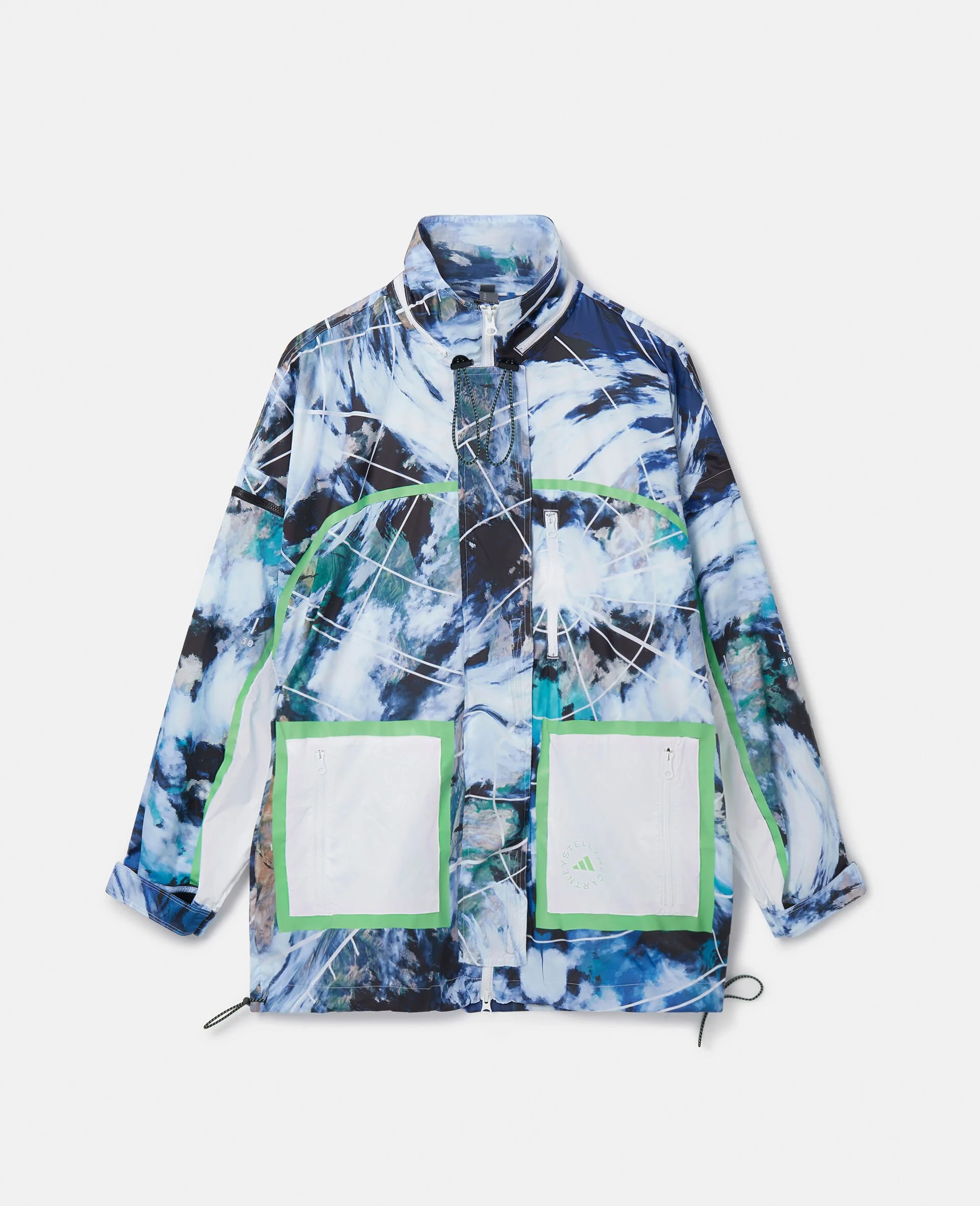
Adidas by Stella McCartney is a collaborative sportswear line founded in 2005, combining Adidas's performance technology with Stella McCartney's fashion-forward designs. The collection was established with the mission to create high-performance athletic wear that is both stylish and sustainable. Its current mission focuses on pushing the boundaries of sustainable sportswear through innovative materials and designs. Core values include sustainability, innovation, and female empowerment, with a purpose to redefine athletic wear through eco-conscious practices.
Location
Headquarters: Herzogenaurach, Germany (Adidas HQ).
Primary manufacturing/operations locations: Global supply chain with emphasis on sustainable practices.
Note: Leverages Adidas's global network while incorporating Stella McCartney's sustainable ethos.
The Circular Vision
Core circular economy principles: Designing out waste, using recycled and renewable materials, and creating products that are fully recyclable.
Key innovations: Development of PRIMEBLUE and PRIMEGREEN fabrics made from recycled ocean plastics and other recycled materials. Exploration of biodegradable fabrics and closed-loop processes.
Prioritization of local sourcing and closed-loop supply chains: Emphasis on using recycled materials and sustainable production methods to minimize environmental impact.
Pioneering Solutions
Flagship products: Performance sportswear for yoga, running, swimming, gymnastics, and winter sports under TrueStrength, TruePace, TrueCasuals, True Purpose, and True Nature lines.
Unique value propositions: High-quality, sustainable athletic wear that prioritizes performance, style, and environmental responsibility. Products are known for their innovative design, use of recycled materials, and ability to reduce virgin material usage.
The Regenerative Future
R&D focus areas: Advancing sustainable materials, optimizing production processes, and developing new applications for recycled and bio-based materials in sportswear.
Ambitious goals: To lead the sportswear industry in sustainable practices, create zero-waste products, and inspire a shift towards a regenerative approach to athletic wear design and production.
Fact Sheet
Commercial Availability: Products available globally through Adidas and Stella McCartney websites, retail stores, and select partners.
Circularity Rating: 4/5 (Strong focus on circular economy principles with room for improvement).
Key Certifications: Products are vegan and use materials certified by organizations like Bluesign.
Cost Rating: 4/5 (Premium pricing reflecting sustainable materials and innovative design).
Material Passport: Detailed material information available, with a focus on recycled and sustainable materials.
Designed for Disassembly: Some products designed for recyclability, with ongoing efforts to improve this aspect.
Carbon Performance: Focus on reducing carbon footprint through sustainable materials and production methods. Aims to reduce greenhouse gas emissions by 30% by 2030.
Key Takeaway
Adidas by Stella McCartney transforms the sportswear industry through innovative, sustainable solutions, setting a benchmark for circularity and environmental responsibility in athletic wear.
Explore Further
Adidas by Stella McCartney: website
Stella McCartney: sustainability overview
Stella McCartney: sportswear
Nuatan is a new generation of bioplastic solutions developed by Crafting Plastics Studio, an interdisciplinary design-driven research team. The company was founded in collaboration with institutional research teams from Slovakia and Germany. Named after Nuatanbu Island in the Pacific Ocean, which has been swallowed by rising sea levels due to climate change, Nuatan's mission is to create sustainable, value-added consumer products from bioplastics. The core values of Nuatan include sustainability, innovation, and environmental responsibility, with a purpose to provide durable, biodegradable, and aesthetically unique material solutions.
Location
Headquarters: Bratislava, Slovakia.
Primary manufacturing/operations locations: Slovakia and Germany.
Note: Strategic locations in Europe to optimize local sourcing, distribution, and collaboration with research institutions.
The Circular Vision
Core circular economy principles: Designing out waste, using 100% renewable resources, and creating products that are fully biodegradable.
Key innovations: Development of bioplastic materials based on Polylactic Acid (PLA) and Polyhydroxyalkanoates (PHA), which are stable, durable, and decompose into water, CO2, and biomass within 120 days in industrial composting conditions.
Prioritization of local sourcing and closed-loop supply chains: Emphasis on using local, renewable resources and production to minimize environmental impact.
Pioneering Solutions
Flagship products: Bioplastic solutions for interior objects, fashion accessories, houseware, and consumer electronics parts.
Unique value propositions: High-quality, sustainable materials that are biobased, biodegradable, durable, and heat stable. Nuatan materials are visually unique and colored with natural pigments, making them suitable for high-quality consumer products.
The Regenerative Future
R&D focus areas: Advancing bioplastic technologies, developing home-compostable versions, and optimizing circular design processes.
Ambitious goals: To lead the bioplastic industry in sustainable practices, create zero-waste products, and inspire a shift towards a regenerative approach to material design.
Fact Sheet
Commercial Availability: Products and materials available through direct sales and partnerships with forward-thinking companies.
Environmental Product Declaration (EPD): Information not available.
Circularity Rating: 5/5 (Designed for full circularity).
Key Certifications: Information not available.
Cost Rating: 4/5 (Competitive with conventional alternatives, with significant cost savings in sustainable materials).
Material Passport: Detailed material traceability and use of 100% renewable resources.
Designed for Disassembly: Yes, products are designed for easy disassembly and recycling.
Carbon Performance: Focus on reducing carbon footprint through sustainable materials and local production.
Key Takeaway
Nuatan transforms renewable resources into high-quality, sustainable bioplastic solutions, setting a benchmark for circularity and environmental responsibility in the material design industry.
Explore Further
Nuatan website: https://www.nuatan.com