P R O L E A R N

CLEAN ENERGY
Clean Energy refers to power generated from renewable, zero-emission sources that do not pollute the atmosphere when used, as well as energy saved through energy efficiency measures. It encompasses solar, wind, hydroelectric, geothermal, and other renewable sources.
Cost Efficiencies
Declining Costs: The cost of clean energy technologies has dropped significantly, with solar PV and onshore wind now being the cheapest new-build electricity in most countries.
Long-term Savings: While initial investment may be high, clean energy systems often have lower operational and maintenance costs over time.
Energy Independence: Clean energy reduces reliance on imported fossil fuels, potentially leading to significant national cost savings.
Sustainability Benefits
Carbon Reduction: Clean energy sources produce little to no greenhouse gas emissions, crucial for mitigating climate change.
Air Quality Improvement: Unlike fossil fuels, most clean energy sources do not emit air pollutants, leading to better public health.
Water Conservation: Many clean energy technologies use significantly less water compared to traditional power plants.
Innovative Applications
Hybrid Systems: Combining different clean energy sources, like solar-wind hybrid systems, to ensure more consistent power generation.
Energy Storage: Advanced battery technologies and other storage solutions are addressing the intermittency issues of some clean energy sources.
Smart Grids: Integrating clean energy with AI and IoT for more efficient energy distribution and management.
Challenges and Considerations
Intermittency: Some clean energy sources like solar and wind are variable, requiring backup systems or storage solutions.
Initial Costs: While prices are declining, the upfront costs of clean energy systems can still be high.
Infrastructure Adaptation: Transitioning to clean energy often requires significant changes to existing energy infrastructure.
Future Outlook
As technology advances and costs continue to decrease, clean energy is set to play an increasingly crucial role in global energy systems. The International Energy Agency estimates that to achieve net zero emissions by 2050, 90% of global electricity generation will need to come from renewable sources.
Call to Action:
Evaluate your current energy consumption and identify opportunities to integrate clean energy solutions. Consider pilot projects that leverage these technologies, and stay informed about evolving policies and incentives supporting clean energy adoption in your region.

Pauline van Dongen is a Dutch fashion designer and researcher specializing in wearable technology, founded her design studio in 2010. The studio was established with the mission to explore the intersection of fashion and technology, creating innovative and sustainable clothing solutions. Pauline van Dongen's current mission focuses on integrating smart textiles and technology into fashion while considering sustainability and circular economy principles. Core values include innovation, sustainability, and pushing the boundaries of wearable technology, with a purpose to redefine the relationship between fashion, technology, and the environment.
Location
Headquarters: Arnhem, Netherlands.
Primary manufacturing/operations locations: Various locations based on project requirements and collaborations.
The Circular Vision
Core circular economy principles: While not explicitly focused on circular economy, van Dongen's work often incorporates principles of sustainability and innovation in material use.
Key innovations: Development of projects like light-up sportswear in collaboration with Philips, exploring the integration of technology into clothing to add value and potentially extend product lifecycles.
Prioritization of local sourcing and closed-loop supply chains: Information not explicitly provided, but emphasis on collaboration with technology companies suggests potential for innovative approaches to sourcing and production.
Pioneering Solutions
Flagship projects: Collaborations with companies like Philips for light-up sportswear, and various projects exploring the integration of technology into fashion.
Unique value propositions: High-quality, innovative fashion solutions that prioritize the integration of technology and smart textiles. Pauline van Dongen's work is known for its ability to create functional, tech-enhanced clothing that pushes the boundaries of wearable technology.
The Regenerative Future
R&D focus areas: Advancing smart textile development, exploring new applications for wearable technology, and potentially developing solutions that integrate sustainability and circularity into tech-enhanced fashion.
Ambitious goals: To lead the fashion industry in the integration of technology and smart textiles, create innovative wearable solutions, and inspire a shift towards more functional and potentially sustainable approaches to fashion design.
Fact Sheet
Commercial Availability: Design services and products available through collaborations, exhibitions, and partnerships with brands and institutions.
Circularity Rating: 3/5 (While not explicitly focused on circular economy, work in smart textiles and wearable technology may contribute to product longevity and innovation in material use).
Key Certifications: Listed in Forbes' Europe's Top 50 Women in Tech 2018.
Cost Rating: Information not available.
Material Passport: Detailed information on smart textiles and technologies used in projects.
Designed for Disassembly: Information not explicitly provided, but integration of technology may present unique challenges and opportunities for product lifecycle management.
Carbon Performance: Information not explicitly provided, but focus on technology integration may have implications for product energy use and lifecycle.
Key Takeaway
Pauline van Dongen transforms the fashion industry through innovative, technology-driven solutions that explore the potential of smart textiles and wearable technology, setting a benchmark for the integration of fashion and technology in contemporary design.
Explore Further
Pauline van Dongen website: https://www.paulinevandongen.nl
Project example: Suntex

Bioforcetech Corporation is a company specialising in biomass management systems, founded with the mission to transform organic waste into valuable products while promoting sustainability and the circular economy. The company focuses on providing innovative, automated systems that convert biosolids and organic waste into renewable energy and biochar. Core values include sustainability, innovation, and responsibility, with a purpose to protect nature and human health by delivering zero waste solutions.
Location
Headquarters: South San Francisco, California, USA.
Primary manufacturing/operations locations: South San Francisco, California, USA, and Mezzago, Italy.
Note: Strategic locations in the USA and Italy to optimize local sourcing, distribution, and collaboration with industry partners.
The Circular Vision
Core circular economy principles: Designing out waste, using recycled materials, and creating products that are fully recyclable and biodegradable.
Key innovations: Development of the BioDryer and Pyrolysis systems that transform biosolids and organic waste into renewable energy and biochar. The BioDryer dries biosolids to produce a nutrient-rich Class A organic material, while the Pyrolysis process converts dried biosolids into biochar, a carbon-rich material with multiple uses.
Prioritization of local sourcing and closed-loop supply chains: Emphasis on using locally sourced organic waste and sustainable production methods to minimize environmental impact and support local economies.
Pioneering Solutions
Flagship products: BioDryer, Pyrolysis system, and OurCarbon® Biochar.
Unique value propositions: High-quality, sustainable biomass management solutions that prioritize circularity, material reuse, and environmental responsibility. Bioforcetech's products are known for their ability to significantly reduce waste volume, generate renewable energy, and produce valuable by-products like biochar.
The Regenerative Future
R&D focus areas: Advancing biomass management technologies, optimizing production processes, and developing new applications for biochar and renewable energy.
Ambitious goals: To lead the waste management industry in sustainable practices, create zero-waste products, and inspire a shift towards a regenerative approach to organic waste management.
Fact Sheet
Commercial Availability: Products and services available globally through direct sales and partnerships with municipalities and waste management companies.
Circularity Rating: 5/5 (Strong focus on circular economy principles).
Cost Rating: 4/5 (Competitive with conventional waste management solutions, with significant cost savings in sustainable materials).
Material Passport: Detailed material traceability and use of recycled organic waste.
Designed for Disassembly: Yes, systems are designed for easy disassembly and recycling.
Carbon Performance: Focus on reducing carbon footprint through sustainable materials and local production. The Bioforcetech process significantly reduces methane emissions by diverting organic waste from landfills.
Key Takeaway
Bioforcetech transforms the waste management industry through innovative, sustainable biomass management solutions, setting a benchmark for circularity and environmental responsibility.
Explore Further
Bioforcetech website: https://www.bioforcetech.com
Process overview: https://www.bioforcetech.com/process.html
Example product: OurCarbon® Biochar
Kayser Works is a design studio founded by German designer, artist, and inventor Markus Kayser. The studio was established with the mission to explore novel design and digital fabrication processes at the intersection of design, technology, and biology. Kayser Works' current approach focuses on challenging rigid design and fabrication conceptions by deploying raw energy, materials, biological systems, and technology to develop new forms of making. Core values include innovation, sustainability, and interdisciplinary collaboration, with a purpose to redefine the relationship between design, materials, and the environment.
Location
Headquarters: Berlin, Germany.
Note: Strategic location in Berlin, with previous work conducted at MIT Media Lab and in desert environments.
The Circular Vision
Core circular economy principles: While not explicitly focused on circular economy, many projects incorporate principles of material innovation, energy efficiency, and sustainable production.
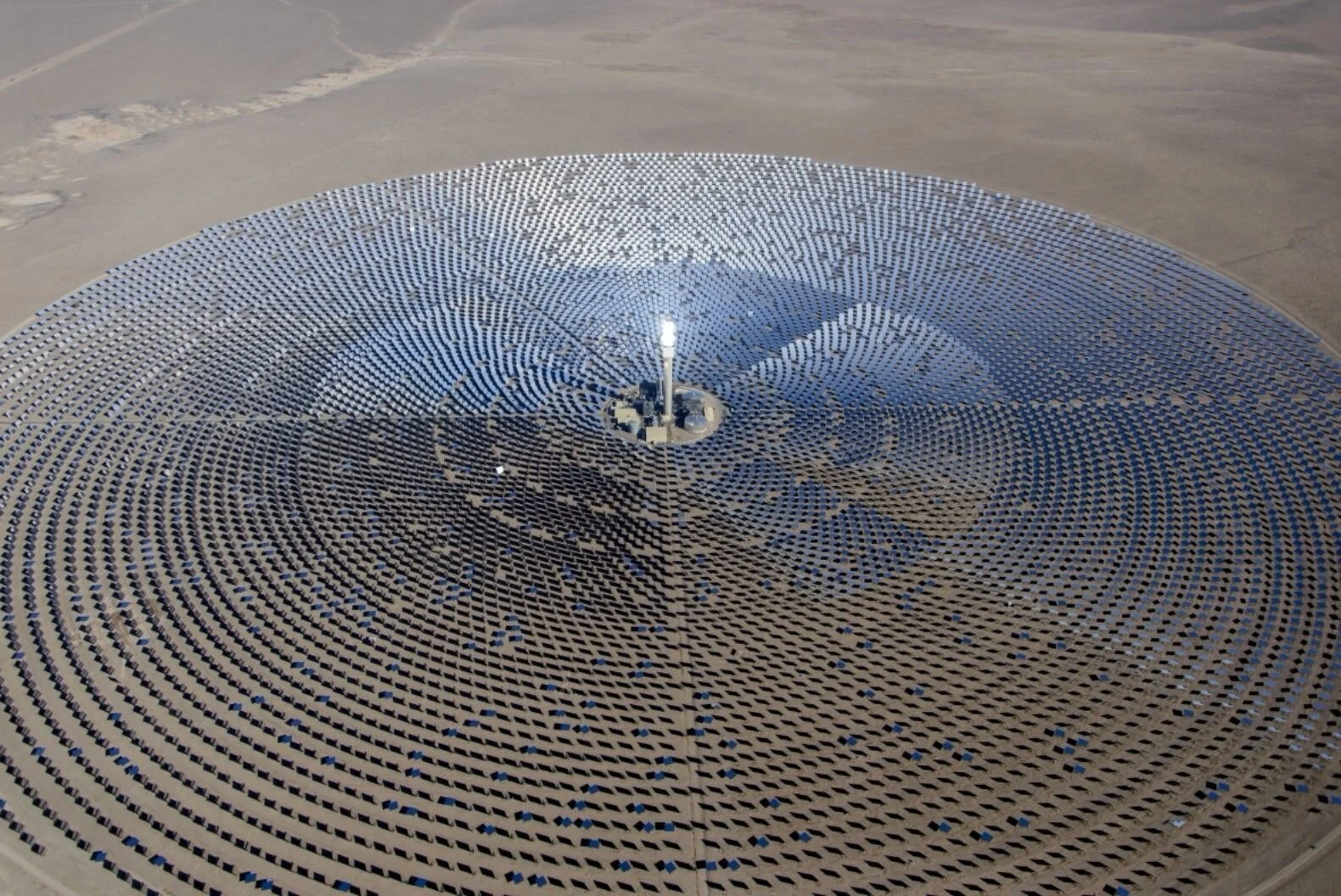
Key innovations: Development of the Solar Sinter (3D printing using desert sand and sunlight), Silk Pavilion (combining digital and biological fabrication), and Fiberbots (autonomous digital fabrication system).
Prioritization of local sourcing and closed-loop supply chains: Emphasis on using locally available resources and natural energy sources in projects like the Solar Sinter.
Pioneering Solutions
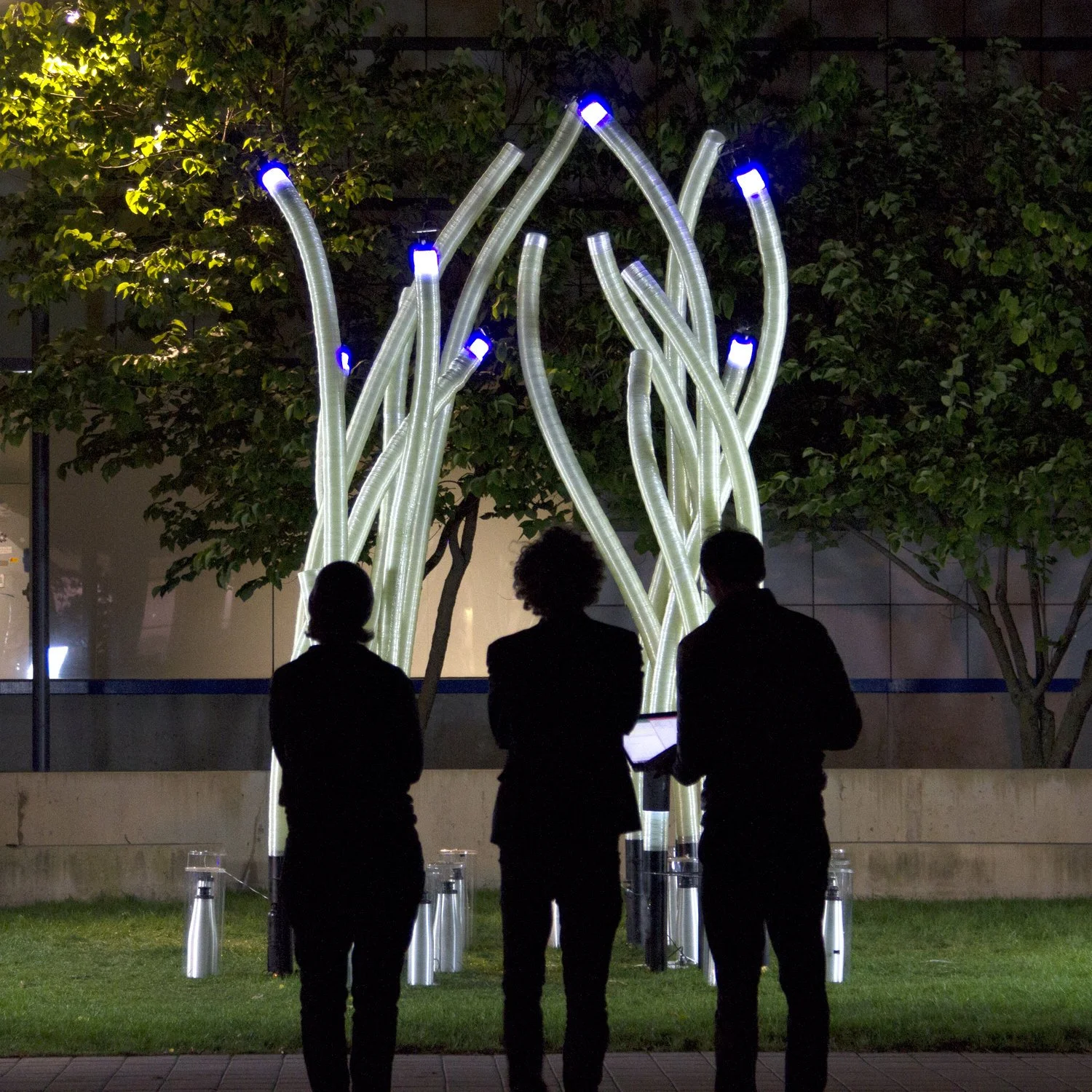
Flagship projects: Solar Sinter (3D printing with sand and sunlight), Silk Pavilion (architecture using silkworms), Fiberbots (robotic fabrication), LIGHTzeit (dynamic lighting installation), and PaC (minimal waste chair design).
Unique value propositions: High-quality, innovative design solutions that challenge conventional manufacturing processes and explore the potential of natural systems and energy sources.
The Regenerative Future
R&D focus areas: Advancing digital fabrication techniques, exploring new applications for natural materials and energy sources, and developing solutions that bridge the gap between technology and biology.
Ambitious goals: To lead the design industry in innovative practices, create novel fabrication methods, and inspire a shift towards more sustainable and efficient design and production approaches.
Fact Sheet
Commercial Availability: Many projects are experimental, with some designs available through exhibitions and collaborations.
Circularity Rating: 4/5 (Strong focus on innovative, sustainable approaches, though not all projects explicitly address circularity).
Key Certifications: Various awards including Design Miami/Basel's Designer of the Future Award (2012) and Ars Electronica Award of Distinction (2012).
Cost Rating: Varies by project; many are research-oriented rather than commercial products.
Material Passport: Detailed material exploration and innovation in many projects, often focusing on natural or locally sourced materials.
Designed for Disassembly: Varies by project; some, like PaC chair, consider ease of assembly/disassembly.
Carbon Performance: Focus on reducing environmental impact through innovative energy use and material choices, though not explicitly quantified for all projects.
Key Takeaway
Kayser Works transforms the design and fabrication industry through innovative solutions that challenge conventional methods, setting a benchmark for exploring the intersection of technology, biology, and sustainability in contemporary design practice.
Explore Further
Kayser Works website: https://kayserworks.com

WinSun, also known as Yingchuang Building Technique (Shanghai) Co., Ltd., is a pioneering company in the field of 3D printing for construction. Founded by Ma Yihe in 2003, the company has revolutionized the construction industry by developing large-scale 3D printing technology to create buildings and structures. WinSun's mission is to make design, engineering, construction, and operation processes better, faster, and easier, aligning with the core benefits of Building Information Modeling (BIM). Core values include integrity, inclusion, excellence, and gratitude, with a purpose to lead the industry in sustainable and innovative construction practices.
Location
Headquarters: Shanghai, China.
Primary manufacturing/operations locations: Suzhou, China.
Note: Strategic locations in China to optimize local sourcing, distribution, and collaboration with industry partners.
The Circular Vision
Core circular economy principles: Designing out waste, using recycled materials, and creating products that are fully recyclable.
Key innovations: Development of large-scale 3D printers that use a special ink made from recycled construction waste, cement, sand, and fiber. This technology allows for the rapid construction of buildings with minimal waste and environmental impact.
Prioritization of local sourcing and closed-loop supply chains: Emphasis on using locally sourced construction waste and sustainable production methods to minimize environmental impact and support local economies.
Pioneering Solutions
Flagship products: 3D printed buildings, including residential houses, office buildings, and public structures.
Unique value propositions: High-quality, sustainable construction solutions that prioritize circularity, material reuse, and environmental responsibility. WinSun's products are known for their durability, innovative design, and ability to significantly reduce construction time and costs.
The Regenerative Future
R&D focus areas: Advancing 3D printing technologies, optimizing production processes, and developing new applications for 3D printed construction materials.
Ambitious goals: To lead the construction industry in sustainable practices, create zero-waste products, and inspire a shift towards a regenerative built environment.
Fact Sheet
Commercial Availability: Products available globally through direct sales and partnerships with developers and governments.
Environmental Product Declaration (EPD): Information not available.
Circularity Rating: 5/5 (Strong focus on circular economy principles).
Key Certifications: Information not available.
Cost Rating: 4/5 (Competitive with conventional alternatives, with significant cost savings in sustainable materials).
Material Passport: Detailed material traceability and use of recycled construction waste.
Designed for Disassembly: Yes, products are designed for easy disassembly and recycling.
Carbon Performance: Focus on reducing carbon footprint through sustainable materials and local production. The use of recycled materials and efficient construction processes significantly lowers the environmental impact.
Key Takeaway
WinSun transforms the construction industry through innovative, sustainable 3D printing solutions, setting a benchmark for circularity and environmental responsibility in modern construction.
Explore Further
WinSun website: https://www.winsun3d.com/En/
Sustainability overview: https://www.winsun3d.com/En/About/
Example product: 3D printed buildings

TThe Block Research Group (BRG) is a research unit at the Institute of Technology in Architecture at ETH Zürich, founded and led by Prof. Dr. Philippe Block and Dr. Tom Van Mele. The group was established with the mission to explore innovative structural design, computational form finding, and digital fabrication. BRG's current mission focuses on developing sustainable construction methods and materials, with a particular emphasis on creating efficient, material-saving structures inspired by historical building techniques. Core values include sustainability, innovation, and interdisciplinary collaboration, with a purpose to revolutionize the construction industry through geometry-based approaches to structural design.
Location
Headquarters: ETH Zürich, Stefano-Franscini-Platz 1, HIB E 45, 8093 Zurich, Switzerland.
Primary research/operations locations: Zurich, Switzerland, with global collaborations.
Note: Strategic location within a leading technical university to foster innovation and collaboration with industry partners.
The Circular Vision
Core circular economy principles: Designing out waste, using sustainable materials, and creating structures that can be easily disassembled and reused.
Key innovations: Development of computational form-finding techniques, advanced 3D concrete printing methods, and the creation of ultra-thin, material-efficient structures like the HiLo roof and floor system.
Prioritization of local sourcing and closed-loop supply chains: Emphasis on using locally sourced materials and sustainable production methods to minimize environmental impact.
Pioneering Solutions
Flagship projects: NEST HiLo unit, Striatus bridge, KnitCandela shell structure.
Unique value propositions: High-quality, sustainable construction solutions that prioritize material efficiency, structural performance, and environmental responsibility. BRG's innovations are known for their ability to significantly reduce material usage while maintaining or improving structural integrity.
The Regenerative Future
R&D focus areas: Advancing computational design tools, optimizing 3D printing processes for construction, and developing new applications for sustainable materials in architecture and engineering.
Ambitious goals: To lead the construction industry in sustainable practices, create zero-waste structures, and inspire a shift towards a regenerative approach to building design and construction.
Fact Sheet
Commercial Availability: Research outcomes available through academic publications, industry collaborations, and spin-off companies like VAULTED AG.
Environmental Product Declaration (EPD): Information not available for specific products, but research focuses on reducing environmental impact.
Circularity Rating: 5/5 (Strong focus on circular economy principles in research and design).
Key Certifications: Academic research institution, specific certifications not applicable.
Cost Rating: Not directly applicable, but innovations aim to reduce construction costs through material efficiency.
Material Passport: Detailed material information provided for research projects and prototypes.
Designed for Disassembly: Yes, many projects focus on creating structures that can be easily disassembled and reused.
Carbon Performance: Strong focus on reducing carbon footprint through material-efficient designs and sustainable construction methods.
Key Takeaway
The Block Research Group transforms the construction industry through innovative, sustainable structural design solutions, setting a benchmark for circularity and environmental responsibility in modern architecture and engineering.
Explore Further
BRG website: https://block.arch.ethz.ch/brg/
Research overview: https://block.arch.ethz.ch/brg/research
Example projects: https://block.arch.ethz.ch/brg/project
WASP (World's Advanced Saving Project) is an Italian company founded in 2012 by Massimo Moretti. The company was established with the mission to develop large-scale 3D printers capable of constructing sustainable, eco-friendly houses using locally sourced materials like clay and natural fibers. WASP's current mission focuses on revolutionizing the construction industry through innovative 3D printing technologies that promote the principles of circular economy and digital fabrication. Core values include sustainability, innovation, and responsibility, with a purpose to create a regenerative future through advanced material science and production technology.
Location
Headquarters: Massa Lombarda, Ravenna, Italy.
Primary manufacturing/operations locations: Massa Lombarda, Italy.
Note: Strategic location in Italy to foster innovation and collaboration with research institutions.
The Circular Vision
Core circular economy principles: Designing out waste, using locally sourced and renewable materials, and creating products that are fully recyclable and biodegradable.
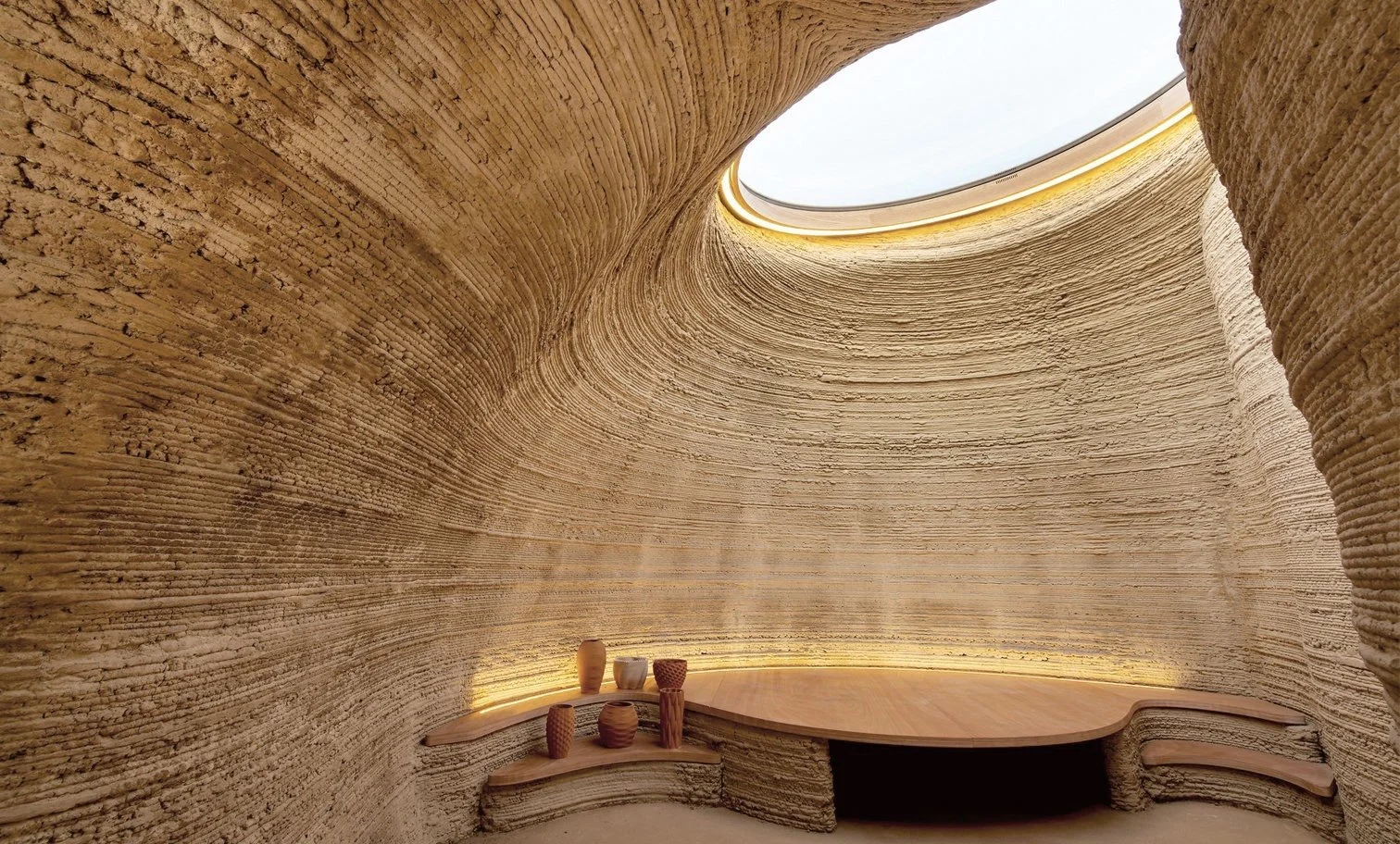
Key innovations: Development of large-scale 3D printers like Crane WASP and BigDelta WASP, capable of printing houses using natural materials like clay, soil, straw, and rice husk. The patented process transforms waste into durable and aesthetically pleasing structures with significantly lower environmental impact.
Prioritization of local sourcing and closed-loop supply chains: Emphasis on using locally sourced materials and sustainable production methods to minimize environmental impact and support local economies.
Pioneering Solutions
Flagship products: Crane WASP 3D printer, BigDelta WASP 3D printer, and 3D printed houses like TECLA and Gaia.
Unique value propositions: High-quality, sustainable construction solutions that prioritize circularity, material reuse, and environmental responsibility. WASP's products are known for their innovative design, durability, and ability to significantly reduce construction time and costs while minimizing environmental impact.
The Regenerative Future
R&D focus areas: Advancing 3D printing technologies, optimizing production processes, and developing new applications for recycled and natural materials in construction.
Ambitious goals: To lead the construction industry in sustainable practices, create zero-waste products, and inspire a shift towards a regenerative built environment.
Fact Sheet
Commercial Availability: Products available globally through direct sales and partnerships with developers and governments.
Environmental Product Declaration (EPD): Information not available.
Circularity Rating: 5/5 (Strong focus on circular economy principles).
Key Certifications: Information not available.
Cost Rating: 4/5 (Competitive with conventional alternatives, with significant cost savings in sustainable materials).
Material Passport: Detailed material traceability and use of locally sourced and renewable materials.
Designed for Disassembly: Yes, products are designed for easy disassembly and recycling.
Carbon Performance: Focus on reducing carbon footprint through sustainable materials and local production. The use of recycled materials and efficient construction processes significantly lowers the environmental impact.
Key Takeaway
WASP transforms the construction industry through innovative, sustainable 3D printing solutions, setting a benchmark for circularity and environmental responsibility in modern construction.
Explore Further
WASP website: https://www.3dwasp.com/en/
Sustainability overview: https://www.3dwasp.com/en/about-us/
Example product: TECLA 3D printed house
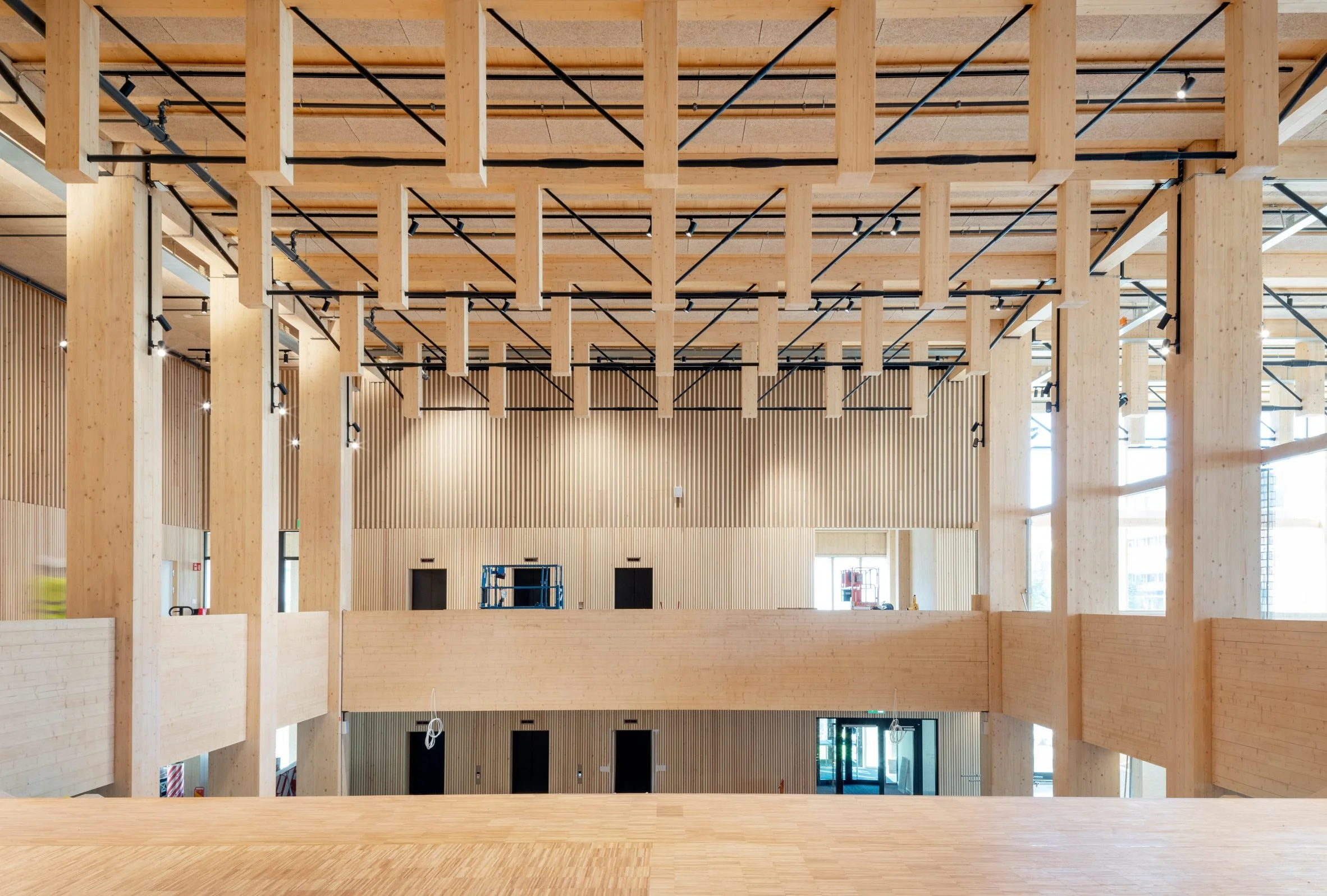
White Arkitekter is a leading Scandinavian architectural practice founded in 1951. The firm was established with the mission to create sustainable, resilient, and inclusive environments through innovative design. White Arkitekter's current mission focuses on integrating circular economy principles into their projects to achieve climate neutrality and enhance biodiversity, health, and social values. Core values include sustainability, innovation, and a humanistic approach to design, with a purpose to redefine the relationship between architecture, the environment, and society.
Location
Headquarters: Gothenburg, Sweden.
Primary manufacturing/operations locations: Various global locations for projects and collaborations, including offices in Stockholm, Malmö, Umeå, and London.
Note: Strategic locations in key cities to leverage local expertise in design and foster international collaborations.
The Circular Vision
Core circular economy principles: Designing out waste, using sustainable and recyclable materials, and creating buildings and spaces that are adaptable and long-lasting.
Key innovations: Development of the Hammarby Sjöstad project, which uses a cyclical system to optimize resource use and minimize waste, achieving a 50% reduction in energy consumption and carbon emissions. The White ReCapture initiative focuses on large-scale reuse of building materials.
Prioritization of local sourcing and closed-loop supply chains: Emphasis on using locally sourced materials and sustainable production methods to minimize environmental impact and support local economies.
Pioneering Solutions
Flagship projects: Hammarby Sjöstad, Selma Lagerlöf Centre, and the circular-economy office fit-out in London. These projects showcase the innovative use of circular economy principles in urban planning, architecture, and interior design.
Unique value propositions: High-quality, sustainable design solutions that prioritize circularity, material reuse, and environmental responsibility. White Arkitekter's work is known for its ability to create resilient, adaptable environments that promote sustainability and social wellbeing.
The Regenerative Future
R&D focus areas: Advancing circular architecture and material reuse, exploring new applications for sustainable materials, and developing design solutions that further reduce waste and energy consumption. The Innovation Lab and White Research Lab support these initiatives.
Ambitious goals: To lead the architecture industry in sustainable practices, create climate-neutral and circular buildings, and inspire a shift towards a regenerative approach to urban development and design.
Fact Sheet
Commercial Availability: Architectural and design services available through direct collaborations with clients and partnerships with brands and institutions.
Circularity Rating: 5/5 (Strong focus on circular economy principles).
Key Certifications: Information not available.
Cost Rating: 4/5 (Competitive with high-end architectural services, with significant value in sustainability and innovation).
Material Passport: Detailed material traceability and use of sustainable and recycled materials.
Designed for Disassembly: Yes, buildings and interiors are designed for easy disassembly and recycling.
Carbon Performance: Focus on reducing carbon footprint through the use of sustainable materials, renewable energy sources, and local production. Committed to minimizing environmental impact through efficient design and construction processes.
Key Takeaway
White Arkitekter transforms the architecture industry through innovative, sustainable solutions that prioritize circular economy principles, setting a benchmark for environmental responsibility and material reuse in modern design.
Explore Further
White Arkitekter website: https://www.whitearkitekter.com
Example project: Lumi in Uppsala

AIRLAB (Architectural Intelligence Research Lab) is a multidisciplinary research laboratory based at the Singapore University of Technology and Design (SUTD). The lab was founded with the mission to explore the intersection of architecture, science, arts, and digital design and manufacturing. AIRLAB's current mission focuses on pushing the boundaries of architectural innovation through the incorporation of digital design and advanced manufacturing techniques. Core values include sustainability, innovation, and interdisciplinary collaboration, with a purpose to redefine the way architects design and build complex structures, advancing new levels of efficiency and aesthetics.
Location
Headquarters: Singapore University of Technology and Design (SUTD), Singapore.
Primary research/operations locations: Singapore.
Note: Strategic location within a leading technical university to foster innovation and collaboration with industry partners.
The Circular Vision
Core circular economy principles: Designing out waste, using sustainable materials, and creating structures that can be easily disassembled and reused.
Key innovations: Development of advanced 3D printing techniques and digital design tools to create lightweight, material-efficient structures. Projects like AIRMESH and Ultra-Light Networks exemplify the lab's commitment to reducing material waste and using sustainable materials.
Prioritization of local sourcing and closed-loop supply chains: Emphasis on using locally sourced materials and sustainable production methods to minimize environmental impact.
Pioneering Solutions
Flagship projects: AIRMESH, Ultra-Light Networks, Timescapes, and the Singapore Pavilion for the Seoul Biennale.
Unique value propositions: High-quality, sustainable architectural solutions that prioritize material efficiency, structural performance, and environmental responsibility. AIRLAB's innovations are known for their ability to significantly reduce material usage while maintaining or improving structural integrity.
The Regenerative Future
R&D focus areas: Advancing computational design tools, optimizing 3D printing processes for construction, and developing new applications for sustainable materials in architecture and engineering.
Ambitious goals: To lead the construction industry in sustainable practices, create zero-waste structures, and inspire a shift towards a regenerative approach to building design and construction.
Fact Sheet
Commercial Availability: Research outcomes available through academic publications, industry collaborations, and public exhibitions.
Environmental Product Declaration (EPD): Information not available for specific projects, but research focuses on reducing environmental impact.
Circularity Rating: 5/5 (Strong focus on circular economy principles in research and design).
Key Certifications: Information not available.
Cost Rating: Not directly applicable, but innovations aim to reduce construction costs through material efficiency.
Material Passport: Detailed material information provided for research projects and prototypes.
Designed for Disassembly: Yes, many projects focus on creating structures that can be easily disassembled and reused.
Carbon Performance: Strong focus on reducing carbon footprint through material-efficient designs and sustainable construction methods.
Key Takeaway
AIRLAB transforms the architecture and construction industries through innovative, sustainable structural design solutions, setting a benchmark for circularity and environmental responsibility in modern architecture and engineering.
Explore Further
AIRLAB website: https://airlab.sutd.edu.sg
Example project: AIRMESH
Marjan van Aubel is a Dutch solar designer based in Amsterdam, Netherlands. She established her studio with the mission to integrate solar technology into everyday objects and environments, promoting sustainability and renewable energy. Van Aubel's current mission focuses on creating innovative solar designs that are both functional and aesthetically pleasing, aiming to make solar energy an integral part of daily life. Core values include sustainability, innovation, and interdisciplinary collaboration, with a purpose to redefine the relationship between design, technology, and the environment.
Location
Headquarters: Amsterdam, Netherlands.
Primary manufacturing/operations locations: Various locations based on project requirements and collaborations.
The Circular Vision
Core circular economy principles: Designing out waste, using renewable energy sources, and creating products that promote environmental awareness and sustainable practices.
Key innovations: Development of projects like "Current Table," "Current Window," and "Sunne," which incorporate solar cells into furniture and lighting to harness solar energy. The "Solar Pavilion" and "8 Minutes and 20 Seconds" installations showcase the potential of integrating solar technology into public spaces.
Prioritization of local sourcing and closed-loop supply chains: Emphasis on using sustainable materials and production methods to minimize environmental impact and support local economies.
Pioneering Solutions
Flagship projects: Van Aubel's portfolio includes innovative solar-powered designs such as the Current Table and Current Window (which generate electricity from ambient light using dye-sensitised solar cells), Sunne (a self-powering solar light), the Solar Pavilion (a demountable structure that generates energy and heat), and the "8 Minutes and 20 Seconds" installation (an interactive display using photovoltaic sheets).
Unique value propositions: High-quality, innovative solar design solutions that prioritize circularity, renewable energy, and environmental responsibility. Van Aubel's work is known for its ability to seamlessly integrate solar technology into everyday objects and public spaces, making renewable energy more accessible and visually appealing.
The Regenerative Future
R&D focus areas: Advancing solar technology integration in design, exploring new applications for solar cells in everyday objects, and developing solutions that further reduce waste and energy consumption in production processes.
Ambitious goals: To lead the design industry in sustainable practices, create zero-waste solar products, and inspire a shift towards a regenerative approach to design and energy usage.
Fact Sheet
Commercial Availability: Solar design services and products available through collaborations, exhibitions, and partnerships with brands and institutions.
Circularity Rating: 5/5 (Strong focus on integrating circular economy principles and renewable energy in design).
Key Certifications: Winner of multiple awards, including the Dezeen Awards, Wallpaper Design Award, and the Radicale Vernieuwer award.
Cost Rating: 4/5 (Competitive with high-end design services, with significant value in sustainability and innovation).
Material Passport: Detailed material traceability and use of sustainable and renewable materials in many projects.
Designed for Disassembly: Yes, projects like the Solar Pavilion are designed for easy disassembly and reuse.
Carbon Performance: Focus on reducing carbon footprint through the use of renewable energy and sustainable materials. Committed to minimizing environmental impact through efficient design and production processes.
Key Takeaway
Marjan van Aubel transforms the design industry through innovative, sustainable solar solutions that prioritize circular economy principles, setting a benchmark for environmental responsibility and material innovation in contemporary design.
Explore Further
Marjan van Aubel website: https://www.marjanvanaubel.com
Current Table project
Sunne project
Solar Pavilion project